
Thinking about buying an air fryer? This guide breaks down whether an air fryer is worth it for your kitchen. We’ll cover its key advantages, potential downsides, and practical tips for making delicious food. Learn if an air fryer can save you time, health benefits, and become your go-to cooking appliance.
So, you’ve seen them everywhere. On social media, in kitchenware stores, and probably from your friends raving about their latest crispy chicken wings. The air fryer. But before you hit that “add to cart” button, you’re likely asking yourself the big question: “Is it worth it to get an air fryer?”
It’s a valid question! Kitchen gadgets can be exciting, but they can also be expensive space-hogs if they don’t live up to the hype. This guide is here to help you figure out if an air fryer is the right addition to *your* kitchen. We’ll dive into what makes them tick, the real benefits, the potential downsides, and how to use one effectively. By the end, you’ll have a clear picture of whether an air fryer is worth the investment for your cooking style and needs.
Key Takeaways
- Healthier Cooking: Air fryers use significantly less oil than traditional frying, leading to healthier meals with fewer calories and less fat.
- Speed and Convenience: They preheat quickly and cook food faster than conventional ovens, making meal prep more efficient.
- Versatility: Beyond “frying,” air fryers can roast, bake, and reheat food, offering a wide range of culinary possibilities.
- Crispy Texture: The convection technology circulates hot air to create a crispy, golden exterior similar to deep-frying, but without the grease.
- Energy Efficiency: For smaller batches of food, an air fryer uses less energy than a full-sized oven, saving on utility bills.
- Ease of Cleaning: Most air fryer baskets and drawers are non-stick and dishwasher-safe, simplifying cleanup.
- Space Considerations: While convenient, air fryers do take up counter space, and their capacity might be limiting for larger families.
What Exactly Is An Air Fryer?
Let’s start with the basics. An air fryer isn’t actually a fryer in the traditional sense. It doesn’t submerge food in hot oil. Instead, it’s a compact, high-powered convection oven. It works by circulating extremely hot air around your food at a high speed. This rapid air movement cooks food quickly and creates that desirable crispy, golden-brown exterior that we associate with fried foods. Think of it as a super-powered, countertop toaster oven that excels at crisping things up.
The Big Question: Is An Air Fryer Worth It?
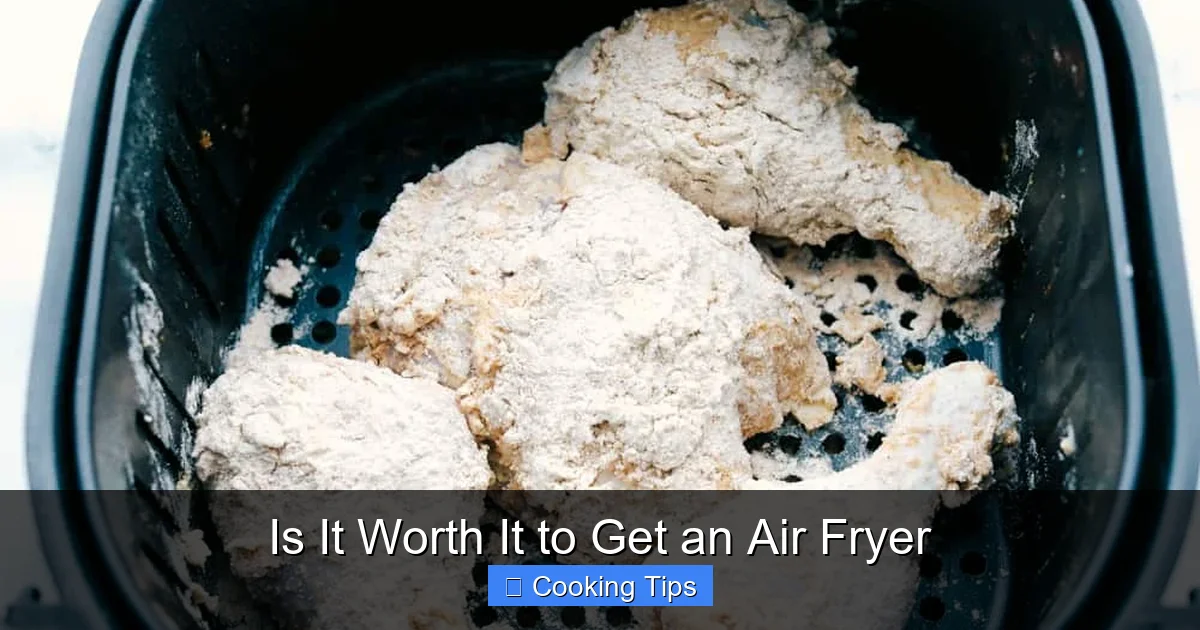
Visual guide about Is It Worth It to Get an Air Fryer
Image source: therecipecritic.com
The answer, like most things in life, is: it depends. But for many people, the answer is a resounding YES! Let’s break down the pros and cons to help you decide.
The Advantages: Why You Might Want An Air Fryer
There are plenty of good reasons why air fryers have become so popular.
Healthier Meals
This is perhaps the biggest draw for many. Because air fryers use hot air instead of oil for cooking, you can achieve that satisfying crunch with a fraction of the fat and calories. For example, making crispy French fries in an air fryer requires only about a tablespoon of oil, compared to the cups of oil needed for deep frying. This makes it a fantastic tool for anyone looking to make healthier choices without sacrificing taste and texture. You can even experiment with healthy dishes like air fryer vegetables; many recipes show how to make them delicious and tender-crisp.
Speed and Convenience
Air fryers are fast. They preheat much quicker than a conventional oven, often in just a few minutes. Plus, the cooking times for many foods are shorter. This means you can get dinner on the table faster, which is a lifesaver on busy weeknights. Imagine wanting some crispy chicken wings or even a quick biscuit for a side – an air fryer can deliver these much faster than your oven.
Versatility in the Kitchen
While they’re called “air fryers,” these appliances can do much more than just fry. They excel at roasting, baking small items, and reheating leftovers. Think about reheating pizza – it comes out crispy, not soggy like in a microwave. You can roast vegetables, bake small cakes or muffins, cook small roasts, and even prepare things like pot pies. The possibilities are quite extensive.
Achieving That Crispy Texture
Nobody wants soggy fries or limp chicken nuggets. Air fryers excel at creating a super crispy exterior on your food. The rapid circulation of hot air mimics the effect of deep frying, giving you that satisfying crunch you crave. This is particularly true for foods like frozen snacks, chicken wings, and even things like breaded fish or pork steaks.
Energy Efficiency for Small Batches
If you’re cooking for one or two people, or just making a small side dish, firing up a full-sized oven can be a waste of energy. An air fryer uses significantly less electricity to heat up and cook smaller portions of food. This can translate into noticeable savings on your utility bills over time.
Easy to Use and Clean
Most air fryers come with simple digital or dial controls for setting time and temperature. Operation is generally straightforward. Furthermore, the cooking baskets and drawers are typically non-stick and often dishwasher-safe, making cleanup a breeze. No more scrubbing greasy pans!
The Downsides: Things to Consider Before Buying
It’s not all perfect, though. Here are some potential drawbacks to keep in mind.
Countertop Space Hog
Air fryers aren’t small appliances. They require dedicated counter space, which can be a premium in many kitchens. If your counter space is already limited, you’ll need to consider where you’ll store it when not in use. Some models are more compact than others, so research dimensions if this is a concern.
Limited Capacity
Most standard air fryers are designed for 1-4 servings. If you have a large family or frequently cook for a crowd, you might find the capacity insufficient. You’ll likely have to cook food in batches, which can negate some of the time-saving benefits. Larger, more expensive models or those with multiple baskets exist, but they come with their own trade-offs.
Not a Replacement for All Cooking Methods
While versatile, an air fryer won’t entirely replace your oven or stovetop. It’s not ideal for boiling pasta, cooking large roasts, or making delicate sauces. It’s best viewed as a complementary appliance that excels at specific tasks. For instance, while you can cook a steak in an air fryer, it might not give you the same sear as a cast-iron pan on the stovetop, though it can still produce excellent results. You can learn more about specific cooking applications like how to cook a steak with an air fryer.
Can Be Noisy
The fan that circulates the hot air can be a bit noisy. While usually not disruptive, it’s something to be aware of if you’re sensitive to kitchen appliance sounds.
How to Make the Most of Your Air Fryer (If You Decide to Get One!)
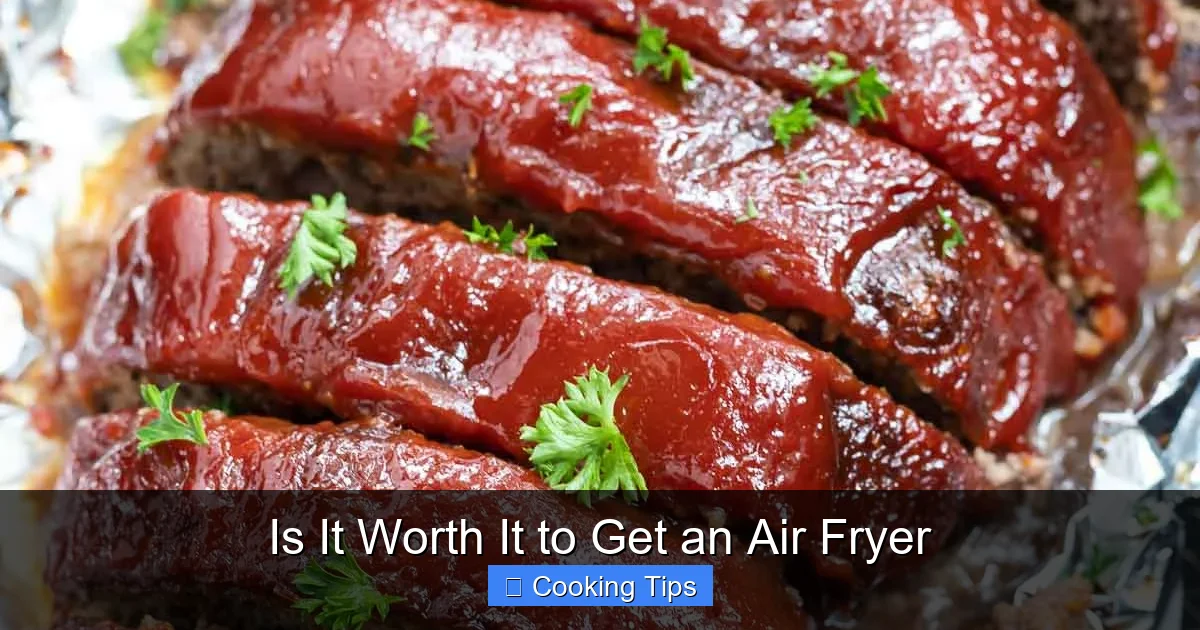
Visual guide about Is It Worth It to Get an Air Fryer
Image source: tastyairfryerrecipes.com
So, you’ve weighed the pros and cons and decided an air fryer is for you! Congratulations, you’re about to unlock a new level of crispy, convenient cooking. Here’s how to get started and ensure you’re using it effectively.
Step 1: Choose the Right Air Fryer
Before you even start cooking, picking the right air fryer is crucial.
H3: Consider Capacity
Think about how many people you typically cook for. A small basket is fine for singles or couples, but a larger family might need a model with a bigger basket or even dual baskets.
H3: Look at Features
Some air fryers have digital displays with presets for common foods, while others have simpler dial controls. Do you want advanced features or a basic model?
H3: Budget
Prices can range from under $50 to over $200. Determine how much you’re willing to spend.
Step 2: Get Familiar with Your Air Fryer
Once you have your air fryer, take some time to read the manual. Understanding its specific features, temperature ranges, and any unique operating instructions is key. Many users find resources like “How To Operate An Air Fryer” or “How To Operate An Air Fryer Step By Step” guides very helpful.
Step 3: Prep Your Food for Air Frying
This is where the magic happens!
H3: Use a Little Oil (Usually)
While it uses less oil, a little bit goes a long way. Toss your food (like potatoes, chicken pieces, or vegetables) with a tablespoon or two of oil to help it crisp up and brown nicely. You can use olive oil, avocado oil, or any cooking oil you prefer. Some foods, like frozen items that already contain oil, might not need any added.
H3: Don’t Overcrowd the Basket
This is a common mistake. Overcrowding prevents hot air from circulating properly, leading to uneven cooking and soggy food. Cook in batches if necessary. Your food should have a little space around it.
H3: Shake or Flip Halfway Through
For even crispiness, it’s essential to shake the basket or flip your food about halfway through the cooking time. This ensures all sides get exposed to the hot air. You might even need to pause the cooking process briefly to do this; understanding “How To Pause An Air Fryer” can be useful here.
Step 4: Experiment with Recipes
Don’t be afraid to get creative!
H3: Start with the Basics
Try simple things like French fries, chicken wings, or roasted broccoli. These are air fryer staples for a reason.
H3: Explore Different Foods
You’d be surprised what you can make. You can cook things like brats, pot pies, or even a porterhouse steak. If you’re curious about specific items, look for guides on how to cook specific foods, such as “How To Cook A Brat In An Air Fryer” or “How To Cook A Porterhouse Steak In An Air Fryer.”
H3: Reheating is a Game Changer
Leftover pizza, fried chicken, or even pastries come back to life in an air fryer, regaining their crispness.
Step 5: Cleaning and Maintenance
Keep your air fryer in good condition with regular cleaning.
H3: Clean After Each Use
Most baskets and drawers are non-stick and can be wiped clean or put in the dishwasher.
H3: Wipe Down the Exterior
A damp cloth will usually do the trick for the outside of the appliance.
H3: Check the Heating Element
Occasionally, you might need to clean any food debris that falls onto the heating element (ensure it’s unplugged and cool first!).
Troubleshooting Common Air Fryer Issues

Visual guide about Is It Worth It to Get an Air Fryer
Image source: littlesunnykitchen.com
Even with the best intentions, you might run into a few hiccups. Here are some common problems and how to solve them.
Problem: Food is not crispy
Solution: You might be overcrowding the basket. Try cooking in smaller batches. Also, ensure you’re using a little oil if your food isn’t naturally oily, and consider shaking or flipping more frequently. Make sure your air fryer is preheated, as this helps create the initial crisp.
Problem: Food is burnt on one side and undercooked on the other
Solution: This usually indicates poor air circulation. Again, don’t overcrowd. Ensure food is in a single layer as much as possible. Shake or flip the food thoroughly halfway through cooking.
Problem: Food is dry
Solution: You might be overcooking it, or your air fryer runs hotter than expected. Use an instant-read thermometer to check for doneness and adjust cooking times accordingly. For lean meats, consider marinating them or adding a light sauce after cooking.
Problem: Smoke is coming from the air fryer
Solution: This often happens when fatty foods drip onto the heating element. Clean your air fryer thoroughly. You can also try lining the bottom tray (not the basket) with foil, being careful not to block air vents.
Is an Air Fryer Worth It For You? The Final Verdict
So, after all that, is it worth it to get an air fryer?
If you’re looking for a healthier way to enjoy crispy foods, want to speed up your weeknight cooking, or enjoy experimenting with versatile kitchen gadgets, then **yes, an air fryer is likely a fantastic investment for you.** It offers a convenient way to make a wide variety of dishes more healthily and efficiently.
However, if you have a tiny kitchen with no counter space, primarily cook large meals for a big family, or are perfectly happy with your current cooking methods, it might be less of a necessity.
Ultimately, the best way to decide is to consider your own cooking habits and kitchen needs. An air fryer isn’t a magic bullet that will solve all your culinary problems, but for many, it becomes an indispensable tool that makes delicious, healthier food faster and easier than ever before.