
Discover if it’s safe to use a rusty air fryer. This guide explains the risks associated with rust, how to determine the severity of the problem, and provides detailed steps for cleaning common rust spots. Learn when cleaning is sufficient and when it’s time to invest in a new air fryer to ensure healthy and safe cooking.
Is It Safe to Use Rusty Air Fryer
You love your air fryer. It’s your go-to for crispy fries, perfectly cooked chicken, and so much more. But lately, you’ve noticed something a little unsettling: rust. A few spots here and there on the basket, maybe even a hint of orange on the interior walls. Your immediate thought might be, “Is this safe?” It’s a valid concern, and one that many air fryer owners face.
This comprehensive guide will walk you through everything you need to know about using a rusty air fryer. We’ll explore the potential risks, how to identify the severity of the rust, and most importantly, provide clear, step-by-step instructions on how to clean it. By the end of this article, you’ll be equipped to make an informed decision about whether your rusty air fryer is still a kitchen companion or if it’s time to say goodbye.
Key Takeaways
- Surface-level rust on the exterior is usually harmless and can often be cleaned, but it’s important to address it to prevent further damage.
- Rust on the interior, especially on the basket or heating element, can pose health risks as rust particles can flake off and contaminate food.
- The material of your air fryer basket is crucial; stainless steel is more prone to surface rust than non-stick coatings, but both require attention.
- Thorough cleaning is essential if you find rust, using gentle methods to avoid damaging the appliance’s surfaces.
- If rust is deep, widespread, or affecting critical components like the heating element, it’s safer to replace the air fryer.
- Proper maintenance and storage are key to preventing rust in the first place, ensuring longevity and safety of your air fryer.
Understanding Rust and Its Risks
Rust, chemically known as iron oxide, forms when iron or steel is exposed to oxygen and moisture. While it’s a common phenomenon, when it appears on your kitchen appliances, it raises safety questions.
What is Rust?
Rust is a reddish-brown flaky coating that forms on iron or steel as it corrodes. In the context of an air fryer, this usually means that a part of the appliance, often the basket or certain internal components, is made of or coated with a material that is reacting with the environment.
Why is Rust a Concern in Kitchen Appliances?
*
Food Contamination: The most significant concern is that rust particles can flake off and end up in your food. While small amounts of rust are generally not acutely toxic, ingesting rust particles over time is not ideal and can potentially lead to health issues.
*
Compromised Materials: Rust indicates that the material of your air fryer’s component is degrading. This degradation can weaken the structure and potentially affect how the appliance functions.
*
Aesthetics and Hygiene: Beyond safety, rust simply doesn’t look appealing. It also suggests that the appliance might not be as clean or hygienic as it should be.
Is it Safe to Eat Food Cooked in a Rusty Air Fryer?
This is the million-dollar question. The answer isn’t a simple yes or no. It depends on the extent and location of the rust.
*
Minor Surface Rust (Exterior): If you spot a small amount of rust on the outer casing of your air fryer, it’s usually less of a concern for food safety. However, it’s still an indication of moisture exposure and should be addressed to prevent it from spreading or impacting the appliance’s functionality.
*
Rust on Removable Parts (Basket/Tray): This is where it gets trickier. If the rust is on the basket or tray where food directly sits, there’s a higher risk of particles transferring to your food. Minor, superficial rust might be cleanable, but deeper rust is problematic.
*
Rust on Heating Element or Interior Walls: Rust on the heating element or the interior walls (not the basket itself) is also a concern. These areas are exposed to high heat and airflow, and rust particles could be dispersed throughout the cooking chamber.
Assessing the Rust: How Bad Is It?
Before you grab a cleaning cloth, take a close look at the rust. Its location, depth, and spread will help you determine the best course of action.
Step 1: Identify the Location of the Rust
Carefully inspect all parts of your air fryer.
*
Exterior: Check the outer shell, the handle, and the base.
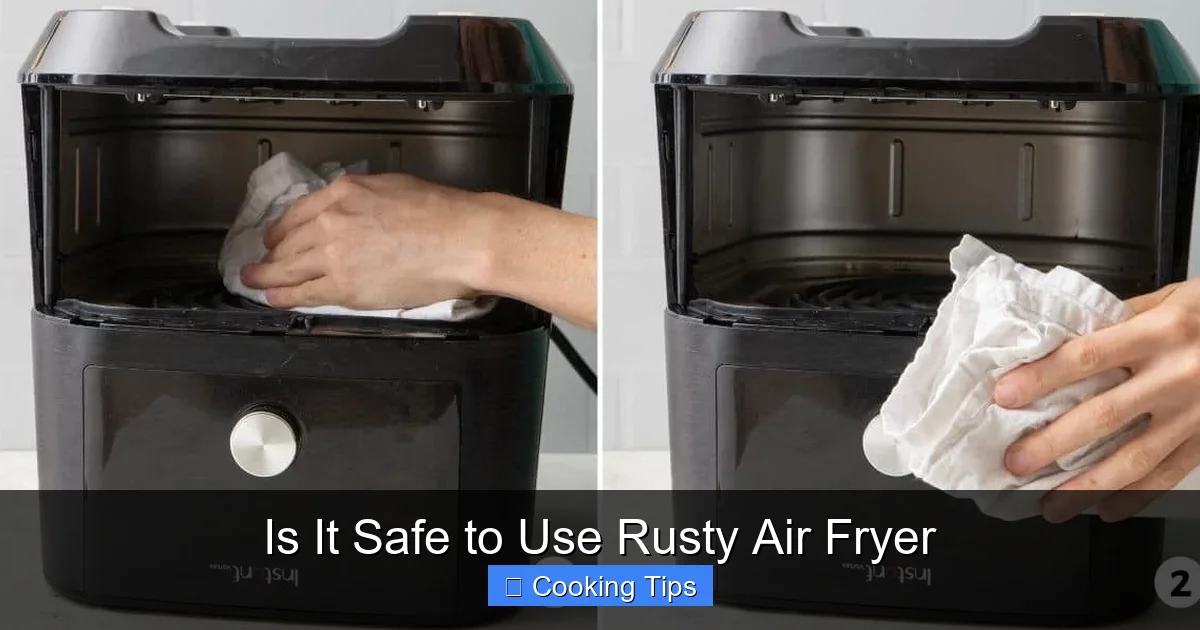
Visual guide about Is It Safe to Use Rusty Air Fryer
Image source: feelgoodfoodie.net
*
Interior: Look at the walls of the cooking chamber, the heating element (if visible and safe to do so), and the drip tray (if your model has one).
*
Removable Components: This includes the basket, tray, and any inserts. These are the most critical areas to check.
Step 2: Determine the Severity of the Rust
Once you know where the rust is, assess how bad it is.
*
Superficial Spots: Are they just faint orange or brown specks on the surface?
*
Flaky Rust: Is the rust coming off easily in flakes when you touch it?
*
Deep Pitting: Is the rust embedded into the metal, creating rough or damaged areas?
*
Widespread Corrosion: Is it just a few spots, or is a large area affected?
Step 3: Consider the Material
The material of your air fryer basket and components plays a role.
*
Stainless Steel: This is a common material for air fryer baskets and is susceptible to surface rust, especially if the protective chromium layer is compromised or if it comes into contact with salty or acidic foods for too long without cleaning. This type of rust is often treatable.
*
Non-stick Coatings: If your basket has a non-stick coating and you see rust, it likely means the coating has been scratched or damaged, exposing the metal underneath. This is more serious, as the coating itself might be flaking off, along with the rust.
How to Clean Rust from Your Air Fryer
If you’ve determined that the rust is superficial and localized, especially on removable parts, cleaning might be a viable solution. Always disconnect the appliance from power before cleaning.
General Safety Precautions:
*
Unplug the Air Fryer: Always ensure the appliance is unplugged before starting any cleaning process.
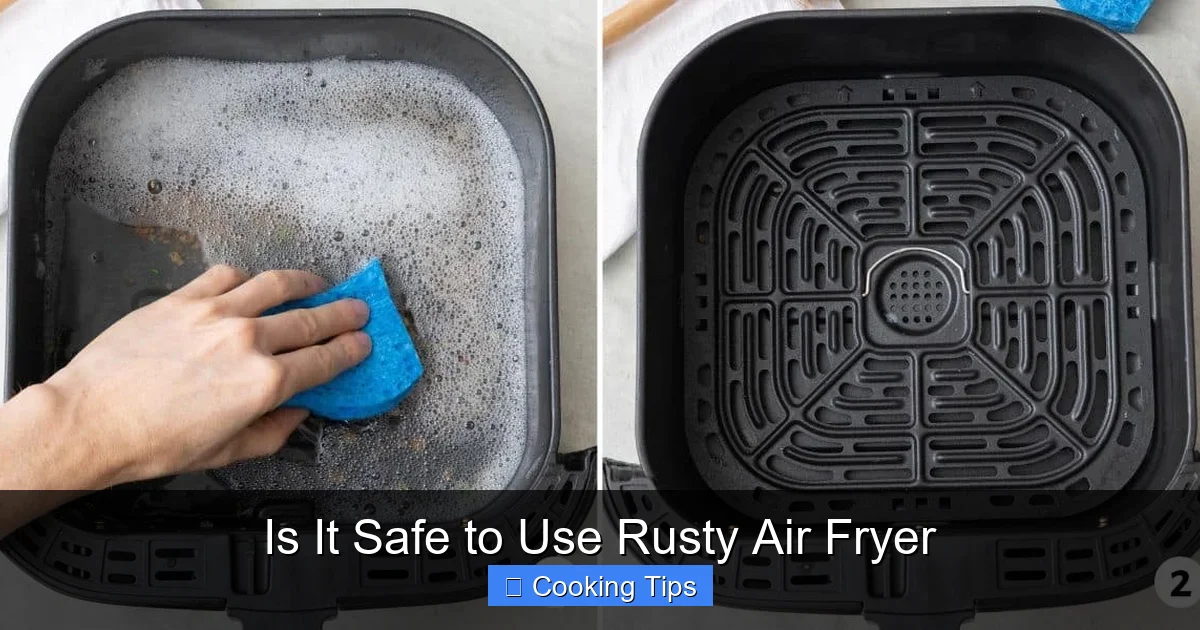
Visual guide about Is It Safe to Use Rusty Air Fryer
Image source: feelgoodfoodie.net
*
Let it Cool: Make sure the air fryer and its components are completely cool to the touch.
*
Check Your Manual: Refer to your air fryer’s user manual for specific cleaning instructions and any parts that should not be submerged or cleaned with abrasive materials.
*
Ventilation: Ensure you are in a well-ventilated area when using cleaning agents.
Cleaning Methods for Removable Parts (Basket/Tray):
These methods are best for stainless steel or lightly rusted areas.
Method 1: Baking Soda Paste
Baking soda is a gentle abrasive that can help lift rust without damaging surfaces.
What you’ll need:
- Baking soda
- Water
- Soft cloth or sponge
- Old toothbrush (optional)
Steps:
- Make the Paste: Mix baking soda with a small amount of water to create a thick paste. It should be spreadable but not too runny.
- Apply the Paste: Apply the paste generously to the rusted areas on the basket or tray. Let it sit for about 15-30 minutes to allow it to work on the rust.
- Scrub Gently: Use a soft cloth or sponge to gently scrub the rusted spots. For stubborn areas, an old toothbrush can be useful. Avoid abrasive scrubbers like steel wool, which can scratch the surface and potentially cause more rust.
- Rinse Thoroughly: Rinse the part completely with warm water to remove all traces of baking soda and loosened rust.
- Dry Immediately and Completely: This is a crucial step to prevent new rust from forming. Use a clean, dry towel to thoroughly dry the basket and tray. You can also place them in a slightly warm, turned-off oven for a few minutes to ensure they are bone dry.
Method 2: White Vinegar Soak
Vinegar is acidic and can help dissolve rust.
What you’ll need:
- White vinegar
- Water
- Large container or sink
- Soft cloth or sponge
- Old toothbrush (optional)
Steps:
- Prepare the Soak: Mix equal parts white vinegar and water in a container large enough to submerge the rusted parts.
- Soak the Parts: Submerge the affected basket or tray in the vinegar-water solution. Let it soak for a few hours, or even overnight for tougher rust.
- Scrub: Remove the part from the solution and use a soft cloth or sponge to scrub away the rust. An old toothbrush can help with detailed areas.
- Rinse Well: Rinse the parts thoroughly with warm water to remove all vinegar residue.
- Dry Thoroughly: As with the baking soda method, dry the parts immediately and completely with a towel.
Method 3: Lemon Juice and Salt
A combination of lemon juice (acidic) and salt (mild abrasive) can also be effective.
What you’ll need:
- Salt
- Lemon juice
- Soft cloth or sponge
Steps:
- Sprinkle Salt: Sprinkle a generous amount of salt over the rusted areas.
- Add Lemon Juice: Squeeze fresh lemon juice over the salt, creating a paste-like consistency.
- Let it Sit: Allow the mixture to sit on the rust for a couple of hours.
- Scrub Gently: Use a soft cloth or sponge to scrub the rust away.
- Rinse and Dry: Rinse thoroughly with warm water and dry immediately and completely.
Cleaning Rust from the Interior of the Air Fryer
Cleaning the interior can be more delicate. Focus on non-electronic parts and avoid getting any moisture near the heating element.
Method 1: Mild Detergent and Soft Sponge
For very minor rust spots on interior walls that aren’t near the heating element.
What you’ll need:
- Mild dish soap
- Warm water
- Soft cloth or sponge
- Dry towel
Steps:
- Dampen the Sponge: Dampen a soft sponge or cloth with warm water and a small amount of mild dish soap. Wring it out thoroughly so it’s not dripping wet.
- Wipe the Area: Gently wipe the rusted areas on the interior walls.
- Rinse (Carefully): Use a clean, damp cloth (rinsed with plain water) to wipe away any soap residue. Be extremely careful not to get water into any vents or electrical components.
- Dry Thoroughly: Use a dry towel to pat the interior dry. You can leave the air fryer door open to air dry completely.
Important Note: If the rust is on or near the heating element, it’s best to avoid cleaning it directly with liquids. Consult your manual or consider professional advice.
When to Consider Replacing Your Air Fryer
Sometimes, cleaning isn’t enough. There are clear signs that indicate it’s time to invest in a new air fryer.
Signs It’s Time for a New Air Fryer:
*
Deep or Pitted Rust: If the rust has eaten into the metal, creating pits or rough patches that you can’t smooth out, the structural integrity of the component is compromised.
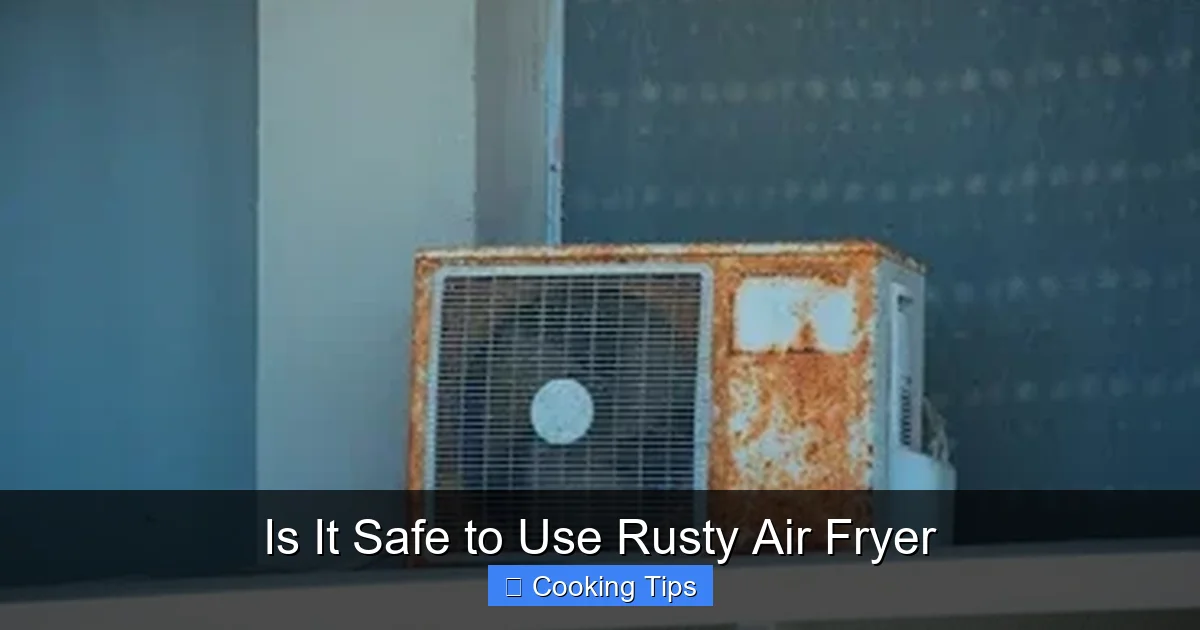
Visual guide about Is It Safe to Use Rusty Air Fryer
Image source: image.shutterstock.com
*
Flaking Rust on Critical Parts: If the rust is flaking off the basket, tray, or interior walls, it’s a direct contamination risk to your food. For example, if you’re struggling to clean rust before cooking something like a steak, it’s probably not worth the risk.
*
Rust on the Heating Element: If you see rust directly on the heating element, do not attempt to clean it yourself. This is a serious safety hazard, and the appliance should be replaced immediately.
*
Damage to Non-stick Coating: If rust is appearing under a damaged non-stick coating, the coating itself may be degrading, which is also a health concern.
*
Widespread Rust: If multiple parts of the air fryer are affected by rust, it indicates a more significant issue with the appliance’s materials or exposure to moisture.
*
Persistent Rust After Cleaning: If you’ve tried cleaning methods and the rust returns quickly or isn’t fully removed, the underlying issue might not be solved.
For instance, if you regularly cook items like bone-in chicken breast or BBQ ribs and notice rust, especially if it’s on the basket, it’s a sign to be extra cautious.
Preventing Rust in Your Air Fryer
The best way to deal with rusty air fryers is to prevent rust from forming in the first place.
Tips for Rust Prevention:
*
Dry Thoroughly: Always dry your air fryer basket and other removable parts completely after washing. Never let them air dry while still wet.
*
Hand Wash Removable Parts: While some air fryer parts are dishwasher safe, hand washing can give you better control over drying and prevent harsh detergents or high heat from damaging protective coatings or leading to corrosion.
*
Avoid Harsh Scrubbers: Don’t use steel wool, abrasive pads, or harsh chemicals, as these can scratch surfaces and remove protective layers, making them more susceptible to rust.
*
Clean Up Spills Promptly: Food spills, especially acidic or salty ones, can accelerate corrosion if left sitting on the surfaces.
*
Proper Storage: Store your air fryer in a dry place. If you live in a humid environment, consider storing it with a food-safe desiccant packet (ensure it’s not near the heating element) or in a cabinet that’s not prone to condensation.
*
Regular Inspection: Make it a habit to inspect your air fryer for any signs of wear or damage during your regular cleaning routine.
*
Avoid Prolonged Soaking: While vinegar soaks can help remove rust, avoid leaving parts submerged for extended periods if they are not specifically designed for it, especially if they have non-stick coatings.
By following these preventative measures, you can significantly extend the lifespan of your air fryer and ensure it remains safe and effective for all your culinary adventures, whether you’re making a simple hot dog or an elaborate roast.
Conclusion
The presence of rust on your air fryer is a common issue, but it requires careful assessment and action. While minor, superficial rust on the exterior or easily cleanable spots on removable parts might be manageable with proper cleaning techniques, rust on critical interior components or deep, widespread corrosion poses a significant health risk.
Always prioritize your health and safety. If you’re unsure about the severity of the rust, or if cleaning doesn’t fully resolve the issue, it’s best to err on the side of caution and replace your air fryer. By understanding the causes of rust, knowing how to clean it effectively, and implementing preventative measures, you can continue to enjoy delicious and safe meals from your air fryer for years to come. Happy air frying!