
Yes, it is absolutely safe to cook bacon in an air fryer! This method offers a convenient way to achieve perfectly crispy bacon with less mess and often faster cooking times than traditional methods. You’ll learn the best techniques, temperature settings, and safety considerations to ensure a delicious and safe bacon experience.
Is It Safe to Cook Bacon in Air Fryer
Bacon. Just the word conjures up images of crispy, salty goodness, a breakfast staple that many of us can’t resist. Traditionally, cooking bacon meant dealing with splattering grease, potential flare-ups on the stovetop, and a greasy cleanup. But what if there was a way to achieve that perfect crispiness with less mess and fewer worries? Enter the air fryer.
Many home cooks are curious about using their air fryers for everything from vegetables to meats, and bacon is no exception. The question on everyone’s mind is: “Is it safe to cook bacon in an air fryer?” The short answer is a resounding **yes!** When done properly, air frying bacon is not only safe but also one of the best ways to achieve that delightful crunch.
In this comprehensive guide, we’ll walk you through everything you need to know about cooking bacon in your air fryer. We’ll cover the benefits, the step-by-step process, important safety tips, and answer some common questions. Get ready to transform your bacon-making game!
Key Takeaways
- Safety First: Cooking bacon in an air fryer is safe when done correctly, with minimal splattering and reduced fire risk compared to stovetop frying.
- Crispy Perfection: The air fryer’s circulating hot air creates consistently crispy bacon without excessive grease.
- Easy Cleanup: The contained nature of air frying leads to significantly easier cleanup.
- Versatility: Different bacon thicknesses and cuts can be successfully air-fried with minor adjustments to time and temperature.
- Grease Management: Proper handling of bacon grease is crucial for safety and to prevent smoke.
- No Preheating Needed: In most cases, bacon can be placed directly into a cold air fryer, simplifying the process.
Why Air Fry Bacon? The Benefits
Before we dive into the “how-to,” let’s explore why air frying bacon is such a fantastic option:
- Reduced Mess: This is perhaps the biggest win. The enclosed basket of an air fryer contains most of the grease splatter, making cleanup a breeze compared to stovetop frying.
- Crispier Results: The circulating hot air in an air fryer mimics a convection oven, promoting even cooking and drying, which leads to exceptionally crispy bacon.
- Faster Cooking: In many cases, air-fried bacon cooks faster than pan-fried bacon, saving you precious time, especially during busy mornings.
- Healthier Option: While bacon is still bacon, the air fryer allows excess fat to drip away from the bacon strips, potentially resulting in a slightly leaner final product.
- Less Smoke: Stovetop bacon can sometimes produce a lot of smoke in the kitchen. Air frying significantly reduces this issue.
Is It Safe to Cook Bacon in Air Fryer: Understanding the Safety Aspects
The primary concerns when cooking bacon typically revolve around grease fires and excessive smoke. Let’s address these directly:
Grease Fires
The potential for grease fires is a valid concern with any cooking method involving fatty meats. However, air fryers are generally designed with safety in mind. The enclosed nature of the basket and the way the hot air circulates help to keep the grease contained. The fat drips down into a collection tray, away from the direct heat source, significantly minimizing the risk of flare-ups. While it’s not impossible for grease to ignite, especially if the air fryer is dirty or overloaded, the risk is substantially lower than with pan-frying.
Smoke Production
Bacon is a fatty food, and as it cooks, it renders fat. This fat can smoke, especially at higher temperatures. The good news is that the air fryer’s design often helps manage this. The grease drips away from the bacon, and the circulating air helps to ventilate it. However, you might still get some smoke, particularly if you’re cooking very fatty bacon or at higher temperatures for extended periods. We’ll cover tips to minimize this later in the guide.
How to Cook Bacon in Your Air Fryer: A Step-by-Step Guide
Ready to try it? It’s incredibly simple!
Step 1: Prepare Your Bacon
Choose your preferred bacon. Whether it’s thick-cut, regular, or even turkey bacon, the process is largely the same.
Selecting Bacon
Thickness Matters: Thicker cuts of bacon will require slightly longer cooking times than thinner slices. Keep this in mind when setting your timer.
Visual guide about Is It Safe to Cook Bacon in Air Fryer
Image source: momontimeout.com
Visual guide about Is It Safe to Cook Bacon in Air Fryer
Image source: spendwithpennies.com
Visual guide about Is It Safe to Cook Bacon in Air Fryer
Image source: ourbestbites.com
Arranging Bacon Strips
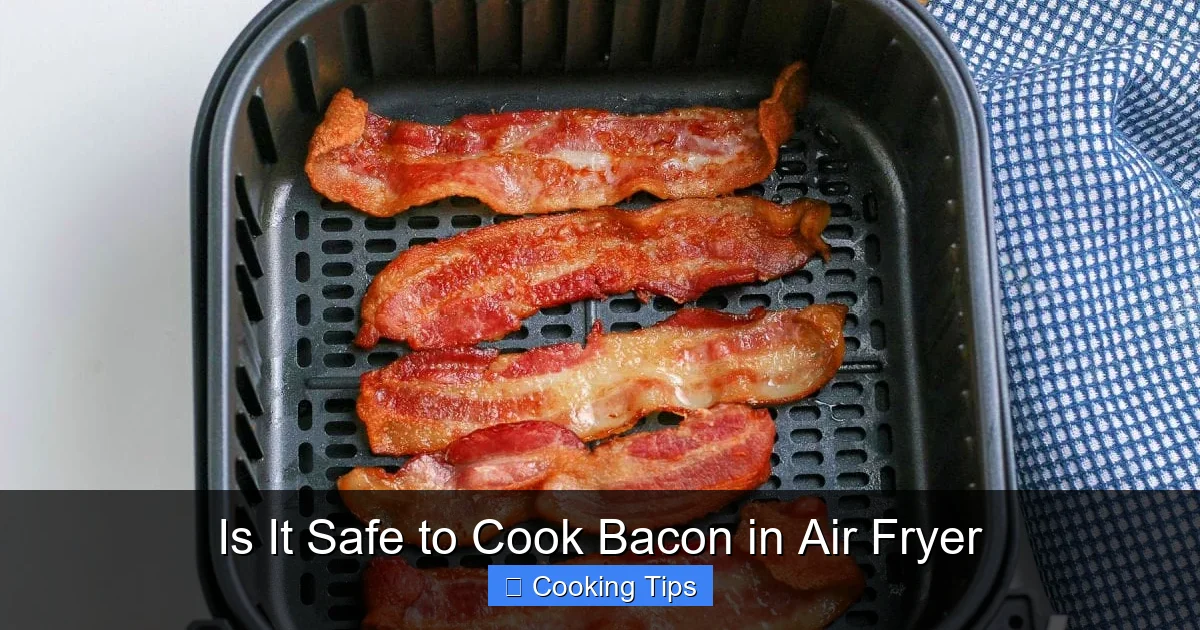
Don’t Overcrowd: This is the golden rule of air frying, and it applies to bacon too! Arrange the bacon strips in a single layer in the air fryer basket. Overcrowding will prevent the hot air from circulating properly, leading to unevenly cooked, chewy bacon instead of crispy perfection.
If you have a lot of bacon to cook, it’s better to do it in batches. You want the air to be able to reach every surface of each bacon strip.
Step 2: Preheat (Optional but Recommended)
While many recipes suggest you can skip preheating for bacon, a brief preheat can help it cook more evenly and quickly.
Preheating Your Air Fryer
Preheat your air fryer to around 350°F (175°C) for 3-5 minutes. This ensures the basket is at the optimal temperature when the bacon goes in, promoting faster and more consistent cooking.
Step 3: Air Fry the Bacon
Place the arranged bacon strips into the preheated (or unheated) air fryer basket.
Setting the Temperature and Time
Temperature: The ideal temperature for cooking bacon in an air fryer is usually between 350°F (175°C) and 400°F (200°C). A common starting point is 375°F (190°C).
Time: Cooking time will vary depending on the thickness of your bacon and your desired level of crispiness. For regular-cut bacon, start with 7-10 minutes. For thick-cut bacon, you might need 10-15 minutes.
Step 4: Flip and Check
About halfway through the cooking process, it’s a good idea to check on your bacon and give it a flip.
Flipping the Bacon
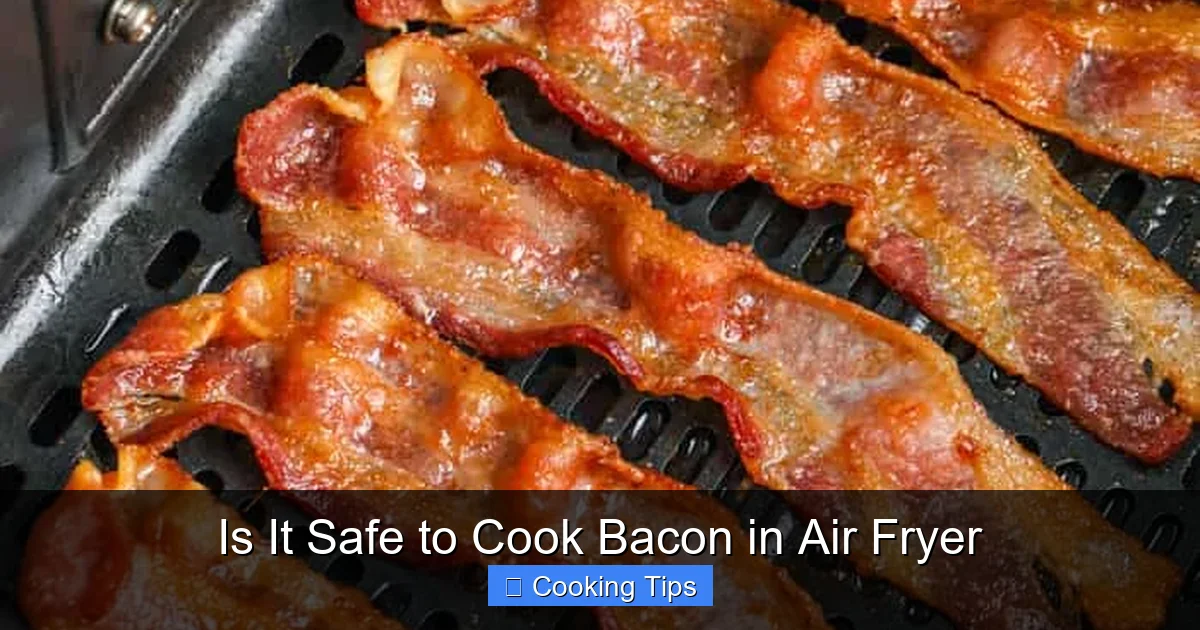
Using tongs, carefully flip each bacon strip to ensure even cooking on both sides. This is also a good time to check for any pieces that are cooking faster than others and perhaps move them around.
Step 5: Continue Cooking Until Desired Crispiness
Keep an eye on the bacon as it finishes cooking.
Monitoring for Crispiness
The bacon is done when it reaches your preferred level of crispiness. Remember that bacon will continue to crisp up a bit as it cools. If you notice any pieces are getting too dark too quickly, you can remove them early.
Step 6: Remove and Drain
Once the bacon is cooked to perfection, remove it from the air fryer.
Draining the Grease
Carefully transfer the cooked bacon strips to a plate lined with paper towels. This will absorb any excess grease and help maintain its crispiness.
Important Note on Grease: Do not pour hot bacon grease down the sink! It can solidify and clog your pipes. Let the grease cool completely in the pan or transfer it to a heat-safe container to dispose of it later.
Practical Tips for Perfect Air Fryer Bacon
Here are some extra tips to elevate your air fryer bacon game:
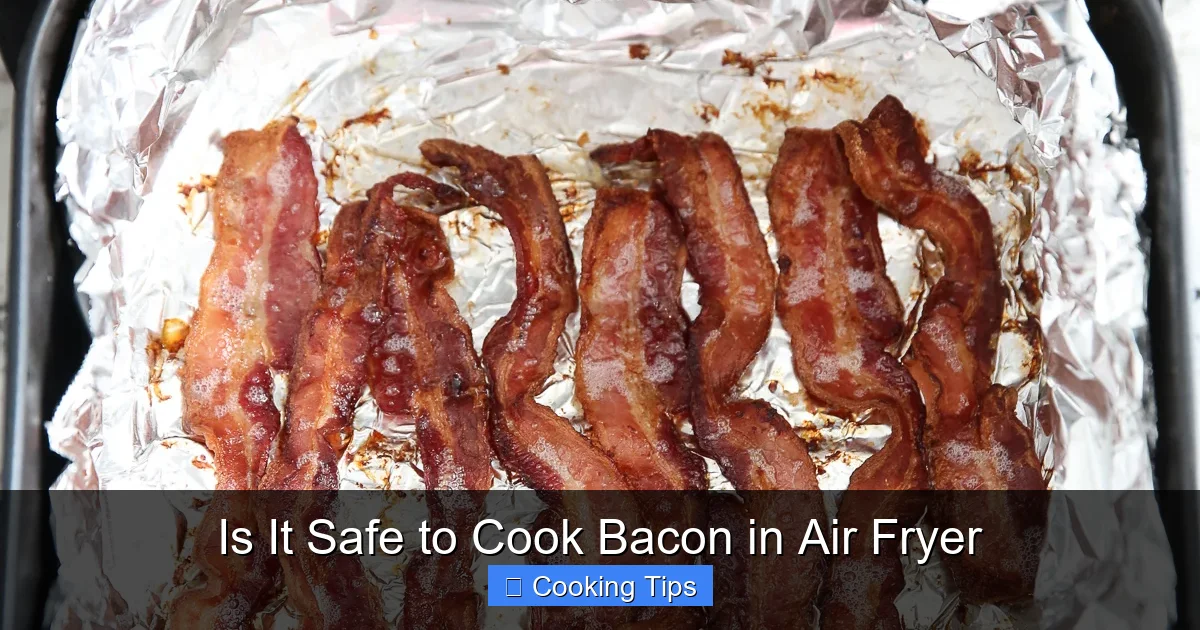
- Line Your Basket (Optional): For even easier cleanup, you can line the bottom of your air fryer basket with parchment paper designed for air fryers. Ensure the parchment paper has holes for air circulation, or cut some out yourself. Never use regular parchment paper that covers the entire bottom, as this can block airflow and create a fire hazard.
- The “Grease Tray” Trick: Some air fryer models have a separate grease collection tray below the basket. Make sure this tray is properly inserted. If your model doesn’t have one, the grease will collect at the bottom of the main basket.
- Dealing with Smoke: If you notice excessive smoke, it’s likely due to accumulated grease in the air fryer. Clean your air fryer thoroughly between uses, especially the heating element and the basket. You can also try lowering the temperature slightly or cooking for shorter intervals. Adding a little bit of water to the grease collection tray can sometimes help reduce smoke, but be cautious not to splash water onto the heating element.
- Experiment with Different Brands: Different brands and cuts of bacon have varying fat content and thickness. You may need to adjust cooking times and temperatures based on the specific bacon you are using.
- Consider Bacon Cookers: There are specific bacon racks and cookers designed for air fryers. These can help elevate the bacon, allowing grease to drip away more effectively and promoting even crisping.
- For Turkey Bacon: Turkey bacon is leaner and cooks faster. You’ll likely want to use a slightly lower temperature (around 350°F or 175°C) and shorter cooking times (5-8 minutes), checking frequently.
Troubleshooting Common Air Fryer Bacon Issues
Even with the best intentions, you might run into a few hiccups. Here’s how to solve them:
My Bacon Isn’t Crispy Enough
Solution: This is usually due to overcrowding the basket or not cooking it long enough. Ensure your bacon is in a single layer with space around each strip. Try increasing the cooking time by a couple of minutes. You can also increase the temperature slightly for the last few minutes of cooking, but watch it closely to prevent burning.
My Bacon is Burning on One Side
Solution: This suggests uneven airflow or that the bacon is too close to the heating element on one side. Make sure you’re not overcrowding the basket. Flipping the bacon halfway through is crucial. If your air fryer has a tendency to cook hotter on one side, you may need to rotate the basket halfway through.
My Air Fryer is Smoking Excessively
Solution: As mentioned earlier, this is usually a sign of accumulated grease. Ensure your air fryer is clean. If it’s a recurring issue with fatty foods, consider using an air fryer liner or cleaning the grease tray more frequently. Also, check that the bacon isn’t touching the heating element if you have a model where this is possible.
My Bacon is Chewy, Not Crispy
Solution: This often happens when the bacon is steamed rather than fried due to overcrowding or too much moisture. Ensure good airflow. You might also need to increase the cooking temperature or time. Make sure you’re not using bacon that’s excessively thick unless you adjust the cooking time significantly.
Beyond Breakfast: Creative Ways to Use Air Fryer Bacon
While delicious on its own, air-fried bacon is a fantastic ingredient for many dishes. Think about adding it to:
- Salads
- Sandwiches (like BLTs!)
- Soups and stews
- Pasta dishes
- Topping for baked potatoes or avocado toast
And if you’re feeling adventurous, you can even try cooking bacon-wrapped meats in your air fryer, using the pre-cooked bacon as a flavorful casing!
Conclusion
So, to answer the burning question: is it safe to cook bacon in an air fryer? **Yes, it is absolutely safe and highly recommended!** The air fryer offers a cleaner, often faster, and more consistently crispy way to enjoy this beloved breakfast meat. By following these simple steps and safety guidelines, you can achieve bacon perfection with minimal fuss.
Remember to avoid overcrowding the basket, flip your bacon halfway through, and adjust cooking times based on the thickness of your bacon. With a little practice, you’ll be an air fryer bacon pro, enjoying delicious, crispy strips without the usual stovetop drama. Happy air frying!