
Many people wonder if they can use Pam cooking spray in their air fryer. While generally considered safe for occasional use, continuous or excessive spraying can damage your air fryer’s non-stick coating due to the propellants and additives in some sprays. For optimal results and to protect your appliance, consider using oil in a mister or brushing oil directly onto food. This guide will explore the nuances of using Pam in your air fryer and provide the best alternatives.
So, you’ve got your shiny new air fryer and you’re ready to whip up some delicious, crispy foods. You’re reaching for your trusty can of Pam cooking spray, but then a question pops into your head: “Is it okay to use Pam in my air fryer?” It’s a common question, and one with a bit of nuance. Many of us have used cooking spray for years without issue on stovetops and in ovens. But air fryers operate a little differently, and the high heat and circulating air can create a unique environment.
In this comprehensive guide, we’ll break down exactly what you need to know about using Pam, or any aerosol cooking spray, in your air fryer. We’ll explore the potential risks, discuss why it’s often advised against, and most importantly, provide you with the best and safest alternatives to ensure your air fryer stays in top condition and your food cooks to perfection every time. By the end of this guide, you’ll feel confident in making the right choice for your air frying adventures.
Key Takeaways
- Pam cooking spray can be used in an air fryer with caution, but it’s not the ideal or safest option for long-term use.
- The propellants and additives in aerosol cooking sprays like Pam can build up and damage the non-stick coating over time, leading to reduced effectiveness and potential health concerns.
- For best results and to prolong the life of your air fryer, opt for oil mister bottles or directly brush oil onto your food.
- If you choose to use Pam, do so sparingly, avoid spraying directly onto the hot basket, and clean your air fryer thoroughly after each use.
- Understanding the ingredients in cooking sprays and how they interact with high heat is crucial for making informed decisions about air fryer maintenance.
Understanding How Air Fryers Work
Before we dive into the specifics of cooking spray, let’s quickly recap how an air fryer works. An air fryer isn’t really a fryer at all. It’s a countertop convection oven that circulates extremely hot air around your food at high speed. This rapid circulation creates a “frying” effect, making food crispy and browned without needing much, if any, oil. The basket or tray sits within a heating element, and a fan blows the hot air around the food.
This process is what gives you that satisfying crunch. Because the air is constantly moving, it can also carry small particles, including the ingredients from cooking sprays, and bake them onto the surfaces of your air fryer. This is where the problem with certain cooking sprays can arise.
The Case Against Using Pam (and Other Aerosol Sprays)
Many air fryer manufacturers, and cooking experts, advise against using aerosol cooking sprays like Pam directly in the air fryer basket or on the heating element. The primary concern revolves around the ingredients in these sprays and how they react with the high temperatures and the non-stick coating of the air fryer basket.
Visual guide about Is It Ok to Use Pam in Air Fryer
Image source: cycookery.com
The Role of Propellants and Additives
Aerosol cooking sprays are typically made up of oil and a propellant. The propellant is what forces the oil out of the can. Common propellants include hydrocarbons like propane, butane, and isobutane. While these are generally safe when the spray is used as intended, they can leave behind a residue when exposed to the high heat of an air fryer.
Furthermore, many cooking sprays contain emulsifiers and anti-foaming agents to keep the oil and other ingredients mixed. These additives, when heated repeatedly at high temperatures, can break down and create a sticky, gummy residue. This residue is difficult to clean and can accumulate over time, forming a dark, stubborn layer on your air fryer basket.
Damage to the Non-Stick Coating
The most significant concern is the damage these residues can inflict on the non-stick coating of your air fryer basket. This sticky buildup, often exacerbated by the propellants and additives, can degrade the coating. As the coating wears away, your food is more likely to stick, defeating the purpose of the non-stick surface and potentially affecting how evenly your food cooks.
Think of it like this: imagine repeatedly spraying a sticky substance onto a non-stick pan and then heating it up without cleaning it properly. Eventually, that substance will polymerize and bond to the surface, compromising its non-stick properties. The same principle applies to your air fryer.
Potential for Smoke and Fumes
When the residue from cooking sprays burns onto the heating element or the basket, it can produce smoke and unpleasant fumes. This can not only make your kitchen smell bad but can also impart a strange flavor to your food. While a light haze might be from food drippings, a persistent smoke could indicate a build-up of burnt cooking spray residue.
When is it Okay to Use Pam? The Nuance
So, does this mean you can never use Pam in your air fryer? Not exactly. The advice usually centers around *how* and *how often* you use it. For an occasional, quick spray on food before placing it in the basket, the risk is lower, especially if you clean your air fryer meticulously afterward.
Visual guide about Is It Ok to Use Pam in Air Fryer
Image source: static.wixstatic.com
Occasional Use vs. Regular Abuse
If you’re making something like crab cakes or marinated pork tenderloin where a light, even coating of oil is essential, and you only do this once in a blue moon, a quick spray might be acceptable. The key here is “occasional.” If using cooking spray becomes your default method for every single thing you cook in the air fryer, you’re significantly increasing the chances of encountering problems.
The Importance of Immediate and Thorough Cleaning
If you do choose to use an aerosol spray, the absolute most critical step is to clean your air fryer basket and tray immediately after use, while it’s still slightly warm (but safe to handle). Don’t let the residue sit and harden. Use warm, soapy water and a non-abrasive sponge. If you notice any stubborn spots, a paste of baking soda and water can help lift them.
It’s also important to avoid spraying directly onto the hot basket itself. Instead, you can spray the food lightly before placing it in the basket, or spray the food while it’s in the basket but ensure the air fryer is unplugged and cool enough to do so safely.
Safer and More Effective Alternatives
Given the potential downsides of aerosol cooking sprays, most air fryer users and manufacturers recommend using safer and more effective alternatives. These methods offer better control, are gentler on your air fryer’s coating, and often result in more evenly coated food.
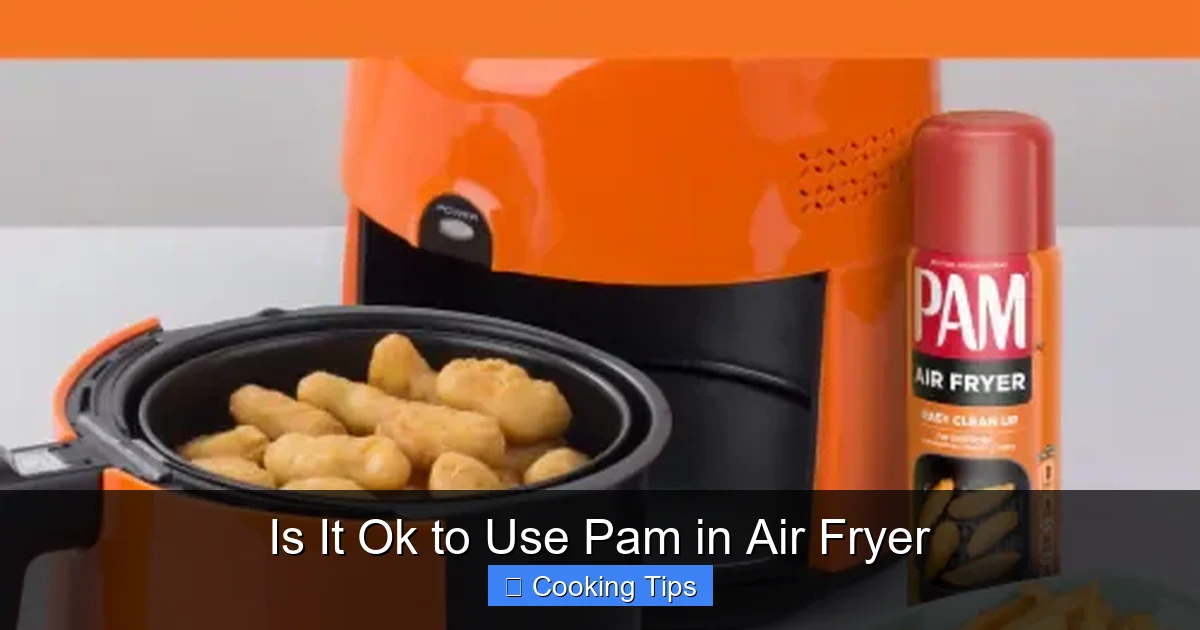
Visual guide about Is It Ok to Use Pam in Air Fryer
Image source: kroger.com
1. Oil Mister Bottles (Reusable Spray Bottles)
This is arguably the best alternative. You can buy reusable oil mister bottles online or at kitchen supply stores. Fill them with your preferred cooking oil – olive oil, avocado oil, canola oil, etc.
How to Use an Oil Mister:
- Choose Your Oil: Select an oil with a high smoke point for best results, like avocado oil or grapeseed oil.
- Fill the Bottle: Carefully pour your oil into the mister bottle. Don’t overfill.
- Prime the Pump: Some misters require you to pump the top a few times to build pressure before spraying.
- Spray Evenly: Hold the bottle a few inches away from your food or the air fryer basket and spray in a sweeping motion. This provides a light, even coating.
- Clean Regularly: Wash the bottle periodically with warm, soapy water to prevent oil rancidity.
This method gives you control over the type and amount of oil used, ensuring you’re not introducing unwanted additives. It’s also more economical in the long run.
2. Brushing Oil Directly
For many recipes, especially those where you want to ensure every nook and cranny is coated, a simple pastry brush or silicone brush is your best friend. This method offers the most direct control.
How to Brush Oil:
- Prepare Your Food: Place your food items on a plate or cutting board.
- Dip and Brush: Dip your brush into your chosen cooking oil and gently brush it onto all surfaces of the food.
- Place in Air Fryer: Once coated, carefully place the food into the air fryer basket.
This is particularly useful for foods like bone-in chicken thighs or vegetables where you want to ensure an even distribution of oil for browning and crisping.
3. Using a Small Amount of Oil in the Basket
For certain foods, you might only need a very small amount of oil to prevent sticking. You can add a teaspoon or two of oil directly into the air fryer basket and swirl it around before adding your food. This is a less common method but can work for some items.
4. Relying on the Food’s Natural Fats
Many foods, like bacon or fatty cuts of meat, release their own oils during the cooking process. For these items, you might not need any added oil at all. Cooking things like bacon, brats, or certain steaks might not require any extra lubrication, especially in an air fryer which circulates drippings.
Tips for Using Oil in Your Air Fryer Safely
Regardless of whether you choose an oil mister or brushing, keeping these tips in mind will help you use oil effectively and safely in your air fryer:
- Use the Right Oil: Opt for oils with a high smoke point, such as avocado, grapeseed, canola, or sunflower oil. Extra virgin olive oil can be used, but it has a lower smoke point and can smoke up your kitchen more easily.
- Don’t Overdo It: Air fryers are designed to use minimal oil. Too much oil can lead to smoking and make your food greasy rather than crispy. A light, even coating is all you need.
- Avoid Spraying Directly onto a Hot Basket: As mentioned, spraying aerosol cans directly onto a hot surface can be a fire hazard and is detrimental to the non-stick coating.
- Clean After Every Use: This is non-negotiable. Remove the basket and tray and wash them with warm, soapy water immediately after cooking. Ensure they are completely dry before reassembling.
- Deep Clean Periodically: Every few weeks or months, depending on usage, perform a deeper clean. You might need a specialized air fryer cleaner or a good degreaser to tackle any stubborn build-up.
Troubleshooting Common Air Fryer Oil Issues
Even with the best intentions, you might run into a few common issues. Here’s how to tackle them:
My Air Fryer is Smoking!
This is often caused by oil or food particles burning off the heating element or the bottom of the basket. If you’ve been using oil sprays, the residue is a likely culprit. If you’ve been using liquid oil, you might have used too much, or food bits have accumulated.
- Solution: Let the air fryer cool down completely. Remove the basket and tray and clean them thoroughly. Check the heating element area (if accessible and safe to do so) for any debris and clean it gently with a damp cloth. Ensure you’re using high smoke point oils and not too much oil.
My Food is Sticking to the Basket
This is a classic sign of a damaged non-stick coating, often caused by the build-up from aerosol sprays or improper cleaning. It can also happen if you haven’t used enough oil for particularly sticky foods.
- Solution: Try using an oil mister or brushing oil on your food more diligently. If the sticking persists, it might be time to consider replacing the basket if it’s removable, or the air fryer itself if the coating is severely compromised. Ensure you’re not using metal utensils in the basket, as these can scratch the coating.
My Air Fryer Basket Looks Dirty and Sticky, Even After Washing
This indicates a stubborn residue that isn’t coming off with regular soap and water. It’s likely polymerized oil and additives from cooking sprays.
- Solution: Try a baking soda paste (baking soda mixed with a little water to form a thick paste). Apply it to the sticky areas, let it sit for 15-30 minutes, then gently scrub with a non-abrasive sponge. Rinse thoroughly and dry. For very stubborn build-up, you might need to consult your air fryer’s manual for specific cleaning recommendations.
Conclusion
So, to answer the question directly: is it okay to use Pam in an air fryer? The short answer is: use it with extreme caution and sparingly, or better yet, avoid it altogether. While an occasional, light spray on your food might not cause immediate disaster, the long-term effects of aerosol cooking sprays on your air fryer’s non-stick coating and heating elements are generally negative. The propellants and additives can build up, leading to residue, smoking, and degradation of the non-stick surface.
For the best results, longevity of your appliance, and healthier cooking, embrace the alternatives. Investing in an oil mister bottle or using a simple pastry brush are excellent ways to ensure your food is coated evenly without the risks associated with aerosol sprays. By making this simple switch, you’ll protect your air fryer, ensure your meals are perfectly crispy, and enjoy peace of mind knowing you’re using the best practices for your kitchen gadget. Happy air frying!