
Wondering if you need to preheat your air fryer? The answer is often yes! Preheating ensures your food cooks evenly and achieves that desirable crispy texture. While not strictly necessary for every single item, taking a few minutes to let your air fryer reach the set temperature can significantly improve your cooking results, leading to perfectly cooked meals every time.
Is It Necessary to Preheat an Air Fryer?
You’ve just invested in a fantastic air fryer, eager to whip up healthier, crispier versions of your favorite foods. You’re scrolling through recipes, and you see it everywhere: “Preheat your air fryer.” This begs the question: Is it *really* necessary to preheat an air fryer? Does it make that much of a difference?
Many of us are used to tossing food directly into appliances and letting them do their thing. But when it comes to air fryers, that extra step of preheating can be a game-changer. In this guide, we’ll dive deep into why preheating your air fryer is often a good idea, when you might be able to skip it, and how to do it correctly for the best possible results. Get ready to elevate your air frying game!
Key Takeaways
- Preheating is Generally Recommended: For most recipes, preheating your air fryer is a crucial step that leads to better cooking results, including crispier food and more even cooking.
- Achieves Optimal Crispiness: Preheating brings the air fryer basket and the surrounding air to the correct temperature before the food is added, promoting immediate searing and crisping.
- Ensures Even Cooking: Starting with a hot air fryer helps food cook through at a consistent rate, preventing the outside from burning while the inside remains undercooked.
- Mimics Oven Functionality: Many air fryer recipes are adapted from oven recipes, and just as an oven needs preheating, so does an air fryer for similar results.
- Time Savings in the Long Run: While it adds a few minutes upfront, preheating can prevent you from having to cook food for longer or re-cook items that didn’t turn out right.
- Not Always Mandatory: Some simpler items or foods that release a lot of their own fat might not require preheating, but it’s still beneficial for many.
- Consult Your Recipe: Always check your specific air fryer recipe for preheating instructions, as some may have unique recommendations based on the dish.
Understanding How an Air Fryer Works
Before we talk about preheating, let’s quickly touch upon how an air fryer works. Think of it as a miniature convection oven. It uses a heating element, usually at the top, and a powerful fan to circulate hot air rapidly around your food. This high-speed circulation is what creates that signature crispy texture, mimicking the effect of deep-frying without all the oil. The goal is to get that hot air surrounding every piece of food for optimal browning and crisping.
Why Preheating Matters: The Science Behind the Crisp
So, why all the fuss about preheating? It boils down to achieving that perfect texture and ensuring your food cooks evenly and efficiently. Here’s a breakdown:
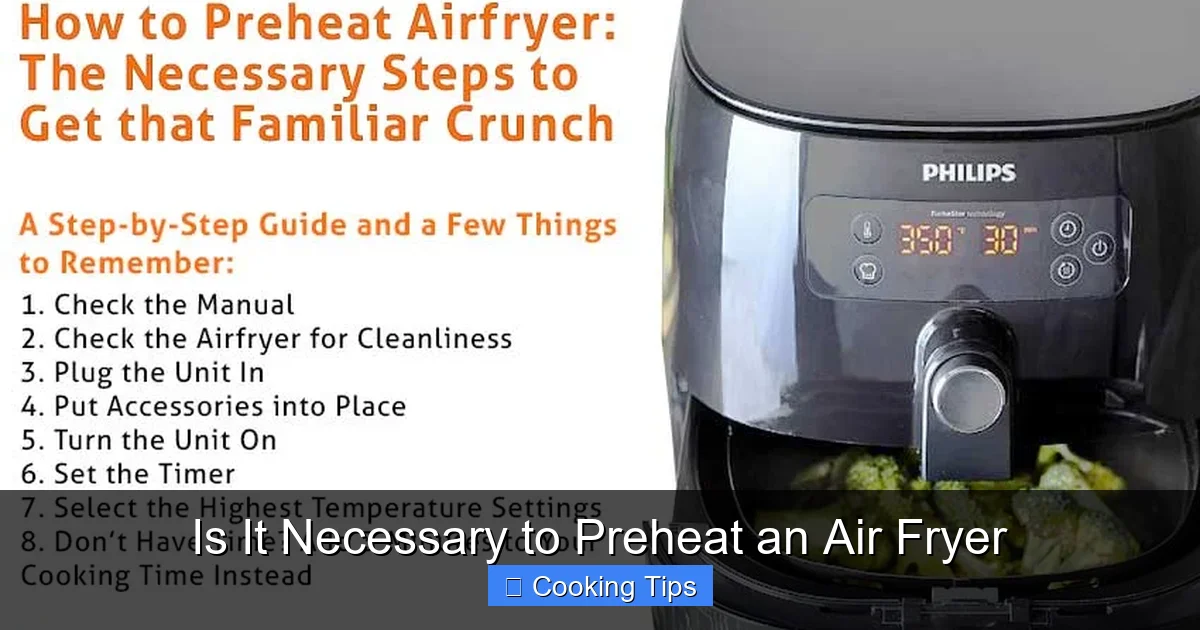
Visual guide about Is It Necessary to Preheat an Air Fryer
Image source: fryerhouse.com
Achieving the Perfect Crisp
When you place food into a cold air fryer, it takes time for the appliance to heat up. During this initial heating phase, your food is essentially steaming before it starts to crisp. By preheating, you ensure that the moment your food hits the basket, it’s met with intense, circulating hot air. This immediate blast of heat promotes rapid browning and the Maillard reaction – the chemical process that gives food its delicious browned flavor and crispy exterior.
Imagine trying to toast bread in a cold toaster. It wouldn’t get toasty, would it? It would just get warm. The same principle applies to your air fryer. For foods where crispiness is key, like French fries, chicken wings, or even Tyson chicken nuggets, preheating is essential.
Ensuring Even Cooking
A cold air fryer means an inconsistent temperature. When you add food to a not-yet-hot basket, the side of the food closer to the heating element might start to cook faster, while the other side lags behind. This can result in some parts of your food being perfectly cooked and crispy, while others might be pale, soggy, or even undercooked. Preheating ensures that the entire cooking chamber is at the desired temperature from the start, leading to more uniform cooking throughout your dish.
Mimicking Oven Functionality
Many air fryer recipes are adapted from traditional oven recipes. Just as you wouldn’t expect optimal results by putting a cake or a roast into a cold oven, you shouldn’t expect them from a cold air fryer. Ovens rely on stable, high temperatures for baking and roasting. Air fryers, being a form of convection oven, also benefit greatly from reaching their target temperature before the cooking process truly begins. For example, if you’re trying to cook something like a roast in the air fryer, starting with a preheated environment is key to achieving a nicely browned exterior and a perfectly cooked interior.
Efficiency and Time Management
While it might seem like an extra step that adds time, preheating can actually save you time in the long run. If your food isn’t cooked properly the first time because you skipped preheating, you might have to cook it for longer or even start over. Preheating helps ensure that your food cooks in the time specified by the recipe, leading to a more predictable and efficient cooking experience.
When is Preheating Actually Necessary?
While preheating is a best practice for many air fryer recipes, it’s not always an absolute must. Here are some scenarios where you might consider skipping it, or where it’s less critical:
Visual guide about Is It Necessary to Preheat an Air Fryer
Image source: i.pinimg.com
Simple Items or Those That Release Fat
For certain foods, especially those that are already coated in oil or fat, preheating might be less crucial. For instance, cooking bacon might not strictly require preheating. The fat from the bacon itself will render and create a cooking medium. However, even with bacon, a preheated basket can lead to crispier results faster. Similarly, some frozen appetizers that are already designed to get crispy might turn out acceptably without preheating, though preheating will likely improve their texture.
Consider something like cooking bacon or certain types of sausages where they release a good amount of their own fat during cooking. The rendered fat helps to cook and crisp the food.
When a Recipe Doesn’t Specify
Always consult your recipe! If a specific recipe does not mention preheating, it might be designed to be cooked from a cold start, or the difference might be negligible for that particular dish. However, for most recipes that aim for a crispy finish, preheating is generally implied or explicitly stated.
Cooking Very Delicate Items
For extremely delicate items that could easily overcook or break apart, sometimes a slightly gentler start might be preferred. However, this is rare for air fryer cooking, which typically favors higher heat.
How to Preheat Your Air Fryer: A Step-by-Step Guide
Preheating your air fryer is a simple process, but doing it correctly ensures you get the most out of it. Here’s how:
Visual guide about Is It Necessary to Preheat an Air Fryer
Image source: airfryerbro.com
Step 1: Consult Your Recipe
The first and most important step is to check your recipe. Most recipes will specify a temperature and a preheating time. If it says “preheat to 400°F (200°C) for 3 minutes,” follow those instructions. If it doesn’t specify, a general rule of thumb is to preheat for 3-5 minutes at the cooking temperature.
Step 2: Set the Temperature and Time
Turn on your air fryer and set it to the temperature required for your recipe. If your air fryer has a specific preheat function, you can use that. If not, simply set the cooking temperature and a timer for the recommended preheating duration (usually 3-5 minutes).
H3: Understanding Your Air Fryer’s Controls
Most air fryers have digital or analog controls. For digital models, you’ll typically press a “Preheat” button or simply set the desired temperature and then a timer. For analog models, you’ll turn the temperature dial to the correct setting and the timer dial to your preheating duration.
Step 3: Let the Air Fryer Heat Up
Allow the air fryer to run for the specified preheating time. You’ll notice the fan starting to circulate air, and the interior will begin to heat up. Some air fryers have an indicator light or a beep to let you know when they’ve reached the set temperature.
Step 4: Add Your Food
Once the preheating time is up, the air fryer is ready. Carefully open the basket or tray and add your food in a single layer, if possible, ensuring there’s space for air to circulate around each piece. This is where the magic happens – your food hits a hot environment and begins to crisp up immediately!
H3: Important Considerations During Preheating
- Do Not Overheat: While preheating is good, leaving your air fryer on for an excessively long time after it’s reached temperature isn’t usually necessary and could potentially stress the appliance. Follow recipe guidelines or stick to the 3-5 minute window.
- Avoid Preheating Empty for Too Long: Most manufacturers recommend preheating for a limited time. Extended preheating without food can lead to unnecessary wear and tear on the heating element.
- Safety First: Always be mindful of the hot surfaces. Use oven mitts or a heat-resistant spatula when opening the basket and adding food.
What if My Air Fryer Doesn’t Have a Preheat Setting?
Don’t worry if your air fryer model doesn’t have a dedicated “preheat” button or setting. As mentioned above, you can simply set your desired cooking temperature and run the air fryer for 3-5 minutes before adding your food. The circulating hot air will do the job.
Some advanced models might even have smart technology that alerts you when the preheating is complete. If yours doesn’t, listen for the fan and feel for the heat radiating from the unit. It’s a good practice to become familiar with your specific appliance and how it operates. Understanding how to operate an air fryer, including its preheating capabilities, is key to mastering its use.
Tips for Optimal Air Frying Results
Beyond preheating, a few other tips can ensure your air-fried creations are always a hit:
- Don’t Overcrowd the Basket: This is crucial! Food needs space for the hot air to circulate effectively. Overcrowding leads to steaming rather than crisping, and uneven cooking. You might need to cook in batches. This is especially important for things like boneless chicken wings or vegetables.
- Single Layer is Best: Arrange your food in a single layer for maximum crispiness and even cooking.
- Shake or Flip Midway: For most foods, shaking the basket or flipping the food halfway through the cooking time ensures all sides get evenly browned and crispy. This is a good habit to get into, regardless of whether you preheated.
- Use a Little Oil (Sometimes): While air fryers use less oil, a light mist or toss of oil on foods like vegetables, potatoes, or even some proteins can enhance crispiness and flavor.
- Experiment with Recipes: Don’t be afraid to try different foods! From pot pies to steaks, the air fryer is versatile.
Troubleshooting Common Air Fryer Issues
Even with preheating, you might encounter a few hiccups. Here are some common issues and how to solve them:
- Food is Soggy: This is often due to overcrowding the basket or not preheating sufficiently. Ensure food is in a single layer and the air fryer was hot before adding it.
- Food is Burnt on the Outside, Undercooked Inside: This can happen if the temperature is too high for too long, or if the preheating wasn’t consistent. Try reducing the temperature slightly and adding a minute or two to the cooking time, ensuring you preheated properly.
- Uneven Cooking: Make sure to shake the basket or flip your food halfway through. Also, ensure your air fryer is placed on a stable, level surface.
Conclusion: To Preheat or Not to Preheat?
So, to answer the big question: Is it necessary to preheat an air fryer? For the best results – achieving that signature crispiness, ensuring even cooking, and getting the most efficient cooking times – yes, preheating your air fryer is highly recommended for most recipes.
While you might get away with skipping it for certain simple items, you’ll likely be sacrificing texture and consistency. Taking those extra 3-5 minutes to get your air fryer to the correct temperature is a small step that makes a significant difference in the quality of your air-fried food. So, embrace the preheat and enjoy perfectly crispy, delicious meals every time!