
Wondering if your air fryer is a healthy kitchen companion? This guide dives deep into the health aspects of air frying. We’ll explore how it works, its nutritional advantages, potential drawbacks, and offer practical tips to maximize its health benefits. Unlock the secrets to healthier, delicious meals with your air fryer!
# Is It Healthy Air Fryer? Your Complete Guide
The air fryer has taken kitchens by storm, promising crispy, delicious food with less guilt. But as you enjoy those golden fries and perfectly cooked chicken wings, a question might pop into your mind: “Is it healthy to use an air fryer?” The answer, like many things in the kitchen, is nuanced. It’s not just about the appliance itself, but how you use it.
This guide will unpack everything you need to know about the health aspects of air frying. We’ll explore how this popular kitchen gadget works, its potential health benefits, any concerns you should be aware of, and most importantly, how to make your air fryer work for your health goals. Get ready to become an air fryer health expert!
Key Takeaways
- Healthier Cooking Method: Air fryers use hot air circulation to cook food, significantly reducing the need for oil compared to traditional deep frying, leading to lower fat and calorie content.
- Nutrient Preservation: The quick cooking time and lack of submersion in oil can help preserve more of the natural nutrients in foods.
- Potential Downsides: While generally healthy, overcooking or using processed foods can still negate benefits. Acrylamide formation is a potential concern with starchy foods cooked at high temperatures.
- Optimizing Health Benefits: Use minimal oil, focus on whole foods, and avoid overcrowding the basket for best results.
- Versatility: Air fryers can cook a wide variety of foods, from vegetables and meats to even some baked goods, offering a healthier alternative across many recipes.
- Balanced Approach: Air frying is a tool for healthier eating, not a magic bullet. It’s best when combined with a balanced diet and mindful cooking practices.
Understanding How Air Fryers Work
Before we dive into the health benefits, let’s quickly touch on what makes an air fryer tick. It’s not actually frying! An air fryer is essentially a compact, high-powered convection oven. It works by circulating extremely hot air around your food at high speed. This rapid air movement creates a crispy, “fried” texture without submerging the food in oil.
Think of it like a mini-tornado of heat happening inside the basket. This intense heat cooks the food quickly and evenly, giving it that satisfying crunch. Because the primary cooking medium is hot air, the need for oil is drastically reduced, which is where the health advantages begin.
The Health Advantages of Using an Air Fryer
Visual guide about Is It Healthy Air Fryer
Image source: img.buzzfeed.com
When used correctly, an air fryer can be a fantastic tool for healthier eating. Here are the key benefits:
1. Significantly Reduced Fat and Calories
This is the big one. Traditional deep frying involves immersing food in a large amount of hot oil. This oil gets absorbed into the food, dramatically increasing its fat and calorie content. An air fryer requires only a small amount of oil, or sometimes none at all, to achieve a similar crispy result.
* Less Oil Absorption: By using hot air, the food’s surface browns and crisps up, but it doesn’t soak up excess grease like it would in a deep fryer.
* Lower Calorie Count: With less fat absorbed, your air-fried meals will naturally have fewer calories. This can be a game-changer for those managing their weight or looking to reduce their fat intake. For example, homemade french fries made in an air fryer can have up to 75% less fat than their deep-fried counterparts.
2. Nutrient Preservation
The way food is cooked can impact its nutritional value. Air frying’s speed and the fact that it doesn’t involve prolonged submersion in hot liquid can help preserve more of the vitamins and minerals in your food.
* Faster Cooking Times: Shorter cooking times mean less nutrient degradation. Some water-soluble vitamins, like Vitamin C and some B vitamins, can be lost when foods are boiled or fried for extended periods. Air frying’s efficiency minimizes this loss.
* Less Exposure to Heat: While all cooking involves heat, the targeted and rapid nature of air frying can be gentler on certain nutrients compared to slower, high-heat methods.
3. Reduced Formation of Harmful Compounds
One of the most significant health concerns with traditional frying, especially with starchy foods, is the formation of acrylamide. Acrylamide is a chemical that can form when starchy foods are cooked at high temperatures. Research suggests acrylamide may be a potential carcinogen.
* Lower Acrylamide Levels: Studies have shown that air-fried foods, like french fries and potato chips, tend to have lower levels of acrylamide compared to their deep-fried versions. This is likely due to the reduced oil content and potentially different chemical reactions occurring with less fat present.
* Healthier Alternative for Snacks: This makes air frying a potentially safer way to enjoy traditionally fried snacks like potatoes.
4. Encourages Consumption of Healthier Foods
Because air fryers make it easy to achieve a crispy texture with healthier ingredients, they can encourage people to incorporate more vegetables and leaner proteins into their diet.
* Crispy Vegetables: Vegetables like broccoli, Brussels sprouts, and sweet potato fries can become delightfully crispy in an air fryer, making them more appealing to picky eaters or those who find steamed or boiled vegetables bland. You might find yourself reaching for recipes to cook an artichoke in an air fryer more often!
* Lean Proteins: Foods like chicken breast or fish can be cooked to perfection, retaining moisture while getting a nice exterior. Learning how to cook bone-in chicken breast in an air fryer, for instance, can yield a juicy and flavorful result with minimal added fat.
Potential Concerns and How to Address Them
Visual guide about Is It Healthy Air Fryer
Image source: i.pinimg.com
While air fryers offer many health benefits, it’s important to be aware of potential downsides and how to mitigate them.
1. Acrylamide Formation (Still a Possibility)
As mentioned, air frying can reduce acrylamide formation, but it doesn’t eliminate it entirely, especially with starchy foods like potatoes.
* **How to Minimize:**
* Don’t Overcook: Avoid cooking starchy foods to a dark brown or black color. Aim for a golden-brown finish.
* Soak Potatoes: If making fries from scratch, soaking cut potatoes in water for 15-30 minutes before air frying can help remove sugars that contribute to acrylamide.
* Moderate Intake: Even with reduced levels, it’s wise to consume foods prone to acrylamide formation in moderation.
2. Using Processed Foods
The convenience of an air fryer can sometimes lead to relying on pre-packaged, highly processed foods that are already high in sodium, unhealthy fats, and preservatives.
* **How to Minimize:**
* Prioritize Whole Foods: Use your air fryer primarily for cooking raw vegetables, lean meats, fish, and homemade items.
* Read Labels: If you do opt for frozen or pre-made items, check the nutrition labels carefully.
* Make Your Own: Instead of buying frozen onion rings, try making your own at home using fresh onions and a light coating. Similarly, you can learn how to cook a pot pie in an air fryer using a healthier, homemade filling.
3. Over-reliance and Portion Control
The appealing crispiness of air-fried food can sometimes lead to overeating. Just because it’s cooked with less oil doesn’t mean you can eat unlimited amounts, especially if the base food is calorie-dense.
* **How to Minimize:**
* Mindful Eating: Pay attention to your hunger and fullness cues.
* Portion Awareness: Even healthy foods need to be consumed in appropriate portions. Serve your air-fried meals with plenty of fresh vegetables or salads.
* Balance Your Plate: Ensure your meals are balanced with lean protein, complex carbohydrates, and healthy fats.
Tips for Maximizing Health Benefits with Your Air Fryer

Visual guide about Is It Healthy Air Fryer
Image source: foodfornet.com
Ready to make your air fryer a cornerstone of healthy cooking? Follow these practical tips:
1. Use Oil Wisely
While the goal is minimal oil, a little bit can go a long way in enhancing flavor and texture.
* **Spray Oil is Your Friend:** Invest in a good quality oil sprayer. This allows you to lightly mist your food with your preferred oil (olive, avocado, coconut, etc.).
* **Toss Lightly:** For items like vegetables or wings, toss them in a bowl with a tablespoon or two of oil and seasonings before placing them in the air fryer.
* **Choose Healthy Oils:** Opt for oils with a high smoke point and beneficial fats, such as olive oil, avocado oil, or grapeseed oil.
2. Don’t Overcrowd the Basket
This is crucial for achieving crispy results and ensuring even cooking. When the basket is too full, the hot air can’t circulate properly.
* **Single Layer Cooking:** Aim for a single layer of food in the basket. If you’re cooking for a family, you might need to cook in batches.
* **Shake or Flip Midway:** For smaller items or those that cook quickly, give the basket a shake or flip the food halfway through the cooking time to ensure all sides get crispy. This is especially important when you are learning how to cook a crab cake in the air fryer or how to cook a beef patty in an air fryer.
3. Focus on Whole, Unprocessed Foods
The air fryer shines when used with fresh ingredients.
* **Vegetables Galore:** Roast broccoli, cauliflower, bell peppers, zucchini, and sweet potato wedges. They become incredibly delicious and satisfying. You might even discover a love for air fryer kale recipes.
* **Lean Proteins:** Cook chicken breasts, fish fillets, lean cuts of pork, and even eggs! Learning how to cook a egg in a air fryer can be a quick and healthy breakfast option.
* **Homemade is Best:** Make your own chicken tenders, fish sticks, or even breaded pork tenderloin instead of buying pre-made versions.
4. Season Thoughtfully
Healthy cooking doesn’t mean bland food.
* **Herbs and Spices:** Experiment with a wide array of dried and fresh herbs and spices to add flavor without extra calories or sodium.
* **Citrus Zest and Juice:** Lemon zest, lime juice, and orange zest can brighten flavors beautifully.
* **Low-Sodium Options:** If using store-bought seasoning blends, look for low-sodium versions or make your own.
5. Experiment with Healthier Breading and Coatings
For that classic “fried” feel, you can use healthier coating options.
* **Whole Wheat Breadcrumbs:** A great substitute for refined white breadcrumbs.
* **Oat Flour or Almond Flour:** Can provide a nice, crispy coating for meats and vegetables.
* **Ground Nuts or Seeds:** Offer a healthy fat and crunchy texture.
* **Nutritional Yeast:** Adds a cheesy, umami flavor without the dairy.
6. Clean Your Air Fryer Regularly
A clean appliance functions better and is more hygienic. Food residue can burn and affect the taste of your food, and buildup can potentially harbor bacteria.
* Daily Wipe-Down: Wipe down the basket and interior after each use once it has cooled.
* Deep Clean: Periodically, give it a more thorough cleaning, following the manufacturer’s instructions.
Common Air Fryer Foods and Their Health Implications
Let’s look at some popular air fryer foods and their health standing:
* French Fries: Healthier than deep-fried, but still a carb-heavy starch. Portion control and soaking potatoes are key.
* Chicken Wings: Significantly healthier than deep-fried versions. However, be mindful of high-calorie sauces. Opt for lighter marinades or dry rubs.
* Vegetables: A fantastic way to eat more veggies! Broccoli, Brussels sprouts, asparagus, and sweet potato fries are all great options.
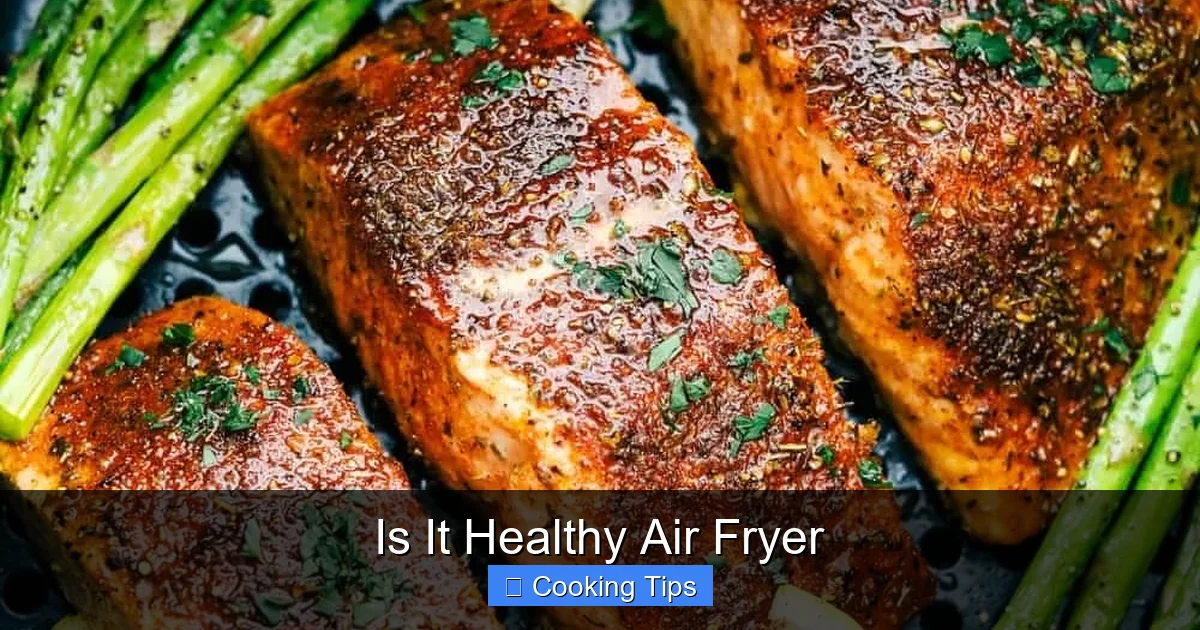
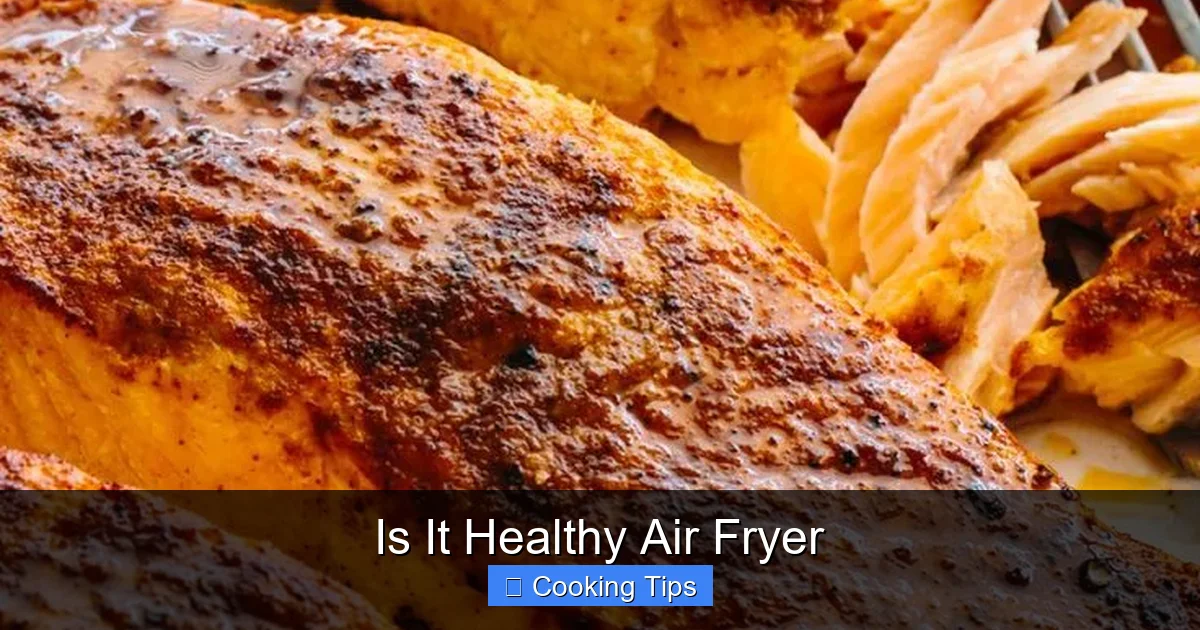
* Fish: Excellent! Air frying salmon or white fish is a healthy and quick way to prepare them. You can learn how to cook air fryer salmon easily.
* Bacon: Air frying bacon results in less grease pooling compared to pan-frying. You can find specific guides on how to cook bacon in my Ninja air fryer or how to cook bacon in an Instant Pot air fryer.
* Burgers: A leaner option than deep-fried patties. Learning how to cook a frozen burger in the air fryer or a beyond burger in air fryer offers convenience with potentially less fat.
* Desserts/Baked Goods: While possible, these are generally not the healthiest use of an air fryer unless you’re using reduced-sugar, whole-grain recipes. Learning how to cook a cake in the air fryer can be fun, but moderation is key.
Conclusion: Air Fryer – A Healthy Tool When Used Mindfully
So, “Is it healthy air fryer?” The answer is a resounding **yes, when used correctly and mindfully.** An air fryer is a powerful tool that can significantly contribute to a healthier diet by reducing fat and calories, preserving nutrients, and potentially lowering exposure to harmful compounds.
It’s not about demonizing traditional cooking methods entirely, but about offering a healthier alternative for those crispy, comforting foods we all love. By focusing on whole ingredients, using oil sparingly, avoiding overcrowding, and practicing portion control, you can unlock the full health potential of your air fryer.
Embrace the versatility of this appliance, experiment with new recipes, and enjoy delicious, guilt-free meals. Your air fryer is not just a gadget; it’s a step towards a healthier you.