
Glass air fryer accessories are generally safe when used correctly. This guide explores the safety of glass bowls, dishes, and inserts in your air fryer, emphasizing proper usage, cleaning, and material considerations. Learn how to make the most of your glass cookware for healthier, crispier food.
Are you curious about using glass in your air fryer? It’s a common question for many home cooks venturing into this popular kitchen appliance. Air fryers offer a fantastic way to achieve crispy, delicious food with less oil, and the desire to use versatile cookware like glass is understandable. But the big question remains: **is glass air fryer safe?**
The short answer is yes, but with important caveats. Not all glass is created equal, and improper use can lead to damage or even hazards. This comprehensive guide will demystify the safety of using glass in your air fryer. We’ll cover what types of glass are suitable, how to use them safely, essential care tips, and what to do if something goes wrong. By the end, you’ll feel confident in your decision to incorporate glass cookware into your air frying adventures.
Key Takeaways
- Glass is a safe material for air fryer accessories when it is tempered and heat-resistant, designed specifically for high-temperature cooking.
- Always check for the ‘oven-safe’ or ‘dishwasher-safe’ labels on your glass cookware to ensure it can withstand air fryer temperatures.
- Avoid sudden temperature changes, like placing a hot glass dish on a cold surface, to prevent thermal shock and potential breakage.
- Ensure proper airflow by not overcrowding the air fryer basket or covering the entire glass dish with food.
- Regularly inspect glass accessories for cracks or chips before each use to prevent breakage.
- Follow the manufacturer’s guidelines for both your air fryer and your glass cookware for optimal safety and performance.
Understanding Air Fryer Safety and Glass Cookware
Air fryers work by circulating hot air at high speeds around your food. This process can reach temperatures of up to 400°F (200°C) or even higher. Therefore, any cookware placed inside must be able to withstand these intense conditions. This is where the type of glass becomes crucial.
What Makes Glass Safe for Air Fryers?
The key to safe glass use in an air fryer lies in its composition and how it’s manufactured.
- Tempered Glass: This is the most important factor. Tempered glass, also known as toughened glass, undergoes a special heat treatment process that makes it significantly stronger and more resistant to heat than regular glass. If it does break, it shatters into small, dull pieces, reducing the risk of serious injury. Many common kitchen glass items, like baking dishes and bowls, are made from tempered glass.
- Heat Resistance: Glass designed for oven use is generally a good indicator that it can handle air fryer temperatures. Look for labels that explicitly state “oven-safe” or “heat-resistant.”
- Thermal Shock Resistance: While tempered glass is more resistant to temperature changes than regular glass, it’s not entirely immune to thermal shock. This occurs when glass is subjected to rapid and extreme temperature fluctuations, which can cause it to crack or shatter.
What Types of Glass Should You Avoid?
It’s essential to know what to keep out of your air fryer to maintain safety.
- Regular Glassware: Standard drinking glasses, decorative glass items, or even regular window glass are not designed to withstand high temperatures. They can crack, shatter, or even melt, posing a significant safety risk.
- Glass with Metal or Plastic Components: If your glass cookware has any metal handles, plastic rims, or decorative elements that are not specified as heat-safe, it’s best to avoid using it in the air fryer. These components could melt, warp, or even catch fire.
- Glass That Isn’t Labeled as Oven-Safe: When in doubt, err on the side of caution. If there’s no clear indication that a glass item is safe for high-heat cooking, don’t use it in your air fryer.
How to Safely Use Glass Cookware in Your Air Fryer
Visual guide about Is Glass Air Fryer Safe
Image source: images-na.ssl-images-amazon.com
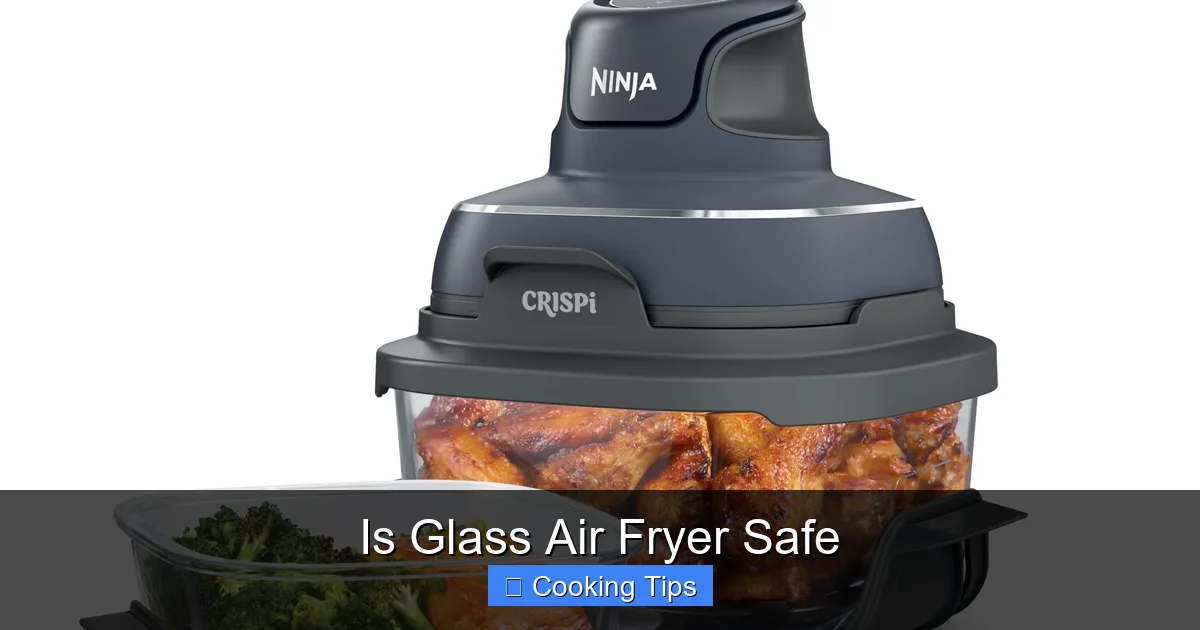
Now that you understand the basics of glass safety, let’s get into the practical steps for using your glass accessories.
Step 1: Choose the Right Glassware
The first step is selecting the appropriate glass items.
Selecting Oven-Safe Glass Dishes and Bowls
- Size Matters: Ensure the glass dish or bowl fits comfortably inside your air fryer basket. There should be enough space around the edges for hot air to circulate freely. Don’t cram it in!
- Depth and Shape: Consider the type of food you’re cooking. A shallow glass dish might be great for reheating, while a deeper bowl could be useful for cooking smaller portions of casseroles or stews.
- Check for Cracks or Chips: Before placing any glass item in the air fryer, give it a thorough inspection. Any existing damage, however small, can be exacerbated by heat and lead to breakage.
Using Glass Lids and Covers
- If your glass cookware comes with a lid, ensure the lid is also oven-safe.
- Some lids have a steam vent, which is beneficial for air frying to allow moisture to escape.
- Avoid using plastic lids or covers unless they are specifically rated for high-heat use.
Step 2: Prepare Your Food and Glassware
Proper preparation minimizes risks and ensures delicious results.
Preheating Considerations
- If your recipe calls for preheating the air fryer, it’s generally okay to preheat it with an empty, oven-safe glass dish inside. However, always refer to your air fryer and glassware manuals.
- Avoid preheating a cold glass dish to an extremely high temperature suddenly.
Adding Food
- Place your food inside the glass dish or bowl.
- Crucially, do not overcrowd the glass dish. Leave some space for air to circulate around the food for even cooking and crisping.
Step 3: Place Glassware in the Air Fryer
This is where careful handling is paramount.
Inserting the Glass Dish
- Gently place the glass dish into the air fryer basket. Avoid dropping it, as this can cause damage.
- Ensure the dish is sitting flat and is stable.
Ensuring Proper Airflow
- This is non-negotiable for air frying. The hot air needs to reach all surfaces of your food.
- If your glass dish has a lid, ensure it’s not sealed tightly if it’s not designed for that. A slightly ajar lid or a vented lid is often best.
- Never cover the entire air fryer basket with a glass dish that doesn’t allow air to pass through. This defeats the purpose of air frying and can cause your appliance to overheat.
Step 4: Cooking with Glassware
Follow these guidelines for a smooth cooking process.
Setting Temperature and Time
- Use the recommended temperature and time for your recipe.
- Be aware that glass cookware might retain heat longer than the air fryer basket alone, potentially continuing to cook food slightly after the timer goes off.
Checking Food
- When checking your food, use oven mitts or heat-resistant gloves to carefully remove the basket and then the glass dish.
- Avoid opening the air fryer door for extended periods, as this releases hot air and can affect cooking times.
Step 5: Removing and Cooling Glassware
Safety doesn’t end when cooking is done.
Handling Hot Glass
- Always use oven mitts or heat-resistant gloves when handling hot glass cookware.
- Place hot glass dishes on a heat-resistant surface, such as a trivet or a cooling rack. Never place hot glass directly onto a countertop, especially a cold one.
Cooling Down
- Allow the glass dish to cool down completely before washing it. This helps prevent thermal shock.
Care and Maintenance for Glass Air Fryer Accessories
Visual guide about Is Glass Air Fryer Safe
Image source: m.media-amazon.com
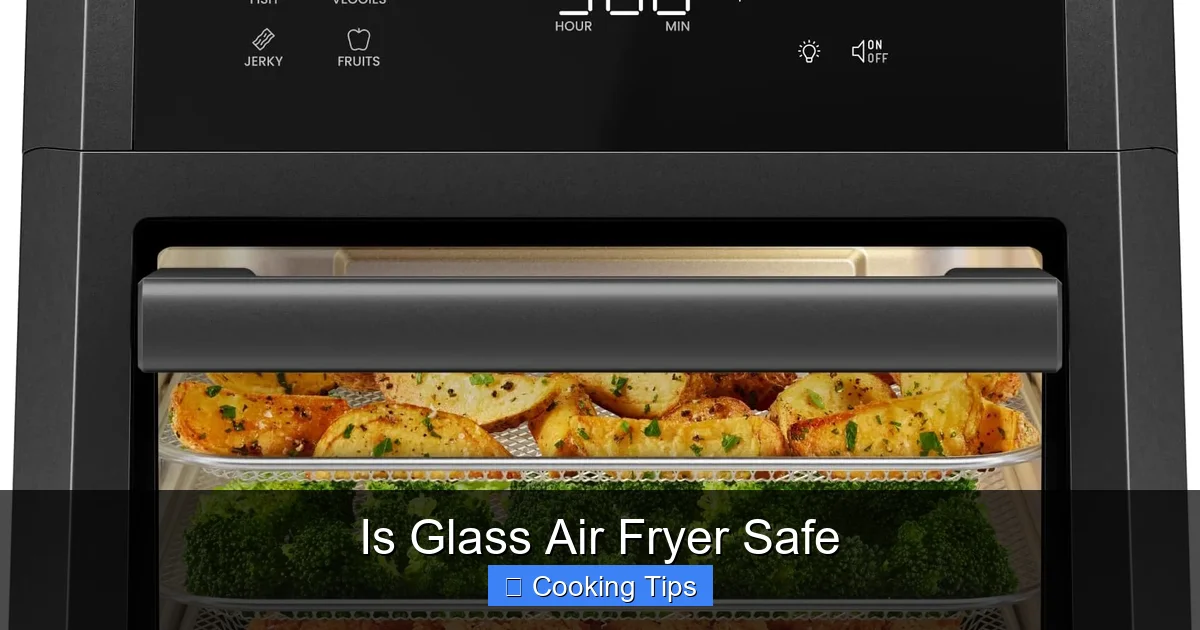
Proper care will extend the life of your glass cookware and ensure its continued safety.
Cleaning Your Glass Cookware
Cleaning is straightforward but requires attention to detail.
Hand Washing vs. Dishwasher
- Many oven-safe glass dishes are also dishwasher-safe. Check the manufacturer’s instructions.
- If hand washing, use mild dish soap and a non-abrasive sponge or cloth.
- Avoid using steel wool or harsh abrasive cleaners, as they can scratch the glass.
Removing Stubborn Food Residue
- For baked-on food, soak the glass dish in warm, soapy water.
- You can also create a paste of baking soda and water, apply it to the residue, let it sit for a while, and then gently scrub.
- Some people find success using a glass cooktop cleaner for tough spots, but always test in an inconspicuous area first.
Inspecting for Damage
Regular checks are vital.
- Before every use, carefully inspect your glass cookware for any signs of damage, such as:
- Cracks (even hairline cracks)
- Chips
- Deep scratches
- Cloudiness or discoloration
- If you find any damage, it’s best to discard the item. Damaged glass is weakened and more likely to break under heat.
Troubleshooting Common Issues with Glass in Air Fryers
Visual guide about Is Glass Air Fryer Safe
Image source: techadvisor.com
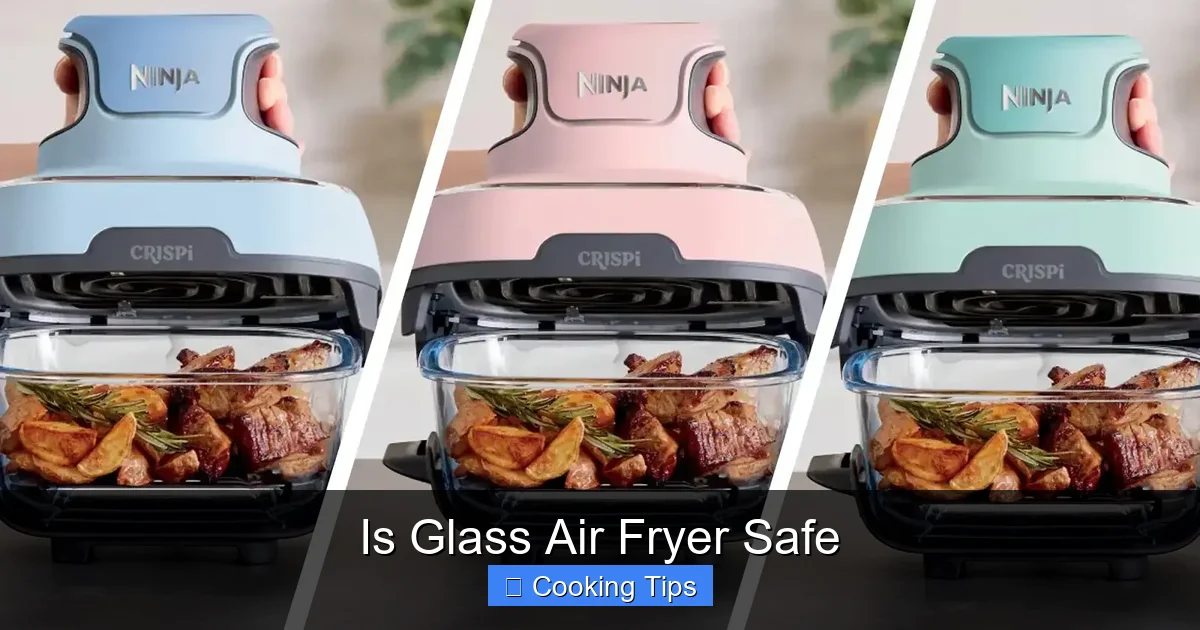
Even with the best precautions, you might encounter a hiccup. Here’s how to handle them.
Problem: Glass Dish Cracked or Broke
This is the most serious issue.
- Immediate Action: If the glass breaks while in the air fryer, turn off and unplug the air fryer immediately. Do not attempt to remove the broken glass while the appliance is hot or powered on.
- Cool Down: Let the air fryer cool down completely.
- Safe Removal: Once cool, carefully remove all visible glass shards. Use a vacuum cleaner with a hose attachment for tiny pieces and wear protective gloves and eyewear.
- Inspect Air Fryer: Check the air fryer’s interior for any remaining glass fragments.
- Contact Manufacturer: Report the incident to both the manufacturer of the glass cookware and your air fryer.
- Prevention: Review the steps above to understand what might have led to the breakage (e.g., thermal shock, pre-existing damage).
Problem: Food Sticking to the Glass
While less dangerous, it’s frustrating.
- Not Enough Oil/Fat: You might not have used enough oil or fat to coat the food or the glass dish.
- Dish Not Preheated Properly: If the dish wasn’t preheated, or if it was too cold when food was added, sticking can occur.
- Overcrowding: Food pressed too tightly can stick.
- Solution: Ensure adequate oil coating for your food and the dish. Preheating the dish (if appropriate for the recipe) can help. If sticking occurs, try to deglaze the pan with a little liquid after cooking, or soak the dish to loosen the residue.
Problem: Uneven Cooking
This is often related to airflow.
- Blocked Airflow: The glass dish might be too large for the basket, or the food might be piled too high, preventing hot air from circulating.
- Solution: Ensure there’s at least an inch of space around the glass dish and that food isn’t stacked too high within it. If using a lid, make sure it allows for ventilation.
When in Doubt, Choose Other Air Fryer-Safe Materials
While glass can be a great option, sometimes it’s easier and safer to stick with materials specifically designed for air fryers.
- Silicone Bakeware: Silicone molds and pans are flexible, non-stick, and generally very safe for air fryers. They come in various shapes and sizes.
- Metal Pans: Small oven-safe metal pans, like mini cake pans or tart pans, can also be used, provided they fit and allow for airflow.
- Air Fryer Liners: Perforated parchment paper or reusable silicone liners designed for air fryers are excellent for preventing sticking and making cleanup easier.
For example, when looking to cook something like a pot pie, while you *could* use a small oven-safe glass dish, a dedicated silicone pie dish or even a well-lined air fryer basket might offer a more foolproof experience. Similarly, for delicate items like crab cakes, a perfectly seasoned metal pan or a silicone mold might be preferable to avoid breakage concerns. Remember, the goal is delicious food and a safe kitchen!
Conclusion: Glass is Great, But Use It Wisely
So, **is glass air fryer safe?** Yes, when you choose the right kind of glass and use it with care and respect for its properties. Tempered, oven-safe glass is your friend in the air fryer. By understanding the importance of heat resistance, avoiding thermal shock, ensuring proper airflow, and inspecting your cookware regularly, you can confidently use your glass dishes to create a wide variety of delicious and healthy meals.
Remember the golden rule: **when in doubt, don’t use it.** Prioritize safety above all else. With the right knowledge and a bit of caution, your glass cookware can become a valuable asset in your air frying kitchen, opening up a world of new culinary possibilities. Happy air frying!