
Deep frying and air frying both create crispy food, but they do it very differently. Deep frying submerges food in hot oil, resulting in intense crispiness and rich flavor. Air frying, on the other hand, uses a fraction of the oil and hot circulating air for a healthier, crispier alternative. Understanding these distinctions helps you choose the best method for your culinary goals.
Is Deep Fry the Same as Air Fryer? Unveiling the Differences and Similarities
The quest for crispy, delicious food often leads us down two popular paths: the classic deep fryer and the modern air fryer. Both promise that satisfying crunch, but are they truly interchangeable? Many home cooks wonder, “Is deep fry the same as air fryer?” The short answer is no, they are not the same, but they can often achieve similar results. This guide will dive deep into the fascinating world of both cooking methods, explaining how each works, their unique benefits, their drawbacks, and when you might choose one over the other. Get ready to understand these kitchen powerhouses like never before!
Key Takeaways
- Deep frying cooks food by submerging it in hot oil, creating a crispy exterior and moist interior. This method is known for its rich flavor and traditional crispiness.
- Air frying uses superheated, rapidly circulating air to cook food, mimicking the crisping effect of deep frying with significantly less oil. It’s essentially a powerful convection oven.
- The primary difference lies in the medium of cooking: hot oil for deep frying versus hot air for air frying.
- Health considerations favor air frying, as it uses 70-80% less fat than traditional deep frying, making it a healthier option for many foods.
- Taste and texture can differ: deep-fried foods often have a richer, more decadent flavor and a distinct greasier crisp, while air-fried foods are crisp but can be drier and may lack the same depth of flavor.
- Cooking speed and capacity vary: deep fryers can often cook larger batches at once, while air fryers are typically smaller and may require cooking in multiple batches for larger quantities.
- Ease of cleanup is a significant advantage for air fryers, as there’s no large vat of used oil to dispose of.
Understanding the Core Mechanisms
Before we compare, let’s get a clear picture of how each appliance operates. Understanding their fundamental principles will illuminate why they produce different, yet sometimes comparable, outcomes.
How Deep Frying Works
Deep frying is a cooking technique where food is completely submerged in hot cooking oil. The high temperature of the oil (typically between 350°F and 375°F or 175°C and 190°C) rapidly cooks the food from all sides. This intense heat causes the water within the food to turn into steam, pushing outwards and creating a crispy, golden-brown crust. The oil also imparts a unique flavor and richness to the food.
Key aspects of deep frying:
- Medium: Hot cooking oil.
- Heat Transfer: Direct contact with hot oil.
- Result: Evenly crispy, often richer and more decadent texture due to oil absorption.
How Air Frying Works
An air fryer is essentially a compact, high-powered convection oven. It works by circulating extremely hot air around the food at a very high speed. This rapid air movement mimics the effect of deep frying by creating a crispy exterior. Most air fryers use a heating element at the top and a fan that blows hot air down and around the food in a perforated basket or on a rack. While it doesn’t fully submerge food in oil, a light coating of oil is often recommended to enhance crispiness and browning.
Key aspects of air frying:
- Medium: Superheated, rapidly circulating air.
- Heat Transfer: Convection (hot air movement).
- Result: Crispy exterior, often achieved with significantly less oil, leading to a lighter, less greasy finish.
Key Differences: Oil vs. Air
The most significant distinction between deep frying and air frying lies in the cooking medium. This fundamental difference impacts everything from flavor and texture to health implications and cleanup.
Visual guide about Is Deep Fry the Same as Air Fryer
Image source: cookingfrog.com
The Role of Oil
In deep frying, oil is not just a cooking medium; it’s an integral part of the flavor and texture profile. The oil heats the food rapidly, sears the surface, and is absorbed into the food, contributing to its rich taste and characteristic crispiness. This oil absorption is what gives deep-fried foods their indulgent quality.
Air fryers, conversely, use oil sparingly, if at all. A light mist or a tablespoon of oil is often enough to help achieve browning and crispness. The primary crisping agent is the hot, circulating air. This means the food absorbs far less fat, making air frying a healthier alternative for many fried favorites.
Texture and Flavor Profile
This difference in oil usage leads to distinct textural and flavor outcomes.
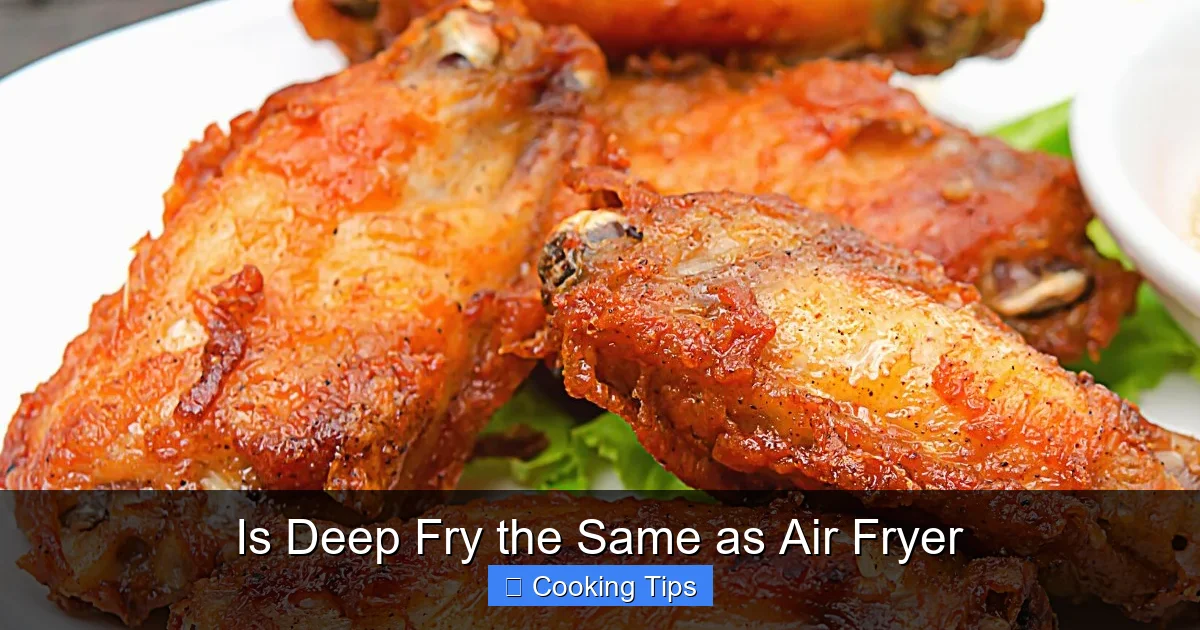
- Deep Fried: Foods cooked in a deep fryer tend to have a uniformly crispy, sometimes slightly chewy exterior. The flavor is often described as richer and more decadent due to the oil infusion. Think of that classic crunch of fried chicken or french fries.
- Air Fried: Air-fried foods achieve a good crisp, often comparable to deep-fried versions, but the texture can be lighter and less greasy. The flavor is cleaner, allowing the natural taste of the food to come through more prominently, sometimes with a slightly drier finish. For instance, while air fryer waffle fries can be excellent, they might not have the same exact richness as their deep-fried counterparts.
Health Implications
When it comes to health, air frying generally takes the crown. Deep frying inherently involves submerging food in a large quantity of oil, which is absorbed by the food, significantly increasing its calorie and fat content. Studies suggest that air frying can reduce the fat content of foods by 70-80% compared to deep frying, without sacrificing significant crispiness.
This makes air fryers an attractive option for those looking to enjoy crispy foods more healthily. Whether you’re cooking boneless chicken wings or crab cakes, air frying offers a guilt-free way to achieve that desirable crunch.
Comparing Cooking Performance
Beyond the fundamental differences, how do these appliances perform in practice? Let’s look at cooking speed, capacity, and versatility.
Visual guide about Is Deep Fry the Same as Air Fryer
Image source: keeshaskitchen.com
Cooking Speed
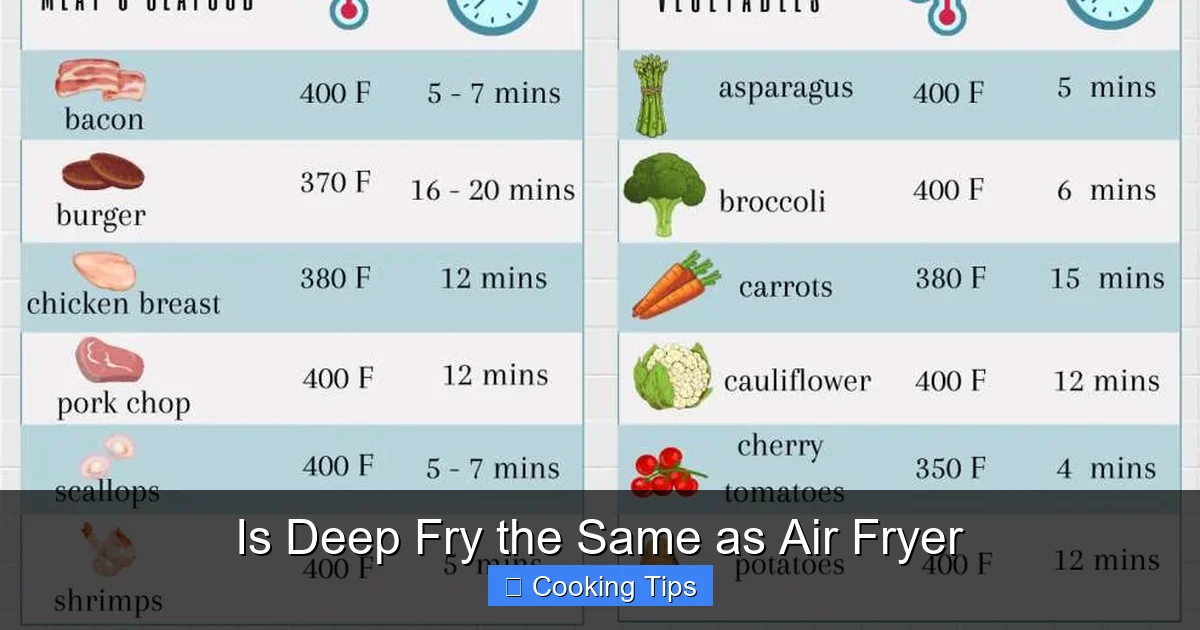
Both deep fryers and air fryers cook food relatively quickly due to high temperatures and efficient heat transfer. However, the specific cooking time can vary depending on the food item, the size of the pieces, and the appliance’s power.
- Deep Frying: Food cooks very rapidly due to direct contact with hot oil. Items like fries or chicken pieces can be done in just a few minutes.
- Air Frying: Air fryers also cook quickly, often comparable to or slightly slower than deep frying, depending on the appliance and the food. The time it takes for the air to circulate and crisp the food can sometimes add a minute or two compared to deep frying.
Batch Size and Capacity
This is a significant practical difference for many households.
- Deep Frying: Many deep fryers have a larger capacity and can cook a substantial amount of food at once, making them suitable for feeding a crowd.
- Air Frying: Most air fryers have smaller baskets or racks, meaning you might need to cook in multiple batches if you’re preparing food for a large group. This can be a drawback for entertaining. However, some larger air fryers or air fryer ovens are available.
Versatility in the Kitchen
While both methods excel at making things crispy, their versatility differs.
- Deep Frying: Primarily excels at frying foods that benefit from complete immersion in oil, like french fries, doughnuts, and certain types of fritters.
- Air Frying: Is incredibly versatile. Beyond “frying,” it can roast vegetables, bake small items like cakes or muffins, reheat leftovers to their original crispiness, and even cook whole items like a Cornish hen or a small roast. You can even make quesadillas or hot dogs. The rapid air circulation is excellent for browning and crisping a wide range of ingredients.
Ease of Use and Cleanup
Let’s be honest, kitchen cleanup is a major factor in appliance choices. Here’s how deep fryers and air fryers stack up.

Visual guide about Is Deep Fry the Same as Air Fryer
Image source: i.pinimg.com
Using the Appliances
Both are generally straightforward to use. You typically set the temperature and time.
- Deep Frying: Requires careful handling of hot oil, which can be intimidating for beginners. There’s a risk of splattering and burns.
- Air Frying: Generally considered safer and easier to use. There’s no risk of hot oil splattering, and the food is contained within a basket or drawer.
The Cleanup Challenge
This is where the air fryer truly shines.
- Deep Frying: Cleanup can be a significant chore. You’re left with a large quantity of used oil that needs to be filtered, stored, or disposed of properly. The fryer itself also needs to be cleaned of oil residue.
- Air Frying: Cleanup is much simpler. The basket and any drip trays are usually dishwasher safe or can be easily wiped down. There’s no large volume of oil to deal with.
When to Choose Which Method
Now that we’ve explored the differences, when is it best to reach for your deep fryer versus your air fryer?
For the Ultimate Crispy Indulgence
If your heart desires the unparalleled richness and classic crunch of deeply fried foods, and you’re not overly concerned about fat content, then a deep fryer is your go-to. This is perfect for:
- Traditional french fries
- Doughnuts
- Fried chicken with that extra decadent crisp
- Tempura
For Healthier Crispy Favorites
If you want to enjoy the texture of fried foods with significantly less fat and fewer calories, or if you’re looking for a more versatile countertop appliance, an air fryer is an excellent choice. It’s ideal for:
- Healthier versions of fries, chicken wings, and fish
- Reheating pizza or other fried foods to restore crispiness
- Roasting vegetables
- Cooking frozen snacks quickly
- Making items like pork steaks or frozen burgers with a crispy finish.
Can You Air Fry Foods Typically Deep Fried?
Yes, often you can! Many foods that are traditionally deep-fried can be successfully prepared in an air fryer. The key is understanding that the results will be slightly different. For instance, while waffle fries can be made in an air fryer, they might not achieve the exact same level of oily crispiness as deep-fried ones. You might need to experiment with oiling the food and cooking times.
For best results when adapting deep-fried recipes to an air fryer:
- Use a little oil: A light spray or toss with oil will help achieve browning and crispiness.
- Don’t overcrowd the basket: Allow air to circulate freely around the food for even cooking.
- Shake or flip the food: This ensures all sides get exposed to the hot air.
- Adjust cooking times: Air fryer recipes often have different cooking times than deep fryer recipes.
Troubleshooting Common Air Fryer Issues
While air fryers are fantastic, sometimes things don’t go as planned. Here are a few common issues and how to fix them.
Food is not crispy enough
- Cause: Too much food in the basket, not enough oil, or insufficient cooking time/temperature.
- Solution: Cook in smaller batches, ensure food is lightly coated with oil, and increase temperature or cooking time slightly.
Food is drying out
- Cause: Overcooking or not enough fat in the food.
- Solution: Reduce cooking time, consider adding a touch more oil, or choose fattier cuts of meat.
Uneven cooking
- Cause: Food pieces are too large or packed too tightly, or the air fryer needs cleaning.
- Solution: Cut food into smaller, uniform pieces, don’t overcrowd the basket, and ensure the fan and heating elements are clean.
Conclusion
So, is deep fry the same as air fryer? No, they are distinct cooking methods with unique characteristics. Deep frying uses hot oil for intense crispiness and rich flavor, while air frying uses circulating hot air for a healthier, lighter crisp. Both have their strengths and weaknesses, offering different culinary experiences. While they can often achieve similar textural goals, the subtle differences in flavor, fat content, and cleanup make them suitable for different occasions and preferences. Understanding these differences empowers you to make informed choices in your kitchen, whether you’re craving classic indulgence or a healthier crispy treat.