
Wondering if your air fryer is safe to use? This comprehensive guide answers your questions. We’ll explore the safety features built into most air fryers, provide essential cleaning and maintenance tips to ensure optimal performance and safety, and discuss common concerns like BPA and overheating. Learn how to operate your air fryer with confidence and enjoy delicious, healthier fried foods without worry.
Is an Air Fryer Safe? Your Complete Guide to Worry-Free Crispy Cooking
Air fryers have taken kitchens by storm, promising crispy, delicious food with less oil than traditional deep frying. But as with any new kitchen appliance, a common question arises: “Is an air fryer safe?” The good news is that for the vast majority of users, air fryers are very safe. They are designed with user safety as a top priority. However, like any electrical appliance, understanding how to use and maintain it correctly is key to ensuring its safety.
This guide will dive deep into the safety aspects of air fryers. We’ll explore the built-in safety features, the importance of proper cleaning and maintenance, address common concerns about materials and potential risks, and provide practical tips for safe operation. By the end of this guide, you’ll have a clear understanding of how to use your air fryer with confidence, enjoying all its crispy benefits without any worry.
Key Takeaways
- Modern air fryers are designed with safety in mind, incorporating features like automatic shut-off and cool-touch exteriors to prevent accidents.
- Proper cleaning and maintenance are crucial for both the longevity of your appliance and preventing potential safety hazards like grease buildup.
- Most air fryers do not produce harmful chemicals during normal operation, and concerns about BPA are generally unfounded with reputable brands.
- Overheating is a rare but possible issue, usually stemming from incorrect usage or appliance malfunction, and can be prevented with mindful operation.
- Using the air fryer correctly, following manufacturer instructions, and avoiding overcrowding are key to safe and effective cooking.
Understanding Air Fryer Safety Features
Manufacturers design air fryers with several safety mechanisms to protect users. Understanding these features can give you extra peace of mind.
Automatic Shut-Off Functions
One of the most significant safety features is the automatic shut-off. Most modern air fryers are equipped with a timer. When the set cooking time is up, the appliance will automatically turn off the heating element and fan. This prevents food from overcooking and reduces the risk of a fire, especially if you happen to forget about your food for a few extra minutes. Some air fryers also have a sensor that detects if the basket is removed. If the basket is pulled out mid-cook (for shaking your food, for example), the appliance will pause its operation. It will then resume when the basket is fully reinserted, preventing accidental burns from the heating element. This pausing function is a smart design for safe operation.
Cool-Touch Exteriors
While the inside of an air fryer gets very hot, the exterior of many models is designed to stay relatively cool to the touch. This is achieved through insulation and ventilation systems. This feature is particularly important in households with children or pets, as it reduces the risk of accidental burns if someone touches the appliance while it’s in use or shortly after. Always check your specific model’s manual, as not all exteriors are completely cool-touch.
Overheat Protection
Many air fryers include an internal thermostat that monitors the temperature. If the appliance reaches an unsafe temperature, it will automatically shut off. This is a critical safety feature that prevents the unit from overheating, which could damage the appliance or pose a fire hazard.
Stable Design
Air fryers are generally designed with a stable base to prevent tipping. However, like any countertop appliance, it’s essential to place it on a flat, stable surface away from the edge to avoid accidental falls.
The Importance of Cleaning and Maintenance
Proper cleaning and maintenance are not just about keeping your air fryer looking good; they are vital for safe operation and optimal performance.
Regular Cleaning of the Basket and Pan
The most common area that requires regular cleaning is the air fryer basket and the drip pan beneath it. Food debris and grease can accumulate here.
Daily Cleaning Steps
After each use, once the air fryer has cooled down:
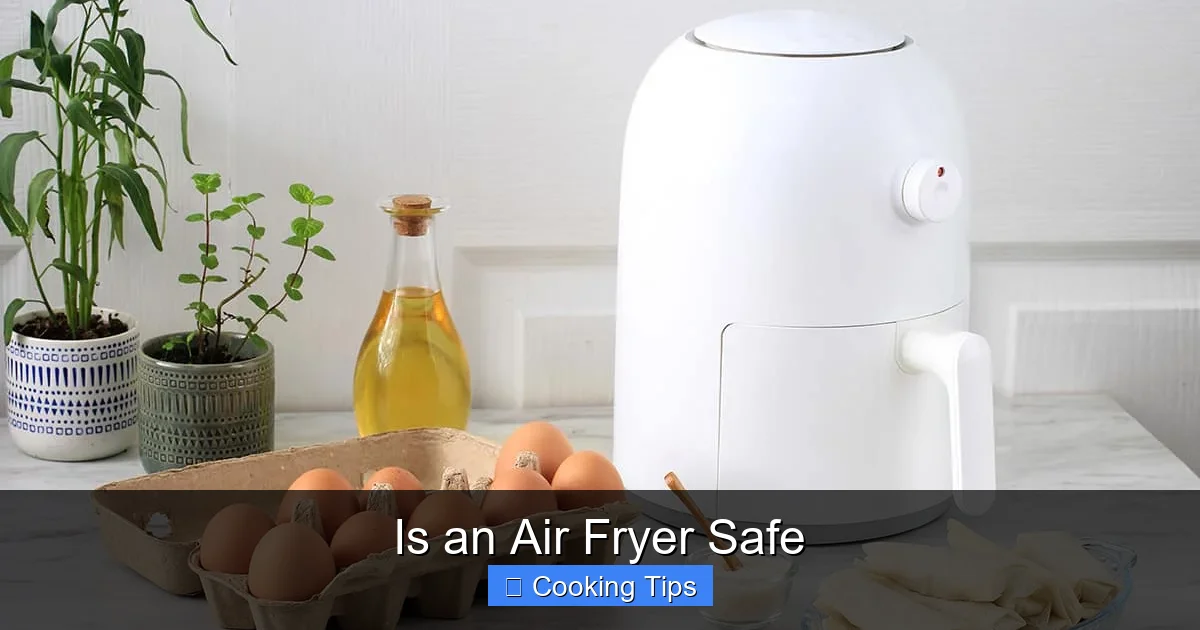
Visual guide about Is an Air Fryer Safe
Image source: howdykitchen.com
- Carefully remove the basket and drip pan.
- Wash them with warm, soapy water. Most baskets and pans are dishwasher-safe, but always check your manual.
- Use a non-abrasive sponge or cloth to avoid scratching the non-stick coating.
- Dry them thoroughly before reassembling.
Neglecting to clean these parts can lead to grease buildup. When the appliance heats up, this old grease can smoke, creating an unpleasant smell and potentially a fire hazard.
Deep Cleaning
Periodically, you may need to deep clean your air fryer. This might involve:
- Cleaning the interior walls and heating element.
- Using a soft brush or damp cloth to wipe away any stubborn residue. Be very careful around the heating element – ensure the unit is unplugged and completely cool.
- Cleaning the exterior with a damp cloth.
Checking the Power Cord and Plug
Before each use, give a quick visual inspection of the power cord and plug.
- Ensure there are no signs of fraying, cuts, or damage.
- If you notice any damage, discontinue use immediately and contact the manufacturer for a replacement part or consider replacing the appliance.
- Make sure the plug fits securely into the outlet.
Understanding the Role of Venting
Air fryers work by circulating hot air around the food. Proper ventilation is key to this process and to safety.
- Always ensure the air vents on the air fryer are not blocked.
- Do not place the air fryer directly against a wall or under low cabinets that could obstruct airflow.
- Allow adequate space around the appliance as recommended by the manufacturer. This prevents overheating of the unit and the surrounding surfaces.
Addressing Common Safety Concerns
There are a few common concerns that people have about air fryer safety. Let’s address them directly.
Are Air Fryers BPA-Free?
BPA (Bisphenol A) is an industrial chemical used in the manufacturing of certain plastics. Concerns have been raised about its potential health effects. Most reputable air fryer manufacturers use BPA-free plastics for their appliances, especially for parts that come into contact with food, like the basket and pan. Always check the product description or the manufacturer’s website if you are concerned. High-quality air fryers will specify that they are BPA-free.
Do Air Fryers Release Harmful Fumes or Chemicals?
When used correctly and kept clean, air fryers do not release harmful fumes or chemicals. The main component is hot air. The “frying” effect comes from the rapid circulation of this hot air, combined with a small amount of oil. If you notice a strong chemical smell, it could be due to the initial “new appliance” smell (which usually dissipates after the first few uses – often recommended to run it empty for a cycle or two), or more likely, it’s due to grease or food residue burning inside the appliance. This is why consistent cleaning is so important.
Is Overheating a Risk?
Overheating is a potential risk with any heating appliance, but it’s relatively rare with air fryers when used as intended.
Causes of Overheating
- Blocked Vents: As mentioned earlier, blocked air vents can prevent the appliance from dissipating heat properly, leading to overheating.
- Overcrowding the Basket: Filling the basket too full can impede air circulation, causing the appliance to work harder and potentially overheat. For best results and safe operation, cook in batches if necessary.
- Malfunction: In very rare cases, an appliance may have a manufacturing defect or a component failure that leads to overheating.
Preventing Overheating
- Follow Instructions: Always adhere to the manufacturer’s instructions for usage and cleaning.
- Ensure Proper Airflow: Make sure the vents are clear and the appliance is placed in a well-ventilated area.
- Don’t Overcrowd: Leave space between food items in the basket for air to circulate. This is also crucial for achieving crispy results, whether you’re cooking beef patties or chicken nuggets.
- Use the Correct Settings: Do not operate the air fryer for excessively long periods beyond recommended cooking times.
- Supervise Cooking: Never leave a cooking appliance unattended for extended periods.
Safe Air Frying Practices
Beyond the appliance’s features and maintenance, your cooking habits play a significant role in air fryer safety.
Preheating Your Air Fryer
Many recipes recommend preheating your air fryer. This helps ensure even cooking and crispiness, just like a conventional oven.
How to Preheat Safely:
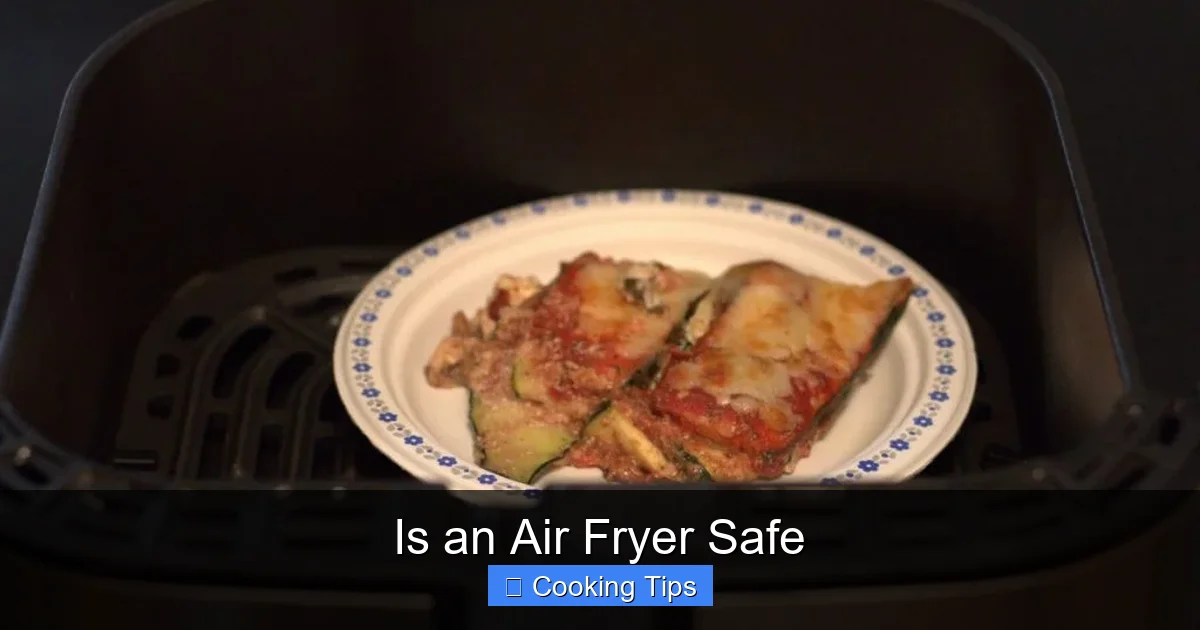
Visual guide about Is an Air Fryer Safe
Image source: easyflavorful.com
Visual guide about Is an Air Fryer Safe
Image source: wholesomeyum.com
- Set your air fryer to the desired temperature.
- Let it run for 3-5 minutes before adding food.
- Some models have a preheat indicator light.
Preheating is generally safe, but always ensure your air fryer is on a stable surface with adequate ventilation during this process.
Loading the Air Fryer Basket
Proper loading is key to both safety and cooking performance.
Best Practices for Loading:
- Don’t Overcrowd: As emphasized, this is crucial. Food should be in a single layer as much as possible, with space for hot air to circulate around each piece. This applies whether you’re making biscuits or a Cornish hen.
- Use Appropriate Accessories: If you’re using baking pans or other accessories in your air fryer, ensure they are designed for air fryer use and are the correct size. Avoid using items that could block airflow.
- Use Tongs: Use silicone-tipped tongs or other heat-resistant utensils to add and remove food. Avoid metal tongs that could scratch the non-stick coating.
Handling Hot Foods and the Basket
The basket and the food inside will be very hot. Always exercise caution.
Safety Tips:
- Use Oven Mitts or Pot Holders: Always use oven mitts or pot holders when removing the hot basket or pan.
- Be Mindful of Steam: When you open the basket, hot steam can escape. Be careful to keep your face and hands away from the steam release.
- Place on a Heat-Resistant Surface: When you remove the hot basket, place it on a heat-resistant mat or trivet to protect your countertops.
Shaking and Flipping Food
Many air fryer recipes require shaking the basket or flipping food midway through cooking for even browning.
How to Do It Safely:
- Use the Pause Function: If your air fryer has a pause function that activates when the basket is removed, this is the safest way. It stops the heating element and fan automatically.
- Be Quick: If your model doesn’t have a pause function, be swift. Remove the basket, give it a shake or flip the food, and reinsert it promptly.
- Avoid Touching Hot Surfaces: Be mindful of the hot interior surfaces and the heating element.
Using the Right Amount of Oil
While air fryers use less oil, some recipes still call for a small amount.
Oil Safety:
- Avoid Aerosol Sprays: Many manufacturers advise against using aerosol cooking sprays (like Pam). The propellants in these sprays can damage the non-stick coating over time.
- Use High Smoke Point Oils: Opt for oils with a high smoke point, such as avocado oil, grapeseed oil, or canola oil, especially for higher temperature cooking.
Troubleshooting Common Air Fryer Issues Related to Safety
While air fryers are generally safe, you might encounter minor issues. Here’s how to handle them safely.
Smoke Coming from the Air Fryer
A little bit of smoke can be normal, especially with fattier foods, but excessive smoke is a concern.
Troubleshooting:
- Check for Grease Buildup: The most common cause is accumulated grease and food particles burning. Clean the basket, pan, and interior thoroughly.
- Overcrowding: If you’ve overfilled the basket, grease might drip onto the heating element. Ensure proper spacing.
- Food Type: Very fatty foods can produce more smoke. You might need to drain excess fat or cook in smaller batches.
- If Smoke Persists: Unplug the air fryer immediately and contact customer support if the issue continues after thorough cleaning and proper usage.
Unusual Noises
A whirring sound from the fan is normal. However, grinding or loud clanking sounds might indicate a problem.
Troubleshooting:
- Ensure Basket is Secure: Make sure the basket is fully inserted and locked in place.
- Check for Obstructions: Sometimes a small piece of food can get caught. Unplug and inspect.
- Contact Support: If the noise is persistent or concerning, it’s best to unplug the unit and contact the manufacturer.
Conclusion: Enjoy Your Air Fryer Safely!
So, is an air fryer safe? Absolutely! When you purchase a reputable brand, maintain it diligently, and operate it according to the manufacturer’s instructions, your air fryer is a safe and efficient kitchen tool. The advanced safety features, coupled with your own careful usage, minimize any potential risks.
Remember, the key to safe air frying lies in consistent cleaning, ensuring proper ventilation, avoiding overcrowding, and treating the appliance with the respect any heating device deserves. By following the guidelines in this comprehensive guide, you can confidently harness the power of your air fryer to create delicious, crispy meals for yourself and your loved ones, knowing that you’re doing so safely. Happy air frying!