Air fryers are generally very safe kitchen appliances when used correctly. They are designed with safety features and their cooking method, which circulates hot air, is inherently safe. This guide will walk you through how to ensure your air fryer is safe to use, covering everything from initial setup to ongoing maintenance. Learn about potential concerns and how to mitigate them, so you can enjoy healthier, crispier food with peace of mind.
Is Air Fryers Safe
Welcome to your ultimate guide on air fryer safety! You’ve probably heard all the buzz about these magical kitchen gadgets that promise crispy, delicious food with less oil. But as with any new appliance, questions about safety can arise. Are air fryers truly safe to use in your home? The short answer is a resounding YES, but like any kitchen tool, understanding how to use them correctly is key to ensuring their safe and effective operation.
In this comprehensive guide, we’ll dive deep into what makes air fryers safe, explore any potential concerns, and provide you with clear, step-by-step instructions on how to use your air fryer responsibly. We’ll cover everything from the materials they’re made from to best practices for everyday use and maintenance. By the end of this article, you’ll feel confident and informed about your air fryer.
Key Takeaways
- Safe Design and Materials: Most air fryers are constructed with food-grade, BPA-free plastics and non-stick coatings, ensuring no harmful chemicals leach into your food. Look for reputable brands with safety certifications.
- Proper Usage Prevents Burns: The primary safety concern is heat. Always use oven mitts when handling the basket or removing it, and ensure the appliance is on a stable, heat-resistant surface.
- Electrical Safety is Crucial: Like any electrical appliance, air fryers need proper care. Avoid submerging them in water and always unplug them when not in use or before cleaning.
- Ventilation is Key: Ensure good airflow around the air fryer. Blocking vents can cause overheating and potential hazards.
- Cleaning Maintains Safety: Regular cleaning prevents food buildup, which can become a fire hazard or affect the appliance’s performance and safety.
- BPA-Free is Important: While most modern air fryers use BPA-free materials, it’s a good point to verify, especially with older or less-known brands.
- Avoid Overcrowding: Overfilling the air fryer basket can lead to uneven cooking and strain the appliance, impacting its safe operation.
Understanding How Air Fryers Work Safely
Before we address specific safety concerns, it’s helpful to understand the basic principles of how an air fryer operates. An air fryer is essentially a compact, high-powered convection oven. It works by circulating extremely hot air at high speed around your food. This rapid air circulation mimics the results of deep-frying, creating that desirable crispy texture without submerging food in oil.
The heating element is usually located at the top of the appliance, and a fan blows the hot air downwards and around the food in the basket. This process is efficient and, when done correctly, very safe. The enclosed nature of the basket and the appliance itself helps contain the heat, making it generally safer than, say, traditional deep-frying on a stovetop.
What Are Air Fryers Made Of? Safety of Materials
One of the first things people often wonder about is what their air fryer is made of and if those materials are safe for cooking. Modern air fryers are typically constructed with safety and durability in mind.
Food-Grade Plastics and Metals
The outer casing of most air fryers is made from heat-resistant, food-grade plastics. The inner basket and tray are usually made from stainless steel or aluminum, often coated with a non-stick material. Reputable manufacturers will clearly state if their products are BPA-free and PFOA-free, which are chemicals you generally want to avoid in cookware.
Non-Stick Coatings: Are They Safe?
Many air fryer baskets feature a non-stick coating, most commonly PTFE (polytetrafluoroethylene), which is also known by brands like Teflon. When used according to manufacturer instructions, these coatings are generally considered safe. The main concerns arise if the coating is overheated to extremely high temperatures (well beyond typical cooking temperatures) or if the coating becomes scratched or damaged.
Tip: Always follow the recommended cooking temperatures for your air fryer. Avoid using metal utensils that can scratch the non-stick surface. If the coating appears significantly damaged, it might be time to consider a replacement basket or a new air fryer.
BPA-Free Assurance
Bisphenol A (BPA) is a chemical found in some plastics that has raised health concerns. Most manufacturers of kitchen appliances, including air fryers, have moved towards using BPA-free plastics in their products. It’s always a good idea to check the product specifications or packaging for confirmation that the appliance is BPA-free.
Common Safety Concerns and How to Address Them
While air fryers are designed to be safe, like any electrical appliance that uses heat, there are potential risks if they are not used or maintained properly. Let’s look at the most common concerns and how to mitigate them.
Concern 1: Burns and Heat Exposure
Air fryers operate at high temperatures, so the risk of burns is the most immediate safety concern.
How to Prevent Burns
- Use Oven Mitts: Always use oven mitts or heat-resistant gloves when removing the air fryer basket or drawer. The handle can also get hot.
- Stable Surface: Place your air fryer on a stable, flat, and heat-resistant surface like a countertop. Avoid placing it on soft surfaces like towels or cloths that could catch fire or melt.
- Keep Away from Children: Ensure children cannot reach the air fryer, especially when it’s in use or has just finished cooking.
- Allow Cooling: Let the appliance cool down completely before cleaning or storing it.
Concern 2: Electrical Safety
As an electrical appliance, proper handling is crucial to prevent electrical hazards.
Ensuring Electrical Safety
- Water and Air Fryers Don’t Mix: Never immerse the main unit of the air fryer, cord, or plug in water or any other liquid. This can cause electric shock.
- Inspect the Cord: Regularly check the power cord and plug for any signs of damage. If the cord is frayed or damaged, stop using the air fryer immediately and contact the manufacturer.
- Unplug When Not in Use: Always unplug the air fryer from the electrical outlet when it is not in use, especially before cleaning.
- Avoid Extension Cords (If Possible): While sometimes necessary, it’s best to plug the air fryer directly into a wall outlet. If you must use an extension cord, ensure it is rated for the appliance’s wattage and is in good condition.
Concern 3: Fire Hazards
The combination of hot air and cooking food, especially fatty foods, can potentially lead to a fire if not managed correctly.
Preventing Fire Risks
- Clean Regularly: Food debris and grease buildup can ignite. Clean your air fryer basket, tray, and the interior of the appliance regularly as per the manufacturer’s instructions.
- Don’t Overcrowd: Overfilling the basket can cause food to come into contact with the heating element or prevent proper air circulation, leading to overheating and smoke. Ensure food has enough space.
- Watch Fatty Foods: When cooking very fatty foods, such as bacon or some cuts of meat, be aware that grease can drip and potentially smoke or ignite. Some models have a drip tray to help with this. Consider placing a slice of bread at the bottom of the basket to catch excess grease when cooking particularly fatty items.
- Proper Ventilation: Ensure the air fryer has adequate space around it for ventilation. Do not block the air vents on the appliance.
- Supervise Cooking: Never leave a cooking air fryer unattended, especially when cooking foods prone to smoking or igniting.
Concern 4: Overheating and Ventilation
Proper airflow is essential for an air fryer to function efficiently and safely.
Maintaining Proper Ventilation
- Clearance is Key: Always ensure there is sufficient space around the air fryer for air to circulate freely. The manufacturer will usually specify the recommended clearance (e.g., 4-6 inches) on all sides.
- Don’t Block Vents: The air fryer has vents to release heat and allow air circulation. Never block these vents with anything.
- Surface Matters: As mentioned earlier, place it on a heat-resistant, stable surface that won’t trap heat.
Step-by-Step Guide to Safe Air Fryer Usage
Using your air fryer safely is straightforward when you follow a few simple steps.
Step 1: Initial Setup and Placement
Getting Started Safely
- Read the Manual: Before the very first use, thoroughly read your air fryer’s instruction manual. It contains specific safety warnings and operating instructions for your model.
- Find the Right Spot: Place the air fryer on a stable, heat-resistant surface away from flammable materials like curtains or paper towels. Ensure there’s adequate space around it for ventilation.
- Initial Clean: Most manufacturers recommend cleaning the basket and tray before the first use. Follow your manual’s instructions for this.
- First Run (Optional but Recommended): Some people recommend running the air fryer empty for a few minutes on a medium heat setting before cooking food for the first time. This can help burn off any manufacturing residues and eliminate any initial plastic smell. Ensure the room is well-ventilated during this process.
Step 2: Preparing Your Food
Food Prep for Safety and Success
- Don’t Overfill: This is crucial for both safety and cooking results. Food should be in a single layer as much as possible, with space between pieces for air to circulate. Overcrowding can lead to uneven cooking, smoke, and potential overheating. For example, if you’re cooking a batch of fries or chicken wings, you might need to cook them in multiple batches.
- Dry Your Food: For crispier results and to minimize splattering and potential smoking, pat your food dry with paper towels, especially meats and vegetables.
- Use the Right Amount of Oil: While air fryers use less oil, a light coating of oil (1-2 teaspoons) often helps achieve the best crispiness. Use an oil mister or toss food with oil in a bowl. Avoid using spray oils that can sometimes contain propellants that damage non-stick coatings over time.
- Consider Using Parchment Liners: Perforated parchment liners specifically designed for air fryers can make cleanup easier and catch drips. Ensure they are securely in place and don’t block airflow. Never use regular parchment paper that isn’t perforated, as it can accumulate oil and become a fire hazard if it touches the heating element.
Step 3: Cooking Your Food
Safe Cooking Practices
- Set the Correct Temperature and Time: Refer to your recipe or the air fryer’s manual for recommended settings. Start with recommended times and adjust as needed.
- Shake or Flip Food: For even cooking and crispiness, most recipes will call for shaking the basket or flipping the food halfway through the cooking time. Do this carefully, using oven mitts.
- Monitor for Smoke: If you see excessive smoke, turn off the air fryer immediately. This usually indicates that either the appliance needs cleaning, or you’re cooking something too fatty without proper precautions.
- Be Mindful of Splatter: When opening the basket to shake or check food, be aware of hot air and potential oil splatter.
Step 4: Removing Food and Serving
Safe Serving Practices
- Use Oven Mitts: Always use oven mitts to pull out the basket or drawer.
- Careful Removal: Gently remove the basket from the air fryer. If you are transferring food directly to a plate, use tongs or a spatula.
- Place on a Heat-Resistant Surface: Set the hot basket on a heat-resistant mat or trivet, not directly on your countertop.
Step 5: Cleaning and Maintenance
Keeping Your Air Fryer Safe and Clean
- Unplug First: Always unplug the air fryer and allow it to cool completely before cleaning.
- Clean Basket and Tray: Wash the basket and tray with warm, soapy water and a soft sponge. Most air fryer baskets and trays are dishwasher safe, but check your manual. Avoid abrasive cleaners or scouring pads that can damage the non-stick coating.
- Wipe Down Interior and Exterior: Use a damp cloth to wipe down the inside and outside of the air fryer. For stubborn residue inside the heating element area, you can sometimes use a soft brush or a slightly damp cloth wrapped around a stick (ensure it’s completely dry before next use).
- Never Immerse the Main Unit: Again, never submerge the main appliance body in water.
- Regular Deep Cleaning: Periodically, you might need to perform a more thorough cleaning. Some people run the air fryer with a bit of water and vinegar for a few minutes to loosen residue, then wipe clean. Always ensure it’s completely dry before the next use.
Troubleshooting Common Safety-Related Issues
Even with careful use, you might encounter minor issues. Here’s how to troubleshoot them safely.
Issue: Excessive Smoke
Troubleshooting Smoke
Cause: Food debris, grease buildup, or cooking a very fatty food item without precautions.

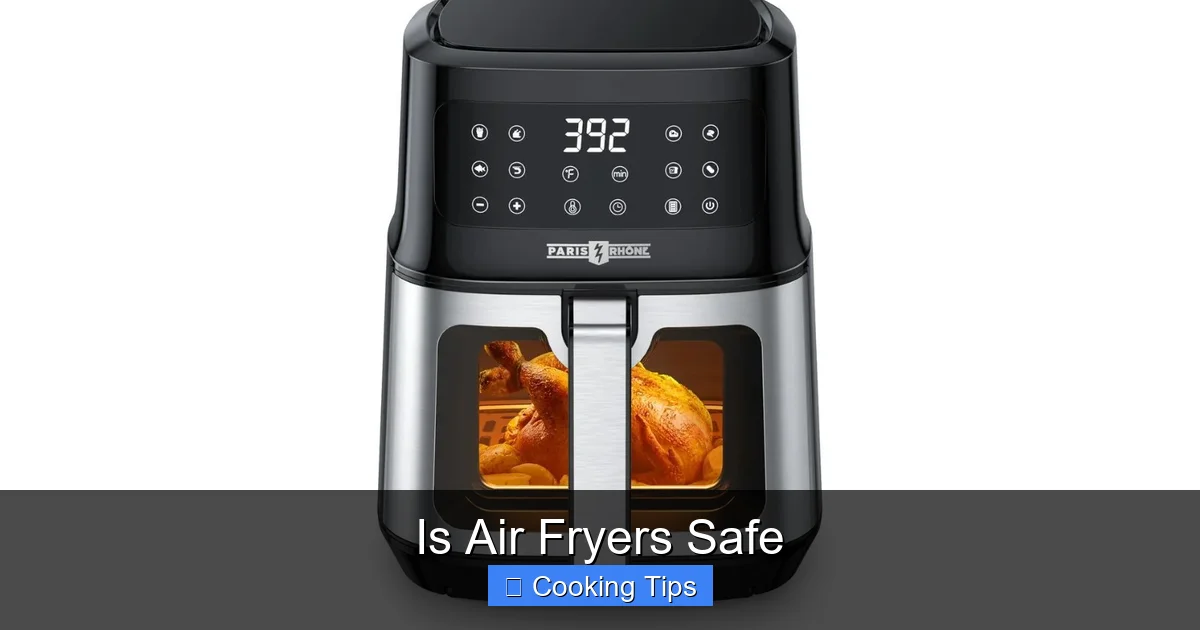
Visual guide about Is Air Fryers Safe
Image source: i.ytimg.com
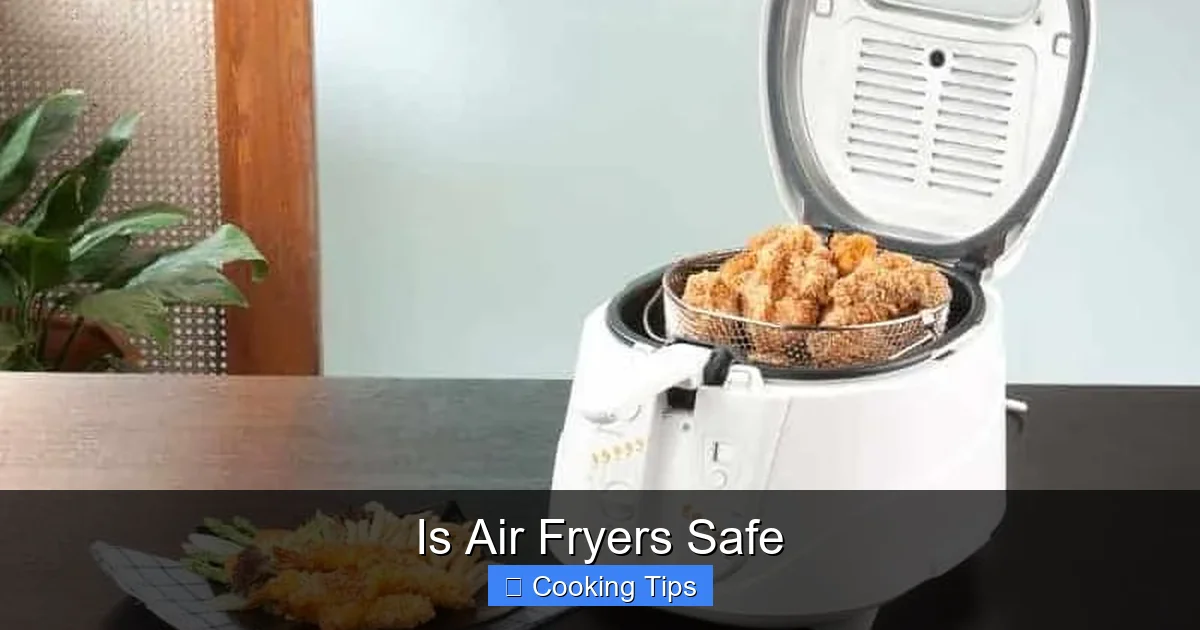
Visual guide about Is Air Fryers Safe
Image source: cdn.mos.cms.futurecdn.net
Visual guide about Is Air Fryers Safe
Image source: homeapricot.com
Solution:
- Turn off the air fryer and unplug it.
- Let it cool completely.
- Thoroughly clean the basket, tray, and the interior of the appliance.
- If cooking fatty foods, ensure the drip tray is in place, consider using a liner, or cook in smaller batches.
- If the smoke persists after cleaning and proper use, there might be an internal issue, and you should contact the manufacturer.
Issue: Strange Smells
Troubleshooting Smells
Cause: Initial manufacturing residue, food particles, or burnt-on grease.
Solution:
- For a new air fryer, run it empty for a few cycles in a well-ventilated area.
- For older air fryers, ensure thorough cleaning as described above. A common method is to run it with water and a slice of lemon or a bit of vinegar for a few minutes, then wipe clean.
Issue: Appliance Not Turning On
Troubleshooting Power Issues
Cause: Not plugged in, tripped circuit breaker, or internal fault.
Solution:
- Check that the plug is securely in the outlet.
- Try plugging another small appliance into the same outlet to ensure it’s working.
- Check your home’s circuit breaker box.
- If none of these resolve the issue, there may be an internal fault, and you should contact customer support.
When to Contact the Manufacturer
It’s important to know when a problem might be beyond simple troubleshooting. Contact your air fryer’s manufacturer if:
- The power cord is damaged.
- The appliance is making unusual noises or smells that persist after cleaning.
- The non-stick coating is severely damaged or peeling.
- The appliance is not heating up or shutting off erratically.
- You notice any physical damage to the appliance.
Conclusion: Enjoy Your Air Fryer with Confidence!
Air fryers are a fantastic addition to any kitchen, offering a healthier and often quicker way to prepare delicious meals. They are designed with safety in mind and are perfectly safe to use when you follow these guidelines. By understanding the materials, adhering to proper usage, performing regular cleaning, and being mindful of basic precautions like heat and electricity, you can ensure your air fryer experience is both enjoyable and safe.
So go ahead and explore the many culinary possibilities your air fryer offers! Whether you’re making crispy fries, perfectly cooked chicken, or even experimenting with unique dishes like cooking a pot pie in an air fryer or a whole roast, you can do so with the confidence that you’re using your appliance safely and responsibly. Happy air frying!