Are you wondering if an air fryer is the same as a turbo broiler? While both use heated air to cook food, they operate differently and excel at different tasks. This guide breaks down the core distinctions, helping you understand which appliance is best for achieving that perfect crispy texture and even cooking. You’ll learn about their unique mechanisms, cooking capabilities, and how to make the most of each in your kitchen.
Is Air Fryer the Same as Turbo Broiler? Unpacking the Differences for Your Kitchen
In the quest for perfectly cooked food that’s crispy on the outside and tender on the inside, many kitchen appliances claim to be the ultimate solution. Two popular contenders often spark confusion: the air fryer and the turbo broiler. You might be wondering, “Are they the same thing?” The short answer is no, they are not identical, though they share some fundamental principles. Both use hot air to cook food, aiming for that delicious golden-brown finish without the need for excessive oil.
However, the way they achieve this, their design, and their optimal uses can differ significantly. Understanding these distinctions is key to choosing the right appliance for your cooking needs and getting the best results every time. This guide will dive deep into what makes an air fryer unique and how it compares to a turbo broiler. We’ll explore their operating mechanisms, their strengths, their limitations, and provide practical tips for using them effectively.
Key Takeaways
- Air Fryers and Turbo Broilers Both Use Hot Air: The primary similarity is their reliance on circulating hot air for cooking, which helps achieve browning and crispiness.
- Air Fryers Simulate Deep Frying with Convection: Air fryers use a powerful fan to rapidly circulate hot air, mimicking the effect of deep frying with significantly less oil.
- Turbo Broilers Primarily Use Radiant Heat: Traditional turbo broilers, often glass bowls with a lid, rely more on a heating element above and a fan to move air, similar to a convection oven but typically in a more enclosed space.
- Texture and Browning Differences: Air fryers generally provide a more consistent, all-around crispiness due to superior air circulation, while turbo broilers can excel at direct browning and melting.
- Capacity and Food Types Vary: Air fryers come in various sizes and are versatile for many foods, from fries to roasts. Turbo broilers, often limited by their bowl size, can be great for smaller batches or specific items like melting cheese or toasting.
- Energy Efficiency and Speed: Both can be faster and more energy-efficient than conventional ovens for smaller portions, but performance can vary by model.
Understanding the Core Technology: How They Work
At their heart, both air fryers and turbo broilers are designed to cook food using hot air. This concept is central to their appeal, offering a healthier alternative to deep frying and often faster cooking times than traditional ovens.
The Air Fryer Mechanism: A Convection Powerhouse
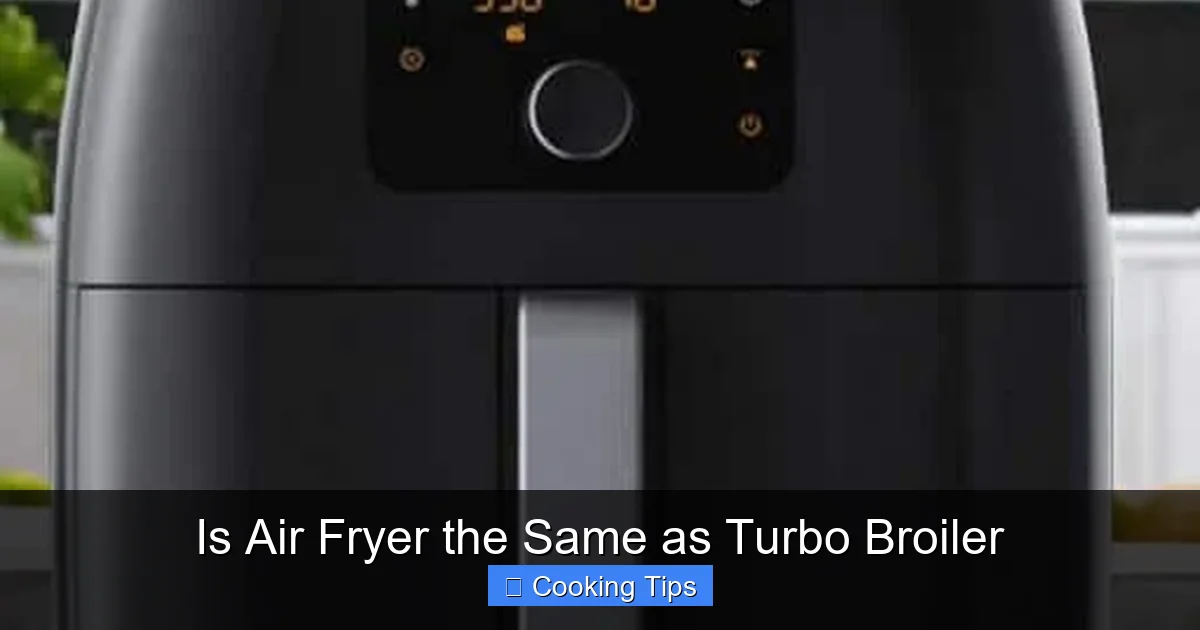
An air fryer is essentially a compact, high-performance convection oven. Its primary feature is a heating element located at the top, combined with a powerful fan. This fan circulates hot air at very high speeds around the food placed in a perforated basket or tray. This rapid, consistent circulation is what creates a “frying” effect. The hot air blasts the food from all sides, quickly cooking it and drawing out moisture from the surface, leading to that desirable crispiness and browning.
Think of it like this: instead of submerging food in hot oil, the air fryer uses a whirlwind of hot air to achieve a similar textural outcome. This convection-style cooking ensures that food like french fries, chicken wings, or even vegetables get an even coating of crispiness. Because the air is moving so vigorously, it cooks food faster and more evenly than many traditional ovens. This is why you can achieve beautifully cooked results for items like waffle fries or boneless chicken wings with minimal oil.
The Turbo Broiler: Heat and Air Circulation Combined
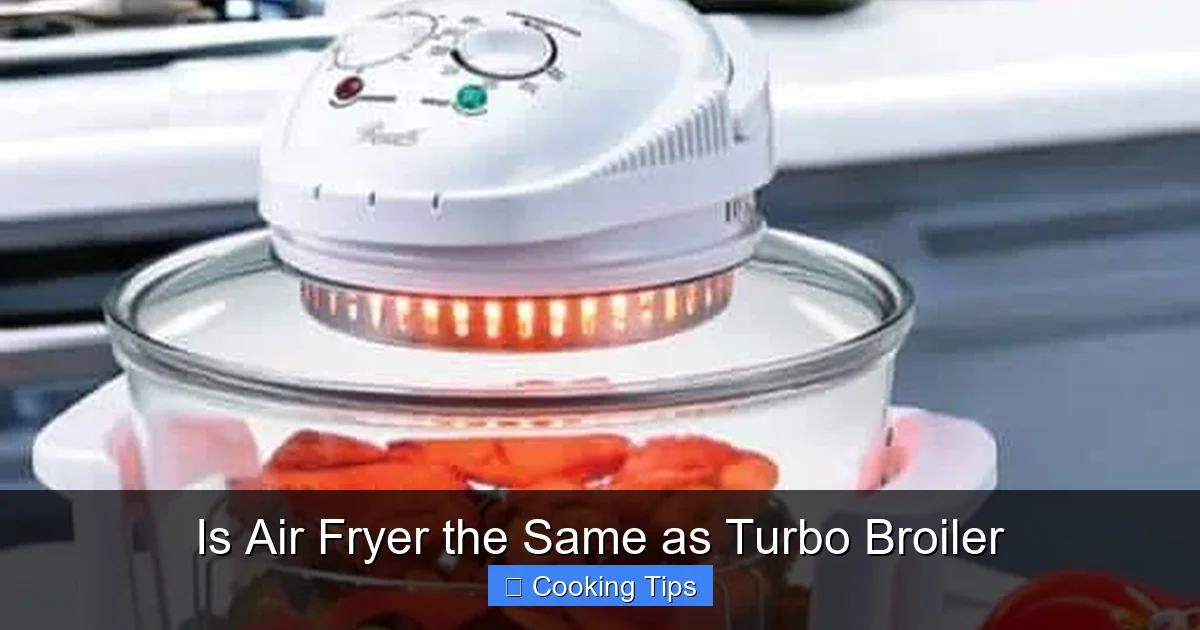
A traditional turbo broiler, often recognizable by its glass bowl design with a lid containing the heating element and fan, works slightly differently. It typically has a heating element, often halogen or infrared, at the top. A fan beneath the food (or sometimes integrated into the lid) helps to circulate the air, but the emphasis is often more on direct radiant heat from above, combined with some convection. This combination allows for browning and cooking simultaneously.
The glass bowl allows you to see the food cooking, which can be a benefit. The enclosed nature of the bowl can trap heat effectively, leading to quick cooking. However, the air circulation might not be as powerful or as consistently distributed as in a well-designed air fryer. This can sometimes lead to uneven cooking or browning if the food isn’t arranged or flipped properly.
Key Differences Explained
While both appliances aim for crispy, well-cooked food, their design and operational nuances lead to distinct differences in performance and application.
Visual guide about Is Air Fryer the Same as Turbo Broiler
Image source: airfryermasterchef.com
1. Air Circulation Intensity
Air Fryer: The defining feature of an air fryer is its powerful, high-speed fan. This fan is designed to create a vortex of hot air that envelops the food, ensuring maximum contact and even crisping. This intense convection is what allows an air fryer to produce results very similar to deep frying.
Turbo Broiler: Turbo broilers also use a fan for air circulation, but it’s generally less powerful and the overall system may not generate the same level of intense, uniform airflow as a dedicated air fryer. The radiant heat from the top element plays a more significant role in the cooking process.
2. Cooking Method Emphasis
Air Fryer: Primarily relies on convection cooking. The rapid circulation of hot air is the main driver of the cooking and crisping process.
Turbo Broiler: Combines radiant heat (from the top element) with convection (from the fan). This dual approach can lead to excellent browning, especially on the top surface of food.
3. Design and Capacity
Air Fryer: Comes in various forms, from basket-style models to oven-style units with multiple racks. Capacities can range from small personal models to larger ones capable of cooking for a family. The design is optimized for efficient airflow around the food.
Turbo Broiler: Often features a glass bowl with a lid that houses the heating element and fan. The capacity is dictated by the size of the bowl, which can limit the amount and type of food you can cook simultaneously. While some newer models might incorporate more advanced features, the classic design is typically bowl-shaped.
4. Texture and Browning Results
Air Fryer: Excels at creating an even, all-around crispiness. Foods cooked in an air fryer tend to have a consistent golden-brown crust from all sides, particularly when shaken or turned halfway through cooking. This makes them ideal for items that need uniform crispness, like frozen burgers or roasted vegetables.
Turbo Broiler: Can produce excellent browning, especially on the surface exposed to the top heating element. It’s great for melting cheese, toasting, or quickly searing the top of dishes. However, the crisping on the bottom or sides might be less pronounced compared to an air fryer, depending on the specific model and how the food is placed.
5. Versatility and Food Types
Air Fryer: Extremely versatile. It can “fry,” roast, bake, and reheat food. It’s excellent for a wide range of items, from snacks like chicken nuggets and onion rings to larger items like roasts or even a whole Cornish hen. Some models are even capable of baking a cake or cooking a pot pie.
Turbo Broiler: Often best suited for foods that benefit from direct top heat and faster cooking times. This includes things like kebabs, melting cheese on dishes, cooking smaller cuts of meat that need quick searing, or toasting. While you can cook other items, the results might not be as consistently crispy as with an air fryer.
When to Use Which Appliance
Choosing between an air fryer and a turbo broiler depends on what you’re trying to achieve in the kitchen.
Visual guide about Is Air Fryer the Same as Turbo Broiler
Image source: airfryermasterchef.com
Leveraging Your Air Fryer
You’ll want to reach for your air fryer when:
- You want crispy results with minimal oil (e.g., fries, chicken wings, mozzarella sticks).
- You need even cooking and browning on all sides of the food.
- You’re cooking items where a consistent crunch is paramount.
- You’re looking to reheat leftovers and restore their crispiness.
- You want to cook a wider variety of dishes that benefit from convection, such as roasting vegetables or cooking pork steaks.
Maximizing Your Turbo Broiler
A turbo broiler shines when:
- You need to quickly melt cheese on dishes like nachos or open-faced sandwiches.
- You want to toast bread or bagels to perfection.
- You’re cooking smaller portions of meat or kebabs that benefit from direct top heat for searing.
- You want to reheat pizza and achieve a crispy crust on top.
- You’re looking for an appliance that allows you to see the food cooking directly in its glass bowl.
Practical Tips for Air Fryer and Turbo Broiler Use
To get the most out of either appliance, keep these tips in mind:

Visual guide about Is Air Fryer the Same as Turbo Broiler
Image source: media.karousell.com
For Air Fryers:
- Don’t Overcrowd: Food needs space for air to circulate. Cook in batches if necessary.
- Shake or Flip: For even crisping, shake the basket or flip food halfway through cooking.
- Preheat: Many air fryers benefit from a short preheating period to ensure consistent cooking from the start.
- Use a Little Oil: While it uses less oil than deep frying, a light spray or toss with oil can enhance crispiness and flavor, especially for items like crab cakes or roasted potatoes.
- Clean Regularly: Food debris can affect performance and create smoke.
For Turbo Broilers:
- Watch Closely: Because of the direct heat, food can go from perfectly cooked to burnt quickly.
- Position Food Appropriately: Adjust rack height or food placement to control the intensity of the heat.
- Flip Food: Just like with an air fryer, flipping food ensures more even cooking and browning.
- Clean the Glass Bowl: Keep the bowl clean for optimal visibility and to prevent old food particles from burning.
Troubleshooting Common Issues
Even with the best appliances, occasional issues can arise.
Uneven Cooking
Air Fryer: Likely due to overcrowding. Reduce the amount of food or cook in batches. Ensure the fan is functioning correctly.
Turbo Broiler: The heating element might be too close to one side, or the fan circulation is insufficient. Try repositioning the food, flipping it more often, or using a smaller quantity.
Food Sticking
Air Fryer: Ensure you’re using a little oil, especially for leaner foods. Using parchment paper liners designed for air fryers can also help.
Turbo Broiler: Lightly greasing the bowl or using oil on the food is important. Some foods are more prone to sticking than others, especially without adequate fat.
Smoking
Air Fryer: Often caused by high-fat foods dripping onto the heating element or by accumulated grease. Ensure your air fryer is clean. For very fatty foods like bacon, you might need to empty the grease tray mid-cook. For example, when learning bacon in an air fryer, expect some smoke if not managed properly.
Turbo Broiler: Fat dripping onto the heating element is the usual culprit. Cleaning is essential. High smoke point oils are also recommended if you’re adding oil.
Conclusion: Two Great Appliances, Different Roles
So, to reiterate, an air fryer and a turbo broiler are not the same. While they both leverage hot air for cooking, their internal mechanisms, intensity of airflow, and primary cooking methods set them apart. An air fryer is a sophisticated convection device designed for consistent, all-around crispiness and versatility across many food types, making it a workhorse for modern kitchens. A turbo broiler, with its combination of radiant and circulating heat, excels at tasks requiring direct top browning and quick searing.
Understanding these differences empowers you to make informed choices about which appliance to use for specific dishes. Whether you’re aiming for perfectly crispy hot dogs or a beautifully melted cheese topping, knowing the strengths of your air fryer and turbo broiler will help you achieve delicious culinary success. They can even complement each other in the kitchen, offering a broader range of cooking possibilities.