Are air fryers and convection ovens the same? While both use circulating hot air for cooking, there are key differences in size, speed, and functionality. Air fryers are essentially compact, super-powered convection ovens designed for speed and crispiness. This guide breaks down their similarities, differences, and helps you choose the right appliance for your kitchen needs.
Is Air Fryer Same As Convection Oven? Unpacking the Differences
Many home cooks are buzzing about air fryers and their ability to make food incredibly crispy with little to no oil. You might be wondering, “Is an air fryer just a smaller, fancier convection oven?” It’s a great question, and the answer is a bit nuanced. While they share a core cooking principle, there are significant differences that make each appliance shine in its own way.
In this guide, we’ll dive deep into the world of air fryers and convection ovens. We’ll explore how they work, highlight their key distinctions, and help you understand which one might be the best fit for your kitchen and your cooking style. By the end, you’ll have a clear picture of whether an air fryer is truly the same as a convection oven, and how to best utilize these popular cooking appliances.
Key Takeaways
- Similar Principle, Different Scale: Both air fryers and convection ovens use fans to circulate hot air, promoting even cooking and crispiness.
- Air Fryers are Compact Convection Ovens: Think of an air fryer as a small, high-speed convection oven, optimized for rapid cooking and achieving a fried texture with less oil.
- Speed and Efficiency: Air fryers heat up and cook food much faster than traditional convection ovens due to their smaller size and more intense air circulation.
- Versatility vs. Specialization: Convection ovens offer larger capacity and greater versatility for roasting, baking, and broiling larger quantities, while air fryers excel at “frying,” roasting small batches, and reheating.
- Best Use Cases: Air fryers are ideal for crispy appetizers, quick meals, and reheating leftovers to their original crispness. Convection ovens are better for family-sized meals, baking cakes, and roasting large cuts of meat.
- Energy Consumption: For smaller portions, an air fryer is generally more energy-efficient than a full-sized convection oven.
Understanding the Core Cooking Technology
Before we get into the nitty-gritty, let’s understand what makes both an air fryer and a convection oven tick.
The Magic of Circulating Hot Air
At their heart, both appliances rely on a fundamental cooking method: convection.
* Convection Ovens: These ovens have a fan (or fans) that actively circulate hot air throughout the oven cavity. This constant movement of air means food cooks more evenly and often faster than in a traditional oven without a fan. The circulating hot air also helps to create a crispier exterior on foods.
* Air Fryers: An air fryer is essentially a countertop convection oven. It also uses a heating element and a powerful fan to rapidly circulate super-heated air around the food. The key difference lies in the design: air fryers are much smaller, and their baskets or racks are designed to maximize air exposure to the food, leading to intense, rapid crisping.
So, yes, they both use convection. But the *way* they use it, and the resulting cooking experience, can be quite different.
Key Differences: Air Fryer vs. Convection Oven

Visual guide about Is Air Fryer Same as Convection Oven
Image source: airfryeraid.com
Now that we know the shared technology, let’s break down the distinctions. These differences are what make each appliance unique and suited for different culinary tasks.
Size and Capacity
This is perhaps the most obvious difference.
* Convection Ovens: These are your standard full-sized kitchen ovens, or sometimes larger countertop models. They have ample space to cook multiple dishes, large roasts, or bake elaborate cakes. The capacity is designed for family meals and entertaining.
* Air Fryers: Air fryers are compact. They typically come in basket-style models or toaster-oven style units with air frying capabilities. The cooking capacity is much smaller, usually suited for 1-4 servings depending on the model. This smaller size is a key factor in their speed.
Heating Speed and Cooking Time
The size directly impacts how quickly these appliances heat up and cook food.
* Convection Ovens: Due to their larger volume, convection ovens take longer to preheat. Cooking times can also be longer, though generally shorter than a conventional oven.
* Air Fryers: Their small size means they preheat incredibly fast, often in just a few minutes. The concentrated hot air circulation also leads to significantly shorter cooking times. This makes them perfect for quick weeknight meals. For example, you can often make crispy french fries in an air fryer in about 15-20 minutes, while a convection oven might take 30-40 minutes.
Intensity of Air Circulation
While both use fans, the intensity and focus differ.
* Convection Ovens: The fan in a convection oven circulates air throughout the larger cavity. The airflow is more diffused.
* Air Fryers: Air fryers are engineered for very high-speed, intense air circulation. The fan is often more powerful relative to the size of the cooking chamber, and the design of the basket or tray ensures that hot air blasts around the food from all angles. This concentrated airflow is what gives food that signature “fried” crispiness.
Primary Functionality and Results
What are they best at?
* Convection Ovens: These are workhorses. They excel at roasting large cuts of meat, baking pastries and breads where even heat is crucial, and cooking larger batches of vegetables. They offer a broader range of cooking capabilities.
* Air Fryers: They are champions of crisping. While they can roast and bake small items, their primary strength is creating textures similar to deep-frying with much less oil. Think crispy chicken wings, french fries, onion rings, and even reheating leftovers to restore their crunch. If you want to learn how to cook boneless chicken wings in an air fryer, you’ll find it’s a game-changer.
Ease of Use and Cleaning
The user experience is another point of differentiation.
* Convection Ovens: While generally user-friendly, cleaning a full-sized oven can be a chore. The larger surfaces and often intricate racks require more effort.
* Air Fryers: Most air fryer baskets and trays are non-stick and dishwasher safe, making cleanup remarkably easy. Their compact size also means less surface area to scrub.
When to Use an Air Fryer
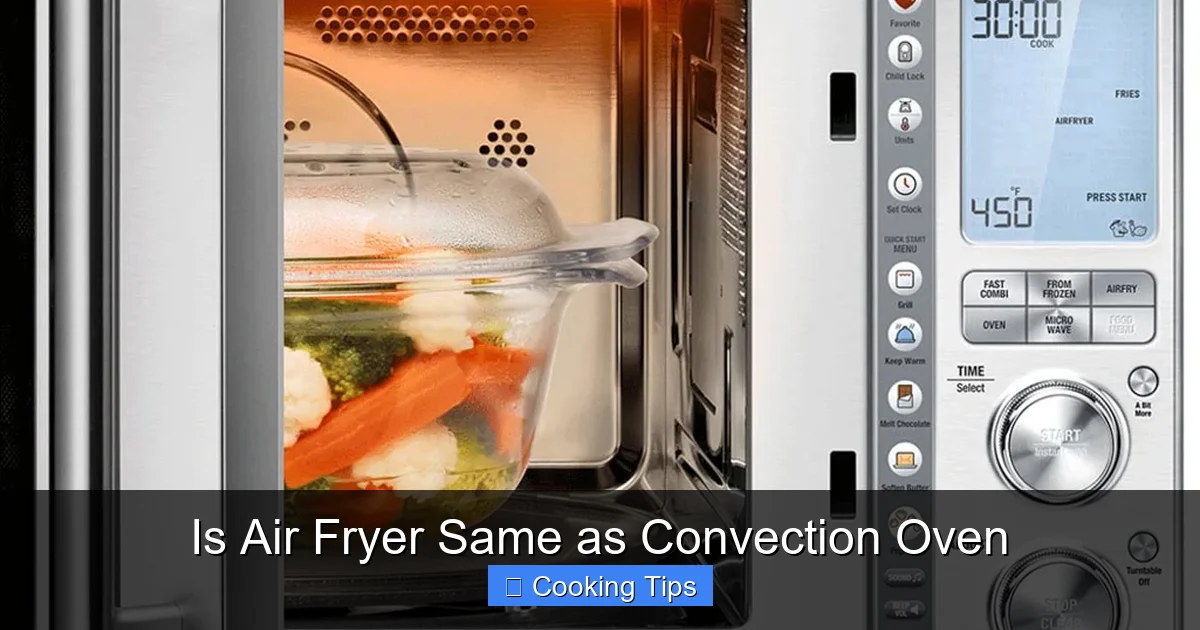
Visual guide about Is Air Fryer Same as Convection Oven
Image source: thegreenhead.com
Think of your air fryer as your go-to for quick, crispy perfection and small-batch cooking.
Quick Snacks and Appetizers
This is where air fryers truly shine. Foods like:
* French fries (fresh or frozen)
* Onion rings
* Mozzarella sticks
* Chicken nuggets
* Spring rolls
* Roasted chickpeas
These items get incredibly crispy and golden brown in an air fryer in a fraction of the time it would take in a conventional oven. It’s perfect for those last-minute snack attacks.
Reheating Leftovers
Tired of soggy pizza or limp fries after microwaving? An air fryer is your savior. It can bring leftovers back to their original crispiness, making them taste almost as good as when they were first cooked. Try reheating quesadillas or fried chicken for amazing results.
Cooking Small Portions
For individuals or couples, an air fryer is much more efficient than heating up a large oven. You can cook:
* A single chicken breast or thigh
* A small steak
* A couple of fish fillets
* Roasted vegetables for one or two
This is also a great way to experiment with new recipes without committing to a large batch. For instance, you can easily learn how to cook a crab cake in the air fryer for a delicious single serving.
“Fried” Foods with Less Oil
The primary allure of air frying is achieving that satisfying fried texture with significantly less oil. This makes it a healthier alternative for many favorite crispy foods.
When to Use a Convection Oven
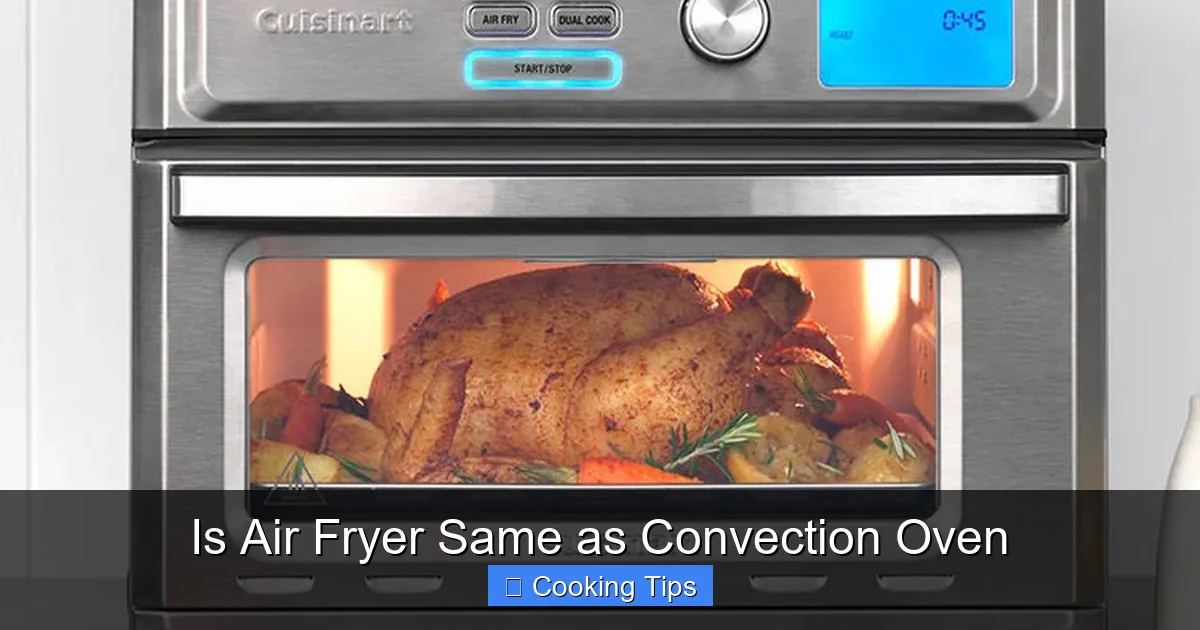
Visual guide about Is Air Fryer Same as Convection Oven
Image source: images.kitchenwaredirect.com.au
Your convection oven remains the king for larger meals, baking, and when you need more versatility.
Family-Sized Meals and Roasting
When you’re cooking for a crowd or preparing larger dishes, a convection oven is essential.
* Whole roasts (beef, pork, lamb)
* A whole chicken or turkey
* Large batches of vegetables
* Casseroles and gratins
A convection oven, especially one with a larger capacity, can handle these tasks with ease. You can find great recipes for roasts in the air fryer, but for larger cuts, the oven is superior.
Baking
While some air fryer models can bake, a convection oven generally provides more consistent and even results for baking delicate items like cakes, pies, and bread. The larger, more stable temperature environment is beneficial. You can bake a whole cake in a convection oven, whereas an air fryer might be limited to smaller cakes or muffins. For more specific baking needs, you might even consider an air fryer toaster oven which offers a blend of both.
Broiling and Grilling
Many convection ovens have a broil setting, which uses direct, high heat from above. This is useful for browning the tops of dishes or quickly searing meats. Some air fryers may have a similar function, but the intensity and coverage in a full-sized oven can be more effective.
Cooking Multiple Items at Once
If your recipe calls for multiple components that need to be cooked simultaneously or at slightly different temperatures, the larger space of a convection oven makes this much more manageable.
Can an Air Fryer Replace a Convection Oven?
The short answer is: for most people, no, an air fryer cannot completely replace a convection oven.
While they share the convection cooking principle, their differences in size, capacity, and intended use make them complementary appliances rather than direct replacements.
* An air fryer is excellent for small batches and achieving intense crispiness quickly.
* A convection oven is indispensable for larger meals, baking, and when you need more cooking space and versatility.
Think of it this way: you wouldn’t use a toaster to bake a whole Thanksgiving turkey, nor would you use a full-sized oven to quickly crisp up a small batch of fries for a single snack. Both have their specialized roles.
Can a Convection Oven Be Used as an Air Fryer?
This is where things get interesting. Many modern convection ovens, especially countertop models often referred to as “convection toaster ovens,” do come with an “air fry” function.
* Dedicated Air Fry Function: Some high-end full-sized convection ovens also have a specific air fry setting. This setting typically involves a more powerful fan and a different airflow pattern designed to mimic the results of a dedicated air fryer.
* Using Standard Convection Mode: You can often achieve air fryer-like results in a standard convection oven by simply using the convection bake or roast setting. However, you might need to adjust temperatures and cooking times. The key is ensuring good air circulation around your food. Using a wire rack in a baking pan can help.
However, a standard convection oven, even with an air fry function, might not achieve the *same* level of rapid, intense crisping as a dedicated air fryer. This is because dedicated air fryers are designed with smaller, more enclosed spaces and more powerful, focused fans to create that hyper-crispy texture.
For example, if you want to cook an egg or even make a simple omelette, an air fryer is often much quicker and easier than preheating a large oven.
Making the Most of Your Appliances
Whether you have one or both, understanding their strengths will help you maximize your cooking potential.
Tips for Using Your Air Fryer
* Don’t Overcrowd: This is the golden rule. Overcrowding prevents hot air from circulating properly, leading to uneven cooking and less crispiness. Cook in batches if necessary.
* Shake or Flip: For best results, shake the basket or flip the food halfway through cooking. This ensures all sides get exposed to the hot air.
* Use a Little Oil: While you don’t need much, a light spray or toss with oil (like olive oil or avocado oil) can enhance crispiness and flavor.
* Preheat: Just like a regular oven, preheating your air fryer for a few minutes often leads to better results.
* Experiment with Recipes: Many recipes are specifically designed for air fryers, offering unique ways to prepare familiar dishes. You can find great bread air fryer recipes or even try cooking a whole cake in the air fryer for smaller portions.
Tips for Using Your Convection Oven
* Understand the Temperature Difference: Convection ovens often cook about 25°F cooler than their conventional counterparts. You may need to reduce the temperature or cooking time compared to a conventional oven recipe.
* Utilize the Fan: For roasting and browning, the convection setting is your best friend. For delicate baking where you want less browning and more gentle heat, you might stick to the conventional bake setting.
* Positioning Matters: Place racks in the middle of the oven for most cooking. Avoid placing food too close to the heating elements if you don’t want excessive browning.
* Don’t Be Afraid to Experiment: Try converting your favorite conventional oven recipes to convection. You’ll often find they cook faster and more evenly.
Conclusion: Two Great Appliances, Different Roles
So, is an air fryer the same as a convection oven? No, not exactly. An air fryer is essentially a highly efficient, compact, high-speed convection oven designed to excel at crisping food with minimal oil. A convection oven is a larger, more versatile appliance that uses circulating hot air for a wider range of cooking tasks, from roasting large meats to baking delicate pastries.
Both are fantastic tools in the modern kitchen, and many home cooks find that having both offers the best of both worlds. The air fryer is your quick-fix hero for crispy snacks and small meals, while the convection oven remains the dependable workhorse for family dinners and baking projects.
By understanding their individual strengths and how they work, you can confidently choose the right appliance for the job and elevate your home cooking to new delicious heights.