Wondering if your air fryer is safe to use? This comprehensive guide dives into the safety aspects of air fryers, covering materials, heating mechanisms, and best practices for healthy cooking. We’ll explain how air fryers work and address common concerns to ensure you can enjoy delicious, crispy food with peace of mind. You’ll learn how to use your air fryer safely and maintain it for optimal performance.
Are you curious about whether your popular kitchen gadget, the air fryer, is actually safe to use for your daily meals? You’re not alone! Air fryers have become a staple in many kitchens, praised for their ability to deliver crispy, delicious food with less oil. But with any new appliance, especially one that involves heat, it’s natural to wonder about its safety.
This guide is designed to give you a clear and comprehensive answer to the question: “Is air fryer safe to use?” We’ll explore how air fryers work, the materials they are made from, potential safety concerns, and how you can use yours with confidence. By the end of this guide, you’ll have all the information you need to enjoy healthy, crispy meals without worry.
- Air fryers are generally safe when used correctly. They use hot air circulation to cook food, mimicking deep frying without excessive oil.
- Material safety is a key concern. Most air fryers are made from food-grade plastics and stainless steel, with non-stick coatings that are typically PFOA-free.
- Proper operation prevents issues. Following manufacturer instructions, avoiding overcrowding, and ensuring adequate ventilation are crucial for safe use.
- Regular cleaning is essential. Food residue can burn, creating smoke and potentially harmful compounds. Regular cleaning also ensures efficient operation.
- Avoid overheating and misuse. Never leave an air fryer unattended while in use, and don’t operate it on unstable surfaces or near flammable materials.
- Ventilation is important. Ensure there’s enough space around the air fryer for air to circulate, preventing overheating and promoting even cooking.
- Understand potential risks. While rare, issues like overheating or electrical faults can occur, but are minimized with proper care and maintenance.
How Does an Air Fryer Work?
Before we dive into safety, let’s understand the magic behind air frying. An air fryer isn’t actually frying your food. Instead, it’s a countertop convection oven. It works by rapidly circulating extremely hot air around your food. This process cooks the food and creates a crispy exterior, similar to what you’d get from deep frying, but with significantly less oil.
The Heating Element and Fan
At the heart of an air fryer is a heating element, usually located at the top of the appliance. Below this, a powerful fan blows the hot air down and around the food in the cooking basket. This constant movement of hot air is what cooks the food quickly and evenly, resulting in that satisfying crunch.
Less Oil, Healthier Meals
The primary benefit that drives air fryer popularity is the reduction in oil usage. Traditional deep frying can involve submerging food in several cups of hot oil. Air frying typically requires only a tablespoon or two of oil, or sometimes none at all, for certain foods. This means fewer calories and less unhealthy fat in your meals.
Are the Materials Used in Air Fryers Safe?
A common concern when using any kitchen appliance is the safety of the materials that come into contact with your food. Air fryers are generally made from materials that are considered safe for cooking.
Food-Grade Plastics and Stainless Steel
The exterior of most air fryers is made from durable, food-grade plastics that can withstand moderate heat. The interior components, such as the cooking basket and any racks, are typically made from stainless steel or coated with a non-stick material. Stainless steel is a safe and widely used material in cookware.
Non-Stick Coatings: What You Need to Know
Many air fryer baskets are coated with a non-stick surface to prevent food from sticking and to make cleaning easier. Historically, concerns have been raised about certain non-stick coatings, particularly those containing perfluorooctanoic acid (PFOA). However, most modern air fryer manufacturers have phased out PFOA in favor of newer, safer alternatives.
Look for terms like “PFOA-free” or “PTFE-free” on the product packaging or in the manual. If you’re unsure, it’s always best to contact the manufacturer directly. Even with PFOA-free coatings, it’s important to avoid using metal utensils that can scratch the surface, as this can degrade the coating over time.
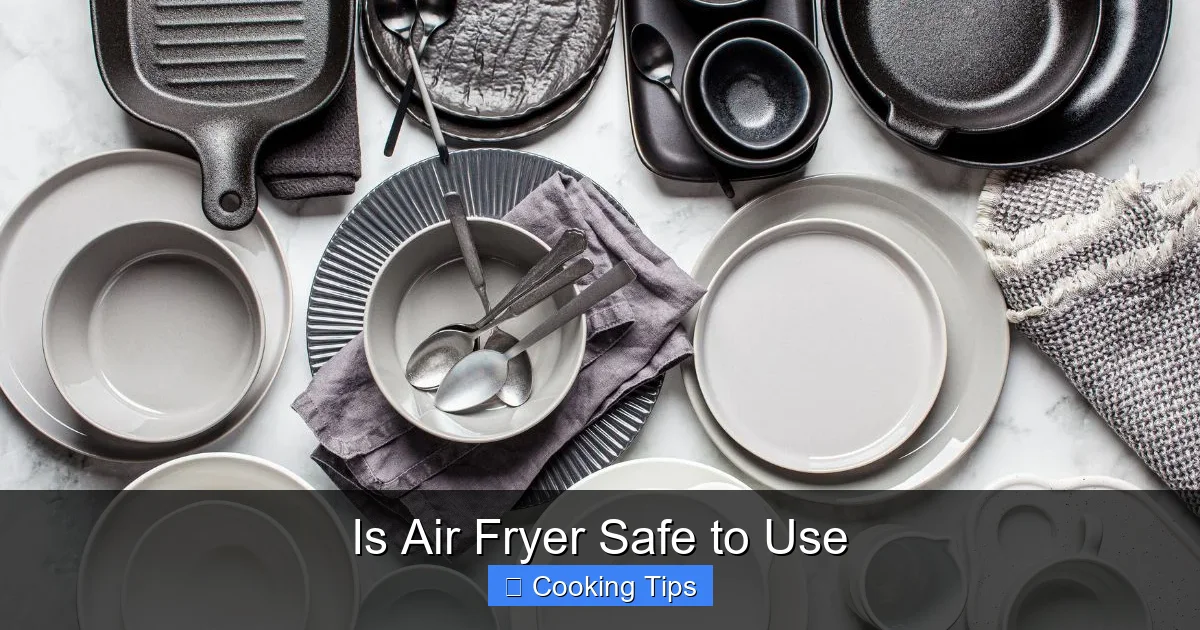
Visual guide about Is Air Fryer Safe to Use
Image source: easyflavorful.com
Potential Safety Concerns and How to Avoid Them
While air fryers are designed with safety in mind, like any electrical appliance, there are potential concerns if they are not used or maintained properly.
Overheating Risks
If an air fryer is used continuously for very long periods, or if its vents are blocked, it can overheat. Overheating can lead to the appliance malfunctioning, potentially damaging internal components, or even posing a fire risk in extreme cases.
Preventing Overheating
- Follow recommended cooking times: Don’t run the air fryer for longer than necessary.
- Ensure proper ventilation: Always leave adequate space around the air fryer. The general recommendation is at least 5-6 inches of clear space on all sides and above the appliance.
- Don’t block vents: Make sure the air intake and exhaust vents are not obstructed by anything.
- Take breaks: If you are cooking multiple batches, allow the air fryer to cool down slightly between uses if it seems to be getting excessively hot.
Electrical Safety
As with any electrical appliance, there’s a risk of electrical faults. This is more common with older or damaged appliances.
Ensuring Electrical Safety
- Inspect the cord and plug: Before each use, check the power cord and plug for any signs of damage, such as fraying or exposed wires. If you find any damage, do not use the air fryer and contact the manufacturer or a qualified technician.
- Use the correct outlet: Plug the air fryer into a properly grounded electrical outlet that meets the appliance’s power requirements. Avoid using extension cords if possible, or ensure they are heavy-duty and rated for the appliance’s wattage.
- Keep away from water: Never immerse the air fryer base (the part containing the electrical components) in water.
Acrylamide Formation (A Common Misconception)
You might have heard concerns about acrylamide, a substance that can form in some foods during high-temperature cooking, particularly in starchy foods like potatoes. Acrylamide is a potential carcinogen. However, studies suggest that air frying may produce *less* acrylamide than deep frying, and sometimes even less than baking or roasting at similar high temperatures.
The key to minimizing acrylamide formation, regardless of the cooking method, is to avoid overcooking or burning your food. Cooking foods like potatoes to a golden yellow color rather than a deep brown can help.
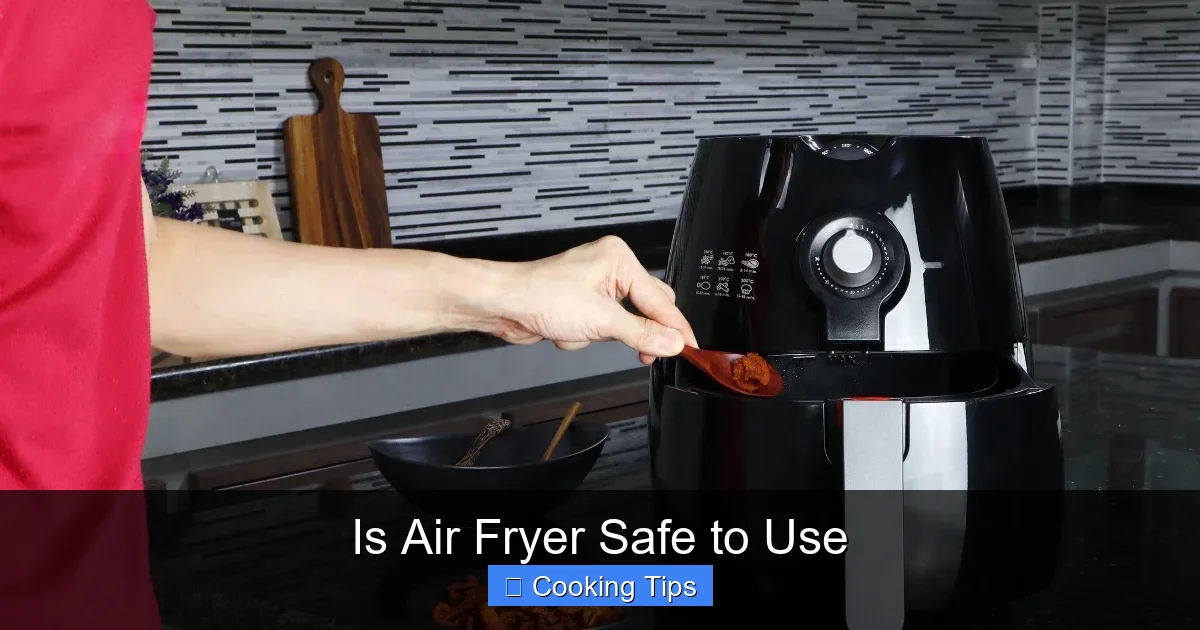
Visual guide about Is Air Fryer Safe to Use
Image source: foodsguy.com
Best Practices for Safe Air Fryer Usage
Using your air fryer safely is largely about understanding its operation and following a few simple guidelines.
Read the Manual
This might sound obvious, but the manufacturer’s manual is your best resource for understanding your specific air fryer model. It will contain crucial information about operation, cleaning, troubleshooting, and safety precautions. Always take the time to read it thoroughly.
Preheating Your Air Fryer
Most recipes recommend preheating your air fryer. This ensures that your food starts cooking immediately and evenly. It also helps achieve that desirable crispy texture. Preheating is generally safe and does not pose any specific risks, as long as you follow general appliance safety rules.
Don’t Overcrowd the Basket
This is a critical step for both cooking effectiveness and safety. Overcrowding the air fryer basket prevents hot air from circulating properly. This can lead to unevenly cooked food, and in some cases, the food might steam rather than fry, negating the benefits of air frying. More importantly, overloaded baskets can potentially cause the appliance to work harder and generate more heat than intended, increasing the risk of overheating.
For best results and safe operation, cook in batches if necessary. Ensure there’s enough space between food items for air to flow freely. This applies whether you’re making something simple like hot dogs or more complex dishes.
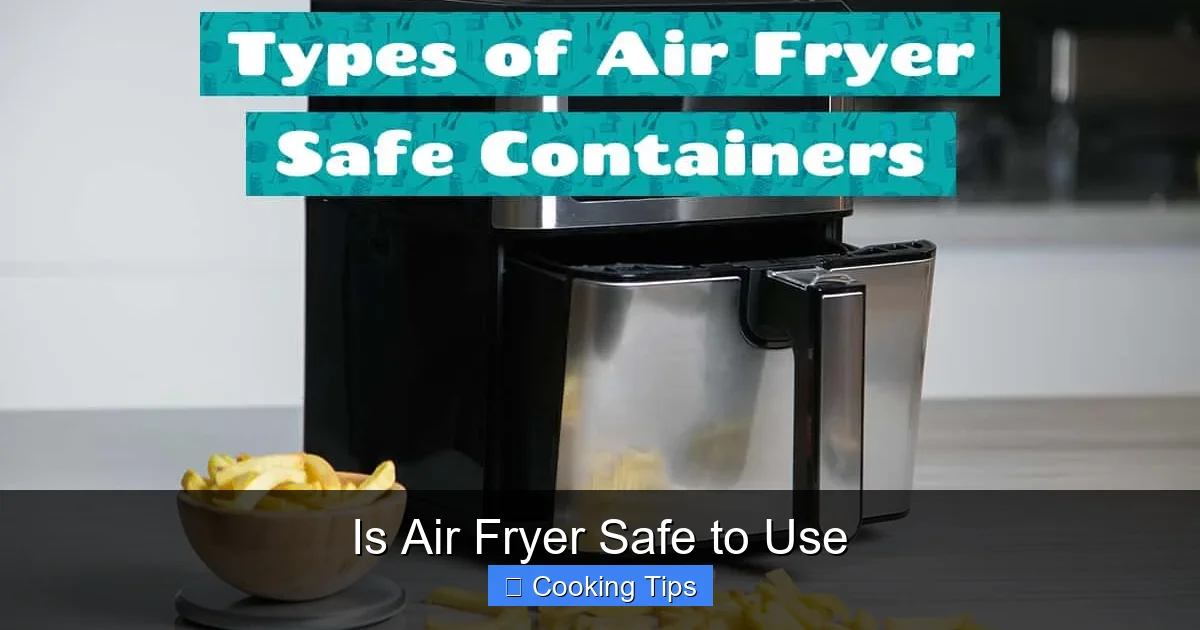
Visual guide about Is Air Fryer Safe to Use
Image source: howdykitchen.com
Use the Right Accessories
If you use accessories like parchment paper liners or baking pans in your air fryer, ensure they are designed for air fryer use and are the correct size.
Parchment Paper Liners
- Perforated liners are best: If using parchment paper, opt for perforated liners designed for air fryers. These have holes that allow for better air circulation.
- Weigh it down: Never preheat the air fryer with an empty parchment liner inside, as the liner can be sucked into the heating element and become a fire hazard. Always place food on top of the liner.
Metal Racks and Pans
- Check for compatibility: Ensure any metal racks or pans you use fit properly within the basket and do not obstruct air flow.
- Avoid excessive weight: Don’t overload the basket with heavy accessories that could strain the appliance.
Cleaning and Maintenance
Regular cleaning is vital for both the performance and safety of your air fryer. Food residue, grease, and crumbs can build up over time.
Why Cleaning Matters
- Prevents smoke: When old food particles heat up, they can smoke, filling your kitchen with unpleasant odors and potentially releasing harmful compounds.
- Improves efficiency: A clean air fryer operates more efficiently, cooking food more evenly and quickly.
- Reduces fire risk: Accumulated grease is flammable and can pose a fire hazard.
How to Clean Your Air Fryer
- Unplug and cool down: Always unplug the air fryer and let it cool completely before cleaning.
- Wash the basket and tray: Most air fryer baskets and trays are dishwasher safe. If not, wash them by hand with warm, soapy water and a non-abrasive sponge. For stubborn stuck-on food, you can soak them in warm water.
- Clean the interior: Wipe down the inside of the air fryer with a damp cloth. Be careful not to get water on the heating element.
- Clean the exterior: Wipe the outside of the air fryer with a damp cloth.
- Don’t use harsh abrasives: Avoid steel wool, abrasive scrubbers, or harsh chemical cleaners, as they can damage the non-stick coating or the appliance’s finish.
Regularly cleaning your air fryer is just as important as knowing how to cook specific items, whether it’s boneless chicken wings or pot pies.
Supervision is Key
Never leave a cooking appliance, including an air fryer, unattended. Fires can start quickly. Always stay in the kitchen and keep an eye on your food while it’s cooking.
Troubleshooting Common Air Fryer Issues
Even with careful use, you might encounter minor issues. Here are a few common ones and how to address them safely.
Smoke Coming From the Air Fryer
Cause: This is usually due to food debris or grease buildup in the basket or on the heating element from previous uses. It can also happen if you’re cooking very fatty foods and the grease drips down.
Solution: Unplug the air fryer, let it cool, and clean the basket thoroughly. If cooking fatty foods, you might need to clean it more frequently or use a liner to catch drips. For mild smoke from fatty foods, sometimes opening a window helps.
Uneven Cooking
Cause: This often happens when the basket is overcrowded, preventing air circulation. It can also be due to not shaking or flipping the food partway through cooking.
Solution: Ensure the basket is not overcrowded. For items like fries or chicken wings, shake the basket halfway through the cooking time. For larger items like a roast, you may need to flip them.
Unusual Noises
Cause: A new air fryer might make some noise as it breaks in. However, loud or unusual grinding or rattling noises could indicate a problem with the fan motor.
Solution: If you hear a new, loud, or concerning noise, stop using the appliance immediately, unplug it, and consult the manual or contact customer support. Do not attempt to repair it yourself unless you are qualified.
Conclusion: Air Fryers Are Safe When Used Properly
So, to answer the question directly: Is air fryer safe to use? Yes, air fryers are generally very safe kitchen appliances when used according to the manufacturer’s instructions and with common sense. They utilize a safe heating and air circulation method that is healthier than deep frying.
By understanding how your air fryer works, being mindful of the materials it’s made from, practicing good operating habits, and keeping it clean, you can enjoy all the benefits of this versatile cooking device. From crispy vegetables to perfectly cooked meats, your air fryer can be a safe and healthy addition to your culinary adventures. Remember to always prioritize safety, read your manual, and enjoy your delicious creations!