Yes, air fryers are generally safe for cooking when used correctly. They use hot air circulation to crisp food, mimicking deep frying without excessive oil. This guide explores air fryer safety, common concerns like potential carcinogens, and provides essential tips to ensure you can cook healthy and delicious meals with confidence.
Key Takeaways
- Air fryers are generally safe for cooking: They use rapid air circulation to cook food, requiring much less oil than traditional frying.
- Reduced Acrylamide Formation: Compared to deep frying and baking at high temperatures, air frying can produce lower levels of acrylamide, a potential carcinogen.
- Material Safety: Most air fryers are made from food-grade plastics and stainless steel, which are safe for food contact.
- Proper Usage is Key: Always follow manufacturer instructions, avoid overcrowding the basket, and ensure proper ventilation for optimal and safe cooking.
- Cleaning is Crucial: Regular cleaning prevents food residue buildup, which can lead to smoke and off-flavors, and maintains hygiene.
- Overheating and Electrical Safety: Like any appliance, air fryers should be used on a stable surface, away from flammable materials, and plugged into appropriate outlets to prevent fire hazards.
Is Air Fryer Safe For Cooking? Your Comprehensive Guide
The kitchen appliance that has taken the world by storm is the air fryer. It promises all the crispiness of fried food with a fraction of the oil. But as with any new cooking technology, questions arise: Is an air fryer safe for cooking? The short answer is yes, an air fryer is generally very safe for cooking your favorite meals, and often healthier too!
This guide will dive deep into what makes air fryers safe, address common concerns, and provide you with all the knowledge you need to use your air fryer confidently and deliciously. We’ll cover everything from the science behind air frying to practical tips for safe operation and maintenance. You’ll learn why air frying is a preferred method for many home cooks and how to get the most out of your appliance.
Understanding How Air Fryers Work
Before we discuss safety, let’s quickly touch upon how an air fryer achieves its magic. It’s essentially a compact, high-powered convection oven. Inside, a heating element sits above a fan. This combination circulates extremely hot air around your food at high speed. This rapid, even distribution of heat is what crisps up your food, making it taste fried without being submerged in oil. This efficient cooking method is a key reason why air fryers are so popular and considered safe.
Addressing Common Safety Concerns
While air fryers are designed with safety in mind, it’s natural to have questions. Let’s tackle some of the most common concerns:
1. Acrylamide Formation: The “Cancer” Question
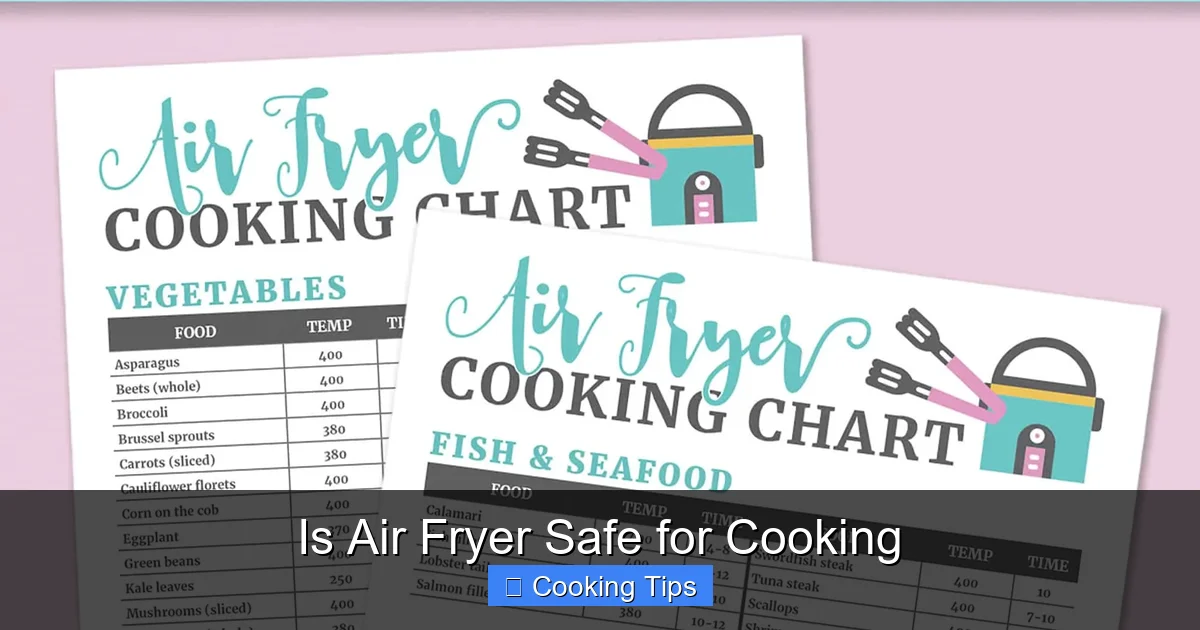
One of the most frequent concerns is whether air frying produces acrylamide, a compound that forms when starchy foods are cooked at high temperatures. Acrylamide is classified as a probable human carcinogen by the International Agency for Research on Cancer (IARC).
However, research suggests that air frying, when done correctly, may actually produce *less* acrylamide than other high-temperature cooking methods like deep frying or baking. The reason is that air fryers typically use lower temperatures and shorter cooking times for similar results, and the reduced oil content also plays a role.
Key takeaway: While acrylamide can form in any high-heat cooking of starchy foods, air frying often results in lower levels compared to deep frying.
Visual guide about Is Air Fryer Safe for Cooking
Image source: mom4real.com
To further minimize acrylamide formation in your air fryer:
- Avoid overcooking: Don’t cook your food until it’s excessively brown or burnt. Aim for a golden-brown finish.
- Soak potatoes: If you’re making fries from scratch, soaking cut potatoes in water for 15-30 minutes before cooking can help wash away sugars that contribute to acrylamide.
- Use moderate temperatures: While air fryers can get hot, there’s no need to crank them to the absolute maximum for every dish. Consult recipes for appropriate temperatures.
2. Material Safety: Are the Air Fryer Components Safe?
Most modern air fryers are constructed with materials that are safe for food contact. The inner basket and tray are typically coated with non-stick materials, usually a type of Teflon (PTFE), and are often made from food-grade stainless steel or aluminum.
Important Note: Always check your air fryer’s manual for specific information about its materials. Most reputable brands use PFOA-free non-stick coatings.
When materials are heated, there can be concerns about chemicals leaching into food. However, food-grade plastics and stainless steel are designed to be stable and inert at the temperatures used in air frying.
To ensure material safety:
- Choose reputable brands: Opt for well-known brands that adhere to safety standards.
- Avoid scratching: Never use abrasive scrubbers or metal utensils that can scratch the non-stick coating. A scratched coating can degrade over time and potentially release particles.
- Replace damaged parts: If the non-stick coating is visibly peeling or scratched, it’s time to consider replacing the basket or tray.
3. Overheating and Fire Hazards
Like any electrical appliance that generates heat, air fryers pose a potential fire risk if not used properly. However, this risk is generally low with responsible usage.
Safety measures to prevent overheating and fire hazards:
- Stable Surface: Always place your air fryer on a stable, heat-resistant surface, such as a countertop. Ensure there’s adequate space around the appliance for ventilation.
- Keep Clear of Flammables: Never place your air fryer near curtains, paper towels, or other flammable materials.
- Don’t Block Vents: The vents are crucial for airflow. Make sure they are not obstructed.
- Unplug When Not in Use: Always unplug the air fryer when you’re finished cooking or when cleaning.
- Inspect the Cord: Periodically check the power cord for any damage. If the cord is frayed or damaged, do not use the appliance.
4. Electrical Safety
Ensure your air fryer is plugged into a properly grounded electrical outlet that matches its power requirements. Overloading circuits can be a fire hazard. If you have an older home, you might want to consult an electrician about your kitchen’s wiring.
Best Practices for Safe Air Fryer Cooking
Beyond addressing concerns, adopting good habits ensures your air fryer experience is safe and enjoyable.
1. Read Your Manual!
This might sound basic, but your air fryer’s instruction manual is your best friend. It contains specific information about your model, including recommended cooking temperatures, cleaning instructions, and safety precautions unique to the appliance. Different models might have slightly different features or recommendations. For instance, if you’re wondering how to cook bacon in your Ninja air fryer, your manual will offer precise guidance.
2. Don’t Overcrowd the Basket
Overcrowding is a common mistake that not only leads to uneven cooking but can also pose a safety risk. When the basket is too full, hot air cannot circulate properly. This can cause certain parts of the food to cook unevenly, potentially leaving some areas undercooked while others are burnt. In extreme cases, this can lead to smoke or even overheating.
Tip: For best results and safe cooking, cook food in batches if necessary. Your food should have space around it for the air to flow freely.
Visual guide about Is Air Fryer Safe for Cooking
Image source: thefoodiephysician.com
3. Use the Right Accessories
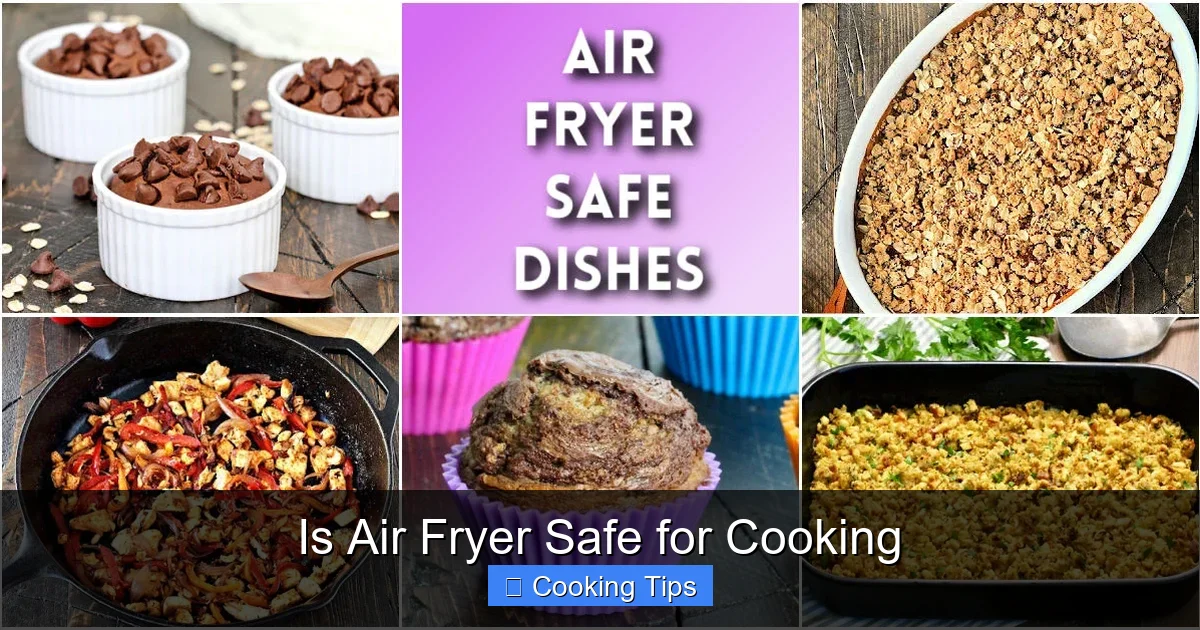
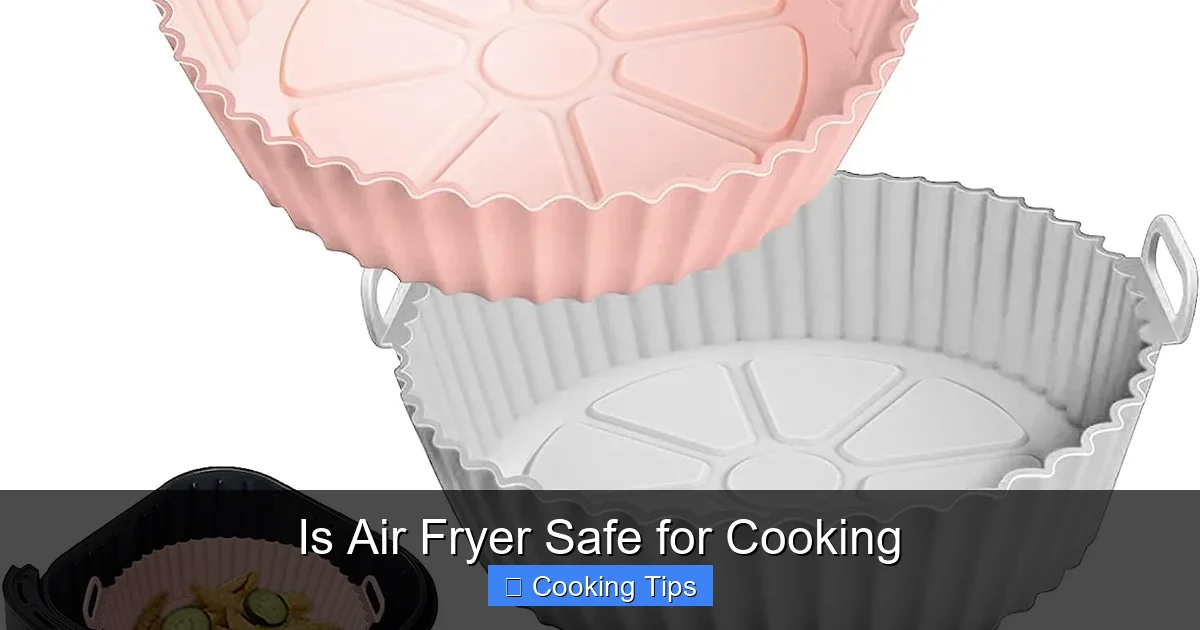
While there are many accessories available for air fryers, always ensure they are designed for air fryer use and are made from food-safe materials. Avoid anything that could melt, warp, or release harmful chemicals at high temperatures. If you’re looking to cook larger items, understanding what size air fryer you need for your family can also prevent overcrowding issues.
4. Proper Preheating
Most air fryer recipes recommend preheating the appliance. Preheating ensures that the air fryer reaches the desired temperature quickly and evenly, leading to better cooking results and reducing the chance of undercooked food. It’s like giving your food a head start to crisp up beautifully.
5. Using Oil Sparingly and Correctly
The whole point of an air fryer is to use less oil. However, a light mist or a tablespoon of oil can enhance crispiness and flavor.
Best practice: Use high-smoke-point oils like avocado oil, canola oil, or grapeseed oil. Avoid aerosol cooking sprays directly in the basket, as they contain propellants that can damage the non-stick coating over time.
If you need to spray oil, do so on the food before placing it in the basket, or use a refillable oil mister.
6. Cleanliness is Next to Air-Friedliness
Regular cleaning is crucial for both hygiene and safety. Food debris left in the basket or on the heating element can burn, creating smoke and unpleasant odors, and potentially becoming a fire hazard.
Cleaning steps:
- Cool Down: Always unplug the air fryer and allow it to cool completely before cleaning.
- Remove Basket and Tray: Wash the basket and tray with warm, soapy water. Most are dishwasher safe, but check your manual. Use a soft sponge or cloth to avoid scratching the coating.
- Wipe Down Exterior and Interior: Use a damp cloth to wipe down the outside of the air fryer and the interior surfaces.
- Clean Heating Element: Gently wipe the heating element with a damp cloth if accessible and it’s safe to do so according to your manual. Be very careful not to damage it.
7. Proper Food Handling
This applies to all cooking, not just air frying. Ensure that raw meats are stored separately from cooked foods and that you wash your hands thoroughly before and after handling raw ingredients. This prevents cross-contamination.
Can You Cook Anything In An Air Fryer?
Visual guide about Is Air Fryer Safe for Cooking
Image source: thefoodiephysician.com
The versatility of air fryers is a big part of their appeal. You can cook a wide variety of foods, from vegetables and meats to baked goods. For example, you can easily learn how to cook a pot pie in an air fryer or even try how to cook a crab cake in the air fryer. Many everyday foods like chicken wings, fries, and even things like eggplant become wonderfully crispy.
However, there are a few things to be mindful of:
- Wet batters: Foods coated in very wet batters might drip and cause smoke or uneven cooking. Opt for drier coatings or use parchment paper liners specifically designed for air fryers if needed.
- Leafy greens: Very light leafy greens can easily fly around and get stuck in the fan. It’s best to cook them in small batches or use a basket accessory to hold them down.
- Large roasts: While you can cook roasts, ensure your air fryer is large enough and that the roast can fit comfortably without touching the heating element or walls. For larger cuts, consider an air fryer roast recipe that is specifically adapted.
Troubleshooting Common Air Fryer Issues
Even with the best practices, you might encounter minor issues.
Smoke Coming From the Air Fryer
- Cause: Often due to food debris buildup or fatty foods rendering fat.
- Solution: Ensure the air fryer is clean. If cooking fatty foods, you might need to empty the drip tray midway through cooking or use parchment liners to catch excess fat.
Food Not Crispy
- Cause: Overcrowding the basket, not preheating, or not using enough oil.
- Solution: Cook in smaller batches, preheat the air fryer, and consider a light mist of oil.
Non-Stick Coating Damaged
- Cause: Using metal utensils, abrasive cleaners, or aerosol sprays.
- Solution: Replace the basket or tray. Avoid using metal utensils and abrasive cleaners in the future.
Conclusion
So, is an air fryer safe for cooking? Absolutely. When used according to manufacturer instructions and with sensible kitchen practices, an air fryer is a safe, healthy, and efficient way to prepare a wide variety of delicious meals. By understanding how it works, being aware of potential concerns like acrylamide formation, and adhering to basic safety and cleaning guidelines, you can confidently embrace this popular kitchen appliance. Enjoy your healthier, crispier favorites!