Yes, air fryers are fantastic for vegetables! They use hot air circulation to create delicious, crispy textures with less oil than traditional frying. This guide will walk you through selecting the right vegetables, preparing them, and cooking them to perfection in your air fryer. Enjoy healthier, faster, and tastier veggie sides with minimal effort.
# Is Air Fryer Good For Vegetables? Your Ultimate Guide
Are you wondering if your air fryer is just for fries and chicken wings, or can it actually make vegetables sing? The short answer is a resounding YES! Air fryers are not only good for vegetables, but they are *excellent*. They offer a healthier, faster, and incredibly tasty way to prepare your favorite greens, roots, and florets. Forget soggy, bland steamed veggies; an air fryer can transform them into crispy, flavorful delights that even the pickiest eaters will love.
In this comprehensive guide, we’ll dive deep into why air fryers are a game-changer for vegetable preparation. You’ll learn which vegetables work best, how to prepare them for optimal results, the secrets to achieving that perfect crisp, and even some troubleshooting tips. Get ready to rediscover your love for vegetables!
Key Takeaways
- Air fryers excel at making vegetables crispy and flavorful. The rapid circulation of hot air mimics deep-frying results with significantly less oil.
- Variety is key: Most vegetables can be air-fried, from root vegetables like potatoes and carrots to cruciferous ones like broccoli and Brussels sprouts.
- Proper preparation is crucial. Washing, drying, and cutting vegetables into uniform pieces ensures even cooking and optimal crispiness.
- Oil and seasoning are your friends. A light coating of oil helps achieve browning and crispiness, while seasonings enhance flavor.
- Don’t overcrowd the basket. Allow space for air to circulate freely, which is essential for achieving that desired crispy texture.
- Cooking times and temperatures vary. It’s important to experiment and adjust based on the specific vegetable and your air fryer model.
Why Air Fryers Are a Vegetable Lover’s Dream
Before we get into the “how,” let’s understand the “why.” What makes an air fryer so special for cooking vegetables?
* Healthier Cooking: The biggest advantage is the drastic reduction in oil needed. Instead of submerging vegetables in oil, you only need a light coating to achieve a delicious crisp. This means fewer calories and less fat without sacrificing taste or texture.
* Speed and Convenience: Air fryers preheat quickly and cook food much faster than traditional ovens. For busy weeknights, this is a lifesaver. You can have a batch of perfectly roasted vegetables ready in under 20 minutes.
* Incredible Texture: The magic of the air fryer lies in its rapid air circulation technology. It blasts hot air all around the food, creating a crispy exterior and a tender interior that’s hard to achieve with other methods, especially for vegetables that can often turn out mushy.
* Enhanced Flavor: The browning process that occurs in an air fryer naturally intensifies the natural sweetness and flavors of vegetables. This leads to a much more enjoyable taste experience.
* Versatility: From crunchy kale chips to perfectly tender roasted carrots, the air fryer can handle a wide array of vegetables and cooking styles.
The Best Vegetables to Air Fry
Visual guide about Is Air Fryer Good for Vegetables
Image source: wholesomeyum.com
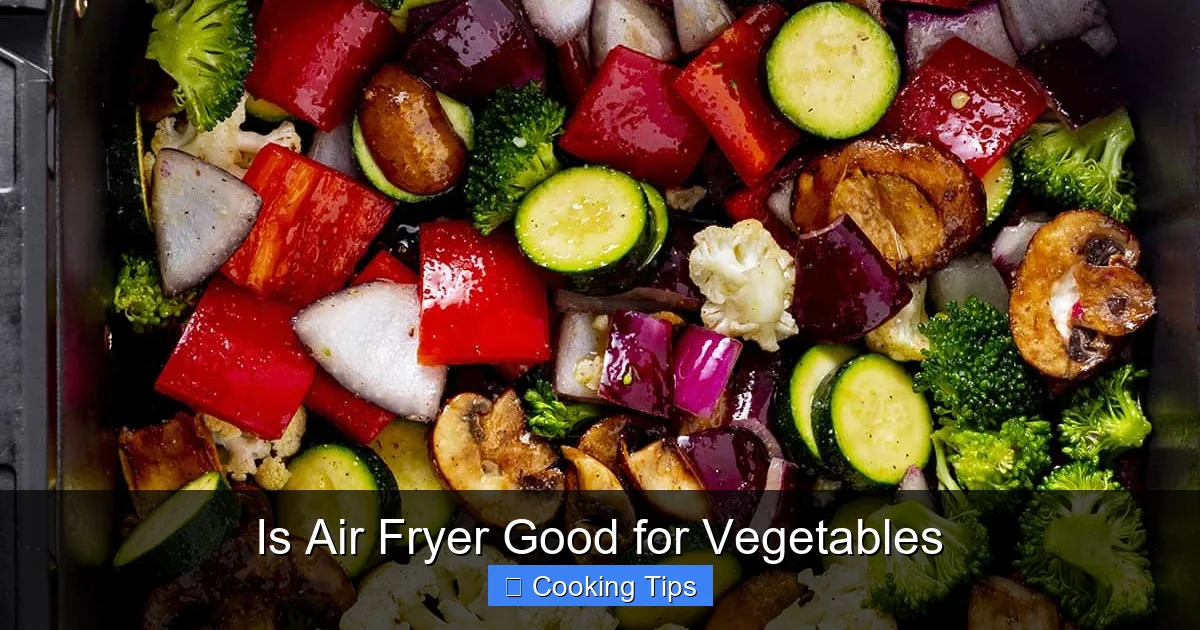
While most vegetables can be air-fried with success, some truly shine. Here are some of our favorites:
Root Vegetables:
* Potatoes: French fries, wedges, diced potatoes – they all turn out incredibly crispy.
* Sweet Potatoes: Similar to regular potatoes, they become delightfully crispy and a little sweeter.
* Carrots: Roasted carrot sticks or rounds get a lovely caramelized exterior.
* Parsnips: Offer a sweet, earthy flavor when air-fried.
* Beets: Roasted beets become tender and sweet, though they can stain.
Cruciferous Vegetables:
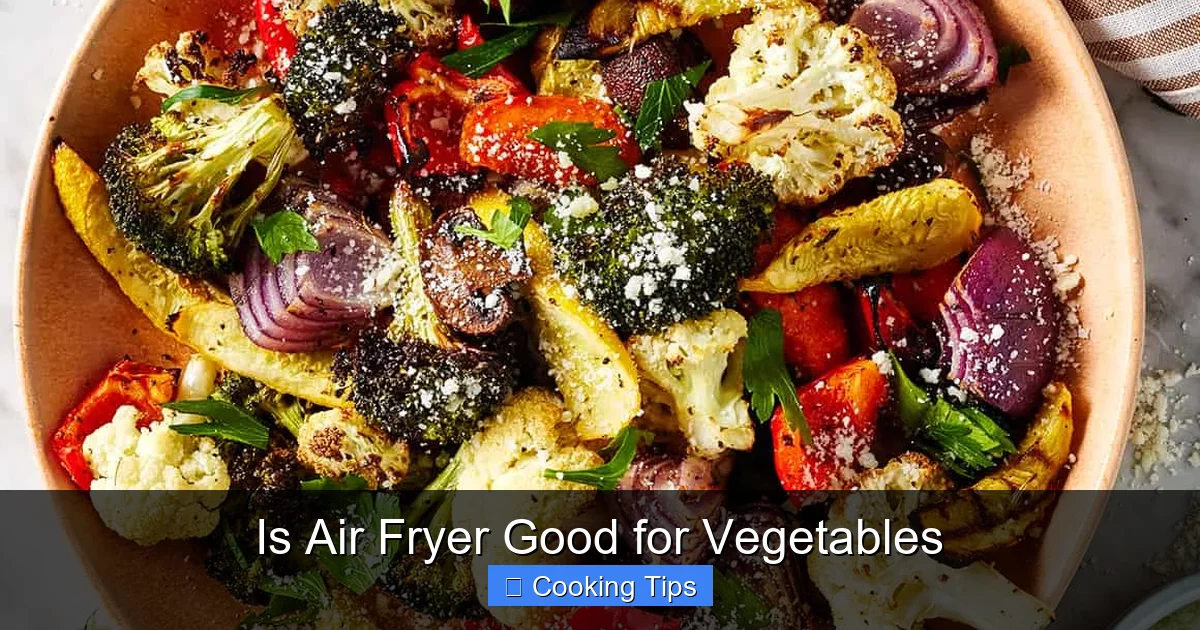
* Broccoli: Florets become tender-crisp with slightly browned, crispy edges.
* Cauliflower: Similar to broccoli, it develops a wonderful roasted flavor and texture.
* Brussels Sprouts: These are a star in the air fryer, getting wonderfully crispy and caramelized, often losing their sometimes bitter edge.
* Asparagus: Cooks very quickly and becomes tender-crisp.
Other Popular Choices:
* Bell Peppers: Sliced peppers become tender with slightly charred edges, perfect for fajitas or as a side.
* Onions: Onion rings get an amazing crunch, and wedges become sweet and tender.
* Zucchini and Summer Squash: Slice them and they become tender-crisp, though they can release a lot of water if not prepared properly.
* Mushrooms: Whole mushrooms or sliced ones become nicely browned and savory.
* Green Beans: Similar to asparagus, they cook quickly and remain tender-crisp.
* Kale and Spinach: Perfect for making quick, healthy chips.
How to Air Fry Vegetables: A Step-by-Step Guide
Visual guide about Is Air Fryer Good for Vegetables
Image source: wholesomeyum.com
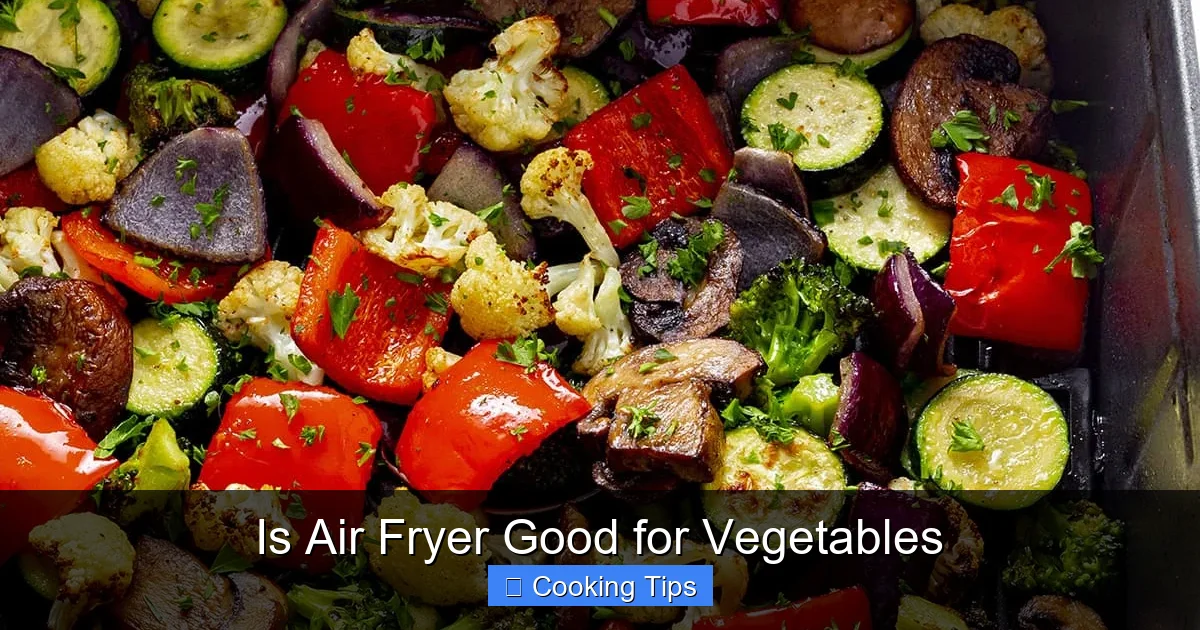
Ready to get started? Follow these simple steps to air fry your way to veggie perfection.
Step 1: Choose Your Vegetables
Visual guide about Is Air Fryer Good for Vegetables
Image source: cdn.loveandlemons.com
As we’ve seen, there are many great options. Pick vegetables that are relatively fresh and firm. Avoid anything that looks bruised or limp, as these won’t yield the best results.
Step 2: Wash and Dry Thoroughly
This is a crucial step for achieving crispiness.
* Wash: Rinse all vegetables under cool running water to remove any dirt or debris.
* Dry: Pat them completely dry with paper towels or a clean kitchen towel. Excess moisture is the enemy of crispiness; it will steam the vegetables instead of roasting them. For leafy greens like kale, make sure they are bone dry.
Step 3: Prepare Your Vegetables
How you cut your vegetables impacts cooking time and texture.
* Uniform Size: Cut vegetables into uniform pieces. This ensures that they all cook at the same rate. For example, if you’re air frying broccoli florets, make sure they are all roughly the same size. If you’re doing potato wedges, aim for similar thickness.
* Tender vs. Sturdy: Softer vegetables like bell peppers or zucchini can be cut into slightly larger pieces than denser ones like carrots or potatoes, as they cook faster.
* Leafy Greens: For kale or spinach chips, you’ll typically remove the tough stems and tear the leaves into bite-sized pieces.
Step 4: Coat with Oil and Seasonings
This is where the flavor magic happens!
* The Oil: You don’t need much! A tablespoon or two of your favorite cooking oil is usually sufficient for a standard batch. Good choices include olive oil, avocado oil, or vegetable oil.
* Application: Place your prepared vegetables in a bowl. Drizzle the oil over them. Toss well to ensure every piece is lightly coated. You can also place vegetables in a resealable bag with oil and seasonings and shake well.
* Seasonings: This is your chance to get creative!
* Salt and Pepper: The simplest and most effective.
* Garlic Powder & Onion Powder: Add savory depth.
* Herbs: Dried rosemary, thyme, or Italian seasoning work wonderfully.
* Spices: Paprika, chili powder, or cumin can add a kick.
* Parmesan Cheese: Sprinkle some grated Parmesan cheese on towards the end of cooking for a cheesy, crispy topping.
Step 5: Preheat Your Air Fryer
Most air fryers recommend preheating for optimal results, especially for achieving crispiness.
* Set your air fryer to the desired temperature (usually between 375°F and 400°F or 190°C and 200°C).
* Let it preheat for about 3-5 minutes.
Step 6: Arrange Vegetables in the Basket
This is another critical step for achieving that coveted crispiness.
* Single Layer: Arrange the seasoned vegetables in a single layer in the air fryer basket. Do NOT overcrowd the basket.
* Air Circulation: The air fryer works by circulating hot air around the food. If the basket is too full, the air cannot reach all the surfaces, leading to uneven cooking and a lack of crispiness. You might need to cook vegetables in batches, especially if you have a smaller air fryer or are cooking for a larger family. If you need to know what size air fryer for a family of 6, it’s important to consider this for batch cooking.
* Shake or Toss: If you have space, you can arrange them in a single layer. If not, loosely pile them, and be prepared to shake the basket more frequently.
Step 7: Air Fry and Shake
Now for the cooking!
* **Cooking Time and Temperature:** This will vary depending on the vegetable and your air fryer model. As a general guideline:
* Root vegetables (potatoes, carrots): 375°F-400°F (190°C-200°C) for 15-25 minutes.
* Cruciferous vegetables (broccoli, Brussels sprouts): 375°F-400°F (190°C-200°C) for 10-18 minutes.
* Softer vegetables (zucchini, bell peppers): 375°F (190°C) for 8-12 minutes.
* Leafy greens (kale chips): 300°F-350°F (150°C-175°C) for 3-7 minutes.
* **Shake Frequently:** For most vegetables, you’ll want to shake the basket or toss the vegetables halfway through the cooking time. For very small items like kale chips, you might need to stir more often. This ensures all sides get evenly browned and crispy.
* Check for Doneness: Vegetables are done when they are tender on the inside and crispy on the outside. You can test a piece with a fork.
Step 8: Serve Immediately
Air-fried vegetables are best served hot and fresh from the air fryer. They will lose their crispiness as they cool.
Tips for Perfectly Crispy Vegetables
Achieving that perfect crisp isn’t always straightforward. Here are some pro tips:
* Dry, Dry, Dry: We can’t stress this enough. Moisture is the enemy of crisp.
* Don’t Be Afraid of Oil: While you use less, a light coating is essential for browning and crisping.
* High Heat is Your Friend: Most vegetables benefit from higher temperatures (375°F-400°F) to crisp up quickly before they overcook.
* Don’t Overcrowd: Seriously, if you have to cook in batches, do it. It makes all the difference.
* Shake it Up: Regular shaking or tossing is key for even cooking and crisping.
* Experiment with Seasonings: Get creative! A sprinkle of nutritional yeast can add a cheesy flavor without dairy. A dash of smoked paprika adds a lovely smoky note.
* Consider Baking Paper: Some air fryer liners can help with cleanup and prevent sticking, but ensure they are perforated or small enough not to block airflow.
Troubleshooting Common Air Fryer Vegetable Issues
Even with the best intentions, sometimes things don’t turn out as planned. Here are solutions to common problems:
Problem: Vegetables are soggy, not crispy.
* Cause: Too much moisture, overcrowding the basket, or not enough oil.
* Solution: Ensure vegetables are completely dry before cooking. Cook in a single layer, shaking the basket frequently. If still soggy, try increasing the temperature by 10-15°F or cooking for a few more minutes.
Problem: Vegetables are burnt on the outside and undercooked inside.
* Cause: Temperature too high for too long, or uneven cutting.
* Solution: Reduce the cooking temperature by 10-15°F and check for doneness more frequently. Ensure all vegetable pieces are cut to a uniform size.
Problem: Vegetables are sticking to the basket.
* **Cause:** Not enough oil or a worn non-stick coating.
* **Solution:** Ensure vegetables are well-coated with oil. If sticking persists, try using a bit more oil or consider using air fryer parchment liners.
Problem: Some vegetables are cooked while others are not.
* **Cause: Uneven cutting or overcrowding.
* **Solution:** Cut vegetables into uniform sizes. Cook in batches if necessary to ensure the air can circulate freely around each piece.
Popular Vegetable Combinations to Try
Here are a few delicious combinations to get you started:
* Roasted Root Veggie Medley: Carrots, parsnips, sweet potatoes, tossed with olive oil, rosemary, salt, and pepper.
* Spicy Brussels Sprouts and Bell Peppers: Brussels sprouts halved, sliced bell peppers, tossed with olive oil, chili powder, garlic powder, and a pinch of salt.
* Broccoli and Cauliflower Bites: Broccoli and cauliflower florets tossed with olive oil, Italian seasoning, and a sprinkle of Parmesan cheese towards the end of cooking.
* Crispy Green Beans: Trimmed green beans tossed with a little oil, salt, and garlic powder.
* Kale Chips: Washed and thoroughly dried kale leaves (stems removed) tossed with a tiny bit of olive oil and salt. Cook at a slightly lower temperature to prevent burning. You can find more detailed instructions on air fryer kale recipes.
Conclusion
So, is an air fryer good for vegetables? Absolutely! It’s one of the best kitchen appliances for making vegetables exciting, healthy, and incredibly delicious. With minimal effort, you can transform humble produce into crispy, flavorful side dishes that will have everyone asking for seconds.
From speedy weeknight meals to impressive dinner party sides, the air fryer is your secret weapon. Remember the key principles: dry thoroughly, don’t overcrowd, season generously, and shake often. So go ahead, experiment with your favorite vegetables, and enjoy the crispy, healthy goodness that your air fryer can deliver. Your taste buds (and your body) will thank you!