Are air fryers bad for you? This guide breaks down the science behind air frying, highlighting its advantages over traditional deep frying. We’ll explore the nutritional aspects and provide practical tips to ensure you get the most out of your air fryer, making it a healthier and convenient cooking tool.
Is Air Fryer Bad For You
The kitchen appliance that has taken the world by storm, the air fryer, promises crispy, delicious food with a fraction of the oil used in traditional frying. But as with any popular cooking trend, questions arise: Is this trendy gadget actually good for us, or is it just another way to trick ourselves into eating unhealthy food? This comprehensive guide will dive deep into the facts, helping you understand whether an air fryer is bad for you and how to use it to your advantage for healthier, tastier meals.
We’ll explore the science behind air frying, compare it to other cooking methods, and uncover any potential downsides. By the end of this guide, you’ll have a clear understanding of how to maximize the benefits of your air fryer while minimizing any risks.
Key Takeaways
- Air frying is generally healthier than deep frying because it uses significantly less oil, reducing fat and calorie content in your food.
- While air frying is a healthier alternative, cooking starchy foods at high temperatures can still produce acrylamide, a potential carcinogen.
- Proper preparation and cooking techniques can minimize the formation of acrylamide and other harmful compounds.
- Air fryers offer convenience and versatility, allowing you to cook a wide variety of foods with a crispy texture without the mess of deep frying.
- Choosing the right foods to air fry and maintaining your appliance are key to enjoying its benefits safely.
- The amount of oil used is drastically reduced, making it a beneficial cooking method for weight management and heart health.
Understanding How Air Fryers Work
Before we can determine if air fryers are bad for you, it’s essential to understand their fundamental operating principle. An air fryer is essentially a compact, powerful countertop convection oven. It works by circulating hot air around your food at high speeds. This rapid circulation creates a “dead fried” effect, mimicking the texture and taste of deep-fried foods without submerging them in oil.
The Convection Process
The core technology relies on a heating element, usually located at the top of the appliance, and a fan. This fan blows hot air downwards and around the food in a circular motion. This consistent and intense heat transfer is what allows food to crisp up and become golden brown, just like it would in a deep fryer.
Oil Usage – The Key Difference
The most significant difference between air frying and deep frying lies in the amount of oil used. While deep frying requires submerging food in several cups of hot oil, air frying typically requires only a tablespoon or even less. Some recipes might not require any added oil at all, relying on the natural fats present in the food. This dramatic reduction in oil is the primary reason air frying is often touted as a healthier alternative.
The Health Benefits of Air Frying

Visual guide about Is Air Fryer Bad for You
Image source: myairfryerkitchen.com
The appeal of air fryers is undeniable, especially when you consider the potential health advantages they offer. By reducing oil consumption, air frying can lead to a significant decrease in the fat and calorie content of your favorite foods.
Reduced Fat and Calories
This is the most significant health benefit. Foods cooked in an air fryer generally contain far fewer calories and less fat than their deep-fried counterparts. For instance, a serving of French fries cooked in an air fryer can have around 50-70% fewer calories and fat than the same serving deep-fried. This makes it a great option for individuals trying to manage their weight or reduce their intake of saturated and trans fats. If you’re wondering what size air fryer for a family of 6, having a larger capacity can ensure everyone can enjoy healthier meals.
Lower Risk of Harmful Compounds
Deep frying, especially at high temperatures, can lead to the formation of harmful compounds. One of the most discussed is acrylamide, a substance that forms when certain foods, particularly starchy ones like potatoes, are cooked at high temperatures. While air frying still has the potential to create acrylamide, studies suggest that the levels are significantly lower compared to deep frying. This is because air frying uses a lower temperature and less oil.
Preservation of Nutrients
Certain cooking methods can degrade the nutritional content of food. While research is ongoing, some studies suggest that air frying, due to its shorter cooking times and lower temperatures compared to some other methods, might help preserve more nutrients in certain foods, especially vegetables.
Potential Concerns and Risks Associated with Air Frying

Visual guide about Is Air Fryer Bad for You
Image source: bellyfull.net
While the health benefits are substantial, it’s important to address any potential downsides. Like any cooking method, air frying isn’t entirely without risks, though they are generally manageable.
Acrylamide Formation
As mentioned, acrylamide can form in starchy foods when cooked at high temperatures. Foods like potatoes, bread, and certain baked goods are susceptible. While air frying produces less acrylamide than deep frying, it can still occur.
Tips to Minimize Acrylamide:
- Soak potatoes before air frying: Rinsing and soaking cut potatoes in water for 15-30 minutes can help remove some of the sugars that contribute to acrylamide formation.
- Avoid overcooking: Aim for golden brown, not dark brown or burnt, foods. The darker the color, the higher the potential for acrylamide.
- Marinate or season foods: Some studies suggest that marinades containing garlic or herbs might reduce acrylamide formation.
For example, when learning how to cook a pot pie in an air fryer, ensure the pastry doesn’t get overly browned.
Non-Stick Coating Concerns
Many air fryer baskets and trays are coated with non-stick materials, often PTFE (polytetrafluoroethylene), commonly known by the brand name Teflon. When these coatings are scratched or overheated, they can potentially release fumes.
Tips for Safe Non-Stick Use:
- Avoid metal utensils: Use silicone, wood, or plastic utensils to prevent scratching the non-stick surface.
- Don’t overheat an empty basket: Always have food in the basket when preheating, or preheat for the shortest time necessary.
- Inspect for damage: If the non-stick coating is chipped or peeling, it’s best to replace the basket or tray to avoid potential exposure.
Over-Processing and Unhealthy Food Choices
The convenience of an air fryer can sometimes lead to a temptation to cook highly processed foods, which are inherently less healthy regardless of the cooking method. While you can air fry frozen fries or chicken nuggets, these are still processed foods with added sodium and preservatives.
Making Healthier Choices:
- Focus on whole foods: Prioritize air frying vegetables, lean meats, and fish.
- Make homemade versions: Instead of frozen chicken nuggets, try making your own healthier versions using fresh chicken breast. Learning how to cook bone-in chicken breast in air fryer can be a great start.
- Control your ingredients: When you cook from scratch, you have full control over the amount of salt, sugar, and unhealthy fats you use.
Maximizing the Health Benefits of Your Air Fryer
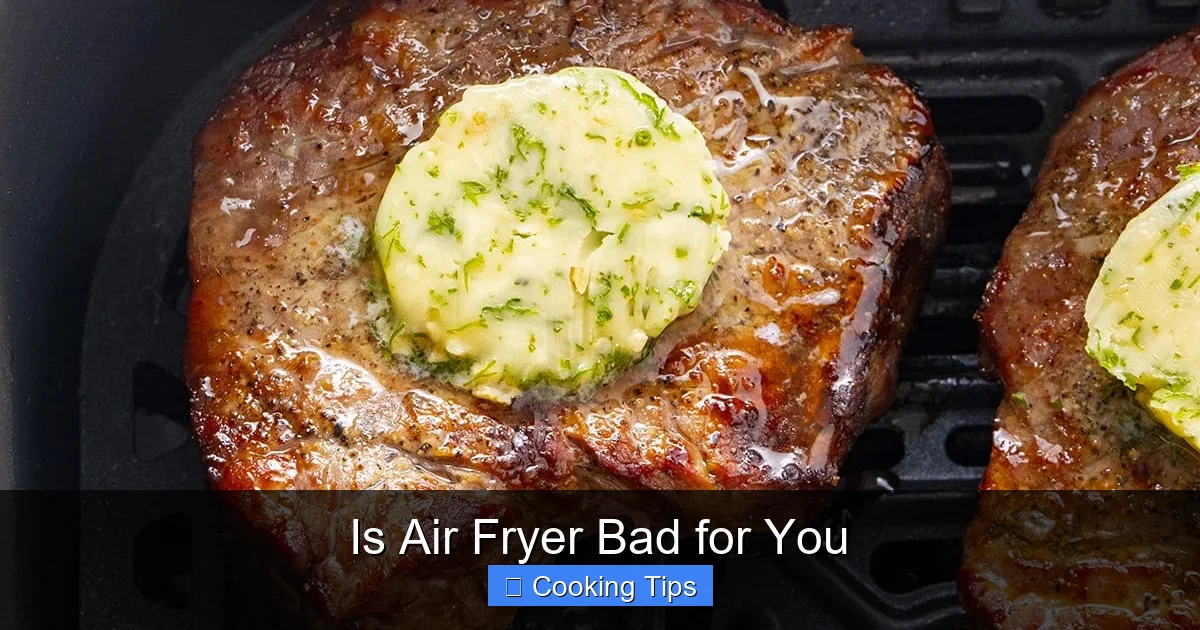
Visual guide about Is Air Fryer Bad for You
Image source: wholesomeyum.com
To ensure your air fryer is a tool for good health, it’s crucial to use it wisely. Here’s how to get the most nutritional bang for your buck.
Choose Healthy Ingredients
The air fryer is your friend for cooking vegetables to crispy perfection. Broccoli, Brussels sprouts, cauliflower, and sweet potato fries are excellent candidates. When it comes to proteins, lean meats like chicken breast, turkey, fish, and lean cuts of pork are ideal.
Vegetable Power
- Roast vegetables: Toss chopped vegetables like bell peppers, onions, zucchini, and asparagus with a minimal amount of olive oil, salt, and your favorite herbs. Air fry until tender and slightly crispy.
- Crispy kale chips: A fantastic healthy snack. Toss kale leaves with a tiny bit of oil and salt, then air fry until crisp.
Lean Protein Perfection
- Air-fried chicken: Whether it’s wings (with minimal coating) or breast, air frying provides a crispy exterior without excessive oil. Consider recipes for how to cook boneless chicken wings in air fryer.
- Fish fillets: Salmon, cod, or tilapia can be air-fried to flaky perfection, retaining moisture and flavor.
- Pork tenderloin: A lean and flavorful cut that cooks beautifully in the air fryer.
Use Oil Sparingly and Wisely
You don’t need much oil, but the type of oil you use can make a difference.
- Healthy oils: Olive oil, avocado oil, or coconut oil are good choices. Use a spray bottle for even distribution and minimal application.
- Avoid aerosol spray cans: Some aerosol cooking sprays contain propellants that can damage the non-stick coating of your air fryer over time. Opt for a refillable oil mister.
Control Portion Sizes
Even healthy foods cooked in an air fryer can contribute to overeating if portion sizes are too large. Be mindful of how much you’re consuming, especially if you’re using it as part of a weight management plan. For families, understanding what size air fryer for a family of 6 can help ensure you cook appropriate portions for everyone.
Experiment with Herbs and Spices
Let your air fryer become a flavor powerhouse! Instead of relying on salty sauces or breadings, experiment with a wide array of herbs and spices to add flavor without adding unhealthy ingredients. Paprika, garlic powder, onion powder, cumin, chili powder, Italian seasoning, and fresh herbs can transform simple ingredients into delicious meals.
Regular Cleaning and Maintenance
A clean air fryer is a safe and efficient air fryer. Food debris can burn and create unpleasant odors, and a buildup of grease can become a fire hazard.
- Daily cleaning: After each use, allow the air fryer to cool down, then wash the basket and tray with warm, soapy water.
- Deeper cleaning: Periodically clean the interior of the air fryer, including the heating element (if accessible and cool), to remove any accumulated residue. Refer to your appliance’s manual for specific cleaning instructions.
Air Frying vs. Other Cooking Methods
To truly assess if an air fryer is bad for you, it’s helpful to compare it to other popular cooking methods.
Air Frying vs. Deep Frying
As we’ve discussed, air frying is significantly healthier than deep frying due to the drastic reduction in oil. Deep frying adds a substantial amount of fat and calories, and the high temperatures can lead to higher levels of acrylamide and other potentially harmful compounds.
Air Frying vs. Baking
Baking is generally a healthy cooking method. However, air frying often uses less time and can achieve a crispier texture that baking might not replicate as effectively, especially for certain items like fries or chicken wings. Both methods are good, but air frying can offer a shortcut to achieving a fried-like crisp without the oil.
Air Frying vs. Pan-Frying
Pan-frying typically requires more oil than air frying, although less than deep frying. Air frying’s advantage here is its ability to circulate hot air for more even cooking and crisping without the need for constant flipping or the risk of oil splattering.
When Might an Air Fryer Be “Bad” for You?
An air fryer itself is not inherently bad. It’s a cooking appliance. However, it can contribute to unhealthy eating habits if used improperly.
When You Only Cook Processed Foods
If your air fryer is solely used for frozen, pre-packaged, and highly processed items, then the “healthiness” of the cooking method is overshadowed by the nutritional profile of the food itself. Think of it as a better way to cook less-than-ideal foods, rather than a magic wand that makes unhealthy foods healthy. Learning how to cook a frozen burger in the air fryer is convenient, but a fresh patty would be a healthier choice.
When You Ignore Safety Precautions
Not cleaning your appliance or using damaged equipment can pose risks. Overheating non-stick surfaces or using metal utensils that scratch the coating are examples of actions that could lead to potential issues.
When You Overeat Portions
The delicious crispy results can be addictive. Consuming large quantities of even healthy air-fried foods can lead to calorie surplus and weight gain.
Conclusion: Air Fryers are Generally Good for You (When Used Wisely!)
So, is an air fryer bad for you? The answer is a resounding **no**, provided you use it correctly and consciously. Air fryers offer a fantastic way to enjoy crispy, flavorful foods with significantly less fat and fewer calories than traditional deep frying. They promote a healthier lifestyle by enabling you to cook more vegetables and lean proteins to perfection.
The key to reaping the benefits lies in mindful cooking:
- Prioritize whole foods over processed options.
- Use oil sparingly and opt for healthy types.
- Control your portion sizes.
- Maintain your appliance by cleaning it regularly.
- Be aware of potential risks like acrylamide formation and take steps to minimize them.
By following these guidelines, your air fryer can be a valuable addition to your kitchen, helping you create delicious, healthier meals for yourself and your family. It’s a modern solution for modern kitchens looking for convenience and a healthier approach to enjoying classic, crispy textures.