No, a pressure cooker and an air fryer are not the same thing, although some modern kitchen appliances combine both functions. A pressure cooker uses steam and high heat to cook food quickly, locking in moisture and flavor. An air fryer, on the other hand, circulates hot air to create a crispy, fried texture without excessive oil. Understanding their distinct cooking methods is key to choosing the right appliance for your culinary needs.
Is a Pressure Cooker and Air Fryer the Same Thing?
The modern kitchen is a wonderland of gadgets designed to make our lives easier and our meals more delicious. Two stars of this show are the pressure cooker and the air fryer. You might have seen them advertised as revolutionary tools for fast, healthy cooking. But a common question pops up: are a pressure cooker and an air fryer the same thing?
The short answer is a resounding **no**. While they both aim to simplify cooking and deliver tasty results, they operate on fundamentally different principles and produce distinct outcomes. Think of them as cousins in the kitchen appliance family, sharing a love for cooking but having their own unique personalities and talents.
In this guide, we’ll dive deep into what makes each appliance special. We’ll explore their individual cooking mechanisms, the types of food they excel at, their benefits, and how they differ. By the end, you’ll have a clear understanding of each, so you can confidently choose the right tool for your next culinary adventure, or even appreciate a multi-cooker that offers both functions!
Key Takeaways
- Distinct Cooking Methods: Pressure cookers use steam and high pressure, while air fryers use hot air circulation for crisping.
- Texture Differences: Pressure cooking results in tender, moist food, whereas air frying produces crispy, browned exteriors.
- Speed vs. Crispiness: Pressure cookers excel at rapid cooking of tough cuts, while air fryers are ideal for achieving fried textures.
- Versatility: Both appliances offer unique culinary advantages, with some multi-cookers combining both functions for added convenience.
- Appliance Types: Traditional pressure cookers and air fryers are separate appliances, but “multi-cookers” often integrate both capabilities.
- Energy Efficiency: Pressure cooking can be more energy-efficient for long cooks due to shorter cooking times, while air fryers are efficient for smaller batches and quick crisping.
Understanding the Pressure Cooker
Let’s start with the venerable pressure cooker. This isn’t a new invention; it’s been around for centuries, evolving into the sleek, safe, and efficient appliance we know today.
How a Pressure Cooker Works
The magic of a pressure cooker lies in its ability to trap steam. It’s essentially a pot with a lid that seals tightly. When you add liquid and heat the pot, the liquid boils and creates steam. Because the lid is sealed, this steam can’t escape. As more steam builds up, the pressure inside the pot increases significantly.
This increased pressure has a remarkable effect on the boiling point of water. Normally, water boils at 212°F (100°C) at sea level. However, under high pressure, water can reach temperatures much higher, often up to 250°F (121°C) or even more. This superheated steam cooks food at an incredibly rapid pace.
The pot also has a pressure regulator, often a weighted valve or a spring-loaded valve, which releases excess steam to maintain a safe operating pressure. Safety features are paramount in modern pressure cookers, including multiple seals and mechanisms to prevent opening under pressure.
What Pressure Cookers Are Best For
Pressure cookers are champions when it comes to:
*
Tenderizing Tough Cuts of Meat: Think pot roasts, ribs, or stewing beef. The high heat and steam break down tough connective tissues much faster than conventional methods.
*
Cooking Grains and Legumes: Dried beans, lentils, rice, and even quinoa cook to perfection in a fraction of the usual time, without the need for pre-soaking for many items.
*
Soups and Stews: Flavors meld beautifully under pressure, creating rich, deeply satisfying broths and tender ingredients.
*
Quick Meal Preparation: If you have limited time, a pressure cooker can turn ingredients that would normally take hours into a finished meal in under an hour.
Benefits of Using a Pressure Cooker
*
Speed: This is the biggest win. Meals that typically take hours can be ready in 30-60 minutes.
*
Nutrient Retention: Because cooking times are shorter and the pot is sealed, fewer nutrients are lost compared to longer cooking methods like boiling.
*
Energy Efficiency: Shorter cooking times mean less energy consumption.
*
Flavor Infusion: The high pressure forces liquids and flavors into the food, resulting in intensely flavored dishes.
*
Moisture Retention: Food stays incredibly moist and tender.
Understanding the Air Fryer
Now, let’s pivot to the air fryer. This relatively newer appliance has taken the culinary world by storm with its promise of “fried” food with less oil.
How an Air Fryer Works
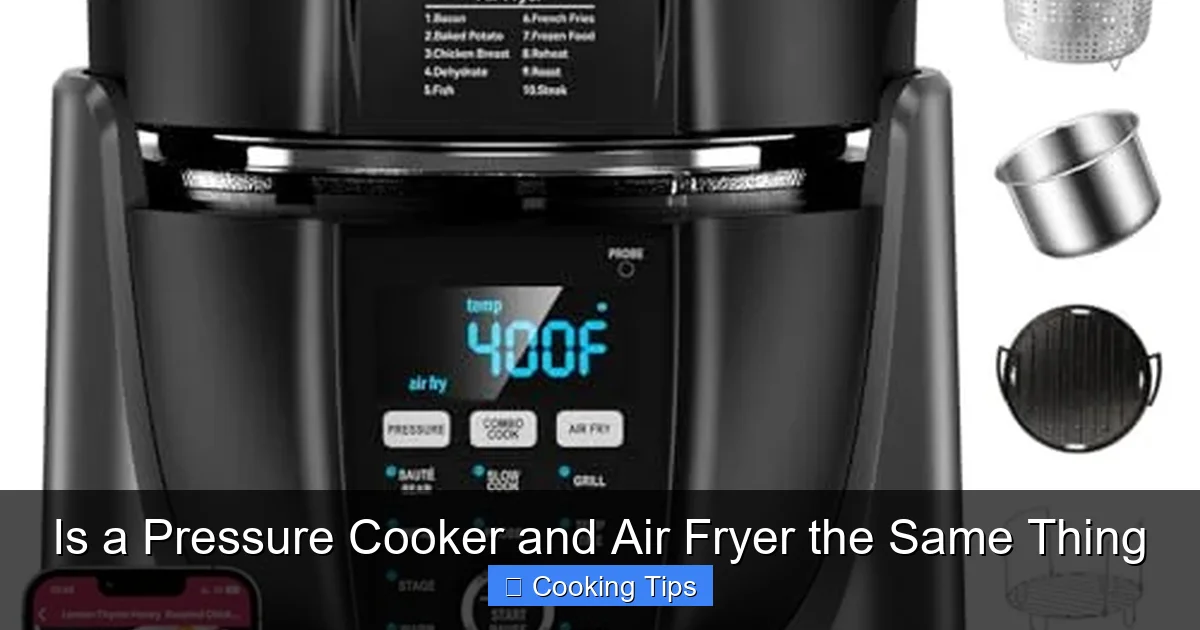
An air fryer is, in essence, a small, powerful convection oven. It works by circulating extremely hot air around the food at high speed. This is achieved through a heating element, typically at the top, and a powerful fan that blows the hot air downwards and around the food in a basket or tray.
The hot air quickly surrounds the food, mimicking the effect of deep-frying by creating a crispy, browned exterior. While it doesn’t use oil for cooking, a light coating of oil on the food itself can help enhance crispiness and browning.
What Air Fryers Are Best For
Air fryers shine when it comes to:
*
Crispy Textures: French fries, chicken wings, onion rings, and anything you want to be golden and crunchy.
Visual guide about Is a Pressure Cooker and Air Fryer the Same Thing
Image source: m.media-amazon.com
*
Reheating Leftovers: Say goodbye to soggy pizza or limp fries. An air fryer can revive leftovers to their former crispy glory.
*
“Frying” Without the Deep Fry: Enjoying the taste and texture of fried foods with significantly less fat and fewer calories. Many people love to learn how to cook a hot dog in the air fryer for a quick, crispy meal.
*
Roasting Small Batches: Vegetables like broccoli, Brussels sprouts, or even small cuts of chicken and fish can be roasted beautifully.
*
Baking Small Items: You can even bake small cakes or biscuits, achieving a lovely crust. Check out how to cook a cake in the air fryer for delicious results.
Benefits of Using an Air Fryer
*
Healthier “Frying”: Significantly reduces the amount of oil needed compared to traditional deep-frying.
*
Speed for Crispy Foods: Cooks many items faster than a conventional oven and achieves superior crispiness.
*
Ease of Use: Generally very simple to operate with intuitive controls.
*
Easy Cleanup: Most air fryer baskets and trays are non-stick and dishwasher-safe.
*
Less Mess: No dealing with large amounts of hot oil, which can be messy and dangerous.
Pressure Cooker vs. Air Fryer: The Key Differences
Now that we’ve looked at each appliance individually, let’s put them head-to-head to highlight their differences.
Cooking Mechanism
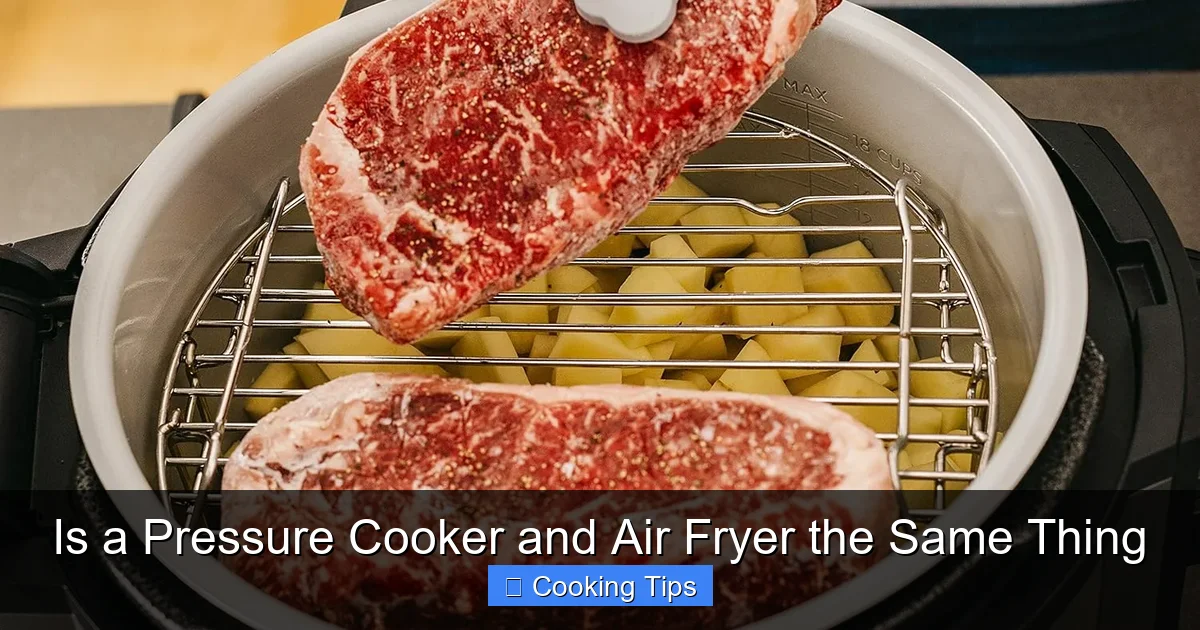
Pressure Cooker: Uses high-pressure steam to cook food quickly from the inside out. It’s a moist-heat cooking method.
Visual guide about Is a Pressure Cooker and Air Fryer the Same Thing
Image source: images-na.ssl-images-amazon.com
Air Fryer: Uses rapid circulation of hot air to cook food from the outside in, creating a crispy exterior. It’s a dry-heat cooking method.
Texture and Outcome
Pressure Cooker: Results in tender, moist, and flavorful food. Meats are fall-off-the-bone tender, and beans are perfectly cooked without being mushy.
Air Fryer: Achieves a crispy, browned, and often slightly dehydrated exterior. It excels at mimicking the texture of fried foods.
Ideal Foods
Pressure Cooker: Best for tough cuts of meat, dried beans, grains, stocks, soups, and stews.
Air Fryer: Best for foods that benefit from crisping: fries, wings, breaded items, vegetables, and reheating crispy leftovers. You can even cook a frozen burger in the air fryer for a quick, delicious meal.
Cooking Time
Pressure Cooker: Significantly reduces cooking time for ingredients that require long, slow cooking (e.g., hours reduced to minutes).
Air Fryer: Cooks faster than a conventional oven for many items, especially those requiring crisping, but not as drastically as a pressure cooker for tough meats.
Moisture Content
Pressure Cooker: Locks in moisture, making food very tender and juicy.
Air Fryer: Tends to dehydrate the surface of food to create crispiness, though the inside can remain moist.
The Rise of the Multi-Cooker: Combining Functions
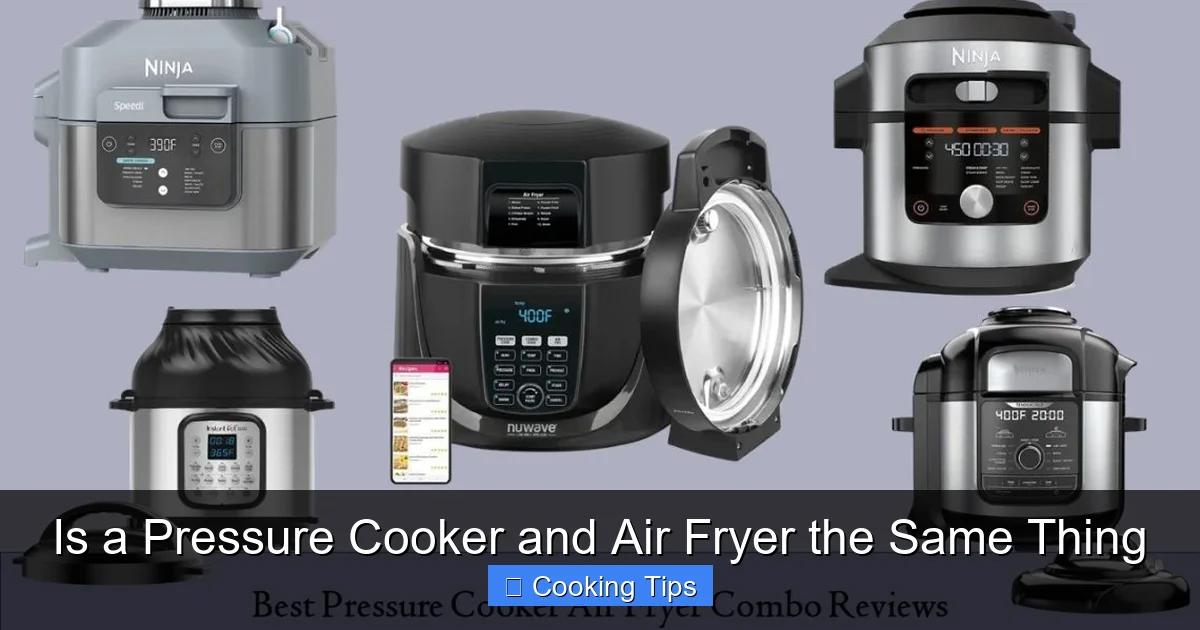
It’s important to note that the kitchen appliance landscape is always evolving. Many modern appliances are designed to do more than one thing. You’ll often find “multi-cookers” or “multi-function pressure cookers” that have both a pressure cooking function *and* an air frying (or roasting/broiling) function.
These devices typically have a pressure cooking base with a separate lid for pressure cooking and another lid, often with a heating element and fan, for air frying or baking.
Benefits of Multi-Cookers
*
Space-Saving: Combines two appliances into one unit.
Visual guide about Is a Pressure Cooker and Air Fryer the Same Thing
Image source: viragosushi.com
*
Versatility: Offers a wide range of cooking options, from pressure cooking to air frying, sautéing, slow cooking, and more.
*
Convenience: Can streamline meal preparation by allowing you to pressure cook one component and then air fry another, or even finish a pressure-cooked dish with a crisping function.
Considerations for Multi-Cookers
While multi-cookers are incredibly useful, it’s worth considering that sometimes dedicated appliances can perform their specific function slightly better due to specialized design. However, for most home cooks, the convenience and versatility of a multi-cooker are significant advantages. If you’re looking to cook a pot pie in an air fryer, a multi-cooker with an air frying lid can be an excellent tool.
Making the Right Choice for Your Kitchen
So, are they the same? No. Should you have one or both? That depends on your cooking habits and culinary goals.
*
If you frequently cook tough cuts of meat, dried beans, grains, or large batches of soup/stew, and you value speed above all else for these types of dishes, a dedicated pressure cooker is an excellent investment.
*
If you love crispy textures, want healthier alternatives to deep-frying, or enjoy quick cooking for smaller items like snacks and vegetables, an air fryer will be your new best friend. You might find yourself wanting to know how to make waffle fries in the air fryer or how to cook a Cornish hen in the air fryer.
*
If you have limited kitchen space, enjoy a wide variety of cooking methods, and want the flexibility to pressure cook and air fry, a multi-cooker is likely the most practical solution.
Conclusion
While a pressure cooker and an air fryer are distinct appliances with different cooking methods and results, both are valuable tools for any home cook. The pressure cooker is your go-to for speed and tenderness, transforming ingredients with moist heat and high pressure. The air fryer is your champion for crispiness and healthier “frying,” using circulating hot air to achieve golden perfection.
Understanding their individual strengths allows you to leverage each for what it does best. And with the advent of multi-cookers, you can often have the best of both worlds in a single, convenient appliance. Whichever you choose, get ready to explore a world of faster, more versatile, and delicious cooking!