Wondering if an air fryer is healthy? This guide breaks it down! Air fryers use hot air to cook food, significantly reducing the need for oil compared to deep frying. This often leads to lower fat and calorie content in your meals. We’ll explore how they work, their health benefits, potential drawbacks, and how to use them for the healthiest results.
Is A Air Fryer Healthy?
You’ve seen them everywhere – sleek, modern appliances promising crispy, delicious food with less guilt. The air fryer has taken kitchens by storm, and one of the biggest questions on everyone’s mind is: “Is an air fryer healthy?” The answer isn’t a simple yes or no, but a nuanced exploration of how this popular appliance can contribute to a healthier lifestyle.
In this comprehensive guide, we’ll dive deep into what makes air fryers a potentially healthier cooking option. We’ll explore the science behind how they work, the nutritional benefits, potential downsides to be aware of, and practical tips for maximizing their health advantages. By the end of this guide, you’ll have a clear understanding of how to incorporate an air fryer into your cooking routine for delicious and healthier meals.
Key Takeaways
- Significant Fat Reduction: Air fryers can reduce fat content by up to 75% compared to deep frying, making them a healthier alternative for many dishes.
- Preserves Nutrients: The quick cooking time and minimal oil used in air fryers can help preserve more vitamins and minerals in food compared to other cooking methods.
- Acrylamide Reduction: Air frying may produce lower levels of acrylamide, a potentially harmful compound formed during high-heat cooking of starchy foods, compared to deep frying.
- Versatility for Healthy Cooking: Air fryers are excellent for cooking vegetables, lean proteins, and even baking smaller items with less fat, promoting a balanced diet.
- Mindful Portion Control: While healthier, air-fried foods still contribute to calorie intake, so portion control and ingredient choices remain crucial for overall health.
- Choosing the Right Foods: Not all foods benefit equally. Whole, unprocessed foods are healthier when air-fried than highly processed or breaded options, even with less oil.
Understanding How Air Fryers Work
At its core, an air fryer is a countertop convection oven. It works by circulating hot air around your food at high speeds. This rapid circulation creates a crispy, “fried” texture without submerging the food in oil, as is the case with deep frying.
The Convection Principle
Convection cooking relies on a fan to move hot air. In an air fryer, this fan is powerful, ensuring that the hot air reaches all surfaces of the food evenly. This intense heat and air circulation mimic the effects of deep frying, resulting in a pleasing crispiness and browning.
Minimal Oil Requirement
This is where the health benefits often begin. Unlike deep frying, which requires a significant amount of oil to submerge food, air frying typically needs only a tablespoon or two of oil, or sometimes none at all. This drastically reduces the overall fat content of the cooked food.
The Health Benefits of Using an Air Fryer

Visual guide about Is a Air Fryer Healthy
Image source: happymuncher.com
When used correctly, air fryers offer several distinct advantages for those looking to eat healthier.
1. Significant Fat and Calorie Reduction
This is the most well-known health benefit. Because air fryers use hot air instead of vast amounts of oil, they can dramatically cut down on fat and calories.
* Comparison to Deep Frying: Many studies and anecdotal evidence suggest that air-fried versions of popular foods like French fries, chicken wings, and onion rings can contain 50% to 75% less fat than their deep-fried counterparts. For example, a serving of deep-fried chicken wings might have upwards of 15-20 grams of fat, while air-fried wings could have as little as 4-5 grams.
* Reduced Oil Absorption: Deep-fried foods absorb a lot of oil during the cooking process. Air fryers, by circulating hot air, create a crispy exterior by dehydrating the surface of the food, rather than saturating it with fat.
2. Preservation of Nutrients
The quick cooking times and lower temperatures sometimes associated with air frying (compared to some other methods) can help preserve nutrients in food.
* Vitamins: Water-soluble vitamins like Vitamin C and B vitamins can be lost when food is boiled or overcooked. The relatively short cooking cycles of an air fryer mean less time for these delicate nutrients to degrade.
* Minerals: Similarly, minerals are less likely to leach out into cooking liquids when using an air fryer, as minimal to no liquid is involved in the primary cooking process.
3. Lower Acrylamide Formation
Acrylamide is a chemical compound that can form in certain foods during high-temperature cooking processes, particularly those involving starchy foods like potatoes. Research suggests that acrylamide levels can be significantly lower in air-fried foods compared to deep-fried or oven-baked foods.
* What is Acrylamide?: It’s formed through a chemical reaction called the Maillard reaction, which also gives fried and roasted foods their appealing brown color and flavor. However, excessive exposure to acrylamide has been linked to potential health risks.
* Air Frying’s Advantage: The method of hot air circulation in an air fryer may lead to less browning and thus less acrylamide formation, especially when compared to the intense, prolonged heat of deep frying.
4. Versatility for Healthy Meal Preparation
The air fryer isn’t just for “fried” foods. It’s a versatile tool that can be used for a wide range of healthy cooking.
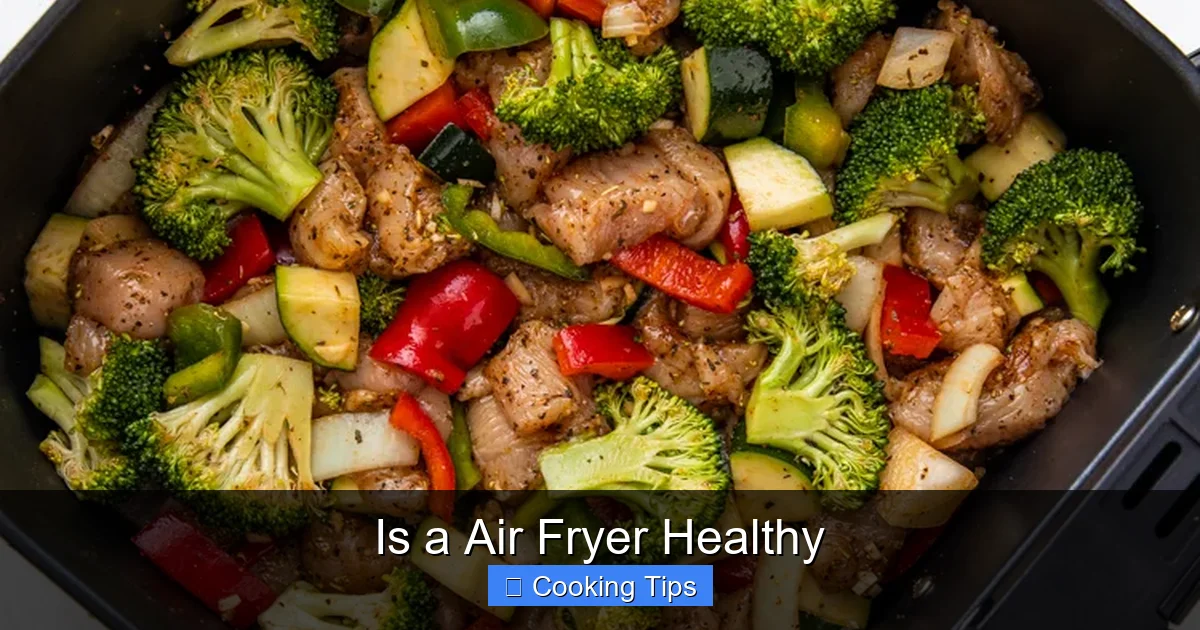
* Cooking Vegetables: Air fryers are excellent for roasting vegetables like broccoli, Brussels sprouts, bell peppers, and sweet potatoes. They become tender on the inside and slightly crispy on the outside, often tasting better than when steamed or boiled. You can easily make a side of delicious roasted vegetables in minutes.
* Cooking Lean Proteins: From chicken breasts and fish fillets to pork tenderloin, air fryers can cook lean proteins quickly and efficiently, keeping them moist and flavorful. For instance, cooking a marinated pork tenderloin can be a healthy and easy meal.
* Reheating Leftovers: Air fryers are far superior to microwaves for reheating foods that you want to retain their crispiness, such as pizza crust or fried chicken, preventing them from becoming soggy.
* Healthy Snacks: Making homemade kale chips or air-fried chickpeas are great examples of healthy snacks you can prepare.
Potential Downsides and Considerations
Visual guide about Is a Air Fryer Healthy
Image source: gimmedelicious.com
While the health benefits are significant, it’s important to be aware of potential drawbacks and use the air fryer mindfully.
1. Not a Magic Bullet for Unhealthy Foods
An air fryer can make unhealthy foods *healthier*, but it doesn’t transform unhealthy ingredients into health food.
* **Processed Foods:** If you’re air frying frozen breaded chicken nuggets or pre-made fries loaded with sodium and unhealthy fats, the reduction in oil might not be enough to make them a truly healthy choice. Always check nutrition labels.
* **Overconsumption:** Just because something is air-fried doesn’t mean you can eat unlimited quantities. Portion control and a balanced diet are still paramount.
2. Nutrient Loss Can Still Occur
While air frying can preserve nutrients well, some loss is inevitable with any cooking method that involves heat.
* High Temperatures: Some air fryers can reach very high temperatures. Prolonged exposure to extreme heat can degrade certain heat-sensitive vitamins, similar to other high-heat cooking methods.
* Food Preparation: How you prepare the food before air frying also matters. For instance, marinating meats can add healthy elements, but some marinades might contain high levels of sugar or sodium.
3. Concerns About “Non-Stick” Coatings
Some air fryer baskets are coated with non-stick materials, often containing PFAS (per- and polyfluoroalkyl substances). While generally considered safe when intact, these coatings can degrade over time and potentially release harmful chemicals if scratched or overheated.
* **Choose Wisely:** When purchasing an air fryer, look for models with ceramic or stainless steel baskets, or those that are PFOA-free.
* Proper Care: Handle your air fryer basket gently. Avoid using abrasive scrubbers or metal utensils that can scratch the non-stick surface.
4. Over-Drying Food
If not used correctly, the high-speed hot air can sometimes lead to food becoming dry, especially lean meats or delicate items.
* **Preheating is Key:** Always preheat your air fryer. This ensures even cooking and prevents the food from sitting in a cool environment that could lead to over-drying before it cooks properly.
* **Don’t Overcrowd:** Avoid packing the basket too full. Food needs space for the hot air to circulate effectively. Overcrowding can lead to uneven cooking and a higher chance of dryness.
How to Use Your Air Fryer for Maximum Health Benefits

Visual guide about Is a Air Fryer Healthy
Image source: skinnytaste.com
Making your air fryer a tool for healthier eating is all about smart choices and proper usage.
1. Prioritize Whole, Unprocessed Foods
The best way to make your air fryer healthy is to start with healthy ingredients.
* **Fresh Vegetables:** Toss fresh vegetables with a little olive oil, salt, and pepper, and air fry them for a fantastic side dish. You can experiment with different seasonings.
* Lean Proteins: Opt for chicken breast, turkey, fish, lean cuts of pork, or even lean beef.
* Whole Grains: While not the primary use, some whole-grain breaded items can be made healthier. For example, making homemade breaded chicken tenders with whole wheat breadcrumbs.
2. Use Oil Sparingly and Wisely
A light mist or a brush of healthy oil is usually all you need.
* Healthy Oil Choices: Use oils with a high smoke point like avocado oil, grapeseed oil, or olive oil.
* Spray Oils: Invest in a good oil mister or use a cooking spray sparingly. Avoid aerosol cans, which contain propellants that can damage the air fryer’s basket coating over time.
3. Experiment with Seasonings Instead of Heavy Sauces
Rely on herbs, spices, garlic powder, onion powder, paprika, and chili flakes to add flavor. This cuts down on added sugars and sodium often found in pre-made sauces and marinades.
4. Don’t Overcrowd the Basket
This is crucial for both effective cooking and food safety. Overcrowding leads to steaming rather than crisping, and can result in undercooked food in the center.
* Single Layer Cooking: Aim for a single layer of food in the basket whenever possible. If you’re cooking in batches, that’s perfectly fine.
* Shaking the Basket: For smaller items like fries or diced vegetables, shake the basket halfway through cooking to ensure even browning and crispiness.
5. Clean Your Air Fryer Regularly
A clean air fryer works more efficiently and safely.
* **Daily Cleaning:** Wipe down the basket and interior after each use once it has cooled.
* **Deep Cleaning:** Periodically, you may need to wash the basket and drawer with warm, soapy water. For stubborn residue, some suggest using a paste of baking soda and water. Always refer to your manufacturer’s instructions for specific cleaning recommendations.
6. Consider the Food You’re Cooking
Some foods are naturally better suited for air frying from a health perspective than others.
* Homemade vs. Store-Bought: Making your own fries from fresh potatoes and using minimal oil is far healthier than using frozen, pre-packaged fries.
* Breaded Foods: If you’re breading items, consider using whole-wheat breadcrumbs or almond flour for added nutrition. You can even try making a pot pie with a lighter, air-fried crust.
Troubleshooting Common Air Fryer Issues
Even with the best intentions, you might encounter a few snags.
Problem: Food is soggy and not crispy.
* Solution: You might be overcrowding the basket. Try cooking in smaller batches. Ensure the air fryer is preheated. Make sure you’re not using too much liquid or oil, which can inhibit crisping.
Problem: Food is dry or burnt on the outside, undercooked on the inside.
* Solution: The temperature might be too high for the cooking time, or you’re cooking too large a batch. Try reducing the temperature slightly or shortening the cooking time, and check for doneness more frequently. Ensure you’re not over-flipping or over-handling the food, which can dry it out.
Problem: The air fryer is smoking.
* Solution: This can happen if there’s too much oil or grease buildup from previous uses. Ensure your air fryer is clean. If you’re using fatty foods, like bacon (cooking bacon can sometimes produce smoke), make sure to clean the drip tray. Some foods, like very fatty meats, might naturally produce a small amount of smoke.
Conclusion: Air Fryers Can Be a Healthy Choice
So, is an air fryer healthy? When approached thoughtfully, absolutely. An air fryer is a powerful tool that can significantly reduce the fat and calories in your meals, preserve nutrients, and even lower the formation of harmful compounds like acrylamide. It encourages healthier cooking methods for a wide variety of foods, from crisping up vegetables to perfectly cooking lean proteins.
However, it’s crucial to remember that the healthfulness of your meal depends on more than just the appliance. The quality of your ingredients, mindful portion control, and proper usage of the air fryer are key. By choosing whole foods, using oil sparingly, and keeping your appliance clean, you can leverage the air fryer to create delicious, satisfying, and genuinely healthier meals for you and your family. Happy air frying!