This guide delves into the fascinating technology behind air fryers, explaining how they create crispy, delicious food with minimal oil. You’ll learn the science of hot air circulation, practical tips for optimal results, and discover the versatility of this popular kitchen appliance. Unlock the secrets to perfectly cooked meals and understand why air fryers are a game-changer for healthier, faster cooking.
How Well Do Air Fryers Work
Air fryers have taken kitchens by storm, promising the crispy texture of fried foods without the guilt (or the mess!) of traditional deep frying. But how exactly do these countertop wonders achieve such delicious results? If you’ve ever wondered about the magic behind that golden-brown crunch, you’re in the right place. This comprehensive guide will demystify the workings of an air fryer, explain why they are so effective, and provide you with practical tips to get the most out of your appliance. Get ready to unlock the secrets to perfectly air-fried meals!
- Air fryers mimic deep frying by circulating hot air at high speeds, creating a crispy exterior similar to traditional frying but with significantly less oil.
- The primary components of an air fryer are a heating element, a fan, and a perforated basket that work together to cook food evenly.
- For best results, preheating the air fryer is crucial to ensure even cooking and optimal crispiness from the start.
- Overcrowding the basket is a common mistake that hinders proper air circulation, leading to soggy or unevenly cooked food.
- Air fryers are versatile and can cook a wide range of foods, from meats and vegetables to baked goods and even reheating leftovers, offering a healthier alternative to conventional cooking methods.
Understanding the Technology: How Air Fryers Cook
At its core, an air fryer is a compact, high-powered convection oven. The term “air fryer” might be a little misleading, as it doesn’t actually “fry” in the traditional sense of submerging food in hot oil. Instead, it uses a clever combination of heat and air movement to achieve a similar, satisfying texture.
The Key Components
Let’s break down the main parts that make an air fryer tick:
- Heating Element: Located at the top of the appliance, this is similar to what you’d find in a conventional oven or toaster oven. It generates the heat needed to cook your food.
- Fan: This is the workhorse. A powerful fan, also situated at the top, circulates the hot air rapidly within the cooking chamber. This is the crucial element that mimics the cooking action of deep frying.
- Cooking Basket/Tray: This is where you place your food. Most air fryer baskets are perforated or have holes, allowing the hot air to circulate not just from the top, but also around and through the food. This ensures that all surfaces get exposed to the hot, moving air.
- Drip Tray (Optional): Some models have a tray at the bottom to catch any excess oil or grease that drips from the food.
The Science of Crispy
The magic happens when the heating element heats the air, and the fan blasts that hot air downwards at high speed. This rapid circulation creates a convection effect. Think of it like a powerful, enclosed whirlwind of heat surrounding your food. This intense, constant exposure to hot air causes the Maillard reaction and caramelization on the surface of your food, which is what gives fried items their characteristic brown color and crispy texture.
The perforations in the basket are essential for this process. They allow the hot air to reach every nook and cranny of your food, ensuring even cooking and crisping. Unlike deep frying where oil transfers heat to the food from all sides, air frying relies on the intensity and movement of the air. This is why very little oil is needed – the hot air itself is doing the heavy lifting.
Why Air Fryers Are So Effective: Benefits and Advantages
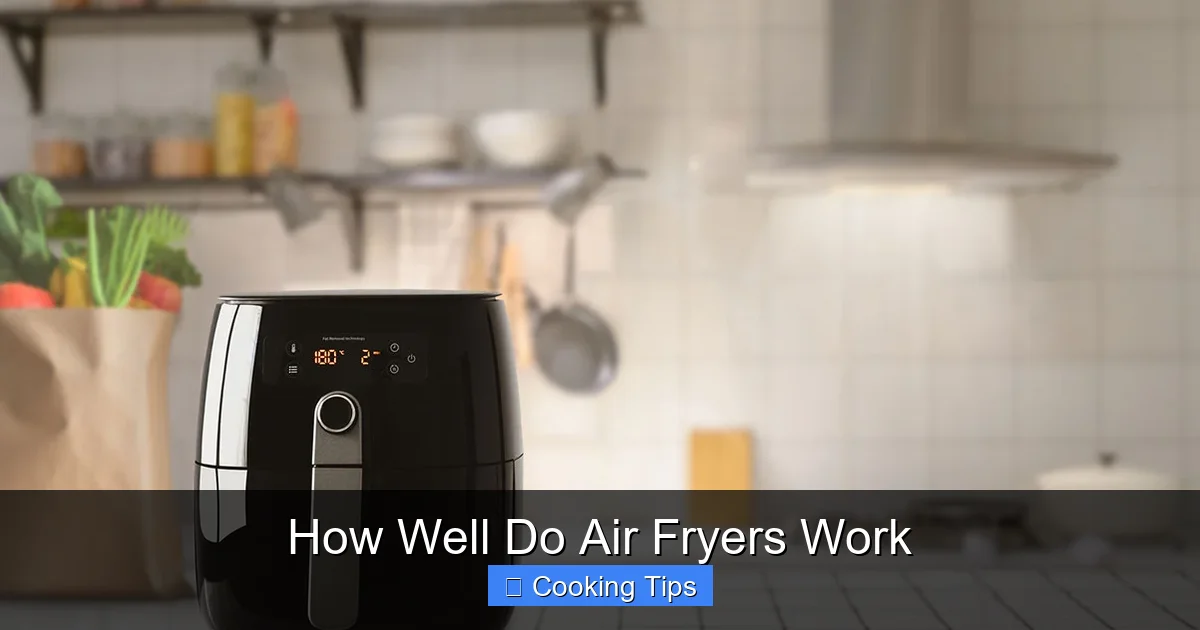
Visual guide about How Well Do Air Fryers Work
Image source: c02.purpledshub.com
Now that we understand how they work, let’s explore why air fryers have become so popular and effective for home cooks.
Healthier Cooking
This is perhaps the biggest draw. By using a fraction of the oil compared to deep frying, air fryers significantly reduce the fat and calorie content of your favorite “fried” foods. You can enjoy crispy fries, chicken wings, and even donuts with substantially less saturated fat.
Speed and Convenience
Air fryers preheat much faster than conventional ovens. Their compact size means the heating element is closer to the food, leading to quicker cooking times for many items. Plus, the cleanup is often much simpler than dealing with a pot of hot oil.
Crispy Texture
Air fryers excel at creating a satisfyingly crispy exterior. This is particularly noticeable with foods that are breaded or have naturally occurring fats, like chicken skin or french fries. The intense hot air circulation efficiently dries out the surface, leading to that desirable crunch.
Versatility
While often associated with “fried” foods, air fryers are incredibly versatile. They can roast vegetables, bake small cakes and muffins, cook meats like chicken and pork, and even reheat leftovers to a crispier state than a microwave can achieve. For instance, you can easily cook a pot pie in an air fryer, achieving a wonderfully flaky crust.
Less Mess
No more splattering oil or dealing with large vats of grease. The contained nature of an air fryer means the cooking process is much cleaner. Cleanup usually involves washing the basket and tray, which are often dishwasher-safe.
Tips for Getting the Best Results from Your Air Fryer
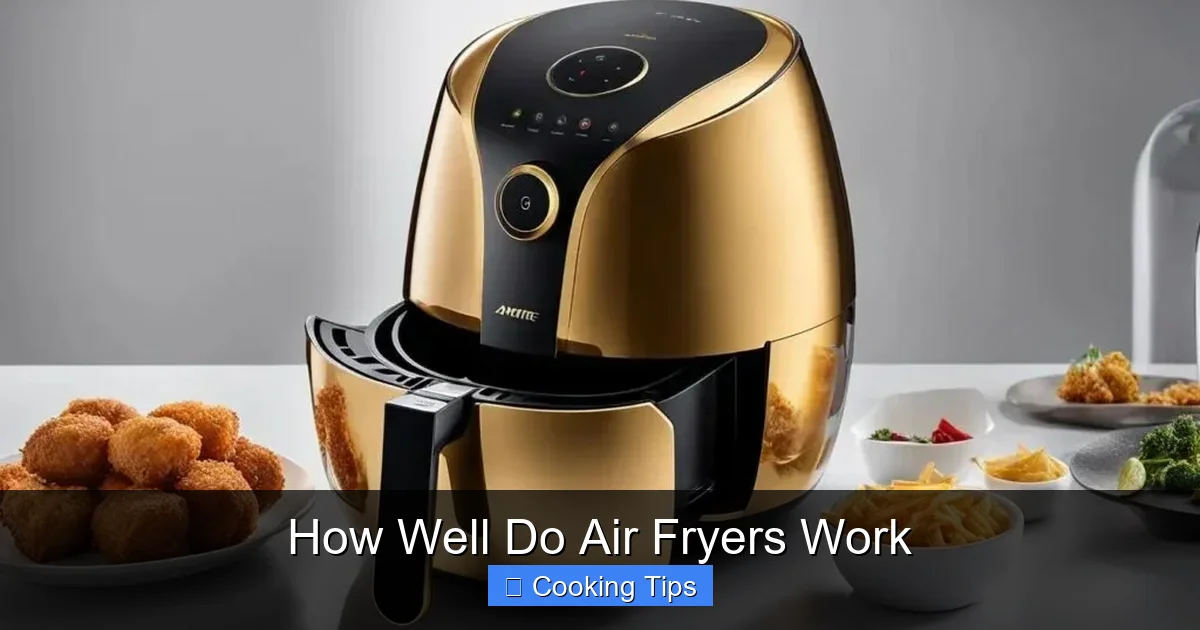
Visual guide about How Well Do Air Fryers Work
Image source: airfryeraid.com
Knowing how an air fryer works is one thing, but mastering its use is another. Here are some practical tips to ensure you achieve perfect, crispy results every time.
1. Preheat Your Air Fryer
Just like a conventional oven, preheating your air fryer is crucial. This ensures that your food starts cooking immediately at the optimal temperature, leading to more even cooking and better crispiness. Most recipes will suggest a preheat time of 3-5 minutes at the desired cooking temperature.
2. Don’t Overcrowd the Basket
This is arguably the most common mistake people make. The hot air needs space to circulate freely around your food. If you pack the basket too full, the air won’t be able to reach all surfaces, resulting in unevenly cooked, soggy food. Cook in batches if necessary. For example, when you cook boneless chicken wings in an air fryer, it’s better to do them in a single layer.
3. Use a Little Oil (When Needed)
While air fryers use much less oil than deep fryers, a small amount can still enhance crispiness and flavor. For foods that are naturally drier, like frozen fries or vegetables without much natural moisture, tossing them with a tablespoon of oil before cooking can make a big difference. Use an oil mister or toss them in a bowl.
4. Shake or Flip Food Midway
For items like fries, vegetables, or smaller pieces of protein, shaking the basket halfway through the cooking time is essential. For larger items, like a bone-in chicken breast, you’ll want to flip it to ensure both sides cook evenly and get crispy.
5. Experiment with Temperatures and Times
Air fryer models can vary slightly in their heating efficiency. What might take 15 minutes in one model could take 18 in another. Start with the recommended cooking time and temperature, but be prepared to adjust based on your specific appliance and the food you’re cooking. It’s always better to check for doneness a few minutes early and add more time if needed.
6. Pat Food Dry
For foods like chicken or fish, patting them thoroughly dry with paper towels before seasoning and cooking can help achieve a crispier exterior. Excess moisture can steam the food instead of crisping it.
7. Use the Right Accessories
Many air fryers come with accessories like racks or cake pans. These can be useful for cooking different types of food or cooking larger quantities. Just ensure they are designed for air fryer use and allow for good air circulation.
What Foods Can You Cook in an Air Fryer?
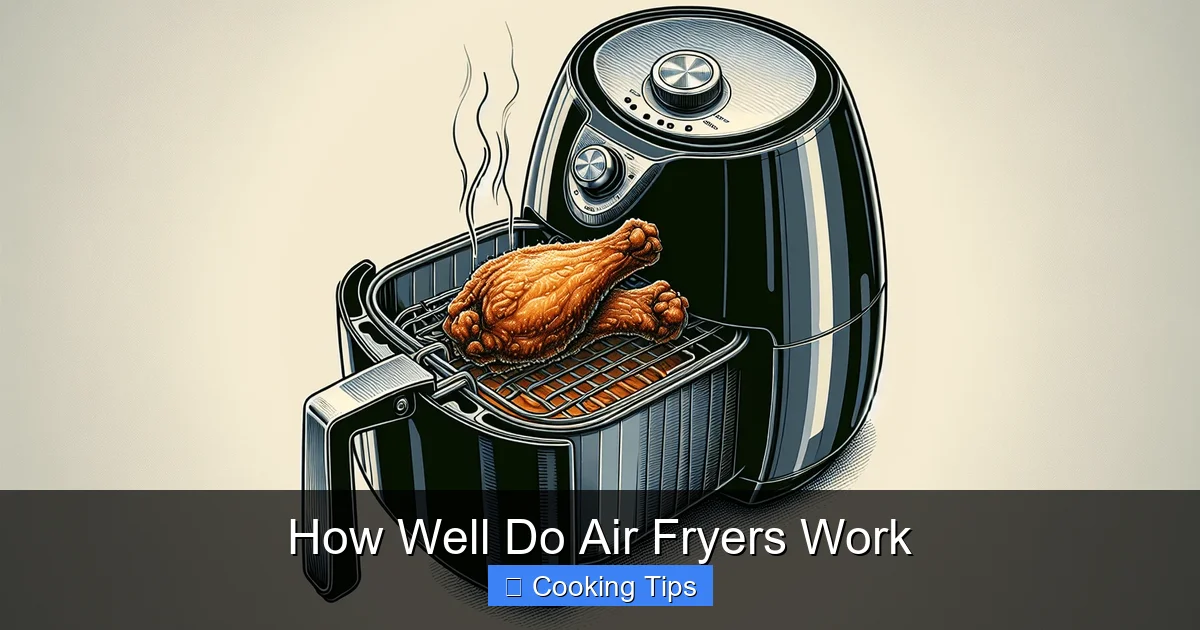
Visual guide about How Well Do Air Fryers Work
Image source: accessoryroad.com
The possibilities are vast! Here are some examples of foods that work exceptionally well in an air fryer:
- Vegetables: Broccoli, Brussels sprouts, asparagus, potatoes (fries, wedges, roasted), bell peppers, zucchini, onions. For example, learning how to make vegetables in an air fryer can revolutionize your side dishes.
- Meats: Chicken wings, chicken tenders, chicken breast, pork chops, pork tenderloin, sausages (like a bratwurst), meatballs, beef patties.
- Seafood: Shrimp, fish fillets, calamari.
- Frozen Foods: French fries, chicken nuggets, onion rings, spring rolls.
- Baked Goods: Muffins, cupcakes, small cakes, cookies, biscuits.
- Reheating Leftovers: Pizza, fried chicken, fries – air fryers are excellent for restoring crispiness.
While air fryers are amazing, they are not ideal for all foods. Very wet batters might drip through the basket, and delicate leafy greens can sometimes get blown around. For most common dishes, however, they perform wonderfully.
Troubleshooting Common Air Fryer Issues
Even with the best techniques, you might encounter a few hiccups. Here’s how to troubleshoot:
Issue: Food is soggy, not crispy.
* Cause: Basket is overcrowded.
* Solution: Cook in smaller batches, ensuring food is in a single layer.
* Cause: Not enough oil (for certain foods).
* Solution: Lightly toss food with a tablespoon of oil before cooking.
* Cause: Food wasn’t patted dry enough.
* Solution: Ensure meats and other moist foods are thoroughly dried before cooking.
Issue: Food is burnt on one side and undercooked on the other.
* Cause: Uneven air circulation.
* Solution: Shake the basket or flip the food midway through cooking. Ensure the air fryer is on a stable, level surface.
* Cause: Incorrect temperature or time.
* Solution: Adjust cooking time and temperature based on your appliance and food.
Issue: Food sticks to the basket.
* Cause: Lack of oil or non-stick cooking spray.
* Solution: Lightly coat the basket with cooking spray or a little oil, especially for delicate items. Some non-stick surfaces may wear down over time, so a little extra prevention can help.
Issue: Air fryer is smoking excessively.
* Cause: Too much oil or fatty drippings.
* Solution: Ensure the drip tray is clean and not overflowing. For very fatty foods, consider cooking at a slightly lower temperature or in batches to prevent grease from reaching the heating element. Also, ensure you are using a cooking oil with a high smoke point.
Conclusion: Air Fryers Deliver on Their Promise
So, how well do air fryers work? In short, they work exceptionally well for their intended purpose. They are a fantastic kitchen appliance that bridges the gap between healthy eating and enjoying delicious, crispy foods. By understanding the simple yet effective technology of hot air circulation, and by following a few key tips, you can consistently achieve impressive results. Whether you’re craving crispy fries, perfectly roasted vegetables, or tender chicken, your air fryer can deliver. Embrace this versatile tool, experiment with different recipes, and discover a healthier, faster, and more convenient way to cook. Happy air frying!