Choosing an air fryer can feel overwhelming, but this guide simplifies the process. We’ll walk you through key considerations like size and capacity, essential features, and how to find one that fits your budget. By the end, you’ll be ready to select the perfect air fryer for your needs.
Are you ready to ditch the grease and embrace healthier, crispy deliciousness? An air fryer might be your new best friend in the kitchen! These popular appliances cook food by circulating hot air around it, creating a satisfying crunch without all the oil. But with so many options out there, how do you pick the right one? Don’t worry, we’ve got you covered! This guide will help you navigate the world of air fryers and find the perfect model for your culinary adventures.
Key Takeaways
- Consider Your Needs: Think about how many people you typically cook for and what types of food you plan to make most often.
- Size and Capacity Matter: Air fryers come in various sizes, from compact models for individuals to larger ones for families.
- Features to Look For: Beyond basic frying, many air fryers offer roasting, baking, and dehydrating functions, plus digital controls and presets.
- Budget Wisely: Air fryers range from budget-friendly to premium, with price often reflecting capacity, build quality, and advanced features.
- Ease of Cleaning is Crucial: Look for models with dishwasher-safe baskets and non-stick surfaces to make cleanup a breeze.
- Read Reviews: User reviews offer invaluable insights into performance, durability, and any potential quirks of specific models.
Understanding the Basics: What is an Air Fryer?
Before we dive into picking one, let’s quickly recap what an air fryer does. It’s essentially a powerful, compact convection oven. It uses a heating element and a fan to blast hot air at your food. This rapid air circulation cooks food quickly and evenly, mimicking the results of deep-frying but with a fraction of the oil. This means you can enjoy crispy fries, chicken wings, and even vegetables with less fat and fewer calories.
Step 1: Assess Your Household and Cooking Habits
The first step to choosing an air fryer is to look inwards. How many people are you usually cooking for? What kind of meals do you envision making?
How Many People Do You Cook For?
This is probably the most important factor. A single person or a couple might be perfectly happy with a small, compact air fryer. However, if you have a larger family or often entertain guests, you’ll need a bigger model. Air fryers are often measured in quarts, and a good rule of thumb is:

Visual guide about How to Pick an Air Fryer
Image source: archiv.kompasslev.cz
- 1-3 quarts: Ideal for 1-2 people.
- 3-5 quarts: Good for 2-3 people.
- 5 quarts and up: Suitable for 3-5+ people or those who like to cook larger batches.
Remember, you can always cook in batches with a smaller air fryer, but it takes more time. For larger families, investing in a bigger unit upfront will save you a lot of hassle.
What Kind of Food Will You Cook?
While all air fryers can “fry,” some are better suited for specific tasks. If you’re primarily interested in crispy fries and chicken nuggets, most models will do the trick. But if you want to bake a small cake, roast a whole chicken, or dehydrate fruit, you’ll need to look for air fryers with more versatile functions and larger capacities.
For example, if you’re keen on making things like Tyson chicken nuggets or bone-in chicken breast, a standard basket-style air fryer is usually sufficient. But if you’re dreaming of cooking a pork roast or a beef roast, you might need a larger oven-style air fryer with racks.
Step 2: Explore Different Air Fryer Types
Air fryers generally fall into two main categories: basket-style and oven-style.
Basket-Style Air Fryers
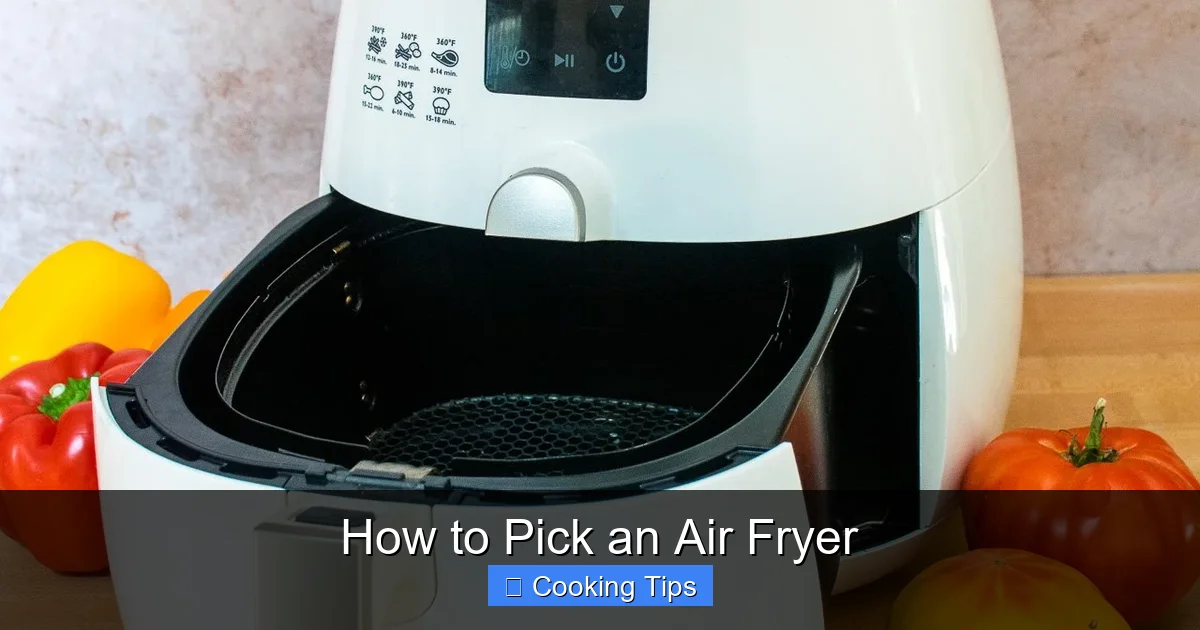
These are the most common type. They look a bit like a small, squat convection oven with a pull-out basket. You place your food in the basket, slide it in, and the hot air circulates around it. They are excellent for smaller, batch cooking and typically produce very crispy results. They are great for things like french fries, chicken wings, and smaller portions of vegetables. If you’re looking to cook items like bacon or brats, a basket model works wonderfully.
Visual guide about How to Pick an Air Fryer
Image source: bluejeanchef.com
Oven-Style Air Fryers
These look more like a traditional toaster oven. They have a door you open to access the interior, which typically includes multiple racks. This design allows you to cook larger quantities of food at once or cook different items simultaneously. Oven-style air fryers often come with more functions, like rotisserie, toasting, and broiling. If you want to cook a whole chicken or multiple items at once, this might be the better choice.
Step 3: Consider Key Features
Once you know the basic type you’re after, it’s time to look at the specific features that will enhance your cooking experience.
Digital vs. Analog Controls
Digital controls: These typically offer more precision. You’ll find touch screens, LED displays, and pre-set cooking functions for common foods (like fries, chicken, fish, etc.). They often allow for more precise temperature and time adjustments.
Visual guide about How to Pick an Air Fryer
Image source: recipethis.com
Analog controls: These use physical dials to set temperature and time. They are generally simpler to use but offer less precision. If you prefer a straightforward, no-fuss appliance, analog might be for you. However, digital controls often provide a more modern and user-friendly experience.
Capacity (Quarts)
As mentioned earlier, capacity is crucial. Make sure the size you choose comfortably fits the amount of food you typically prepare. It’s better to have a little extra space than to be constantly struggling to fit everything in. For instance, cooking a single steak is easy in most air fryers, but cooking for a crowd might require a larger model.
Wattage and Power
Higher wattage generally means faster cooking times and a more powerful appliance. Most air fryers range from 1200 to 1800 watts. While you don’t necessarily need the absolute highest wattage, a good mid-range power will ensure efficient cooking.
Extra Functions
Many modern air fryers go beyond just frying. Look for features like:
- Roast: Perfect for vegetables or smaller cuts of meat.
- Bake: Allows you to bake muffins, small cakes, or even bread. You can even bake a cake!
- Reheat: Great for bringing leftovers back to life without making them soggy.
- Dehydrate: Allows you to make your own jerky, dried fruits, or vegetable chips.
- Broil: Some oven-style models include a broil function for searing.
- Rotisserie: Available on larger oven-style models for perfectly roasted chickens.
Consider which of these extra functions would be genuinely useful for your cooking style. Don’t pay for features you’ll never use.
Accessories
Some air fryers come with accessories like extra racks, skewers, or baking pans. These can add versatility, but they can also increase the cost. Check what’s included and if you’ll need to purchase them separately.
Step 4: Evaluate Ease of Cleaning
Let’s be honest, cleaning is often the least fun part of cooking. For an air fryer, ease of cleaning is a significant factor in its long-term usability.
Dishwasher-Safe Parts
The best-case scenario is when the basket, crisper plate, and any other removable parts are dishwasher-safe. This makes cleanup incredibly simple.
Non-Stick Coatings
Look for baskets and trays with good quality non-stick coatings. This prevents food from sticking and makes wiping down the interior much easier, even if you have to hand wash.
Removable Crumb Tray
Some models have a removable crumb tray at the bottom, which catches any stray bits of food. This is a nice feature for easier cleanup of the main unit.
Step 5: Set Your Budget
Air fryers can range from under $50 to over $300. Your budget will significantly influence the features and capacity you can afford.
Budget-Friendly Options
Basic basket-style air fryers with analog controls can be found for a very reasonable price. These are excellent for individuals or couples who want to experiment with air frying without a big investment. They might have less capacity or fewer advanced features but can still deliver great results for simple dishes.
Mid-Range Options
In the $75-$150 range, you’ll find digital models with good capacity (around 3-5 quarts), a decent array of presets, and better build quality. Many popular brands fall into this category, offering a good balance of features and performance.
Premium Options
High-end air fryers, often oven-style, can cost $150 and up. These typically offer large capacities, multiple cooking functions, superior build materials, smart connectivity, and innovative designs. If you plan to use your air fryer extensively and want all the bells and whistles, a premium model might be worth the investment.
Step 6: Read Reviews and Check Brands
Before making your final decision, do your homework.
User Reviews
Online reviews from real users are invaluable. Look for patterns in feedback regarding performance, durability, ease of use, and cleaning. Pay attention to reviews that mention specific foods you plan to cook, like pot pies or lobster tails.
Brand Reputation
Some brands are known for their reliable kitchen appliances. While you don’t always need to stick to the big names, researching a brand’s reputation for customer service and product quality can be helpful.
Troubleshooting Common Air Fryer Issues
Even with the perfect air fryer, you might encounter a few hiccups.
Food is Not Crispy Enough
- Problem: Food lacks crispiness.
- Solution: Ensure you’re not overcrowding the basket. Air needs to circulate freely. You may also need to increase the temperature slightly or cook for a few extra minutes. Using a tiny bit of oil can also help achieve crispier results.
Uneven Cooking
Problem: Some parts of the food are cooked more than others.
Solution: Shake the basket halfway through cooking. For oven-style models, you might need to rotate trays or rearrange food on racks.
Smoke Coming from the Air Fryer
Problem: Excessive smoke.
Solution: This can happen if fatty foods drip onto the heating element. Ensure the drip tray is properly in place. For very fatty items like bacon, you might need to clean the heating element area more frequently. Using less oil can also help.
Conclusion
Picking an air fryer is an exciting step towards healthier and more convenient cooking. By considering your household size, cooking habits, desired features, budget, and importantly, ease of cleaning, you can confidently choose an appliance that will become a staple in your kitchen. Whether you’re a novice cook or a seasoned chef, an air fryer can unlock a world of crispy, delicious possibilities. Happy air frying!