Discover the effortless way to prepare delicious and healthy vegetables using your air fryer! This guide provides a comprehensive, step-by-step approach to achieving perfectly roasted, crispy, and flavorful vegetables every time. From selecting the best vegetables to mastering cooking times and temperatures, you’ll unlock a world of quick and easy vegetarian meals and side dishes. Get ready to transform your vegetable game with minimal effort and maximum taste!
Key Takeaways
- Uniform Cutting is Crucial: Cutting vegetables into similar-sized pieces ensures even cooking and prevents some from being burnt while others are undercooked.
- Don’t Overcrowd the Basket: Allowing adequate space for air circulation is essential for achieving crispy results. Cook in batches if necessary.
- Preheating is Key: Preheating your air fryer to the recommended temperature helps to start the cooking process immediately and ensures crispier exteriors.
- Season Generously: Proper seasoning with oil, salt, pepper, and your favorite spices elevates the flavor of air-fried vegetables significantly.
- Shake or Flip for Evenness: Midway through cooking, shaking the basket or flipping the vegetables promotes uniform browning and prevents sticking.
- Experiment with Time and Temp: Different vegetables require different cooking times and temperatures. Always refer to recipes or charts and adjust based on your air fryer’s performance.
- Fresh is Best, But Frozen Works Too: While fresh vegetables generally yield the best texture, many frozen vegetables can be air-fried successfully with slight adjustments.
How to Make Veg in Air Fryer
Are you looking for a healthier, faster, and more delicious way to cook your vegetables? Look no further than your air fryer! This amazing kitchen appliance uses hot air circulation to create a crispy, roasted texture that’s often hard to achieve with traditional methods. Making vegetables in the air fryer is incredibly simple, and the results are consistently fantastic. Whether you’re a seasoned home cook or just starting out, this guide will show you exactly how to make delicious vegetables in your air fryer, transforming your weeknight dinners and side dishes forever.
We’ll cover everything you need to know, from selecting the best vegetables to crisp up, to prepping them for the perfect cook, and finally, how to load and cook them for optimal flavor and texture. Get ready to say goodbye to soggy, bland vegetables and hello to crispy, flavorful delights!
Why Use an Air Fryer for Vegetables?
Before we dive into the how-to, let’s quickly touch on why the air fryer is your new best friend for vegetable preparation.
- Healthier: Air frying requires significantly less oil than traditional frying methods, making your vegetable dishes much healthier.
- Faster: The rapid circulation of hot air cooks vegetables much quicker than roasting in a conventional oven.
- Crispier Texture: This is the game-changer! The air fryer creates a delightful crispiness that’s hard to beat.
- More Flavor: Roasting concentrates the natural sugars in vegetables, leading to a richer, more intense flavor.
- Easy Cleanup: Most air fryer baskets are non-stick and easy to clean, saving you time on dishes.
Step 1: Choose Your Vegetables
Almost any vegetable can be made in an air fryer, but some shine brighter than others. The best vegetables for air frying are those that benefit from roasting and caramelization.
Best Vegetables for Air Frying
- Root Vegetables: Potatoes (all kinds!), sweet potatoes, carrots, parsnips, and beets. These become wonderfully tender on the inside and slightly crispy on the outside.
- Cruciferous Vegetables: Broccoli, cauliflower, Brussels sprouts, and asparagus. These get deliciously charred and crispy edges.
- Bell Peppers and Onions: These soften and sweeten beautifully, offering a lovely contrast in texture.
- Zucchini and Squash: They cook quickly and can become quite tender, though they are more prone to getting soggy if overcooked.
- Green Beans: Another quick-cooking vegetable that becomes nicely tender-crisp.
- Mushrooms: They absorb flavors wonderfully and develop a satisfying chew.
Vegetables to Be Cautious With
- Leafy Greens: Spinach and kale can burn very quickly. If you want crispy kale chips, use low temperature and watch them closely.
- Very Watery Vegetables: Tomatoes, cucumbers, and very soft fruits might not be ideal for achieving a crispy texture.
Step 2: Prepare Your Vegetables
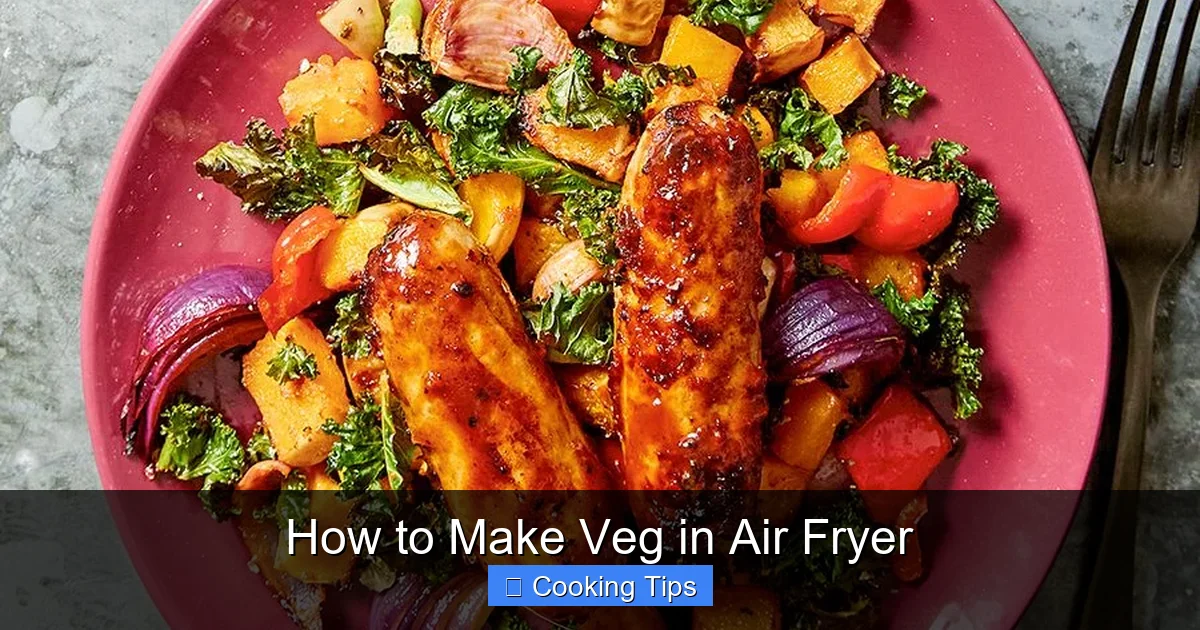
Visual guide about How to Make Veg in Air Fryer
Image source: images.immediate.co.uk
Proper preparation is key to achieving the best results. This involves washing, drying, and cutting your vegetables.
Washing and Drying
Always start by thoroughly washing your vegetables under cold running water. After washing, it’s crucial to dry them very well. Moisture is the enemy of crispiness! Pat them dry with paper towels or use a clean kitchen towel. The drier the vegetables are, the crispier they will become.
Cutting for Even Cooking
This is a critical step that many people overlook. For vegetables to cook evenly, they need to be cut into uniform, bite-sized pieces.
- Size Matters: Aim for pieces that are roughly the same size and thickness. If you have large chunks of broccoli and tiny florets, the tiny ones will burn before the large ones are cooked.
- Root Vegetables: Cut potatoes and carrots into cubes or sticks about 1/2 inch thick.
- Cruciferous Vegetables: Break broccoli and cauliflower into florets that are similar in size, about 1 to 1.5 inches.
- Asparagus and Green Beans: Leave them whole or snap them into manageable lengths.
- Bell Peppers and Onions: Cut into wedges or strips of similar thickness.
Think about how long each vegetable typically takes to cook and try to group them accordingly if you’re cooking a mix. For example, potatoes take longer than broccoli. You might want to cook denser vegetables for a few minutes longer.
Step 3: Seasoning is Everything
This is where you add flavor! A good coating of oil and seasonings will ensure your vegetables are delicious and prevent them from sticking to the basket.
The Oil Component
You don’t need much oil, just enough to lightly coat the vegetables.
- Type of Oil: Use oils with a high smoke point, such as avocado oil, canola oil, grapeseed oil, or light olive oil. Extra virgin olive oil can be used, but it might smoke more.
- Amount: Start with about 1 tablespoon of oil for every 2 cups of chopped vegetables. You can always add a tiny bit more if needed.
Toss the vegetables in a bowl with the oil until evenly coated.
Seasoning Blends
This is where you can get creative!
- Salt and Pepper: The absolute essentials for bringing out flavor.
- Garlic Powder and Onion Powder: These add a savory depth.
- Paprika: Smoked paprika or sweet paprika adds color and a lovely smoky or sweet note.
- Herbs: Dried herbs like rosemary, thyme, oregano, or Italian seasoning work wonderfully. Add fresh herbs like parsley or cilantro *after* cooking.
- Spicy Kick: Red pepper flakes or a dash of cayenne pepper for those who like a bit of heat.
- Umami Boost: A sprinkle of nutritional yeast or a little soy sauce (use sparingly, as it can make things soggy).
Mix your chosen seasonings with the oiled vegetables in the bowl. Ensure everything is well-coated.
Step 4: Preheating Your Air Fryer
This step is often overlooked but makes a big difference in achieving crispy results.
- Why Preheat? Preheating allows the air fryer to reach the desired temperature before you put the food in. This ensures that the cooking process begins immediately, leading to a crispier exterior and more even cooking.
- How to Preheat: Set your air fryer to the desired temperature (usually between 375°F and 400°F or 190°C and 200°C) and let it run for about 3-5 minutes.
- Check Your Manual: Some air fryer models don’t require preheating, or they have specific instructions. Always check your appliance’s manual.
Step 5: Load the Air Fryer Basket
This is where you put your seasoned vegetables into the air fryer.
Avoid Overcrowding
This is the golden rule of air frying!
- Air Circulation: The air fryer works by circulating hot air around the food. If the basket is too full, the air can’t circulate properly, and your vegetables will steam instead of crisping up.
- Cook in Batches: It’s much better to cook your vegetables in batches than to overcrowd the basket. You want a single layer of vegetables in the basket.
- Visible Space: You should be able to see some of the basket’s mesh through the vegetables.
If you have a lot of vegetables, plan to cook them in two or three batches. The extra time spent cooking in batches will be worth the superior crispy results.
Step 6: Cook and Monitor
Now it’s time to cook! The cooking time and temperature will vary depending on the type of vegetable, its size, and your specific air fryer model.
General Temperature and Time Guidelines
Here are some general guidelines to get you started. Always adjust based on your observations.
- Temperature: Most vegetables cook well between 375°F (190°C) and 400°F (200°C).
- Cooking Time:
- Root Vegetables (potatoes, carrots): 15-25 minutes
- Broccoli, Cauliflower, Brussels Sprouts: 10-15 minutes
- Bell Peppers, Onions: 8-12 minutes
- Asparagus, Green Beans: 7-10 minutes
- Zucchini, Squash: 7-10 minutes
These are just starting points. You’ll learn what works best for your air fryer.
Shake or Flip Halfway Through
To ensure even cooking and browning, it’s essential to shake the basket or flip the vegetables about halfway through the cooking time.
- For Basket-Style Air Fryers: Simply pull out the basket and give it a good shake.
- For Oven-Style Air Fryers: Use tongs or a spatula to gently flip the vegetables on the tray.
This action helps to expose all sides of the vegetables to the hot air, promoting uniform crispiness.
Check for Doneness
Start checking your vegetables a few minutes before the suggested cook time.
- Visual Cues: Look for tender interiors and golden-brown, slightly crispy edges.
- Piercing: You should be able to easily pierce a piece with a fork or toothpick.
- Taste Test: The best way is to carefully remove a piece and taste it.
If your vegetables aren’t done, continue cooking in 2-3 minute intervals, checking frequently.
Step 7: Serve and Enjoy!
Once your vegetables are perfectly cooked, remove them from the air fryer and serve immediately.
Finishing Touches
You can add a few finishing touches for extra flavor:
- Fresh Herbs: A sprinkle of chopped fresh parsley, cilantro, or chives can brighten up the dish.
- Lemon Juice: A squeeze of fresh lemon juice adds a zesty tang.
- A Drizzle of Sauce: A light drizzle of balsamic glaze, a touch of hot sauce, or a dollop of your favorite dip can be delicious.
Serve your crispy, delicious air-fried vegetables as a healthy side dish, a vegetarian main course, or as an addition to salads and bowls.
Troubleshooting Common Air Fryer Vegetable Issues
Even with the best instructions, you might encounter a few bumps along the road. Here’s how to fix common problems:
Problem: Vegetables are Soggy
- Cause: Not drying vegetables thoroughly, overcrowding the basket, or cooking at too low a temperature.
- Solution: Ensure vegetables are bone dry before seasoning. Cook in a single layer and avoid overcrowding. Increase the temperature slightly or cook for a few minutes longer.
Problem: Vegetables are Burnt on the Outside, Raw Inside
- Cause: Pieces are too small, cooking at too high a temperature for too long, or not shaking the basket.
- Solution: Cut vegetables into larger, more uniform pieces. Reduce the cooking temperature and check for doneness more frequently. Make sure to shake the basket.
Problem: Vegetables are Sticking to the Basket
- Cause: Not enough oil or the basket’s non-stick coating is worn.
- Solution: Ensure vegetables are lightly coated with oil before cooking. You can also try using a light spray of cooking oil on the basket before adding the vegetables.
Problem: Smoke Coming from the Air Fryer
- Cause: Too much oil, small food particles burning at the bottom, or using an oil with a low smoke point.
- Solution: Use oil sparingly. Ensure your air fryer is clean and free of food debris. Use oils with a high smoke point.
Popular Vegetable Combinations for Air Frying
Get inspired with these winning combinations:
- Mediterranean Mix: Zucchini, bell peppers, red onion, cherry tomatoes (add in the last few minutes). Season with olive oil, oregano, garlic powder, salt, and pepper.
- Root Vegetable Medley: Sweet potatoes, carrots, parsnips. Season with olive oil, rosemary, thyme, salt, pepper, and a pinch of cinnamon.
- Spicy Broccoli & Cauliflower: Broccoli florets, cauliflower florets. Season with olive oil, garlic powder, paprika, red pepper flakes, salt, and pepper.
- Crispy Brussels Sprouts: Brussels sprouts halved or quartered. Season with olive oil, salt, pepper, and a touch of maple syrup or balsamic glaze in the last minute of cooking.
Conclusion
Making vegetables in the air fryer is a simple, healthy, and incredibly rewarding way to add more nutritious and delicious options to your diet. By following these steps – from choosing the right vegetables and preparing them correctly, to mastering seasoning, preheating, and cooking techniques – you’re well on your way to becoming an air fryer vegetable pro. The key is to remember to cut vegetables uniformly, avoid overcrowding the basket, season generously, and don’t be afraid to experiment. Your air fryer will become your go-to appliance for quick, crispy, and flavorful vegetable dishes that everyone will love. Happy air frying!