
Unlock crispy, healthy cooking with your air fryer! This comprehensive guide will teach you the fundamentals of using your appliance, from preparing ingredients to achieving perfect results every time. Learn about temperature settings, cooking times, and simple techniques to make everything from fries to chicken incredibly delicious and guilt-free. Get ready to become an air fryer pro!
So, you’ve got an air fryer, but you’re not quite sure where to begin? Or perhaps you’re wondering if it’s really as magical as everyone says? You’ve come to the right place! This comprehensive guide will demystify the world of air frying and equip you with all the knowledge you need to cook delicious, crispy food with ease. We’ll cover everything from how your air fryer works to the best techniques for getting those golden-brown results you crave.
Key Takeaways
- Understand the Basics: Air fryers work by circulating hot air, mimicking deep-frying without the oil.
- Preparation is Key: Lightly oiling food and not overcrowding the basket are crucial for achieving crispiness.
- Master Temperature and Time: Start with recommended settings and adjust based on your specific air fryer model and food.
- Experiment with Foods: Air fryers are versatile and excel at cooking a wide range of items, from frozen snacks to fresh vegetables and proteins.
- Cleaning is Simple: Most air fryer baskets and trays are dishwasher-safe, making cleanup a breeze.
- Troubleshooting Common Issues: Learn how to address common problems like uneven cooking or lack of crispiness.
What Exactly is an Air Fryer?
Before we dive into cooking, let’s understand what an air fryer is and how it works its magic. Essentially, an air fryer is a countertop convection oven. It uses a heating element and a powerful fan to circulate hot air at high speeds around your food. This rapid air circulation is what creates that signature crispy texture, similar to deep-frying, but with significantly less oil. Think of it as a mini, super-powered oven that excels at achieving crispiness.
Getting Started: Your First Air Fryer Experience
The first time using any new appliance can be a bit daunting. Here’s a straightforward approach to ensure your initial air fryer cooking experience is a success.
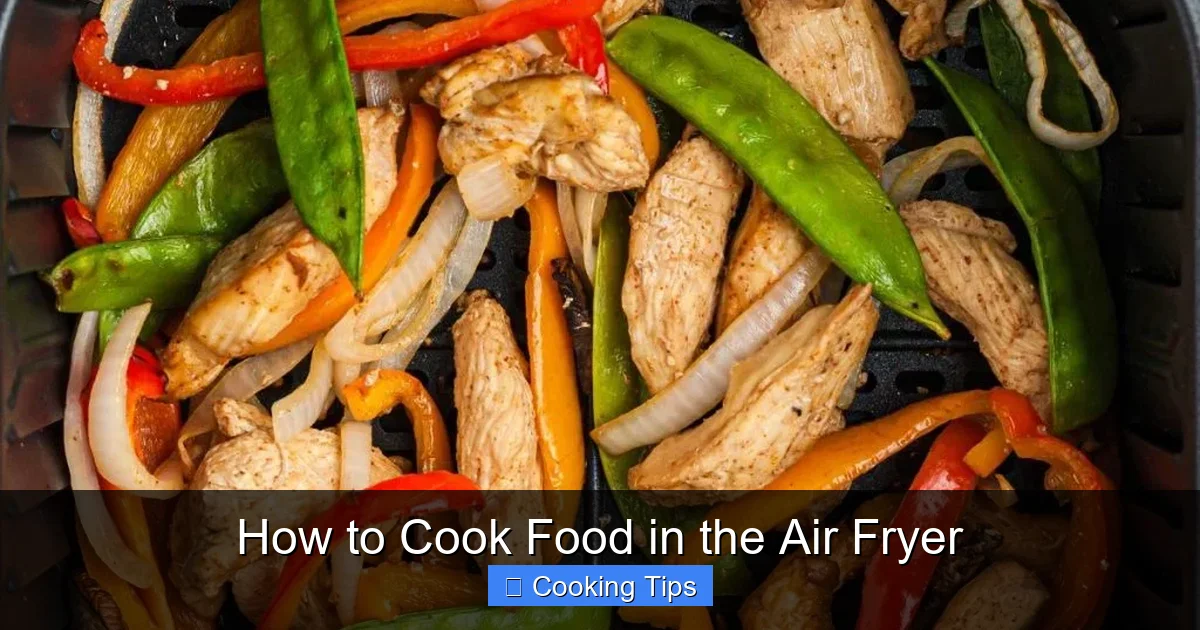
Visual guide about How to Cook Food in the Air Fryer
Image source: airfryingfoodie.com
Prepping Your Air Fryer
Most air fryers don’t require extensive preheating for every single use, especially for smaller batches or certain types of food. However, preheating can significantly improve the crispiness and evenness of your cooking. It’s akin to preheating your oven before baking.

Visual guide about How to Cook Food in the Air Fryer
Image source: cdn.sweetandsavory.co
To Preheat or Not to Preheat?
For the best results, especially when cooking items that benefit from an immediate crisp (like fries or chicken wings), preheating is highly recommended. A typical preheating time is about 3 to 5 minutes at your desired cooking temperature.
How to Preheat
Simply set your air fryer to the target temperature for your recipe and let it run for a few minutes before adding your food.
Preparing Your Food for the Air Fryer
Proper food preparation is crucial for delicious air fryer meals. The goal is to ensure even cooking and a delightful crispy exterior.
The Role of Oil
While air fryers use less oil than traditional frying, a little bit of oil is often necessary to help achieve that golden, crispy finish. You don’t need to submerge your food!
Choosing the Right Oil
Most neutral oils with a high smoke point work well, such as canola oil, avocado oil, grapeseed oil, or vegetable oil. Olive oil can be used, but be mindful of its lower smoke point, especially at higher temperatures.
How Much Oil to Use
For most recipes, 1 to 2 tablespoons of oil for a pound of food is sufficient. You can toss your ingredients in a bowl with the oil, or use an oil mister or spray bottle for a light, even coating. Avoid using cooking spray directly from the can, as the propellants can damage the non-stick coating of your air fryer basket over time.
Seasoning Your Food
This is where you can really let your creativity shine! Season your food generously before air frying. This includes salt, pepper, herbs, spices, and marinades. If you are using a marinade, try to pat your food dry before adding oil and seasonings to prevent sogginess.
Don’t Overcrowd the Basket
This is perhaps the most important tip for crispy air fryer food. The air fryer works by circulating hot air around the food. If the basket is too full, the air cannot reach all the surfaces of the food, leading to uneven cooking and a lack of crispiness. You might end up with some parts cooked and others still pale and soft.
How to Avoid Overcrowding
Cook in batches if necessary. It’s better to cook two smaller batches that turn out perfectly crispy than one large batch that is disappointing. Your food should be in a single layer in the basket, with a little space between each piece.
Mastering Temperature and Time
Understanding the right temperature and cooking time is fundamental to successful air frying. Every air fryer model can vary slightly, so these are often starting points.
General Temperature Guidelines
Most air fryer recipes fall within the range of 350°F (175°C) to 400°F (200°C). Lower temperatures are good for dehydrating or gently cooking certain items, while higher temperatures are ideal for achieving maximum crispiness.
Finding the Right Cooking Time
Cooking times can vary significantly based on the type of food, its size, and your specific air fryer. Always refer to your recipe, but be prepared to adjust.
Checking for Doneness
It’s always a good idea to check your food a few minutes before the suggested cooking time is up. You can do this by carefully removing the basket and visually inspecting the food. Use a food thermometer to ensure proteins are cooked to a safe internal temperature.
Adjusting Cooking Times
If your food isn’t as crispy as you’d like, you can often extend the cooking time by a few minutes. If it’s browning too quickly, you can reduce the temperature slightly or cover it loosely with foil. Remember to shake the basket halfway through the cooking process for even browning.
Shaking and Flipping for Even Cooking
For truly uniform results, you need to ensure all sides of your food get exposed to the hot circulating air. This is where shaking and flipping come in.
Shake It Up!
For smaller items like fries, tater tots, or chicken nuggets, shaking the basket halfway through the cooking time is usually sufficient. Simply pull out the basket, give it a good shake to redistribute the food, and then slide it back in. This ensures all sides get browned and crisped.
Flip It Over
For larger items like chicken breasts, fish fillets, or burgers, you’ll want to flip them halfway through the cooking time. This ensures even browning and cooking on both sides. Use tongs or a spatula for safe handling.
What Can You Cook in an Air Fryer?
The versatility of the air fryer is one of its biggest draws. You can cook a surprisingly wide variety of foods:
Frozen Foods
This is where air fryers truly shine. Frozen fries, onion rings, chicken tenders, pizza rolls, and spring rolls all come out incredibly crispy and delicious. Follow the package instructions, but often you can air fry them directly from frozen, sometimes with slightly reduced cooking times compared to oven baking.
Vegetables
Roasted vegetables are fantastic in the air fryer. Broccoli, cauliflower, Brussels sprouts, bell peppers, zucchini, and sweet potatoes all cook quickly and develop a lovely tender-crisp texture. Toss them with a little oil, salt, pepper, and your favorite seasonings.
Proteins
Chicken wings, chicken breasts, fish fillets, shrimp, steak, and even burgers can be air fried. Ensure you use the correct temperatures and cooking times for safety and quality. For thicker cuts of meat, you might need to reduce the temperature slightly to allow the inside to cook through without the outside burning.
Reheating Leftovers
Forget soggy microwave leftovers! The air fryer is excellent for reheating. It brings back the crispiness to things like pizza, fried chicken, and even pastries.
Baked Goods (with caution)
While not its primary function, you can bake small items like muffins, cookies, or even small cakes in some air fryer models. You’ll likely need to use smaller pans or silicone molds and adjust cooking times significantly. Always check for doneness frequently.
Tips for Achieving Maximum Crispiness
Want that perfect crunch every time? Follow these tips:
- Pat your food dry thoroughly before adding oil and seasonings, especially for proteins and vegetables. Moisture is the enemy of crispiness.
- Don’t skip the oil entirely. A light coating helps with browning and crisping.
- Don’t overcrowd the basket. This is worth repeating!
- Use the right temperature. Higher temperatures (around 380-400°F) generally lead to crispier results.
- Shake or flip your food halfway through cooking.
- Consider using cornstarch or flour for certain items, like chicken wings. A light dusting can create an even crispier coating.
Troubleshooting Common Air Fryer Problems
Even with the best intentions, you might encounter a few hiccups. Here’s how to solve them:
Problem: Food is Not Crispy
Possible Causes: Basket overcrowded, not enough oil, food too wet, air fryer not preheated sufficiently, cooking time too short.
Solutions: Cook in smaller batches, ensure food is lightly oiled and patted dry, preheat the air fryer, extend cooking time by a few minutes, and shake/flip diligently.
Problem: Food is Burning on the Outside, Undercooked Inside
Possible Causes: Temperature too high, cooking time too long for the size of the food, not flipping/turning.
Solutions: Reduce the temperature slightly (by 10-20°F), check food for doneness earlier, and ensure you are flipping or turning larger items halfway through.
Problem: Food is Sticking to the Basket
Possible Causes: Not enough oil, basket not properly seasoned or non-stick coating worn out.
Solutions: Ensure you’re using at least a light coating of oil, and consider using a parchment liner designed for air fryers if sticking is a persistent issue. Never use cooking spray from an aerosol can.
Problem: Uneven Cooking
Possible Causes: Basket overcrowded, food pieces too close together, not shaking/flipping.
Solutions: Ensure food is in a single layer with space between pieces, and shake or flip food halfway through the cooking cycle.
Cleaning Your Air Fryer
Keeping your air fryer clean is essential for its longevity and performance. Fortunately, it’s usually quite straightforward.
Daily Cleaning
After each use, once the air fryer has cooled down, remove the basket and tray. Wash them with warm, soapy water and a non-abrasive sponge. Rinse and dry thoroughly.
Deep Cleaning
For stubborn residue, you can soak the basket and tray in hot, soapy water for a while before scrubbing. Some air fryer baskets and trays are dishwasher-safe, so always check your manufacturer’s instructions.
The interior and exterior of the air fryer can be wiped down with a damp cloth. Ensure all parts are completely dry before reassembling and storing.
Conclusion
You’re now equipped with the knowledge to confidently use your air fryer to create a variety of delicious and crispy dishes. Remember to start with recipes, pay attention to your food, and don’t be afraid to experiment. The air fryer is a fantastic tool for healthier, faster, and incredibly satisfying meals. So, go forth and air fry!