Discover how to cook dry beans in an air fryer with this comprehensive guide. Learn essential steps from soaking to seasoning, ensuring perfectly tender and flavorful results every time. You’ll be surprised at how easy and efficient air frying dry beans can be, offering a healthier and quicker alternative to traditional methods.
- Soaking is Crucial: Always soak dry beans overnight or use a quick soak method to rehydrate them and reduce cooking time, making them digestible and improving texture.
- Pre-Soaking Preparation: Rinse soaked beans thoroughly and inspect for any debris before proceeding to the air frying stage.
- Proper Seasoning: Add your chosen herbs, spices, and aromatics before air frying to infuse the beans with flavor during the cooking process.
- Air Fryer Temperature and Time: Select an appropriate temperature (usually around 350-400°F or 175-200°C) and cooking time, checking for doneness periodically.
- Shake or Stir Regularly: Ensure even cooking by shaking the air fryer basket or stirring the beans halfway through the cooking cycle.
- Liquid for Moisture: Adding a small amount of liquid, like water or broth, can help keep the beans moist and prevent them from drying out in the air fryer.
- Cooling and Serving: Allow beans to cool slightly before serving to let flavors meld and textures set for optimal enjoyment.
How to Cook Dry Beans in an Air Fryer
Are you tired of the long soaking and simmering times associated with cooking dry beans? What if I told you there’s a way to achieve perfectly tender, flavorful beans with the convenience of your air fryer? Many people think of air fryers for crispy fries and chicken wings, but their versatility extends far beyond that. In this comprehensive guide, we’ll explore exactly how to cook dry beans in an air fryer, transforming them from hard kernels to delightful additions to your meals.
You’ll learn everything from the essential preparation steps to achieving the perfect cook time and temperature. We’ll cover different types of beans, important tips for success, and even how to troubleshoot if things don’t go quite as planned. Get ready to unlock a faster, healthier, and incredibly delicious way to enjoy your favorite legumes!
Why Cook Dry Beans in an Air Fryer?
The air fryer offers several advantages when it comes to cooking dry beans. Firstly, it’s significantly faster than traditional stovetop methods, especially for beans that require long simmering. The circulating hot air helps to cook the beans more evenly and efficiently. Secondly, it’s a more hands-off approach. Once you’ve prepped your beans, you can largely let the air fryer do the work, freeing you up for other tasks. Finally, by controlling the cooking process, you can achieve a consistently tender texture without the risk of mushy or undercooked beans.
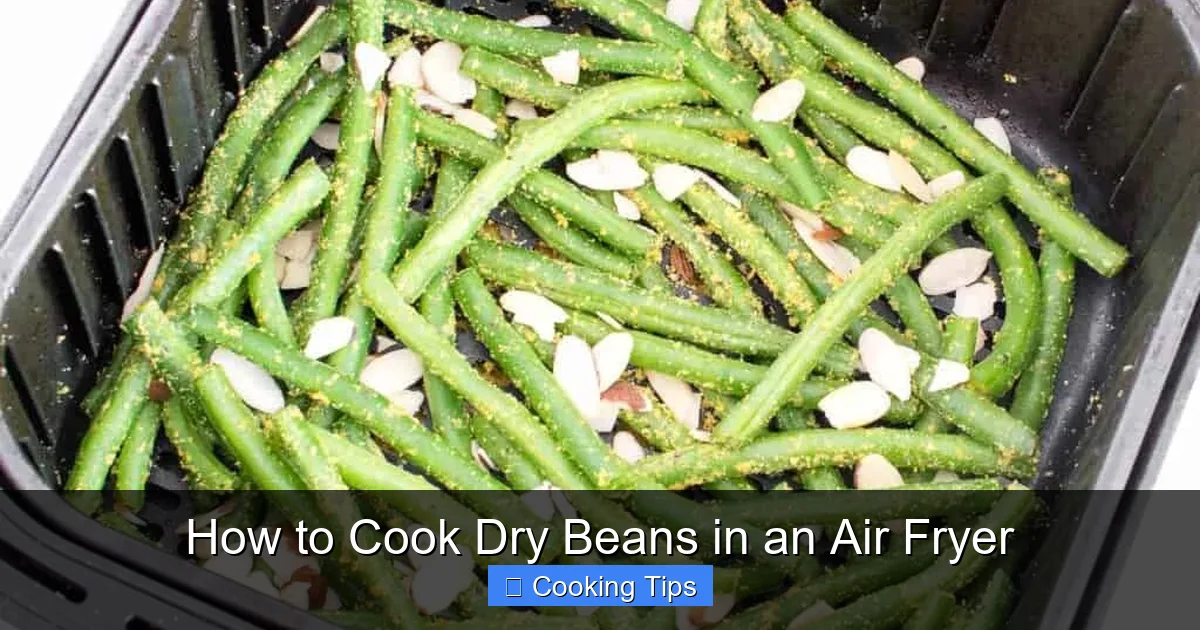
Visual guide about How to Cook Dry Beans in an Air Fryer
Image source: kiipfit.com
Choosing Your Beans
The good news is that most common dry beans can be successfully cooked in an air fryer. Some of the most popular and easiest to cook include:

Visual guide about How to Cook Dry Beans in an Air Fryer
Image source: cdn.loveandlemons.com
- Kidney beans: Hearty and great in chili or salads.
- Black beans: Versatile for tacos, soups, and dips.
- Pinto beans: A staple for refried beans and Mexican dishes.
- Cannellini beans (White Kidney Beans): Creamy and excellent in soups and stews.
- Chickpeas (Garbanzo Beans): Perfect for hummus, roasted snacks, or curries.
- Great Northern Beans: Mild and absorb flavors well, ideal for soups.
While it’s possible to cook most beans, very small beans like lentils or split peas might cook too quickly or unevenly in an air fryer. It’s generally best to stick with larger, whole dried beans.
Step-by-Step Guide to Air Frying Dry Beans
Cooking dry beans in an air fryer involves a few key stages. Following these steps carefully will set you up for success.
1. Soaking the Dry Beans
This is arguably the most critical step. Dry beans need to be rehydrated before they can be cooked. Soaking softens them, reduces their cooking time, and makes them more digestible by breaking down certain complex sugars.
Overnight Soak Method
This is the most traditional and recommended method.
- Inspect and Rinse: First, spread your dry beans on a clean surface and pick out any small stones, debris, or damaged beans. Then, rinse the beans thoroughly under cold running water in a colander.
- Soaking: Place the rinsed beans in a large bowl or pot. Cover them with plenty of fresh water, at least 2-3 inches above the beans. Beans expand significantly as they absorb water.
- Refrigerate: Cover the bowl and place it in the refrigerator. Let them soak for at least 8 hours, or preferably overnight (8-12 hours).
Quick Soak Method
If you’re short on time, the quick soak method can be used.
- Inspect and Rinse: As with the overnight soak, inspect and rinse your beans thoroughly.
- Boil Briefly: Place the rinsed beans in a large pot and cover them with water (about 2 inches above the beans). Bring the water to a rolling boil over high heat.
- Simmer and Rest: Let the beans boil vigorously for 2-3 minutes. Then, remove the pot from the heat, cover it tightly, and let the beans sit in the hot water for about 1 hour. They should be plumped up.
Regardless of the soaking method you choose, always discard the soaking water. It contains potentially hard-to-digest compounds and can make beans gassy.
2. Rinsing and Draining After Soaking
Once your beans have soaked and plumped up, it’s time to rinse them again.
- Drain: Pour the soaked beans into a colander and drain away the soaking water.
- Rinse Thoroughly: Rinse the beans very well under cold running water. You want to remove any remaining traces of the soaking liquid and any foam or cloudiness that may have formed.
This step is important for flavor and digestibility. Some cooks even recommend rinsing them a second time if they appear particularly foamy.
3. Prepping and Seasoning Your Beans
This is where you add flavor to your beans before they hit the air fryer. You can keep them simple or go all out with aromatics.
- Add Aromatics: Place the rinsed and drained beans back into a bowl or directly into your air fryer basket (if it’s large enough and you’re ready to season). Add your chosen flavorings. Some great options include:
- Garlic cloves (whole or smashed)
- Onion wedges
- Bay leaves
- Fresh herbs like thyme or rosemary sprigs
- Dried herbs and spices (e.g., cumin, chili powder, smoked paprika)
- A pinch of salt (though some recommend adding salt later as it can sometimes toughen bean skins, but for air frying, it’s generally fine to add it now for flavor infusion).
- Add Liquid: This is a crucial step for air-fried beans. Without some moisture, they can dry out and become tough. Add enough water or broth to *just* cover the beans. You don’t want to drown them, but there should be enough liquid to help them steam and cook through. A ratio of about 3-4 cups of liquid per 1 cup of dry beans is a good starting point for the cooking phase.
- Mix Well: Gently stir everything together to ensure the beans are evenly coated with any spices and submerged in the liquid.
4. Air Frying the Beans
Now for the main event! The air fryer will do the heavy lifting here.
- Preheat the Air Fryer: It’s generally a good idea to preheat your air fryer to the desired temperature. This helps ensure even cooking from the start. For most dry beans, a temperature between 350°F (175°C) and 400°F (200°C) works well.
- Transfer to Air Fryer: Carefully pour the seasoned beans and their liquid into your air fryer basket. Ensure the liquid level is still appropriate. If you added too much liquid, you can carefully pour some off.
- Set Temperature and Time: Set your air fryer to the preheated temperature. The cooking time will vary significantly depending on the type of bean, how long they were soaked, and the power of your air fryer. A good starting point for most pre-soaked beans is 20-30 minutes at 375°F (190°C).
- Shake or Stir Halfway: This is essential for even cooking. Halfway through the estimated cooking time, carefully pull out the air fryer basket and give it a good shake or stir the beans with a spoon or spatula. This ensures all sides of the beans are exposed to the hot air and liquid.
- Check for Doneness: After the initial cooking time, check the beans for tenderness. You can carefully remove a few beans and taste them. They should be tender but not mushy. If they are still firm, continue cooking in 5-10 minute increments, shaking or stirring between each interval.
5. Finishing and Serving
Once your beans are perfectly tender, you’re almost done!
- Adjust Seasoning: Taste the beans and their cooking liquid. Add more salt, pepper, or other seasonings as needed.
- Remove Aromatics: Discard any bay leaves, whole garlic cloves, or herb sprigs that you added for flavor.
- Let Them Rest: It’s a good idea to let the cooked beans rest in the air fryer basket for about 5-10 minutes after turning off the heat. This allows the flavors to meld and the beans to firm up slightly.
- Serve: Your delicious, air-fried dry beans are now ready to be served as a side dish, added to salads, soups, or used in your favorite recipes!
Tips for Success
Here are some extra tips to help you achieve the best results when cooking dry beans in your air fryer:
- Don’t Overcrowd: Ensure there’s enough space in the air fryer basket for the beans and liquid to circulate properly. If you have a large batch, you might need to cook them in multiple batches.
- Watch the Liquid: Keep an eye on the liquid level. If it evaporates too quickly, add a little more hot water or broth.
- Bean Consistency: Different types of beans have different cooking times. Smaller beans like navy beans may cook faster than larger ones like kidney beans.
- Experiment with Flavors: Don’t be afraid to get creative with your seasonings! Smoked paprika, a dash of hot sauce, or a squeeze of lime juice can add wonderful depth.
- Use a Liner: For easier cleanup, consider using a parchment paper liner designed for air fryers, but ensure it doesn’t impede airflow too much.
- Cooked Beans Storage: Cooled cooked beans can be stored in an airtight container in the refrigerator for 3-4 days, or frozen for longer storage.
Troubleshooting Common Issues
Even with the best intentions, you might encounter a few hiccups. Here’s how to fix them:
- Beans are still hard: This usually means they need more cooking time. Ensure there’s enough liquid, and continue cooking in short intervals, checking for tenderness.
- Beans are too dry or tough: You might have had too little liquid, or the air fryer temperature was too high and cooked them too quickly. Next time, ensure you have adequate liquid and consider slightly lowering the temperature or reducing the cooking time.
- Beans are mushy: This can happen if they were overcooked. It’s hard to recover from mushy beans, but they can still be used in purees or dips. For future reference, reduce the cooking time.
- Air fryer is too small: If your air fryer is too small for the batch of beans, they won’t cook evenly. Consider cooking in smaller batches to ensure proper circulation.
Conclusion
Cooking dry beans in an air fryer is a revelation! It’s a method that combines convenience, speed, and delicious results. By following these straightforward steps – from proper soaking and rinsing to judicious seasoning and attentive cooking – you can confidently transform humble dry beans into a versatile and healthy staple in your kitchen. No more dreading long stovetop simmering; your air fryer is ready to make bean cooking a breeze. So, grab your favorite dried legumes, preheat that air fryer, and get ready to enjoy perfectly cooked beans that will elevate any meal. Happy cooking!