
A frozen salmon in air fryer recipe is one of the easiest weeknight dinners you can pull off, and you don't need to thaw a thing. Toss a frozen fillet straight into the basket, season it, set the timer, and you're looking at a restaurant-quality piece of fish in about 15 minutes. The hot circulating air crisps the outside while keeping the center moist and flaky.
The USDA recommends cooking fish to an internal temperature of 145°F (63°C) for food safety, and an air fryer hits that target faster than a conventional oven because of its concentrated convection heat. Whether you forgot to defrost or just want a no-fuss meal, this method works with any basket-style or oven-style air fryer. Let's walk through everything you need to know.
Quick Answer
Yes, you can cook frozen salmon directly in an air fryer with no thawing required. Set the temperature to 400°F (204°C) and cook for 12 to 18 minutes depending on fillet thickness. The salmon is done when it reaches an internal temperature of 145°F (63°C) and flakes easily with a fork.
Season after placing in the basket since frozen surfaces don't hold dry rubs well.
Can You Cook Frozen Salmon in an Air Fryer? (Yes — Here's Exactly How)
Cooking salmon from frozen in an air fryer isn't just possible, it's arguably the best quick-cooking method for it. The rapid circulating hot air thaws and cooks the fillet evenly, giving you a crisp exterior without the dry, overcooked edges you often get from a microwave or stovetop pan.
Here's why it works so well. An air fryer is essentially a compact convection oven that moves hot air around the food at high speed. That airflow means the frozen surface starts cooking immediately instead of sitting in a pool of melted ice the way it does in a skillet.
The result is better texture, better browning, and less of that "steamed" taste.
You don't need to adjust your seasoning strategy much either. A light coat of oil helps spices stick to the frozen surface, and anything that doesn't adhere will still flavor the fish as it melts into the flesh during cooking. Olive oil spray, avocado oil, or even a thin brush of melted butter all work.
One thing to keep in mind: fillet thickness matters more than the brand of air fryer. A standard 1-inch portion cooks in about 12 to 15 minutes at 400°F. Thick-cut fillets, anything over 1.5 inches, may need 18 to 20 minutes.
We'll cover exact timing in the next section.
If you're working with a larger air fryer, like a 9 qt model for big families, you can fit multiple fillets at once without crowding. Just make sure there's at least half an inch of space between each piece for proper airflow.
How Long Does Frozen Salmon Take in an Air Fryer?
Cook time depends almost entirely on thickness, not weight. A 6-ounce fillet that's 1 inch thick cooks faster than a 4-ounce fillet that's 1.5 inches thick. That's the single most important variable to keep in mind.
Here's a reliable baseline for a standard basket-style air fryer at 400°F:
| Fillet Thickness | Estimated Cook Time | Internal Temp Target |
|---|---|---|
| 0.75 inch (thin) | 10 to 12 minutes | 145°F (63°C) |
| 1 inch (standard) | 12 to 15 minutes | 145°F (63°C) |
| 1.5 inches (thick-cut) | 16 to 20 minutes | 145°F (63°C) |
| 2 inches (salmon steak) | 18 to 22 minutes | 145°F (63°C) |
These times assume you're cooking from fully frozen. If your fillet has been sitting on the counter for 20 minutes and has a soft surface, shave 2 to 3 minutes off the estimate.
Air fryer wattage also plays a role. Most consumer models run between 1,400W and 1,800W. Lower-wattage units may need an extra 2 to 3 minutes to hit the same internal temperature.
If you're unsure where your model falls, start checking at the low end of the time range and add minutes as needed.
The safest approach is to check at the halfway mark. Pull the basket out, peek at the surface, and insert an instant-read thermometer into the thickest part of the fillet. If you're at 120°F, you're about halfway there.
If you're at 90°F, give it another 4 to 5 minutes before checking again.
What Temperature Should You Use?
The sweet spot for frozen salmon in an air fryer is 400°F (204°C). This temperature is high enough to create a golden, slightly crisp exterior while giving the interior time to cook through without drying out.
Some recipes suggest 375°F for a gentler cook. That works, but you'll sacrifice some browning and add 3 to 5 minutes to the total time. On the other end, 425°F can work for thin fillets but risks overcooking the outside before the center thaws.
If your air fryer doesn't display exact temperatures and only has preset modes, use the "fish" or "seafood" setting if available. Otherwise, the default air fry mode at the highest temperature is your best bet.
Preheating is optional but helpful. Running the air fryer empty for 2 to 3 minutes at 400°F before adding the salmon gives you a more consistent start. Not every model has a preheat function, though, and skipping it won't ruin the dish.
It just means the first minute or two of cook time is spent bringing the basket up to temperature.
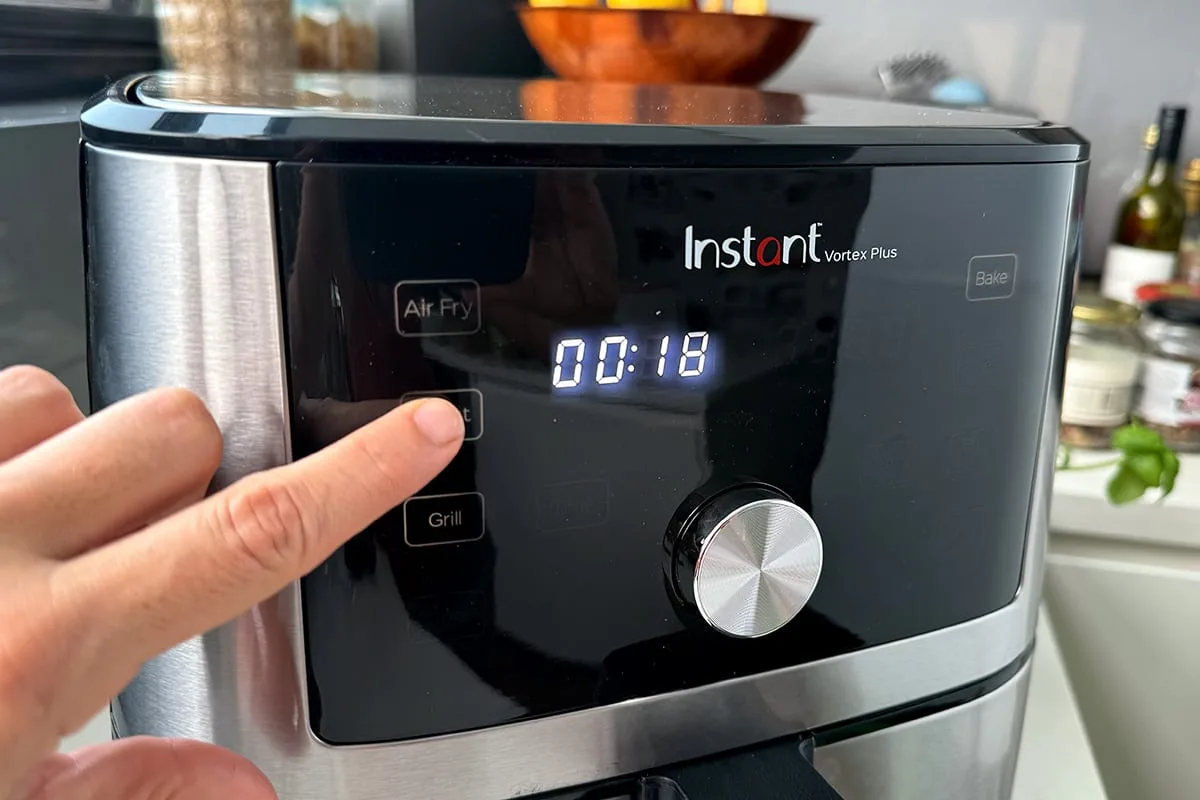
One tip that makes a real difference: if your air fryer runs hot (some models do, especially compact ones), drop to 385°F and add 2 minutes. It's better to cook slightly longer at a lower temperature than to scorch the surface.
Step-by-Step: Frozen Salmon in the Air Fryer
This is the full process from package to plate. It takes about 20 minutes start to finish, and most of that is hands-off cook time.
Step 1: Remove the salmon from packaging.
Take the frozen fillet out of its vacuum seal or wrapper. If there's visible ice glaze on the surface, pat it gently with a paper towel. You don't need to get it bone dry, just remove the excess frost.
Step 2: Oil the fillet.
Lightly coat both sides with cooking spray or brush with about 1 teaspoon of oil. This serves two purposes: it helps seasoning stick and promotes browning. Avocado oil is ideal because of its high smoke point (520°F), but olive oil works fine at 400°F.
Step 3: Season it.
Apply your seasoning blend. A simple mix of salt, pepper, garlic powder, and paprika covers the basics. If you're using a dry rub, press it gently into the oiled surface.
Don't worry if some falls off, it'll flavor the basket and create a light crust on the fish.
Step 4: Preheat the air fryer (optional).
Set it to 400°F and let it run for 2 to 3 minutes. This step is recommended but not mandatory.
Step 5: Place the fillet in the basket.
Lay it skin-side down if it has skin. If skinless, place it flat with the presentation side (the smoother, shinier side) facing up. Make sure the fillet isn't folded or curled at the edges.
Step 6: Cook at 400°F.
Set the timer for 12 minutes as a starting point for a 1-inch fillet. Don't flip the salmon halfway through. Unlike burgers or chicken breasts, salmon is delicate and flipping often causes it to break apart.
Step 7: Check for doneness.
At the 12-minute mark, insert an instant-read thermometer into the thickest part. You're looking for 145°F. If it's not there yet, cook in 2-minute increments and recheck.
Step 8: Rest and serve.
Let the salmon sit for 2 to 3 minutes after removing it from the basket. The residual heat will carry the internal temperature up another 3 to 5 degrees, and the flesh will firm up slightly, making it easier to serve without falling apart.
If you want a complete meal, pair it with air fryer asparagus with parmesan cooked in the same basket right after the salmon. The residual oil and seasoning in the basket actually adds flavor to the vegetables.
Skin-On vs. Skinless — Does It Matter?
Both work in an air fryer, but they behave differently. Knowing which one you have helps you get the best result.
Skin-on salmon is more forgiving. The skin acts as a protective layer between the flesh and the hot basket, which means the bottom of the fillet is less likely to overcook or stick. It also holds the fillet together better, so you're less likely to end up with pieces breaking off when you try to remove it.
If you place it skin-side down, the skin will crisp up slightly and can be eaten or peeled away after cooking.
Skinless salmon cooks a touch faster since there's no skin barrier, but it's more prone to sticking. Make sure the basket is well-oiled or use a parchment liner. Skinless fillets also tend to release more moisture during cooking, which can create a bit of steam in the basket.
That's not a problem, but it means you won't get quite as much surface browning.
From a nutritional standpoint, there's no meaningful difference. The skin contains the same omega-3 fatty acids as the flesh, plus a bit more fat. Whether you eat it or remove it is purely a texture preference.
If you're buying specifically for air fryer cooking, skin-on portions are the safer bet for beginners. They're more widely available frozen, and the extra structural support makes them easier to handle. If you already have skinless fillets in the freezer, though, go ahead and use them.
Just oil the basket well and resist the urge to move the fish until it's fully cooked.
Best Seasonings and Flavor Combos for Air Fryer Salmon
The high heat of an air fryer amplifies seasoning flavors fast, so you don't need much to make frozen salmon taste great. A little goes a long way, and the key is applying it to an oiled surface so it actually sticks.
Here are five combinations that work especially well with the air fryer method:
Classic Lemon Herb
Olive oil, salt, black pepper, garlic powder, dried dill, and a squeeze of fresh lemon juice added after cooking. This is the safest starting point if you're new to air fryer salmon.
Smoky Paprika
Avocado oil, smoked paprika, garlic powder, onion powder, salt, and a pinch of cayenne. The smokiness pairs perfectly with the slight char the air fryer creates on the surface.
Honey Soy Glaze
Brush the fillet with a thin mix of soy sauce, honey, and minced garlic before cooking. The sugars caramelize in the high heat, creating a sticky, savory crust. Add the honey in the last 3 minutes to prevent burning.
Cajun Blackening
Cajun seasoning blend, a light coat of oil, and nothing else. The spice mix already contains salt, paprika, garlic, and cayenne. Press it firmly into the oiled fillet for a bold, peppery crust.
Everything Bagel
Everything bagel seasoning pressed into an oiled fillet. The sesame seeds, garlic flakes, and onion bits toast beautifully in the air fryer. It sounds unusual, but it's become one of the most popular preparations for good reason.
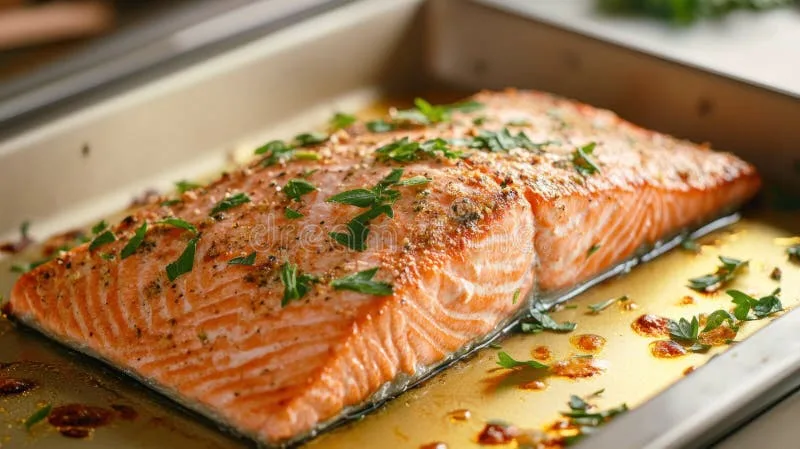
One mistake people make is over-seasoning. The concentrated heat intensifies flavors, so use about half of what you'd normally apply to a pan-seared fillet. You can always add more after cooking.
If you want to keep things simple, salt, pepper, and a squeeze of lemon are all you really need. The air fryer does most of the work by creating that golden, slightly crispy exterior that makes even plain seasoned salmon taste finished.
How to Tell When It's Actually Done
Undercooked salmon is unpleasant. Overcooked salmon is dry and chalky. The window between the two is narrower than most people think, especially with frozen fillets where you can't see the color change as easily.
The only reliable method is an instant-read thermometer. Insert it into the thickest part of the fillet at a slight angle. The USDA safe minimum internal temperature for fish is 145°F (63°C).
Pull the salmon at 140°F if you plan to let it rest for 2 to 3 minutes, since carryover cooking will bring it the rest of the way.
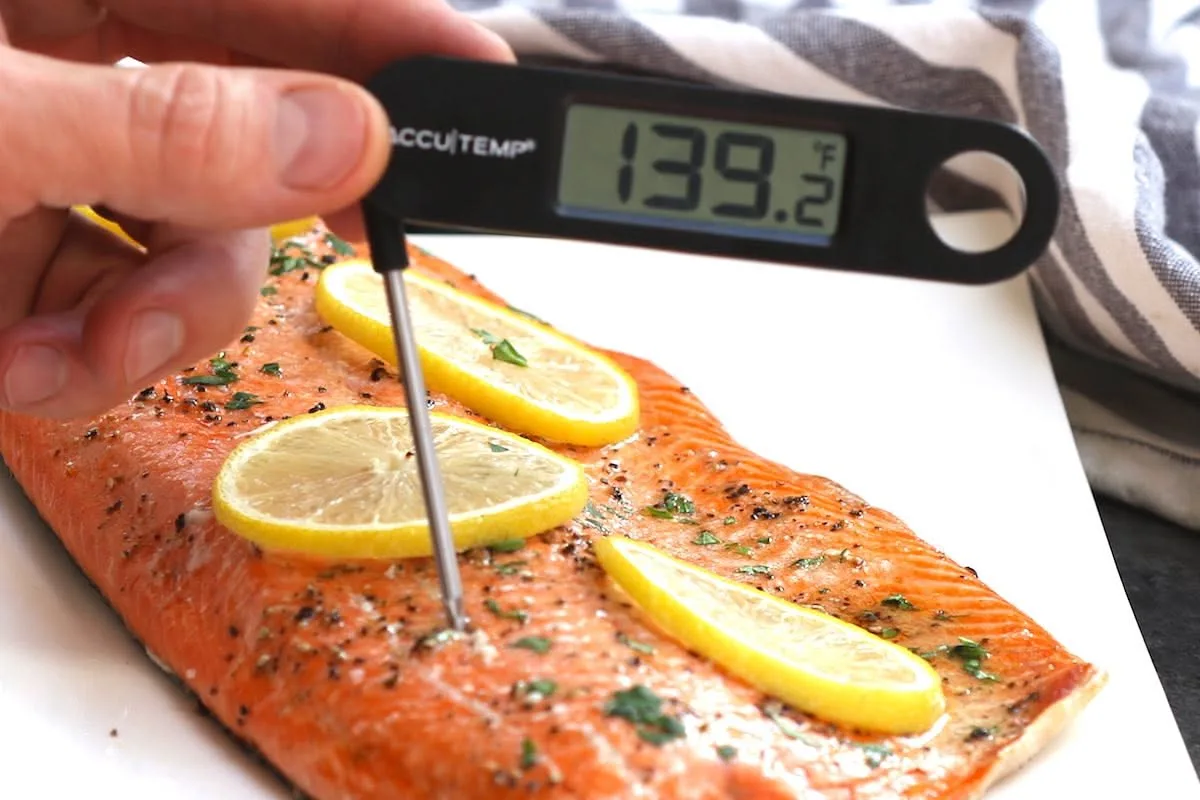
If you don't have a thermometer, there are two visual cues to watch for. First, the flesh should flake easily when pressed gently with a fork. If it resists or feels rubbery, it needs more time.
Second, you'll see small white beads of albumin on the surface. A little albumin is normal. A lot of it means the salmon has been overheated and the proteins have tightened excessively.
Color is the least reliable indicator with frozen salmon. Frozen fillets often look opaque on the outside before the center is fully cooked. That's why temperature matters more than appearance.
One more tip: if the edges look done but the center still seems translucent, lower the temperature to 350°F and cook for another 3 to 4 minutes. This gentle finish lets the center catch up without torching the outer layer.
Common Mistakes That Ruin Air Fryer Salmon
Most air fryer salmon problems come down to a handful of avoidable errors. Here's what goes wrong most often and how to fix it.
Skipping the oil. A dry fillet in a hot basket is a recipe for sticking and tearing. Even a quick spray of cooking oil makes a noticeable difference in how cleanly the salmon releases.
Overcrowding the basket. Stacking fillets or cramming them too close together blocks airflow. The salmon steams instead of crisping, and cook times become unpredictable. Give each piece at least half an inch of space on all sides.
Cooking at too high a temperature. Cranking the heat to 425°F or higher might seem like a time-saver, but it scorches the outside before the frozen center thaws. Stick with 400°F for consistent results.
Flipping the salmon. Unlike chicken or vegetables, salmon doesn't need to be flipped. The circulating air cooks it from all angles. Flipping a delicate fillet often means it breaks apart in the basket.
Not checking the internal temperature. Guessing based on time alone leads to either undercooked centers or dried-out edges. An instant-read thermometer costs about $10 and removes all the guesswork.
Using too much seasoning on a frozen surface. Dry spices bounce right off ice. Oil the fillet first, then season. If you're using a wet glaze, apply it in the last few minutes of cooking so it doesn't burn.
Forgetting to rest the fish. Cutting into salmon immediately after cooking releases all the juices onto the plate. A 2 to 3 minute rest lets the proteins relax and the moisture redistribute.
If you're cooking for a crowd and want to batch multiple fillets, check out our guide to the best 8 qt air fryer for frozen foods. The larger basket size makes it easier to cook several portions without overcrowding.
Air Fryer vs. Oven vs. Stovetop — Which Is Best for Frozen Salmon?
Each method works, but they produce noticeably different results. Here's how they stack up for cooking frozen salmon.
Air Fryer
The air fryer wins on speed and texture. It preheats in under 3 minutes and cooks a 1-inch frozen fillet in 12 to 15 minutes. The concentrated airflow creates a lightly crisp exterior that you can't get from an oven or microwave.
Cleanup is also easier since the basket is typically dishwasher safe. The main limitation is capacity. Most basket-style air fryers fit 2 to 3 fillets at most.
Conventional Oven
An oven handles larger batches better but takes significantly longer. A frozen fillet at 400°F needs 20 to 25 minutes in a standard oven, plus 10 to 15 minutes of preheat time. The texture is softer and less crisp than air fryer results.
If you're cooking for 4 or 6 people, though, the oven is the more practical choice.
Stovetop (Pan-Searing)
Pan-searing frozen salmon is the riskiest method. The outside can burn before the center thaws, and the fillet tends to stick to the pan. If you go this route, use medium heat, a well-oiled non-stick pan, and cover it with a lid to trap steam.
Expect 15 to 18 minutes total, flipping once at the halfway mark. The flavor is good, but the margin for error is slim.
| Method | Cook Time (1-inch fillet) | Preheat Time | Texture | Best For |
|---|---|---|---|---|
| Air Fryer | 12 to 15 min | 2 to 3 min | Crisp exterior, moist interior | 1 to 3 servings |
| Conventional Oven | 20 to 25 min | 10 to 15 min | Soft, even cook | 4+ servings |
| Stovetop Pan | 15 to 18 min | 1 to 2 min | Crispy bottom, variable top | 1 to 2 servings |
For most people cooking weeknight dinners, the air fryer is the clear winner. It's faster than the oven, more consistent than the stovetop, and produces the best texture. If you're feeding a large family, the oven makes more sense for batch cooking.
Tips for Specific Air Fryer Models
Not all air fryers behave the same, and a few model-specific adjustments can make a real difference.
Ninja Foodi and Ninja Air Fryer models tend to run slightly hot. Drop the temperature to 385°F and add 2 minutes to the cook time. The dual-layer rack in the Foodi is great for vegetables but not ideal for salmon.
Use the bottom rack only so the fillet sits closest to the heating element.
Instant Vortex air fryers have strong fans and excellent airflow. They cook on the faster end of the time range. Start checking at 10 minutes for a standard fillet.
The EvenCrisp technology in newer models does a solid job of browning the top surface without flipping. If you're wondering whether the Instant Vortex is worth it, our detailed breakdown covers performance across different food types.
Cosori models are middle-of-the-road in terms of heat intensity. The default 400°F setting works well as-is. The square basket shape fits fillets more naturally than round baskets, which is a small but real advantage.
Philips Airfryer units use Rapid Air Technology and tend to cook evenly across the basket. They're a reliable choice for fish, though the smaller basket size limits you to one or two fillets per batch.
Oven-style air fryers (like the Breville Smart Oven Air) have more space but less concentrated airflow. Increase the temperature to 410°F or add 3 to 4 minutes compared to basket-style cook times. The larger capacity is useful if you're cooking salmon alongside vegetables or potatoes on a separate rack.
Regardless of model, the first time you cook frozen salmon in your specific air fryer, treat it as a test run. Note the time, check the temperature, and adjust from there. Every unit has its own quirks, and once you've dialed it in, you'll get consistent results every time.
Meal Prep: Cooking Multiple Frozen Fillets at Once
Cooking several frozen salmon fillets in one batch is totally doable, but spacing is everything. Overcrowding blocks airflow and turns your air fryer into a steamer.
For a standard 5 to 6 quart basket, two fillets is the comfortable max. If you're working with a larger 8 or 9 quart model, you can fit three to four, as long as each piece has at least half an inch of clearance on all sides. Stacking or overlapping fillets leads to uneven cooking, with the top pieces done while the bottom ones are still icy in the center.
Arrange fillets in a single layer with the thickest pieces toward the outer edges of the basket, where airflow is strongest. If you're mixing thicknesses, pull the thin fillets out first and let the thick ones finish for an extra 2 to 3 minutes.
Cooked salmon keeps well in the fridge for up to 3 days in an airtight container. It reheats nicely in the air fryer at 300°F for 3 to 4 minutes, which is gentler than a microwave and helps preserve the texture.
Nutrition Facts and What You're Getting Per Serving
A 6-ounce cooked portion of Atlantic salmon delivers roughly 350 to 400 calories, depending on preparation. The macronutrient breakdown is impressive for a single food.
| Nutrient | Per 6 oz Cooked Serving |
|---|---|
| Calories | 350 to 400 kcal |
| Protein | 34 to 40 g |
| Total Fat | 20 to 24 g |
| Saturated Fat | 4 to 6 g |
| Omega-3 (EPA + DHA) | 1.5 to 2.2 g |
| Sodium | 50 to 80 mg (unseasoned) |
Salmon is one of the best dietary sources of omega-3 fatty acids, which support heart and brain health. It's also rich in vitamin D, selenium, and B12. Cooking method has minimal impact on the omega-3 content, so air frying preserves the nutritional profile just as well as baking or grilling.
The air fryer method uses less oil than pan-frying or deep-frying, which keeps the calorie count lower. A light spray of oil adds roughly 40 to 50 calories, compared to the 150 or more you'd get from shallow frying in butter or oil.
Cleaning Your Air Fryer After Cooking Fish
Fish odor lingers in an air fryer if you don't clean it promptly. The good news is that cleanup is straightforward.
Remove the basket and soak it in warm soapy water for 5 to 10 minutes. Most residue lifts right off. For stubborn bits, use a non-abrasive sponge.
Avoid steel wool or harsh scrubbers, which can damage the non-stick coating.
Wipe down the interior of the air fryer with a damp cloth. If there's a noticeable fish smell, run the empty air fryer at 400°F for 3 minutes with a slice of lemon in the basket. The heat and citrus neutralize odors effectively.
Check whether your model's parts are dishwasher safe. Many Instant Vortex baskets and Ninja Foodi racks are top-rack dishwasher safe, which makes cleanup even easier. Our guide on Instant Vortex dishwasher safety covers which components can go in and which should be hand-washed.
Frequently Asked Questions
Can I cook frozen salmon without oil?
You can, but the fillet is more likely to stick to the basket and the seasoning won't adhere well. A light spray of oil makes a noticeable difference in both texture and release. If you're avoiding oil entirely, use a parchment liner with small perforations to allow airflow.
Do I need to flip frozen salmon in the air fryer?
No. The circulating hot air cooks the fillet evenly from all sides. Flipping increases the chance of the fish breaking apart.
Place it skin-side down at the start and leave it alone until it's done.
Is air fryer salmon healthy?
Yes. Air frying uses significantly less oil than pan-frying or deep-frying while preserving the omega-3 fatty acids, protein, and vitamins that make salmon a nutritious choice. A 6-ounce serving prepared in the air fryer with a light oil spray comes in at roughly 370 calories with 35-plus grams of protein.
Can I use a marinade on frozen salmon?
Wet marinades don't penetrate frozen fish well and can create excess steam in the basket. It's better to season with a dry rub before cooking and add a glaze or sauce in the last 2 to 3 minutes. Alternatively, drizzle a finishing sauce after the salmon comes out.
What's the best air fryer for cooking frozen salmon?
Any basket-style or oven-style air fryer works well. Models with precise temperature control and at least 5 quarts of capacity give you the most flexibility. If you're shopping specifically for frozen proteins, our roundup of the best 8 qt air fryers for frozen foods covers the top options as of 2026.
How do I prevent salmon from sticking to the basket?
Oil the basket or the fillet (or both) before cooking. Parchment liners with air holes also work well. Let the salmon cook fully before trying to move it.
Partially cooked fish releases more easily once the proteins have set.