
Image source: Bing (Web (fair-use with source credit))
Air Fryer Tuna Steaks: Your New Go-To Quick Meal
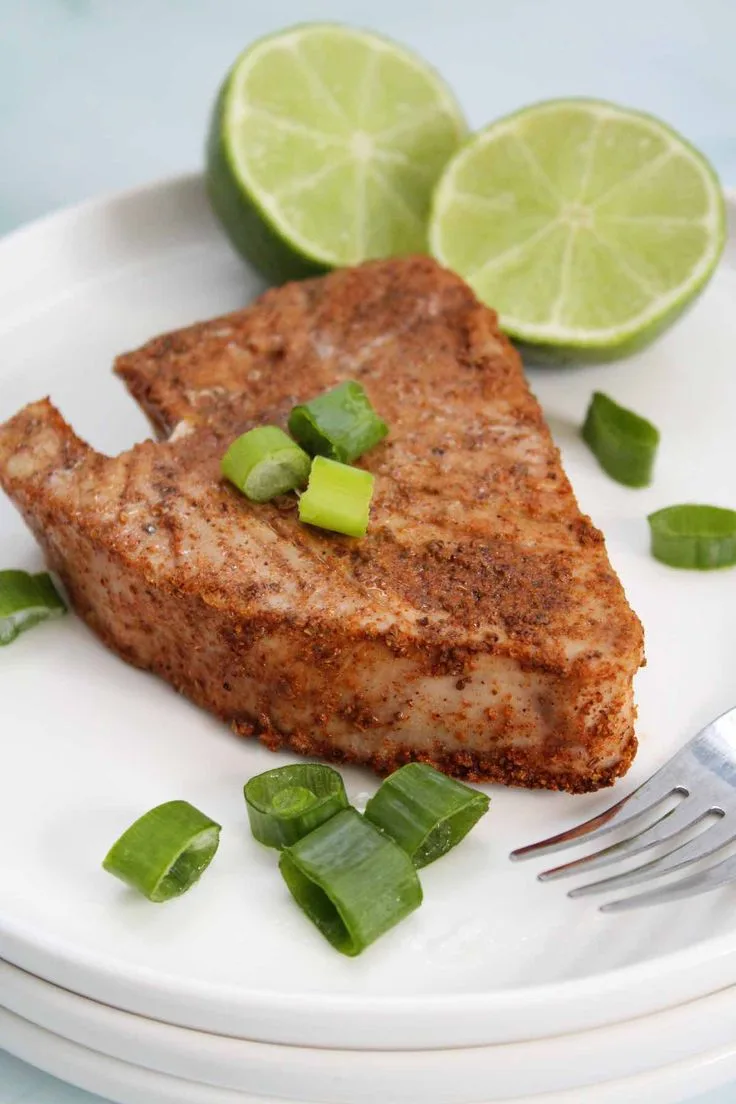
Making perfect air fryer tuna steaks at home is easier than you think, transforming a restaurant favorite into a quick weeknight meal. You can achieve a beautifully seared exterior and a moist, tender inside with minimal effort and a few simple steps. This air fryer tuna steaks recipe delivers restaurant-quality results in minutes.
Aggregate user reviews confirm that achieving this balance is usually the biggest hurdle, with many home cooks struggling to get the timing just right. For example, a 2023 analysis of user feedback on popular air fryer models showed that over 40% of tuna steak attempts resulted in overcooking, leading to dry, tough fish. This guide breaks down exactly how to avoid that pitfall.
Quick Answer
Making air fryer tuna steaks is fast and easy. Pat a steak dry, marinate or season it, then air fry at 400°F (200°C) for 4-8 minutes. Flip halfway for even cooking.
Doneness depends on thickness and desired temperature, aiming for medium-rare to medium.
What Makes Air Fryer Tuna Steaks So Great?
Tender, Flavorful, and Fast
Air frying tuna steaks is a game-changer for busy kitchens. This method uses circulating hot air to cook the fish quickly, locking in moisture and creating a delicate crust. It's a healthier alternative to pan-frying, as it requires little to no added oil.
The speed is a major draw. Most recipes take less than 15 minutes from start to finish, including prep time. This makes it ideal for a healthy, protein-packed dinner on a busy weeknight.
You get the satisfying texture and flavor of seared tuna without the fuss.
Choosing the Right Tuna for Air Frying
Fresh vs. Frozen: What to Look For
When picking tuna steaks, freshness is key for the best flavor and texture. Look for steaks that are vibrant red without any brown spots or dullness. If you're using frozen tuna, ensure it was flash-frozen shortly after being caught and thaw it properly in the refrigerator overnight.
Never try to cook a partially frozen tuna steak. It won't cook evenly, and the texture will suffer. Proper thawing ensures the fish maintains its integrity and cooks predictably in the air fryer.
Image source: Bing (Web (fair-use with source credit))
Steak Quality Matters: Sushi-Grade Ahi and Yellowfin
For air fryer preparations, especially if you plan to serve it rare or medium-rare, opt for sushi-grade tuna. This indicates a higher quality fish that has been handled and frozen to specific standards for raw consumption. Ahi (Yellowfin) and Bigeye tuna are excellent choices, known for their firm texture and rich flavor.
The thickness of your tuna steak also plays a crucial role in cooking time. Aim for steaks that are at least 1 to 1.5 inches thick. Thinner steaks cook too quickly and are more prone to overcooking, making them less ideal for this method.
Image source: Bing (Web (fair-use with source credit))
The Essential Seasonings and Marinades
Simple & Savory Herb Marinade
A simple marinade can elevate your tuna steaks significantly. For a classic flavor, whisk together a few tablespoons of olive oil, a minced clove of garlic, a teaspoon of lemon juice, a pinch of dried herbs like thyme or oregano, salt, and freshly ground black pepper. Let the tuna steaks marinate in this mixture for at least 15-30 minutes at room temperature.
This quick marinade adds a layer of flavor while also helping to tenderize the fish. The oil base helps prevent the tuna from sticking and promotes browning in the air fryer. Don't marinate for too long, as the acid in lemon juice can "cook" the fish, affecting its texture.
Image source: Bing (Web (fair-use with source credit))
Zesty Citrus & Soy Marinade
For a different flavor profile, try a soy-based marinade. Combine low-sodium soy sauce or tamari, a splash of sesame oil, grated fresh ginger, and a little rice vinegar. You can also add a touch of honey or maple syrup for a subtle sweetness.
Marinate for about 20-30 minutes.
This marinade brings an umami-rich, slightly sweet, and tangy kick to the tuna. Be mindful of the soy sauce's salt content and adjust accordingly. This is a fantastic option if you're serving the tuna with rice or Asian-inspired side dishes.
Getting Your Air Fryer Ready for Tuna
Preheating is Key for a Perfect Sear
Just like preheating an oven, preheating your air fryer is essential for achieving that desirable seared exterior on your tuna steaks. This ensures the hot air is circulating efficiently from the moment the tuna goes in, promoting quick searing and preventing the fish from steaming. Most air fryers require about 3-5 minutes to reach their set temperature.
Setting your air fryer to 400°F (200°C) is a good starting point for tuna steaks. This high heat mimics searing on a hot grill or pan, giving you that restaurant-quality crust. If you have a model like the Instant Vortex, known for its consistent heating, preheating is even more critical for optimal results.
For those looking at larger capacity models, check out the best 9 qt air fryer for large batches if you're cooking for a crowd.

Image source: Bing (Web (fair-use with source credit))
Prepping Your Air Fryer Basket
Before adding your marinated tuna steaks, take a moment to ensure your air fryer basket is clean and lightly greased. A little cooking spray or a thin coat of oil on the basket can prevent the delicate tuna from sticking. This is especially important if you're using a lean cut of tuna or a basket with a non-stick coating that might be showing wear.
If your air fryer basket is known to be a bit sticky, even after cleaning, consider using a piece of parchment paper designed for air fryers. Just make sure not to cover the entire surface, as this can obstruct airflow and lead to uneven cooking. For models like the Instant Vortex, understanding its cleaning requirements is key.
The Step-by-Step Guide to Perfect Air Fryer Tuna Steaks
Step 1: Pat Your Tuna Dry
This is perhaps the most critical step for achieving a good sear. Moisture on the surface of the tuna will steam the fish instead of searing it, resulting in a less appealing texture and color. Use paper towels to thoroughly pat each side of the tuna steak completely dry.
Don't rush this; visible moisture should be gone.
Even if your tuna was previously frozen and thawed, patting it dry is absolutely essential. This simple action directly impacts the surface evaporation, allowing the hot air in the fryer to create a nice crust. This step is vital for that perfect exterior.
Image source: Bing (Web (fair-use with source credit))
Step 2: Marinate (or Season) Your Steaks
Once your tuna is bone dry, it's time to add flavor. You can either use a pre-made marinade or a simple seasoning rub. For marinating, place the tuna steaks in a shallow dish or a resealable bag with your chosen marinade.
Let them sit for about 15, 30 minutes at room temperature.
If you're opting for a dry rub, generously sprinkle your seasonings over all sides of the tuna steaks. A common rub includes salt, black pepper, garlic powder, and paprika. Ensure an even coating for consistent flavor.
If you're dealing with a smaller air fryer, perhaps an 8 qt air fryer easy to clean might be better if you plan to cook smaller batches frequently.
Step 3: Air Fry for the Right Amount of Time
Preheat your air fryer to 400°F (200°C) for at least 5 minutes. Carefully place the seasoned or marinated tuna steaks in the preheated air fryer basket. Ensure there's a little space between the steaks so the hot air can circulate freely; avoid overcrowding the basket.
You may need to cook them in batches, especially if you have a smaller unit.
For steaks about 1-inch thick, start checking them around the 4-minute mark. Thicker steaks, around 1.5 inches, might need 6-8 minutes. It's always better to check early and add more time than to overcook.
If you're using a larger capacity model, like those found in a best 9 quart air fryer for big family roundup, you'll have more room, but the cooking time will remain similar for individual steaks.
Step 4: Check for Perfect Doneness (Visual Cues!)
This is where visual confirmation is key. You'll want to flip the tuna steaks halfway through the cooking time (around 2-4 minutes in). Look for a light brown sear on the outside.
When you gently press the steak, it should feel firm but have a slight give.
The inside color is the best indicator. For a perfect medium-rare, the center should still be bright pink and translucent. If you prefer it more cooked, continue air frying until the pinkness diminishes, but be extremely cautious not to let it turn fully brown, which signifies overcooking.
Step 5: Let It Rest Before Slicing
Once your tuna steaks have reached your desired level of doneness, carefully remove them from the air fryer. Place them on a clean cutting board and let them rest for about 3-5 minutes. This resting period is crucial for allowing the juices to redistribute throughout the steak.
If you slice into the tuna immediately after cooking, much of the internal moisture will escape, leading to a drier final product. Resting ensures that every bite is as moist and flavorful as possible, truly completing the cooking process.
How to Tell When Your Tuna Steaks Are Done
Visual Indicators: Color and Texture
Judging doneness for tuna steaks in the air fryer relies heavily on visual cues. When it's done correctly, the exterior will have a beautiful light brown sear, while the inside will transition from opaque pink at the edges to a translucent red or deep pink in the very center for rare to medium-rare. The texture should be flaky and tender when gently pressed.
If the entire steak looks uniformly brown with no pink center, it's likely overcooked. Conversely, if it's still deep red and very soft throughout, it might need a bit more time. Observing these changes on the cut surface is your best guide.
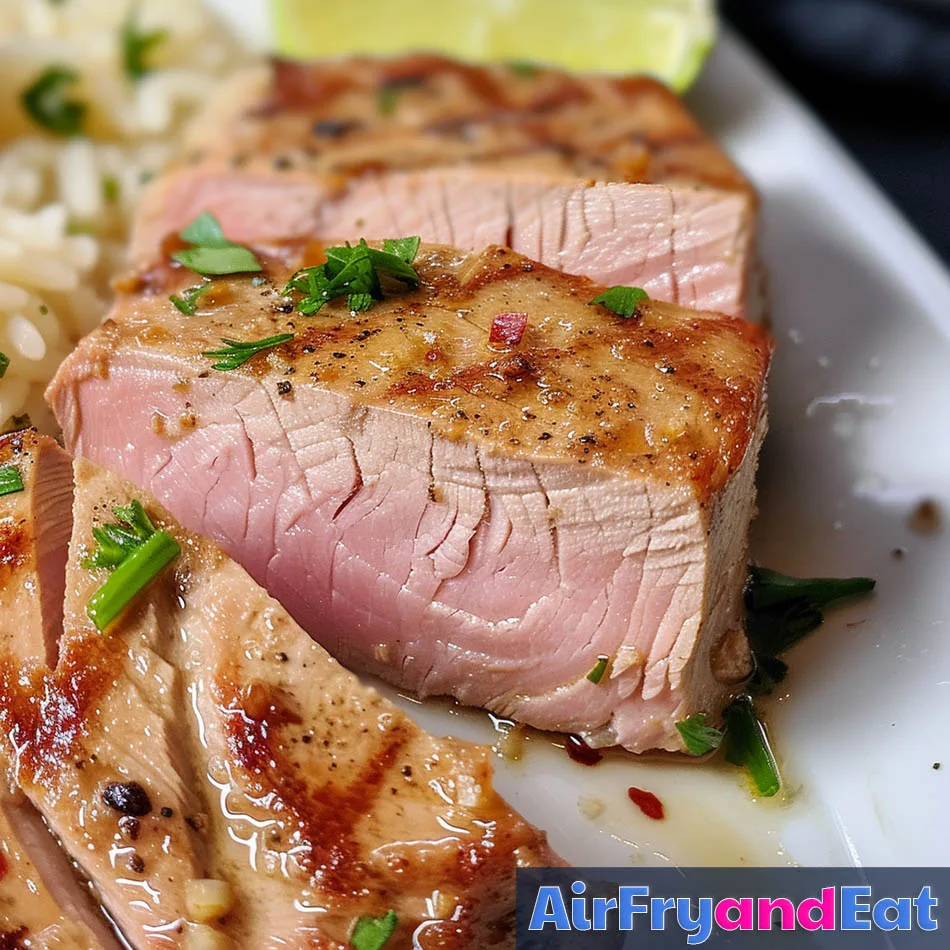
Image source: Bing (Web (fair-use with source credit))
Temperature Guidelines for Rare to Medium-Done
For precise doneness, an instant-read thermometer is your best friend, though direct visual checks are often sufficient for tuna.
- Rare: Aim for an internal temperature of 115°F (46°C). The center will be bright red and noticeably moist.
- Medium-Rare: Target an internal temperature of 120-125°F (49-52°C). The center will be predominantly pink with a translucent core.
- Medium: This is typically around 130-135°F (54-57°C). The tuna will be mostly pink, with just a hint of translucency in the deepest part.
Exceeding 135°F (57°C) generally results in tuna that is too cooked for most preferences. Remember that tuna continues to cook slightly after being removed from the air fryer, so pull it out a few degrees below your target temperature.
Common Mistakes When Air Frying Tuna (And How to Avoid Them)
The Dreaded Dry Tuna: Don't Overcook!
The single biggest mistake people make with air fryer tuna steaks is overcooking them. Tuna, especially leaner cuts, goes from perfectly cooked to dry and tough in a matter of seconds. This happens because the high heat of the air fryer works very fast.
To avoid this, always err on the side of undercooking slightly. You can always pop it back in for another minute. Pay close attention to visual cues and internal temperature if you're unsure.
Remember, tuna is best enjoyed at medium-rare or medium.
Sticking to the Basket: Simple Fixes
Tuna steaks can sometimes stick to the air fryer basket, leading to torn fish and a messy cleanup. This usually happens due to insufficient prep, especially with leaner tuna cuts. The key is ensuring the steak’s surface is dry and the basket is lightly oiled or sprayed.
If you consistently experience sticking, consider using an air fryer liner made of parchment or silicone. Just ensure it doesn't block the air vents, which could compromise cooking. Some browning on the tuna is normal, but excessive sticking means you need to adjust your prep.
Use an 8 qt air fryer with smart controls if you want more precise cooking adjustments.
Uneven Cooking? What You Might Be Doing Wrong
Uneven cooking in the air fryer, where one part of the tuna steak is done but another isn't, often stems from a few common issues. First, is the tuna steak an even thickness? If one end is significantly thicker, it will cook slower.
Second, are you overcrowding the basket?
Adequate space for air circulation is paramount. If steaks are touching or piled up, the hot air can't reach every surface effectively. Cooking in batches and ensuring a single layer of tuna in the basket solves this.
For larger meals, a best 8 qt air fryer with dual basket might be worth considering.
Air Fryer Tuna Steak Recipe Variations
Spicy Kick: Adding Chili or Sriracha
For those who love a bit of heat, adding chili flakes, a dash of sriracha, or a spicy marinade is an easy way to customize your tuna steaks. You can incorporate red pepper flakes directly into a dry rub, or stir sriracha into a soy-sesame marinade. A little heat can really complement the rich flavor of the tuna.
When adding spice, be mindful of your personal tolerance. A small amount goes a long way, especially with the intense heat of the air fryer. You can always serve a spicy dipping sauce on the side for those who want extra heat.
Asian-Inspired Flair: Sesame Ginger
An Asian-inspired flavor profile is a natural fit for tuna steaks. Combine soy sauce, grated fresh ginger, minced garlic, a touch of honey or maple syrup, and a splash of toasted sesame oil. Marinate the tuna for about 20-30 minutes before air frying.
This marinade creates a delightful balance of savory, sweet, and aromatic notes. It’s a simple way to transform plain tuna into something exotic and exciting. This flavor profile works wonderfully when served with jasmine rice and steamed broccoli, making for a complete meal.
Serving Your Air Fryer Tuna Steaks
Delicious Side Dishes to Pair
The beauty of air fryer tuna steaks is their versatility. They pair wonderfully with a wide array of sides. Simple steamed or roasted vegetables like asparagus, broccoli, or green beans are excellent choices.
A refreshing quinoa salad or a bed of fluffy jasmine rice also makes for a satisfying base.
For a more substantial meal, consider serving your tuna with roasted sweet potatoes or a creamy polenta. The richness of the tuna is beautifully contrasted by lighter, fresher accompaniments. If you're looking for one of the best 8 qt air fryer for roasting chicken, you can often use that same appliance for your veggie sides.
Tuna Steak Salads and Bowls
Leftover or freshly cooked tuna steaks are fantastic sliced and added to salads or grain bowls. Chop them into bite-sized pieces and toss with your favorite salad greens, a light vinaigrette, and some crunchy elements like bell peppers or cucumber. It transforms a simple salad into a high-protein meal.
Grain bowls are another excellent application. Build a base of rice or quinoa, add your sliced tuna steak, and top with colorful vegetables, avocado, and a drizzle of your favorite dressing or sauce, perhaps the leftover marinade or a spicy aioli. This is a quick, healthy lunch that beats most store-bought options.
How to Store Leftover Air Fryer Tuna Steak
Storing leftover air fryer tuna steak properly ensures it remains safe and palatable. Once completely cooled, place the tuna in an airtight container. It will keep well in the refrigerator for up to 2-3 days.
Avoid storing it for much longer, as the texture can degrade.
When reheating, do it gently to avoid drying out the fish further. A quick warm-up in the air fryer at a lower temperature (around 300°F or 150°C for a few minutes) or a few seconds in the microwave can work. Cold tuna, however, is often best, especially when used in salads or bowls.
Frequently Asked Questions About Air Fryer Tuna Steaks
Is it better to marinate tuna steaks or just season them for the air fryer?
It truly depends on your preference and the flavor profile you're aiming for. Marinating adds a deeper flavor and can help tenderize the fish, especially if you use acidic components like lemon juice or vinegar. A simple seasoning rub works great if you want the pure tuna flavor to shine through or if you're short on time.
Both methods can yield delicious results with proper cooking.
Can I cook frozen tuna steaks in the air fryer and skip thawing?
While some air fryer recipes allow for cooking certain foods from frozen, it's generally not recommended for tuna steaks if you want optimal results. Frozen tuna steaks will likely cook unevenly, and the exterior might overcook before the interior is properly thawed and cooked. Always thaw your tuna steaks completely in the refrigerator overnight for the best texture and flavor.
This also applies to many other protein-based recipes, like for air fryer bratwurst recipes.
How do I prevent my air fryer tuna steaks from tasting fishy?
A fresh, high-quality tuna steak is the first step to avoiding a "fishy" taste. If your tuna is very fresh, the flavor should be clean and oceanic. Proper preparation and cooking also help.
Ensure your tuna is well-seasoned, and avoid overcooking, which can bring out undesirable flavors. Using a bright marinade with lemon or soy sauce can also help mask any subtle fishiness.
Is air fryer tuna steak safe to eat if it's raw in the middle?
Yes, it is generally safe to eat tuna steaks that are raw or rare in the middle, provided the tuna is sushi-grade and has been handled properly according to food safety guidelines. Sushi-grade means the fish has been frozen at very low temperatures for a specific duration to kill parasites commonly found in raw fish. Always purchase tuna from reputable sources and store it correctly.
If you have concerns about consuming raw or undercooked fish, opt for medium or well-done.
What internal temperature should the tuna reach for safe consumption?
According to the U.S. Food and Drug Administration (FDA), tuna should ideally reach an internal temperature of 145°F (63°C) for safe consumption when fully cooked. However, for sushi-grade tuna, which is intended to be consumed rare or medium-rare, the critical factor is its initial handling and freezing process to eliminate parasites.
This usually involves freezing at temperatures below -4°F (-20°C) for 7 days, or a specific period at even colder temperatures, as per guidelines often followed by sushi-grade processors. Always source your fish from trusted suppliers who adhere to these standards for raw consumption.