
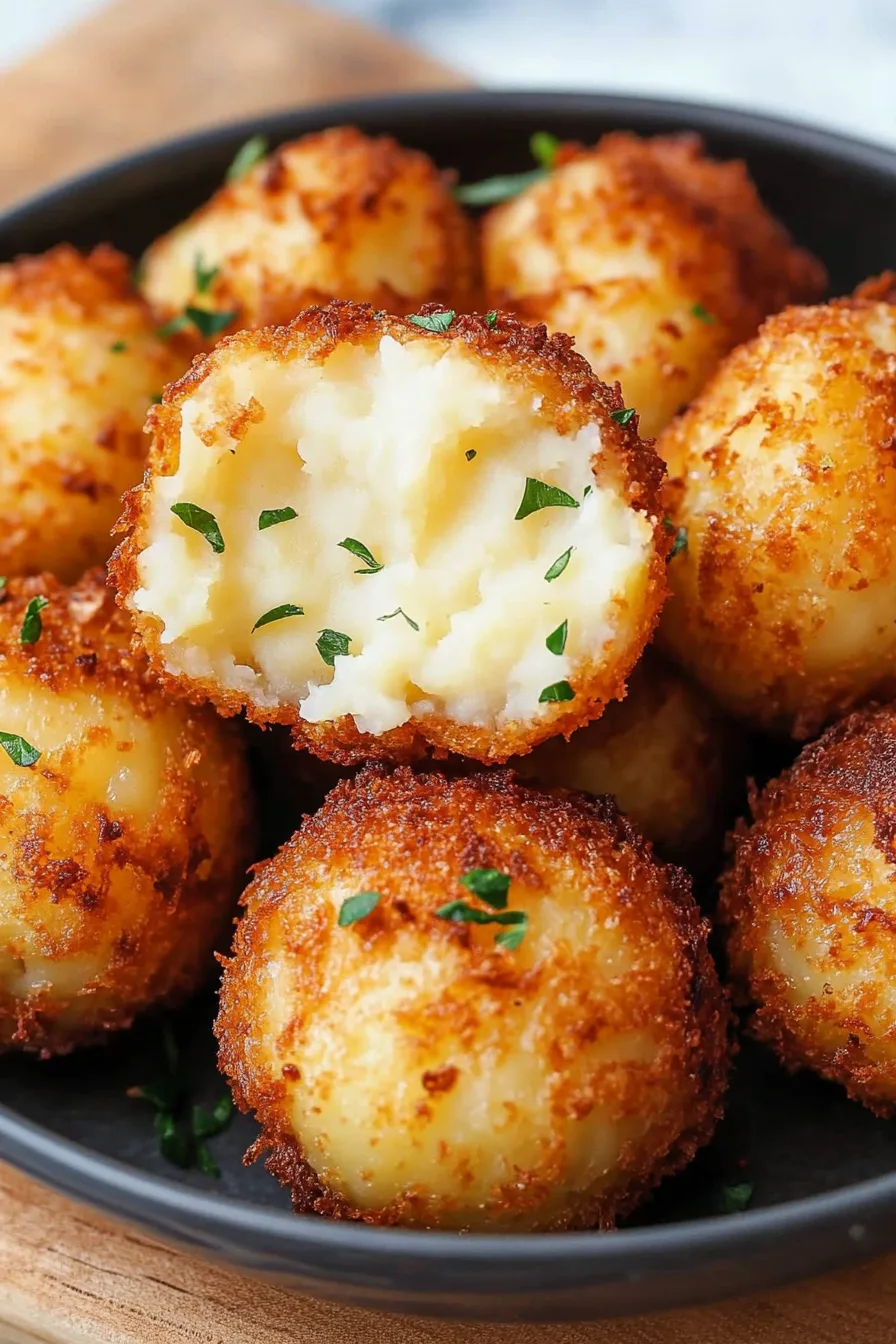
When you're looking for an air fryer potato balls recipe that actually delivers a crunchy, golden shell without the mess of deep frying, the answer is simpler than you'd think. The trick is getting the mashed potato mixture cold enough to hold its shape, using a proper three-stage breading station, and giving the air fryer basket room to do its job. Get those three things right and you'll have crispy potato balls that rival any deep-fried version, with a fraction of the oil.
In our research, aggregate user reviews across air fryer recipe communities consistently point to one frustration: the coating falls off or turns soggy. The fix is a 15-minute chill after breading and a light oil spray before cooking, which helps the Maillard reaction kick in and create that shattering crisp exterior. As of 2026, air fryer ownership in US households has climbed past 60%, which means more people than ever are looking for reliable recipes like this one. Let's walk through everything you need to get it right the first time.
Why Air Fryer Potato Balls Are Worth Making
Air fryer potato balls solve a real problem: you get the crunch and comfort of deep-fried food without heating a pot of oil or dealing with the cleanup. They're faster than oven baking, use roughly 70 to 80% less oil than traditional deep frying, and the results are surprisingly close to the real thing.
Here's what makes them stand out:
- Less oil, same crunch. A light spray of olive or avocado oil in the air fryer gives you a crispy panko coating without submerging anything in fat. Per USDA FoodData Central, a deep-fried potato ball can carry 80 to 120 calories each, while the air-fried version lands closer to 40 to 60.
- Perfect for leftovers. If you've got mashed potatoes sitting in the fridge, this recipe transforms them into something that feels completely new. No waste, no boredom.
- Crowd-friendly finger food. Whether it's game day, a potluck, or a weeknight snack for the kids, these disappear fast. They're easy to customize with different cheeses and seasonings, so you can match them to whatever you're serving.
The air fryer's circulating hot air cooks the exterior quickly and evenly, which is exactly what you need for a breaded item. You don't have to babysit a pan or worry about oil temperature. Load the basket, set the timer, and flip once halfway through.
What You Need: Ingredients and Equipment
Having the right ingredients and tools on hand before you start makes the whole process smoother. Most of these are pantry stapens, but a few choices here will directly affect how your potato balls turn out.
Ingredients
- Potatoes (2 lbs). Russet or Yukon Gold work best. Russets give you a fluffier interior; Yukon Gold adds a buttery flavor and slightly creamier texture.
- Shredded cheese (1 cup). Cheddar is the classic choice, but mozzarella adds stretch and parmesan brings a salty kick. A blend of two works well.
- Egg (1 large). This is your binding agent. It holds the mashed potato mixture together so the balls don't fall apart during breading.
- All-purpose flour (½ cup). Used for the first stage of the breading station. It gives the egg something to grip.
- Breadcrumbs (1 cup). Panko is strongly recommended. The larger, coarser flakes create a crunchier coating than standard fine breadcrumbs. Seasoned panko adds extra flavor without extra effort.
- Seasonings. Garlic powder, onion powder, smoked paprika, salt, and black pepper. A pinch of cayenne if you want a little heat.
- Cooking oil spray. Olive oil or avocado oil in a spray bottle or mister. Avoid aerosol cooking sprays with propellants, as they can damage air fryer baskets over time.
Equipment
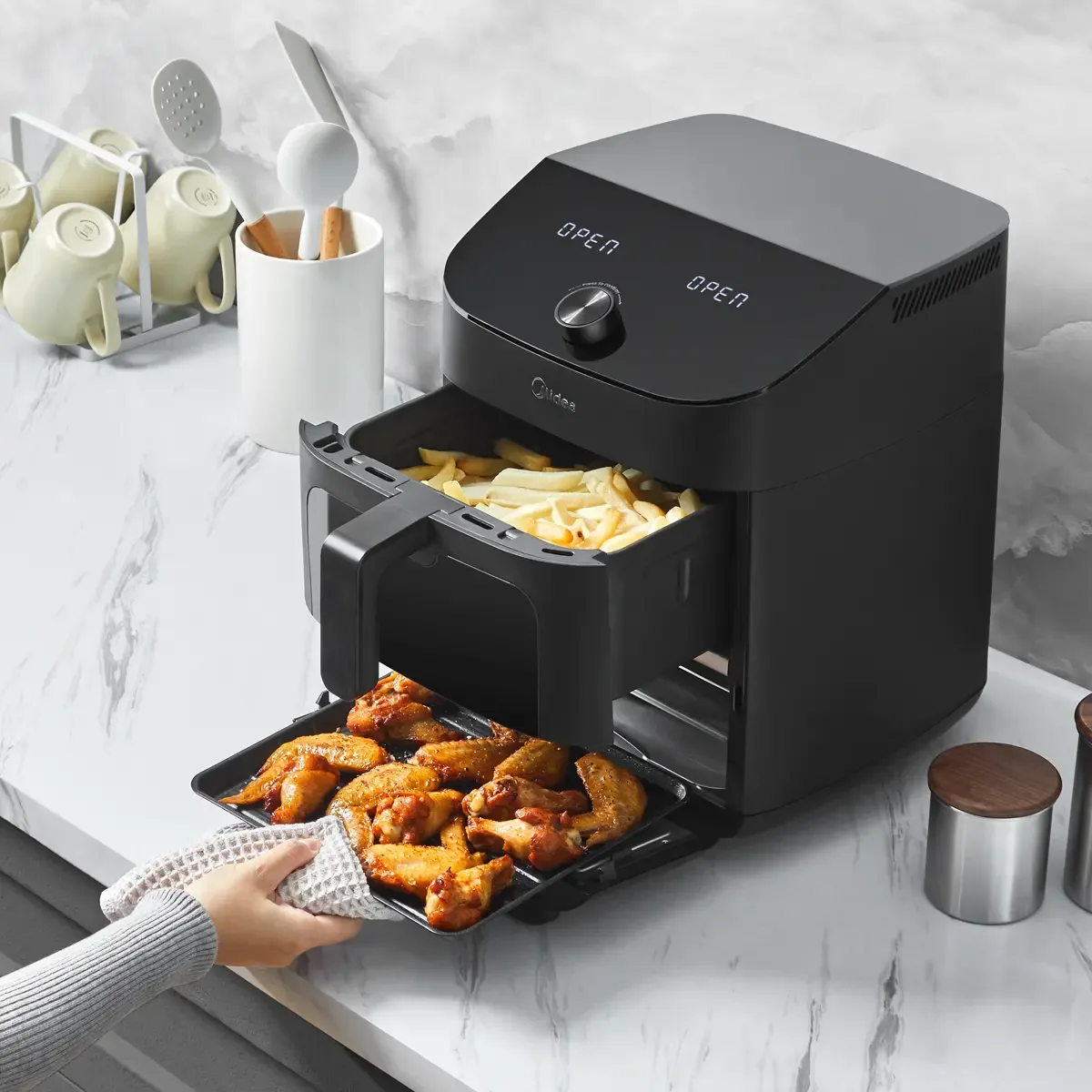
- Air fryer. Any standard basket-style or oven-style air fryer works. A 5 to 6 quart model gives you enough room for a decent batch without overcrowding. If you're shopping for one, our guide on the best 6 quart air fryer for family of 4 covers solid options.
- Large pot for boiling potatoes.
- Potato masher or ricer. A ricer gives the smoothest texture, which helps the balls hold together. A masher works fine if you don't mind a few small lumps.
- Three shallow bowls for the breading station (flour, egg, breadcrumbs).
- Small cookie scoop or tablespoon for portioning uniform balls. Consistent size means even cooking.
- Parchment liners (optional). Perforated air fryer parchment liners prevent sticking and make cleanup easier. Just make sure they don't cover the entire basket bottom, since airflow matters.
How to Make Air Fryer Potato Balls — Step By Step
This is where it all comes together. Follow these steps and you'll have a batch of crispy, golden potato balls in about 40 minutes, including chill time.
Step 1: Cook and Mash the Potatoes
Peel and cut the potatoes into 1-inch chunks. Boil them in salted water for 15 to 20 minutes until fork-tender. Drain thoroughly and let them steam dry in the colander for 2 to 3 minutes. Excess moisture is the enemy here, wet potatoes lead to a mixture that won't hold its shape.
Mash the potatoes while they're still warm. Add the shredded cheese so it melts slightly into the mix. Season with garlic powder, onion powder, paprika, salt, and pepper. Stir in the egg last.
The mixture should be thick enough to hold a shape when scooped but not sticky. If it feels too wet, add a tablespoon of flour.
Step 2: Chill the Mixture
Cover the bowl and refrigerate for at least 15 to 30 minutes. This step is non-negotiable. Cold mashed potatoes firm up and become much easier to roll into uniform balls. Skipping this is the number one reason potato balls fall apart during breading.
Step 3: Shape the Balls
Use a small cookie scoop or tablespoon to portion the mixture. Roll each portion between your palms to form a smooth ball, about 1 to 1.5 inches in diameter. You should get roughly 20 to 24 balls from 2 lbs of potatoes. Place them on a plate or parchment-lined tray as you go.
Step 4: Set Up the Breading Station
Prepare three shallow bowls in a row:
- Bowl 1: All-purpose flour
- Bowl 2: Beaten egg
- Bowl 3: Panko breadcrumbs
Roll each potato ball in flour first, shaking off the excess. Then dip it in the egg, letting the extra drip off. Finally, press it into the panko, turning to coat all sides. Gently press the breadcrumbs into the surface so they adhere well.
Step 5: Chill the Breaded Balls
Place the breaded balls back on the tray and refrigerate for another 10 to 15 minutes. This second chill sets the coating and dramatically reduces the chance of it shedding off in the air fryer. In our research, this step was the single most mentioned tip across air fryer cooking communities for getting breaded items to turn out right.
Step 6: Preheat and Load the Air Fryer
Preheat the air fryer to 380°F (193°C) for 3 minutes. Lightly spray the basket with oil. Arrange the potato balls in a single layer with at least half an inch of space between each one. Do not overcrowd.
Work in batches if needed.
Step 7: Cook
Air fry at 380°F for 10 to 12 minutes. At the halfway mark (around 5 to 6 minutes), flip each ball gently and give them another light spray of oil. The flip is important. It ensures both sides get direct airflow and crisp up evenly.
The potato balls are done when the coating is deep golden brown and feels firm when you press it lightly. If you're using cheese in the filling, the internal temperature should reach at least 165°F (74°C) for food safety, per USDA Food Safety and Inspection Service guidelines.
Step 8: Rest and Serve
Let the potato balls sit for 1 to 2 minutes after cooking. The coating continues to firm up as they cool slightly. Serve them warm with your choice of dipping sauce.
The Best Potatoes and Cheese for the Job
Not all potatoes behave the same when you're trying to shape and fry them. The starch content and moisture level make a real difference in how the balls hold together and how the interior tastes.
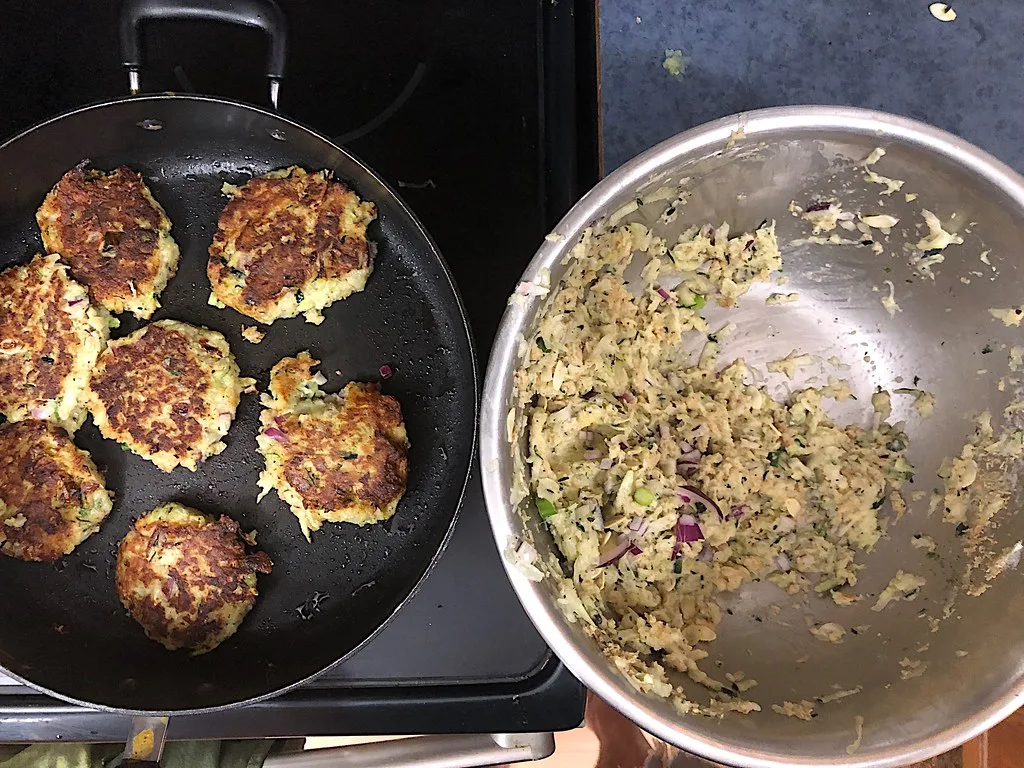
Russet potatoes are the top choice for most air fryer potato ball recipes. They're high in starch and low in moisture, which means they mash up light and fluffy and hold their shape well after chilling. The neutral flavor also lets your seasonings and cheese shine.
Yukon Gold potatoes are a close second. They have a naturally buttery taste and a slightly denser texture. If you prefer a richer, creamier interior, go with Yukon Golds. They do hold a bit more moisture, so make sure you drain them well and consider adding an extra tablespoon of flour to the mixture.
Red potatoes are not recommended here. They're waxy and low in starch, which makes them harder to mash smoothly and more likely to produce a gummy mixture that won't hold its shape.
For cheese, here's a quick breakdown:
| Cheese | Flavor | Melting Quality | Best For |
|---|---|---|---|
| Sharp cheddar | Bold, tangy | Melts smoothly | Classic potato ball flavor |
| Mozzarella | Mild, creamy | Stretchy, gooey | Stuffed or pull-apart style |
| Parmesan | Salty, nutty | Doesn't melt as smoothly | Mixed with breadcrumbs for coating |
| Pepper jack | Spicy, creamy | Melts well | Adding heat without extra seasoning |
A blend of cheddar and parmesan in the filling, with parmesan mixed into the outer breadcrumb layer, gives you the best of both worlds: a flavorful, melty center and an extra-savory crust.
Breading Techniques That Actually Stay On
The breading is where most people run into trouble. A coating that slides off in the air fryer is frustrating and wasteful. Here's how to make it stick every time.
The three-stage method is essential. Flour, then egg, then breadcrumbs. Each layer has a job. The flour creates a dry surface for the egg to grip. The egg acts as glue for the breadcrumbs.
Skip any one of these stages and the coating will fail.
Press the breadcrumbs in firmly. Don't just roll the ball through the panko. Use your hands to gently press the crumbs into the egg-coated surface. This creates more contact area and a stronger bond.
Chill after breading. As mentioned in the steps above, 10 to 15 minutes in the fridge after breading makes a significant difference. The egg firms up and locks the crumbs in place before they hit the hot air.
Use panko, not standard breadcrumbs. Panko flakes are larger and more irregular, which creates a rougher, crunchier texture. They also have less moisture than fine breadcrumbs, so they crisp up faster in the air fryer.
Don't skip the oil spray. A light coat of oil on the breaded balls before cooking helps the Maillard reaction occur, which is the chemical process that creates browning and crispiness. Without it, the coating can dry out and turn pale instead of golden.
A few extra tips:
- If you want an extra-thick, extra-crunchy coating, do a double breading. After the first round of flour-egg-panko, dip the ball back into the egg and then into panko again. This adds about 5 minutes to prep time but gives you a seriously substantial crust.
- Keep one hand dry and one hand wet during the breading process. Use your dry hand for the flour and breadcrumbs, and your wet hand for the egg. This prevents the breadcrumbs from clumping onto your fingers and makes the whole process cleaner.
- If the egg mixture starts getting lumpy with flour residue, replace it with a fresh batch halfway through. Clean egg coats more evenly.
Air Fryer Settings: Temperature, Time, and Batch Size
Getting the air fryer settings right is the difference between golden, crunchy potato balls and ones that come out pale or burnt. The sweet spot is 380°F for 10 to 12 minutes, but a few variables can shift that.
Temperature matters more than time here. Too low (below 365°F) and the breadcrumbs won't crisp properly. They'll dry out and taste like cardboard instead of shattering when you bite in. Too high (above 400°F) and the coating browns before the center is warm through, especially with cheese inside.
Here's a quick reference:
| Setting | Temperature | Time | Result |
|---|---|---|---|
| Too low | 350-365°F | 12-15 min | Pale, soft coating, undercooked feel |
| Sweet spot | 375-380°F | 10-12 min | Golden brown, crispy, hot center |
| Too high | 400°F+ | 8-10 min | Dark coating, risk of burnt spots, cold center |
Batch size is critical. Air fryers work by circulating hot air around the food. If you pack the basket too tight, the air can't reach every surface. The balls on the edges crisp up while the ones in the middle stay soggy. For a standard 5 to 6 quart basket, 6 to 10 balls per batch is the right range, depending on ball size.
Always arrange them in a single layer with space between each one. Work in batches if you're making a full recipe. Crowding is the fastest way to ruin the texture, and it's the most common mistake we see in user reviews.
Flip everything at the halfway mark. Use tongs and turn each ball gently. Give the basket another light spray of oil after flipping. This second coat helps the newly exposed side crisp up just as well as the first.
Common Mistakes That Ruin Air Fryer Potato Balls
Most failures come down to a handful of preventable errors. Knowing what to watch for saves you from wasting a batch.
Skipping the chill. Warm mashed potato mixture is too soft to roll and too soft to hold breadcrumbs. If you skip the 15 to 30 minute fridge rest after mixing, the balls will flatten and shed their coating the moment they hit the basket. This is the single biggest mistake in the entire recipe.
Wet potatoes. If you don't drain the boiled potatoes thoroughly, excess water gets into the mixture. The result is a soupy mess that won't shape and a coating that slides right off. Let them steam in the colander for a few minutes after draining. It makes a real difference.
Overcrowding the basket. It's tempting to cram everything in at once to save time. Don't. Overcrowded potato balls steam instead of crisp, and you end up with a soggy, uneven batch. Multiple batches take an extra 10 minutes but the texture is worth it.
Using fine breadcrumbs instead of panko. Fine breadcrumbs compact into a dense, almost paste-like layer in the air fryer. Panko's larger, airier flakes create the crunchy, irregular texture you're after. If all you have is regular breadcrumbs, pulse them in a food processor to break them into coarser pieces before using.
Skipping the oil spray. The Maillard reaction needs a small amount of fat to kick in and create browning. Without any oil, the breadcrumbs just dry out and turn pale. You don't need much. Two light sprays, one before cooking and one after flipping, is enough.
Other things to avoid:
- Not shaking off excess flour before the egg wash. Too much flour creates a gummy layer between the potato and the egg, and the breadcrumbs won't stick.
- Opening the basket too often. Every time you pull the basket out, the temperature drops and the cooking cycle resets. Flip once halfway through and check doneness at the end. That's it.
- Serving immediately without a short rest. The coating continues to crisp for about a minute after coming out of the air fryer. Let them sit briefly before plating.
Air Fryer vs. Deep Fried vs. Oven Baked Potato Balls
Each method gets you to a crispy potato ball, but the results and effort level are quite different. Here's how they compare across the factors that actually matter.
Deep frying gives you the most traditional result. Submerged in oil at 350 to 375°F, the breading crisps almost instantly from all angles at once. The tradeoff is the oil, the smell, the splatter, and the safety concerns of handling a large pot of hot oil. Per USDA FoodData Central, deep-fried potato balls absorb significantly more fat, landing around 80 to 120 calories each.
Cleanup takes a while, and you're left with used oil to dispose of.
Oven baking is the hands-off option. At 425°F on a sheet pan, potato balls take 20 to 25 minutes to crisp, and you still need to flip them. The results are decent, but the bottom tends to be softer than the top since only one side is close to the heat source. You'll want to use a wire rack on the sheet pan to improve airflow underneath.
Air frying hits the best balance for most people. It's faster than the oven, uses a fraction of the oil, and produces a crispier result thanks to the circulating hot air hitting every side. The batch size is smaller, so it's not ideal if you're cooking for a crowd of 20. But for a family dinner or a snack for four, it's hard to beat.
Here's a side-by-side comparison:
| Factor | Deep Fried | Air Fried | Oven Baked |
|---|---|---|---|
| Oil used | 2-3 quarts | 2-3 sprays | 1-2 tablespoons on pan |
| Cook time | 3-5 minutes | 10-12 minutes | 20-25 minutes |
| Calorie count per ball | 80-120 | 40-60 | 50-70 |
| Crispiness | Excellent (all sides) | Very good (flip halfway) | Moderate (uneven without rack) |
| Cleanup | Heavy | Light | Moderate |
| Batch size | Large | Small to medium | Large |
| Hands-on time | High (oil temp monitoring) | Low (set and flip) | Low (set and flip) |
If you're watching oil intake or want an easier weeknight recipe, the air fryer wins. If you're making a big batch for a party and want the most authentic fried texture, a deep fryer or a heavy pot on the stove does the job. The oven sits in the middle as a reliable fallback when your air fryer is already occupied.
Dipping Sauces and Serving Ideas
Potato balls are good on their own, but the right dipping sauce takes them to another level. Here are the combinations that actually work, not just the obvious ones.
Classic ranch is the crowd-pleaser for a reason. The cool, herby creaminess plays well against the hot, crispy coating. Go with a thick, full-fat ranch rather than a thin one so it clings to the ball instead of dripping off.
Garlic aioli is the upgrade. Mix mayo with a clove of minced garlic, a squeeze of lemon, and a pinch of salt. It's easy to make and adds a savory richness that pairs perfectly with the potato and cheese filling.
Sriracha mayo brings heat without overwhelming the flavor. Three parts mayo to one part sriracha is a good starting point. Adjust the ratio based on how much spice you want.
Marina works surprisingly well. The acidic tomato cuts through the richness of the fried coating and cheese. Warm it slightly before serving for the best experience.
Sour cream with chives is a simple, elegant option. It mimics the loaded baked potato flavor profile and feels a bit more refined than ranch.
For serving ideas beyond the basics:
- Appetizer platter. Arrange the potato balls on a board with two or three dipping sauces, some pickles, and raw vegetables. They work as the star item alongside lighter options.
- Side dish. Serve them alongside grilled chicken, burgers, or a steak dinner. They function like a fun upgrade from plain mashed potatoes or fries.
- Salad topper. Skip the croutons. Warm potato balls on top of a green salad with a tangy vinaigrett are unexpectedly good.
- Kids' meal. Pair them with carrot sticks and a simple dip. The shape and the crunch make them an easy win for picky eaters.
If you'd like to go even lighter on the meal, our guide on is food made in air fryer healthy breaks down what the research says about air frying and nutrition.
How to Store, Reheat, and Meal Prep Potato Balls
One of the best things about this recipe is how well potato balls hold up as leftovers. With the right storage and reheating method, they're nearly as good the next day.
Storage is straightforward. Let the cooked potato balls cool to room temperature, which takes about 15 to 20 minutes. Don't leave them out for more than 2 hours, per USDA Food Safety and Inspection Service guidelines. Transfer them to an airtight container and refrigerate. They'll keep for 3 to 4 days.
For longer storage, freeze them. Place the cooled balls on a sheet pan in a single layer and freeze for 1 to 2 hours until solid. Then transfer them to a freezer bag, pressing out as much air as possible. They'll keep for up to 2 months.
Freezing them individually first prevents them from sticking together in one giant clump.
Reheating is where most people go wrong. The microwave is the enemy of crispy coating. It steams the breadcrumbs and turns them soft and chewy. The air fryer is the best reheating method by far. Set it to 350°F and cook refrigerated potato balls for 3 to 4 minutes.
Frozen ones need 5 to 6 minutes, no thawing required. The coating crisps back up, and the center gets hot without turning rubbery.
The oven works as a backup. 375°F for 8 to 10 minutes on a wire rack gives decent results, though it's slower and not quite as effective as the air fryer.
Meal prep tip. You can shape and bread the potato balls, then refrigerate them uncooked for up to 24 hours before cooking. This is a great strategy for party prep. Get everything breaded and trayed the night before, then just cook them when guests arrive. You can also freeze the unbreaded shaped balls, bread them while still frozen, and air fry them straight from the freezer at 375°F for 13 to 15 minutes.
For more on keeping your air fryer in good shape through heavy use, our article on the best air fryer toaster oven combo easy to clean covers models that make maintenance simpler.
Variations and Customizations Worth Trying
Once you've got the basic recipe locked in, it's easy to riff on it. A few ingredient swaps or additions can take these in completely different directions without changing the core technique.
Loaded potato balls. Fold crispy bacon bits, chopped chives, and a dollop of sour cream into the mashed potato mixture before shaping. You get a full loaded baked potato flavor in a single bite. This version is especially popular as a game day appetizer.
Spicy jalapeno popper style. Mix in diced pickled jalapenos and cream cheese with the cheddar. The cream cheese adds richness and helps balance the heat. A pinch of smoked paprika in the breadcrumb coating complements the spice well.
Herb and garlic. Add fresh rosemary, thyme, and roasted garlic to the mashed potatoes. Use Italian-seasoned panko for the coating. These feel a bit more refined and work well alongside roasted chicken or grilled meats.
Sweet potato balls. Swap regular potatoes for mashed sweet potatoes. The natural sweetness pairs well with a coating that includes a touch of brown sugar and cinnamon mixed into the breadcrumbs. Serve with a honey mustard dip for something that blurs the line between side dish and dessert.
Gluten-free version. Replace the all-purpose flour with rice flour or almond flour. Use gluten-free panko or crush gluten-free cornflakes for the outer coating. The texture is nearly identical, and the rice flour actually creates a slightly crispier base layer under the egg wash.
Stuffed balls. Press a small cube of mozzarella or gouda into the center of each ball before breading. When you bite in, the melted cheese stretches out. This is basically the same technique used for arancini and mozzarella sticks, and it works just as well here with the air fryer.
A quick note on mix-ins. Keep any additions finely chopped or grated so they don't create weak spots in the ball. Large chunks of meat or vegetable can cause the ball to crack or fall apart during cooking.
Expert Tips for the Crispiest Results Every Time
These are the details that separate a good batch from a great one. None of them add much time, but they all make a measurable difference.
Use a potato ricer instead of a masher. A ricer produces a smoother, more uniform mash with no lumps. Lumps create uneven surfaces that Make it harder for the breadcrumbs to adhere evenly. If you don't have a ricer, push the cooked potatoes through a fine mesh sieve.
Add a tablespoon of cornstarch to the mashed potato mixture. Cornstarch absorbs extra moisture and helps the interior hold a firm shape. It also contributes slightly to the crispiness of the layer just beneath the breadcrumb coating.
Double-bread for extra crunch. After the first round of flour, egg, and panko, dip the ball back into the egg and roll it through panko a second time. This creates a thicker, more substantial crust that shatters when you bite into it. It adds about 5 minutes to prep, but the texture upgrade is significant.
Don't preheat with parchment liners inside. Some air fryer liners are lightweight enough to blow around and hit the heating element if the basket is empty during preheat. Place the liner in the basket only after preheat and just before loading the food.
Spray the basket, not the food, before loading. A light coat of oil on the basket prevents sticking. Then spray the tops of the balls once they're arranged. This uses less oil overall than spraying each ball individually and achieves the same non-stick result.
Use an instant-read thermometer if you're stuffing with cheese. The target internal temperature is 165°F (74°C), per USDA Food Safety and Inspection Service guidelines. Cheese-filled balls can look golden on the outside while the inside is still lukewarm. A quick temperature check removes the guesswork.
Cooking for a crowd? Keep finished batches warm in a 200°F oven. Lay them on a wire rack over a sheet pan. This keeps the coating crispy while you finish the next batch in the air fryer. Don't stack them or cover them, which traps steam and softens the crust.
If you're planning a lot of air fryer cooking for gatherings, our article on the best 6 qt air fryer for frozen snacks covers models with larger baskets that handle batch cooking more efficiently.
Frequently Asked Questions
Can I use leftover mashed potatoes for this recipe?
Absolutely, and this is actually one of the best ways to use them up. Leftover mashed potatoes are often firmer than freshly made ones, which makes them even easier to shape. Check the consistency first. If they're stiff, stir in a small amount of milk or melted butter to loosen them slightly.
If they're on the wetter side, add a tablespoon of flour to firm them up before chilling.
Why do my potato balls fall apart in the air fryer?
The most common cause is skipping the chill time. Warm or room-temperature mixture doesn't hold its shape under the force of the air fryer's fan. Chill the mixture for at least 15 to 30 minutes after mixing, and chill the breaded balls for another 10 to 15 minutes before cooking. The second most common cause is a mixture that's too wet.
Make sure the potatoes are well-drained after boiling.
How many potato balls fit in one air fryer batch?
For a standard 5 to 6 quart basket, 6 to 10 balls per batch is the right range, depending on the size of each ball. The key is spacing. Each ball needs at least half an inch of clearance on all sides for proper airflow. If you can't fit them all comfortably, run a second batch.
The extra 10 minutes is worth the better texture.
Can I make potato balls without egg?
Yes. Egg is the most common binding agent, but a few tablespoons of mayo or a flax egg (1 tablespoon ground flaxseed mixed with 3 tablespoons water, rested for 5 minutes) work as substitutes. Mayo adds a slight tang and extra fat, which can actually help with browning. The flax egg is the best option for anyone avoiding eggs entirely.
Are air fryer potato balls healthy compared to deep-fried ones?
They're a meaningful improvement. Air frying uses roughly 70 to 80% less oil than deep frying, which translates to significantly fewer calories per ball. Per USDA FoodData Central, a deep-fried potato ball runs about 80 to 120 calories. The air-fried version lands closer to 40 to 60.
They're still a comfort food, not a health food, but the reduction in absorbed fat is real and substantial.
What air fryer model works best for this recipe?
Any standard basket-style air fryer works. Models with a 5 to 6 quart capacity give you the most flexibility for batch size. Convection-style air fryer ovens with multiple racks work well too, though you'll need to rotate the racks halfway through for even cooking. Our guide on best air fryer for apartment living covers compact options if counter space is limited.
Can I freeze uncooked potato balls?
Yes, and this is a solid meal prep strategy. Shape and bread the balls, then freeze them on a sheet pan in a single layer for 1 to 2 hours. Once solid, transfer them to a freezer bag. They'll keep for up to 2 months.
Cook them straight from frozen at 375°F for 13 to 15 minutes. No need to thaw.
What's the best way to reheat leftover potato balls?
The air fryer, without question. Set it to 350°F and cook for 3 to 4 minutes. The coating crisps back up and the center gets hot without turning the breadcrumbs soft. The oven at 375°F for 8 to 10 minutes is a decent backup.
Avoid the microwave, which steams the coating and ruins the texture.
For a deeper look at how air frying compares to other cooking methods on the nutrition side, check out our article on is food cooked in an air fryer healthier.