
Many home cooks wonder if their Instant Pot Air Fryer is toxic. This comprehensive guide addresses those concerns by exploring the materials used in its construction, the safety certifications it holds, and best practices for maintenance. Learn how to ensure your appliance is safe for daily use, leading to healthier and more delicious meals.
Is the Instant Pot Air Fryer Toxic? Your Guide to Safe Cooking
The Instant Pot has revolutionized kitchens worldwide, and the addition of an air fryer lid or integrated model has only increased its popularity. As we embrace these convenient cooking methods, it’s natural to ask: Is the Instant Pot Air Fryer toxic? This is a crucial question for anyone concerned about the safety and healthiness of their meals. We’re here to put your mind at ease and provide a comprehensive guide to understanding the safety of your Instant Pot Air Fryer.
In this guide, we’ll delve into the materials used in its construction, the safety standards it adheres to, and how proper usage and maintenance play a vital role in ensuring your appliance is safe for everyday cooking. Get ready to cook with confidence!
Key Takeaways
- Material Safety: Instant Pot Air Fryers are typically made from food-grade stainless steel, BPA-free plastics, and non-stick coatings that are considered safe for cooking.
- Regulatory Compliance: The appliance undergoes rigorous testing to meet safety standards set by organizations like the FDA and UL, ensuring it’s safe for household use.
- Coating Considerations: While non-stick coatings are common, understanding their composition and avoiding damage is crucial to prevent potential issues.
- Proper Maintenance is Key: Regular cleaning and avoiding abrasive tools will preserve the integrity of the materials and prevent the release of any harmful substances.
- Signs of Wear and Tear: Be aware of scratches, peeling, or unusual smells, which might indicate a need for repair or replacement of components.
- User Practices Matter: Following manufacturer instructions for use and cleaning is the most direct way to ensure your Instant Pot Air Fryer remains safe.
Understanding the Materials: What Is Your Instant Pot Air Fryer Made Of?
The first step in addressing concerns about toxicity is to understand the components that make up your Instant Pot Air Fryer. Manufacturers prioritize safety, especially when it comes to food contact surfaces. Let’s break down the typical materials:
Stainless Steel Components
Many parts of your Instant Pot Air Fryer, including the inner pot and sometimes the heating element housing, are made from food-grade stainless steel. This material is highly regarded in the culinary world for several reasons:
- Durability: Stainless steel is robust and can withstand high temperatures and frequent use.
- Corrosion Resistance: It doesn’t rust or corrode easily, preventing the leaching of metals into your food.
- Non-Reactive: It’s non-reactive, meaning it won’t interact with acidic foods, preserving their flavor.
- Easy to Clean: Its smooth surface makes it easy to clean, reducing the risk of bacterial buildup.
The grade of stainless steel used is important. Typically, 18/8 or 18/10 stainless steel is employed, which indicates the chromium and nickel content, known for their safety and resistance to corrosion.
BPA-Free Plastics
You’ll find plastics in the exterior casing, handles, and some internal components of your Instant Pot Air Fryer. Reputable manufacturers, like Instant Pot, are committed to using BPA-free plastics. Bisphenol A (BPA) is a chemical compound that has raised health concerns. By opting for BPA-free materials, Instant Pot ensures that:
- No Harmful Chemicals Leach: These plastics are designed to prevent the transfer of harmful chemicals into your food, especially when exposed to heat.
- Food Safety: This significantly enhances the overall food safety of the appliance.
Always look for labels or product information that explicitly states “BPA-free” on your appliance and its accessories.
Non-Stick Coatings
Many Instant Pot Air Fryer models feature non-stick coatings on their cooking baskets or trays. These coatings are designed to prevent food from sticking, making cleanup easier and reducing the need for excessive oil. The most common types of non-stick coatings are:
- PTFE (Polytetrafluoroethylene): Often referred to by brand names like Teflon. When heated to extremely high temperatures (well above typical air frying temperatures), PTFE can degrade and release fumes. However, modern PTFE coatings are PFOA-free (Perfluorooctanoic acid), a chemical that was previously associated with health risks and has been phased out by most manufacturers.
- Ceramic Coatings: These are becoming increasingly popular. Ceramic coatings are generally considered very safe and are free from PTFE and PFOA. They are made from natural materials and are durable.
The key to non-stick coatings is to use them as intended and to avoid damaging them. Scratches or peeling can compromise the coating’s integrity and potentially lead to issues.
Safety Standards and Certifications: What Does It Mean for You?
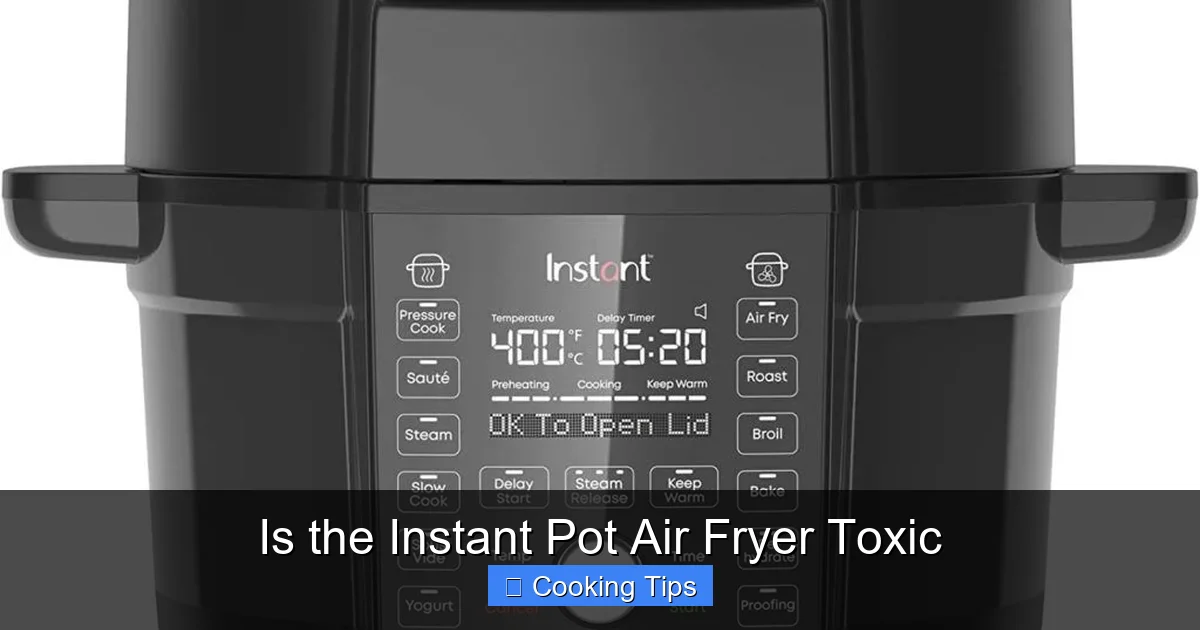
When you purchase an appliance like an Instant Pot Air Fryer, it has undergone extensive testing to meet stringent safety regulations. These certifications provide an assurance that the product is safe for consumer use.
Visual guide about Is the Instant Pot Air Fryer Toxic
Image source: kitchenappliancehq.com
UL Certification
Many Instant Pot Air Fryers carry the UL (Underwriters Laboratories) mark. UL is a global safety certification company that tests products for safety. A UL certification means that the product has met established safety requirements and is safe to use under normal operating conditions. This includes aspects like:
- Electrical Safety: Ensuring the appliance doesn’t pose a risk of electric shock.
- Fire Safety: Testing to ensure it won’t overheat or become a fire hazard.
- Mechanical Safety: Assessing moving parts and structural integrity.
FDA Compliance
Materials that come into contact with food, such as the inner pot, basket, and any non-stick coatings, must comply with Food and Drug Administration (FDA) regulations. The FDA sets standards for materials used in food processing and packaging to ensure they are safe and do not contaminate food.
When Instant Pot states its products comply with FDA regulations for food-contact materials, it means the plastics and coatings used are deemed safe for their intended use in cooking.
Potential Concerns and How to Mitigate Them
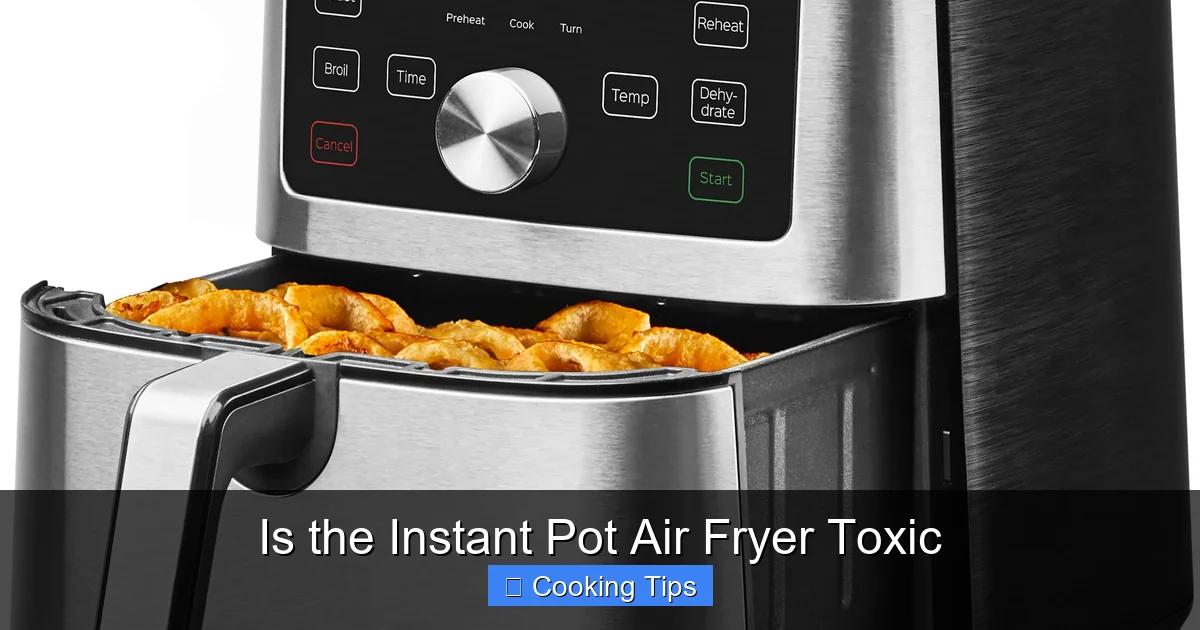
While the Instant Pot Air Fryer is designed with safety in mind, like any cooking appliance, there are potential areas of concern that users should be aware of. Fortunately, most can be easily mitigated with proper care and usage.
Visual guide about Is the Instant Pot Air Fryer Toxic
Image source: refinery29.com
Overheating and Fumes
The Concern: Some non-stick coatings, particularly older types of PTFE, can release fumes if they overheat significantly beyond their intended cooking temperatures. This is rarely an issue with modern appliances designed for air frying, as the temperatures are well within the safe operating range for these materials.
Mitigation:
- Follow Temperature Guidelines: Always adhere to the recommended cooking temperatures and times for your recipes.
- Ensure Proper Ventilation: While not typically an issue with air fryers compared to other cooking methods, ensure your kitchen is reasonably ventilated.
- Avoid Empty Preheating for Extended Periods: Don’t leave the air fryer running empty at high heat for prolonged times, as this can stress the non-stick coating unnecessarily.
Damage to Non-Stick Coatings
The Concern: Scratched, chipped, or peeling non-stick coatings are the most common concern. If the coating is compromised, tiny particles could potentially flake off into your food. While the materials themselves are generally non-toxic, ingesting flakes isn’t ideal.
Mitigation:
- Use the Right Utensils: Always use silicone, wooden, or plastic utensils when handling food in the air fryer basket. Never use metal utensils, knives, or abrasive scrubbers that can scratch the surface.
- Gentle Cleaning: Clean the basket and trays with warm, soapy water and a soft sponge or cloth. Avoid steel wool or harsh scouring pads.
- Proper Storage: When storing the basket or trays, ensure they don’t rub against sharp objects that could cause scratches.
- Inspect Regularly: Before each use, quickly inspect the non-stick coating for any signs of damage. If it appears significantly worn, scratched, or peeling, consider replacing the component.
Potential for Chemical Leaching (General Concern)
The Concern: A general worry with any kitchen appliance is the potential for chemicals to leach into food. This is a valid concern, which is why certifications and material choices are so important.
Mitigation:
- Choose Reputable Brands: Stick with well-known brands like Instant Pot that invest in safety testing and use certified materials.
- Buy from Authorized Retailers: Ensure you’re buying genuine products, not counterfeits that may not meet safety standards.
- Read the Manual: Always read and follow the manufacturer’s instructions for use, cleaning, and maintenance. This will ensure you are using the appliance as intended, which is crucial for safety.
How to Maintain Your Instant Pot Air Fryer for Maximum Safety
Proper maintenance is not just about keeping your appliance looking good; it’s essential for ensuring its continued safety and performance. Here’s how to keep your Instant Pot Air Fryer in top condition:
Regular Cleaning is Crucial
Cleaning your Instant Pot Air Fryer after each use is the most important step. This prevents food residue buildup, which can affect cooking performance and potentially harbor bacteria.
Step-by-Step Cleaning:
- Unplug and Cool Down: Always unplug the appliance and allow it to cool completely before cleaning.
- Disassemble Removable Parts: Remove the air fryer basket, crisper plate, or any other removable components.
- Wash by Hand (Recommended for Coatings): For non-stick coatings, handwashing with warm, soapy water and a soft sponge is the best approach. This preserves the coating’s integrity. Many Instant Pot air fryer components are dishwasher safe, but check your manual. If using a dishwasher, place them on the top rack.
- Clean the Exterior: Wipe down the exterior of the unit with a damp cloth. Never immerse the main unit in water.
- Clean the Heating Element: If accessible, gently wipe the heating element with a damp cloth to remove any food debris. Ensure it is completely dry before the next use.
- Dry Thoroughly: Make sure all parts are completely dry before reassembling and storing the appliance.
Inspect for Wear and Tear
Regularly inspect the appliance for any signs of damage. This includes:
- Scratches or Peeling: On non-stick surfaces.
- Cracked or Damaged Plastics: On the casing or handles.
- Loose Components: Ensure all parts are securely attached.
- Unusual Smells: A burning smell or strong chemical odor during operation is a sign something is wrong.
If you notice any significant damage, especially to the non-stick coating or electrical components, it’s best to contact Instant Pot customer support or consider replacing the affected part or the appliance.
Proper Usage Techniques
Using your Instant Pot Air Fryer correctly from the start will prevent issues down the line. For example, when cooking foods that might produce a lot of grease, like bacon, it’s helpful to know that you can cook bacon in an Instant Pot Air Fryer effectively with minimal mess, thanks to the enclosed cooking environment.
For other items, understanding the best techniques ensures longevity. For instance, cooking a roast might require different considerations than preparing something like a quesadilla. Exploring various recipes, such as how to cook a quesadilla in the air fryer, can highlight these differences.
Conclusion: Your Instant Pot Air Fryer is Safe When Used Correctly
So, is the Instant Pot Air Fryer toxic? The short answer is no, not when used as intended and maintained properly. Instant Pot prioritizes safety by using food-grade materials like stainless steel and BPA-free plastics, and their products are designed to meet rigorous safety standards like UL and FDA compliance. The common concerns, such as those related to non-stick coatings, are largely mitigated by using the correct utensils, gentle cleaning, and avoiding overheating.
By understanding the materials, adhering to safety certifications, and diligently following maintenance guidelines, you can be confident that your Instant Pot Air Fryer is a safe and healthy addition to your kitchen. Enjoy the convenience and delicious results of air frying with peace of mind!