
Curious about silicone air fryer accessories? This guide dives deep into their safety, breaking down the materials used and what to look for. You’ll learn about the benefits of using silicone, potential concerns, and how to ensure you’re using these popular kitchen tools safely and effectively for all your air frying adventures. Silicone air fryer liners are generally safe when made from food-grade silicone and used correctly.
## Is Silicone Air Fryer Safe? Your Complete Guide
Air fryers have revolutionized our kitchens, offering a healthier way to enjoy crispy, delicious food. As these handy appliances gain popularity, so do their accessories. Silicone air fryer liners, baskets, and mats have become a must-have for many, promising easier cleanup and better cooking results. But with any kitchen gadget, especially those involving heat and food, a crucial question arises: Is silicone air fryer safe?
This guide will walk you through everything you need to know about the safety of silicone in your air fryer. We’ll explore the materials, the benefits, potential concerns, and how to use these accessories with confidence. By the end, you’ll be equipped to make informed decisions about incorporating silicone into your air frying routine.
Key Takeaways
- Food-Grade Silicone is Safe: Reputable silicone air fryer accessories are made from food-grade silicone, which is non-toxic and heat-resistant.
- Avoid Low-Quality Products: Cheap, unbranded silicone may contain fillers that can leach into food at high temperatures.
- Check for Certifications: Look for certifications like FDA, LFGB, or BPA-free to ensure quality and safety.
- Proper Usage is Key: Avoid exposing silicone to extreme heat beyond its rating or using sharp objects that can damage it.
- Cleaning Matters: Regular and proper cleaning prevents residue buildup and maintains the integrity of the silicone.
- Understand its Limits: While generally safe, silicone isn’t suitable for every cooking method or food type.
Understanding Silicone: What It Is and Why It’s Used
Before we dive into safety, let’s understand what silicone is. Silicone is a synthetic polymer made from silicon, oxygen, carbon, and hydrogen. It’s a versatile material known for its flexibility, durability, and resistance to extreme temperatures. This makes it an ideal candidate for kitchenware.
The Benefits of Silicone in Air Fryers
Silicone accessories offer several advantages for air fryer users:
* Easy Cleanup: This is probably the biggest draw. Food residue tends to stick less to silicone, making washing up a breeze. No more scrubbing stubborn burnt-on bits!
* Non-Stick Properties: Silicone’s natural non-stick surface means less oil is often needed, contributing to healthier cooking.
* Heat Resistance: High-quality silicone can withstand the high temperatures of air fryers, typically up to 450°F (230°C).
* Durability: Silicone is flexible and resistant to cracking, peeling, or degrading over time, unlike some plastics.
* Reusability: Unlike disposable parchment paper liners, silicone accessories are reusable, making them an eco-friendly choice.
* Food Protection: They can protect the air fryer basket from scratches and wear.
The Big Question: Is Silicone Air Fryer Safe?
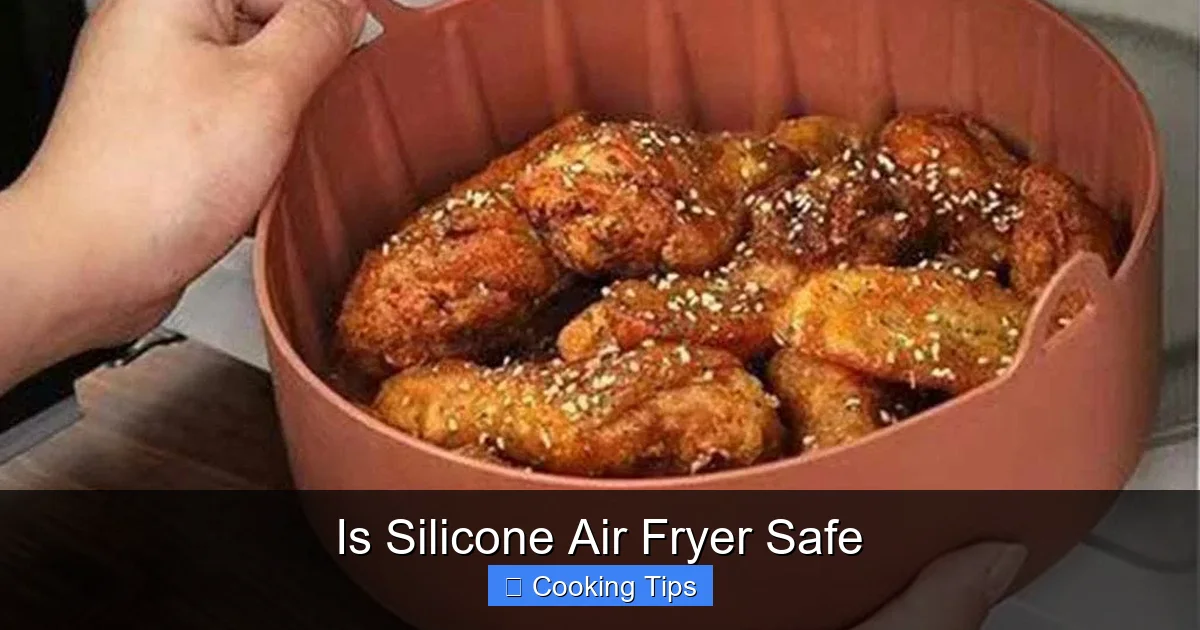
Visual guide about Is Silicone Air Fryer Safe
Image source: usamerica.shop
The short answer is: Yes, silicone air fryer accessories are generally safe when they are made from high-quality, food-grade silicone and used correctly. However, like anything, there are nuances to consider.
What Makes Silicone Safe? Food-Grade Silicone Explained
The key to silicone safety lies in the material itself. Food-grade silicone is specifically manufactured to be safe for contact with food. It’s:
* Non-toxic: It doesn’t contain harmful chemicals that can leach into your food.
* Inert: It doesn’t react with food or other substances.
* BPA-free: Bisphenol A (BPA) is a chemical sometimes found in plastics that can be harmful. Food-grade silicone is naturally free of BPA.
* Heat-stable: It can handle the temperatures typically found in an air fryer without breaking down.
Potential Concerns and How to Address Them
While food-grade silicone is safe, some concerns have been raised, mostly related to lower-quality products:
* Impurities and Fillers: Some cheaper silicone products might contain fillers or impurities. When heated, these could potentially leach into food. This is why choosing reputable brands is crucial.
* Odor: Occasionally, some silicone products can have a strong initial odor. This usually dissipates after a few washes and initial uses. If the odor is chemical-like and persistent, it might be a sign of lower quality.
* Degradation: While durable, silicone can degrade if subjected to temperatures significantly higher than recommended or if sharp objects scratch its surface. Damaged silicone should not be used.
How to Ensure Your Silicone Air Fryer Accessories Are Safe
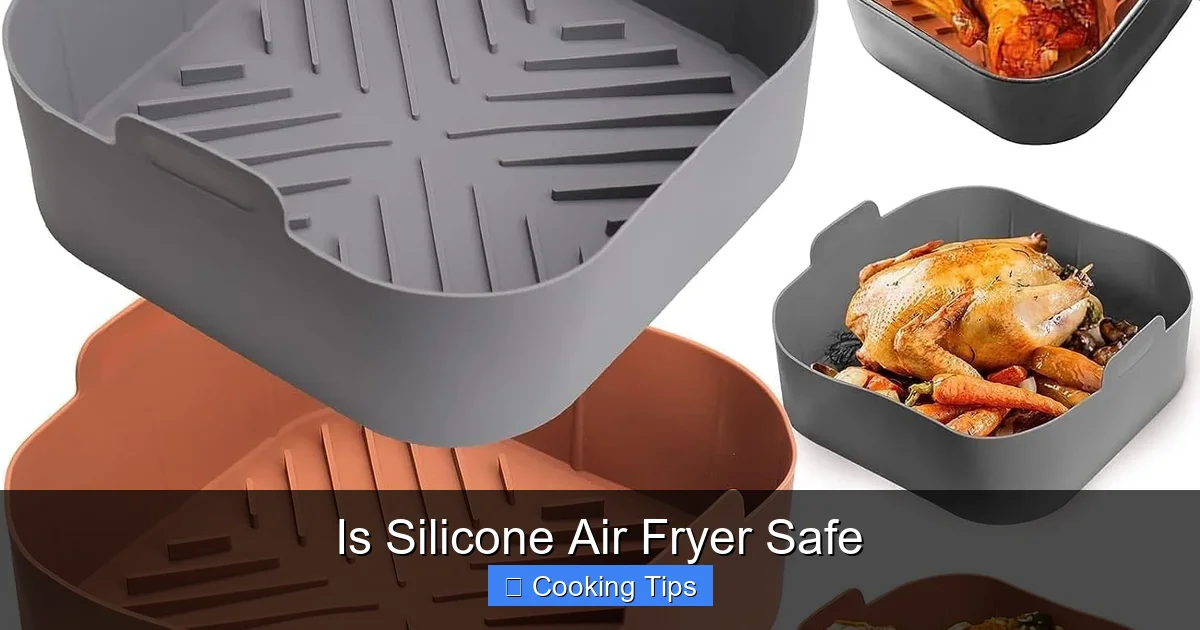
Visual guide about Is Silicone Air Fryer Safe
Image source: m.media-amazon.com
Choosing and using silicone accessories safely involves a few simple steps.
1. Choose High-Quality, Food-Grade Silicone
This is the most important step. When purchasing silicone air fryer liners, mats, or baskets, always look for:
* Reputable Brands: Stick to well-known brands that have a good reputation for quality kitchenware.
* “Food-Grade” Label: Ensure the product explicitly states it is made from “food-grade silicone.”
* Certifications: Look for certifications like FDA (Food and Drug Administration) approval, LFGB (Germany’s food safety standard), or “BPA-free” labels. These indicate that the product has met rigorous safety standards.
* Read Reviews: Before buying, read customer reviews. Pay attention to comments about odor, durability, and any safety concerns.
2. Inspect the Silicone Before Use
Before you put a new silicone accessory into your air fryer, give it a good look and smell.
* Check for Damage: Ensure there are no tears, cuts, or unusual textures.
* Smell Test: Give it a sniff. A faint, neutral silicone smell is normal, but a strong chemical odor is a red flag.
3. Follow Manufacturer’s Instructions
Every air fryer and its accessories come with specific instructions. Always follow them for:
* Temperature Limits: Most food-grade silicone can handle up to 450°F (230°C). Never exceed the recommended maximum temperature for your specific silicone product. While air fryers rarely go above 400°F (200°C), it’s good to be aware.
* Dishwasher Safety: Check if your silicone accessory is dishwasher safe for easy cleaning.
* Preheating: Some manufacturers recommend not preheating the air fryer with an empty silicone liner inside, as this can sometimes lead to overheating the silicone.
4. Proper Cleaning is Essential
Regular and thorough cleaning not only keeps your silicone accessories hygienic but also helps maintain their condition.
* Wash After Each Use: Wash silicone accessories with warm, soapy water after every use.
* Address Stubborn Stains: For stubborn stains or residue, you can use a baking soda paste or soak the item in a mixture of baking soda and water.
* Avoid Abrasive Cleaners: Do not use harsh scouring pads or abrasive cleaners, as these can scratch and damage the silicone surface.
* Rinse Thoroughly: Ensure all soap residue is rinsed off.
5. Be Mindful of Sharp Objects
Silicone is durable, but it’s not invincible.
* No Knives or Sharp Utensils: Never use knives, sharp spatulas, or other sharp utensils directly on the silicone surface. This can cause cuts and tears, compromising its integrity and safety.
* Handle with Care: When removing food, use silicone or wooden utensils.
When NOT to Use Silicone Air Fryer Accessories
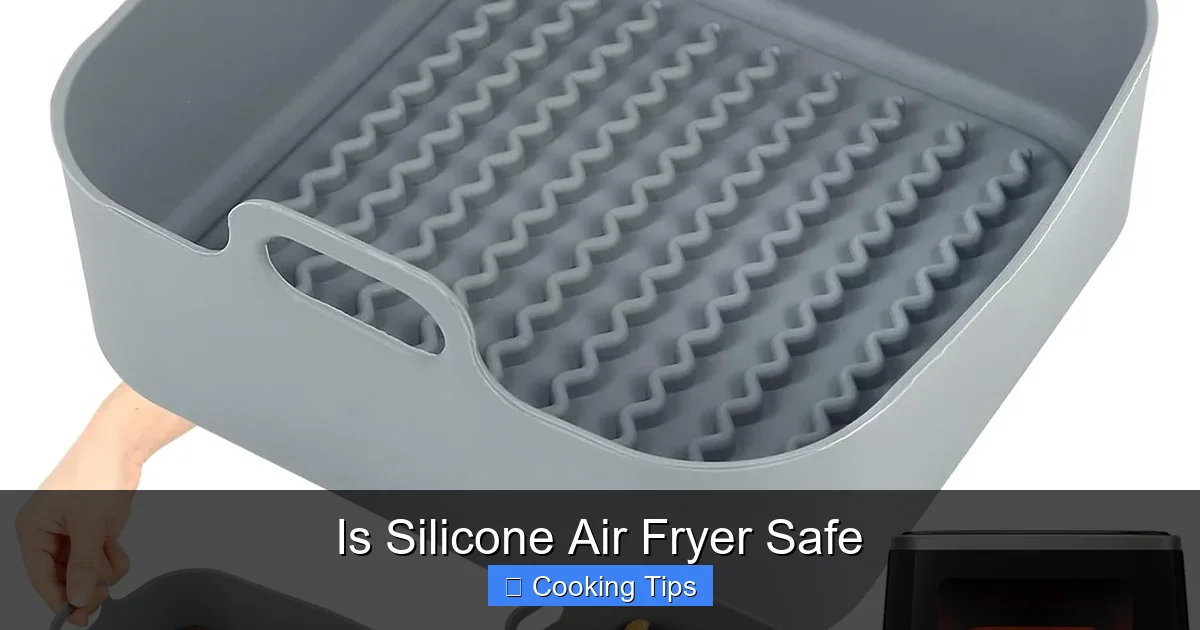
Visual guide about Is Silicone Air Fryer Safe
Image source: m.media-amazon.com
While generally safe, there are a few situations where you might want to skip the silicone:
* **Extremely High Temperatures:** If your recipe calls for temperatures significantly above the silicone’s rating (though uncommon in standard air frying).
* **Direct Flame or Heating Element Contact:** Silicone should never come into direct contact with a heating element or open flame. Ensure it’s always placed within the air fryer basket or rack.
* **Damaged Accessories:** If your silicone liner or mat is torn, significantly discolored, or shows signs of degradation, it’s time to replace it.
Alternatives to Silicone Liners
If you’re still hesitant about silicone, or if your accessory is damaged, other options exist:
* Parchment Paper Liners: These are disposable and convenient but can be wasteful. Ensure they are perforated for air circulation if you use them in an air fryer.
* Metal Baskets/Racks: Many air fryers come with metal baskets, and you can purchase additional stainless steel racks. These are durable and heat-resistant but can be harder to clean.
* Aluminum Foil: While useful for some tasks, foil can interfere with air circulation and may require more careful handling to avoid tearing.
Practical Tips for Using Silicone in Your Air Fryer
To get the most out of your silicone accessories safely and effectively:
* Placement is Key: Always ensure the silicone liner or mat is placed correctly within the air fryer basket. It should allow for proper air circulation. Some liners have perforations or raised edges to help with this.
* **Don’t Overfill: Avoid packing your air fryer too full, even with a liner. Overcrowding prevents hot air from circulating, leading to uneven cooking. For recipes like pot pie, using a silicone mold can be helpful.
* **Check Food Doneness: While silicone helps with cleanup, always check your food for doneness using a meat thermometer or by visual inspection.
* **Consider Food Type: For very oily foods like bacon, sometimes cooking directly in the basket (with parchment paper underneath for easy cleanup) allows more grease to drain away. However, a silicone liner can prevent excess grease from pooling. If you’re cooking bacon, consider exploring different methods like how to cook bacon in your Ninja air fryer or how to cook bacon in an Instant Pot air fryer to see how different techniques work.
* **Preheating: If your recipe calls for preheating, it’s often best to preheat the air fryer empty. Then, add your food and silicone accessory.
Conclusion: Air Frying with Silicone Confidence
So, is silicone air fryer safe? The overwhelming consensus from food safety experts and manufacturers is yes, provided you make smart choices and use them correctly. By opting for high-quality, food-grade silicone products from reputable brands, inspecting them regularly, and following basic care and usage guidelines, you can enjoy all the benefits of silicone accessories without compromising your health or the performance of your air fryer.
Embrace the ease of cleanup and the versatility that silicone brings to your air frying adventures. Whether you’re making crispy fries, delicious crab cakes, or even a simple egg, your silicone accessories can be a safe and valuable addition to your kitchen arsenal. Remember, a little awareness goes a long way in ensuring safe and enjoyable cooking.