
Worried about Teflon in your Philips air fryer? This guide clarifies the non-stick coatings used by Philips, focusing on PFOA-free and PTFE-free materials. Learn to identify safe surfaces and understand maintenance tips to ensure your Philips air fryer remains a healthy and efficient kitchen companion.
Is Philips Air Fryer Teflon Free? A Comprehensive Guide
Welcome to our guide on Philips air fryers and their non-stick coatings! If you’ve recently purchased a Philips air fryer, or you’re considering one, you might be wondering about the materials used in its cooking basket. Specifically, the term “Teflon” often comes up in discussions about non-stick pans, and many people are concerned about its safety. This guide will delve into whether Philips air fryers are Teflon-free, what coatings they actually use, and how to best care for them to ensure both safety and longevity.
Key Takeaways
- Philips primarily uses ceramic or other non-stick coatings that are free from PFOA and PFOS. They have moved away from traditional Teflon-like coatings.
- PTFE (Polytetrafluoroethylene) is the chemical name for Teflon. While some Philips air fryer baskets might contain PTFE, they are designed to be PFOA-free and safe for consumer use.
- Always check the product manual or Philips’ official website for the most accurate information regarding the specific coating of your model.
- Proper care and cleaning are crucial to maintain the integrity of the non-stick coating and prevent damage.
- Avoid using abrasive scrubbers or metal utensils that can scratch the coating, regardless of what material it is made from.
- Signs of a degrading non-stick surface include peeling, chipping, or food sticking excessively, indicating it might be time for a replacement or a different cooking method.
Understanding Non-Stick Coatings: The Teflon Factor
Before we dive into Philips specifically, let’s get a clear understanding of what “Teflon” means in the context of cookware. Teflon is actually a brand name for a synthetic fluoropolymer called Polytetrafluoroethylene, or PTFE. PTFE is known for its incredibly slippery surface, making it excellent for preventing food from sticking.
For many years, PTFE was the go-to material for non-stick cookware. However, concerns arose regarding Perfluorooctanoic Acid (PFOA) and Perfluorooctanesulfonic Acid (PFOS), chemicals that were often used in the manufacturing process of PTFE-based non-stick coatings. While PFOA and PFOS were largely phased out of production by major manufacturers in the early 2000s, the association with “non-stick” and potential health concerns lingered.
Most reputable appliance manufacturers, including Philips, have transitioned to using coatings that are PFOA-free and PFOS-free. However, the question of whether their coatings are entirely PTFE-free is a bit more nuanced.
Philips’ Approach to Non-Stick Surfaces
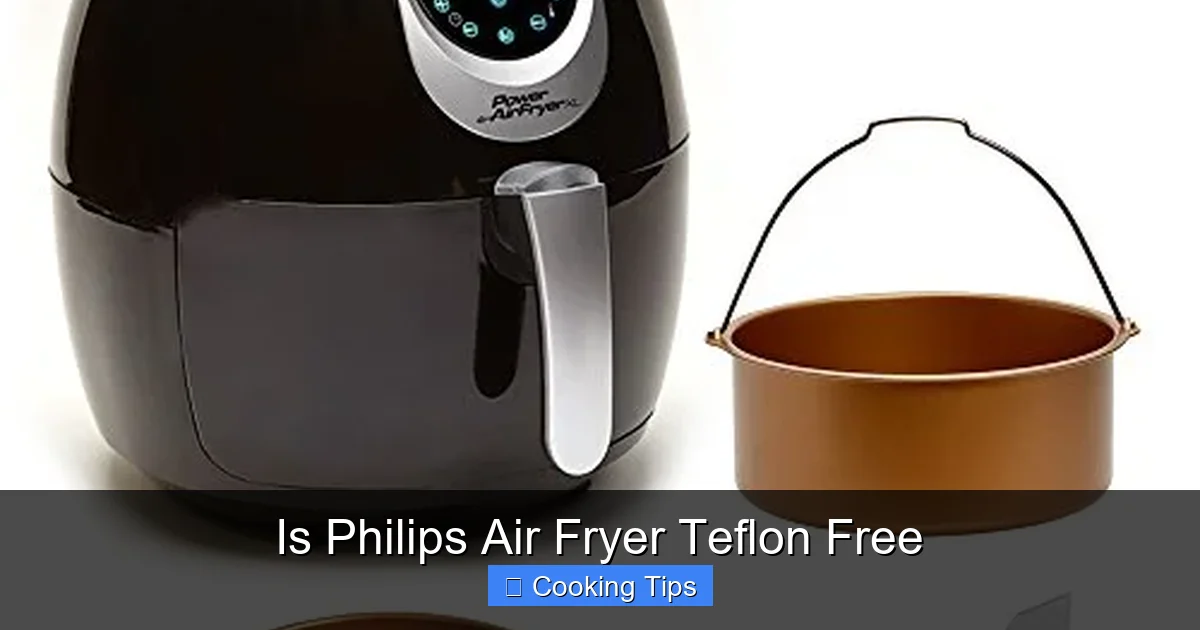
Visual guide about Is Philips Air Fryer Teflon Free
Image source: m.media-amazon.com
Philips, a well-established brand in the home appliance market, has been very proactive in addressing consumer concerns about cookware safety. When it comes to their air fryer baskets, Philips has emphasized its commitment to using high-quality, safe, and durable non-stick surfaces.
What Coatings Does Philips Use?
Philips has stated that their air fryer baskets are coated with materials that are free from PFOA, PFOS, and also Cadmium. This means that even if PTFE is present in the coating formulation, it is done in a way that eliminates the use of these concerning chemicals.
Many Philips air fryer models feature a ceramic-based non-stick coating or a specialized non-stick coating that is engineered for optimal performance and safety. These modern coatings aim to provide excellent non-stick properties without the historical concerns associated with older PTFE manufacturing processes.
The Distinction Between PFOA-Free and PTFE-Free
It’s important to understand the difference. A “PFOA-free” coating means that the manufacturing process did not involve PFOA. This is a significant step towards safety. A “PTFE-free” coating means that the chemical PTFE itself is not present in the coating.
Philips air fryers are consistently marketed as PFOA-free. For many consumers, this is the primary concern they wish to address. While Philips doesn’t always explicitly state that their coatings are *entirely* PTFE-free in the same way that a pure ceramic coating would be, their emphasis on being PFOA-free and their use of advanced, safe non-stick technologies address the core health anxieties.
How to Identify the Coating on Your Philips Air Fryer
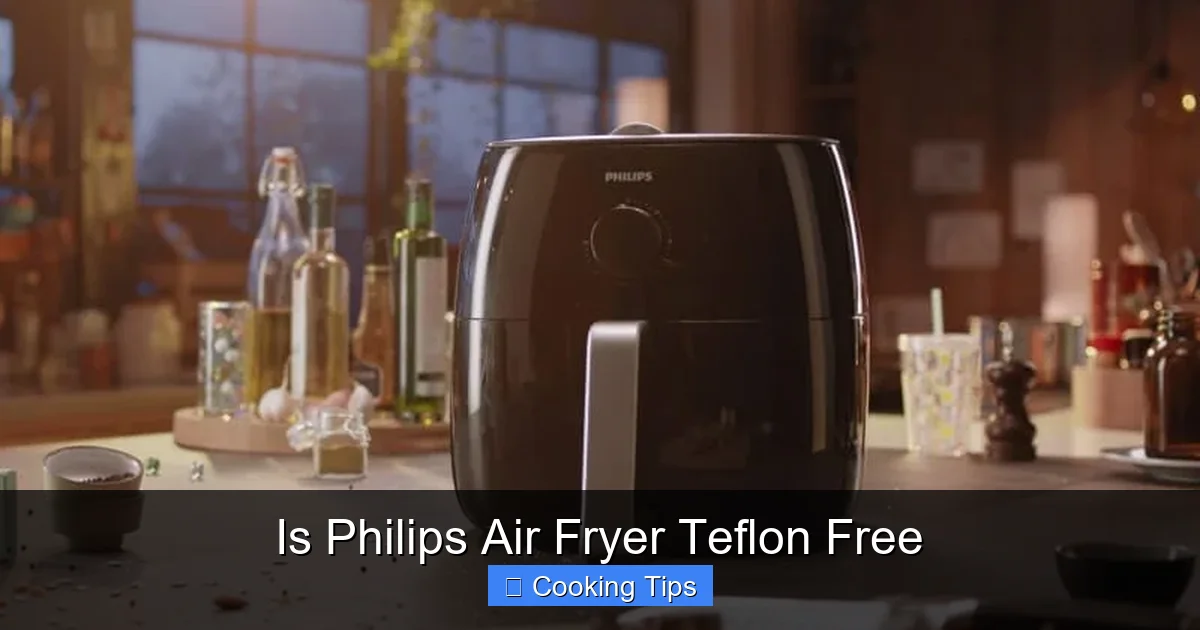
Visual guide about Is Philips Air Fryer Teflon Free
Image source: aircookers.com
The best way to be absolutely sure about the coating on your specific Philips air fryer model is to consult the product documentation.
Check Your Product Manual
Every Philips air fryer comes with a user manual. This manual is your most reliable source of information about the materials used. Look for sections on care, cleaning, or specifications. They will usually detail the type of non-stick coating and confirm its safety standards.
Visit the Philips Official Website
Philips’ official website is another excellent resource. You can usually find detailed product specifications for each model, including information about the materials used for the cooking surfaces. Search for your specific model number on their support or product pages.
Look for Certifications and Labels
Often, the packaging or the appliance itself will have labels indicating that the non-stick coating is PFOA-free. You might also see symbols or text referencing safety standards.
Why Does the Coating Matter?
Visual guide about Is Philips Air Fryer Teflon Free
Image source: files.sikayetvar.com
The non-stick coating in your air fryer basket plays a vital role in your cooking experience and the overall healthiness of your meals.
Preventing Food Sticking
A good non-stick coating ensures that your food cooks evenly and releases easily from the basket. This means less frustration with burnt-on residue and easier cleanup. Think about how much simpler it is to cook delicate items like fish or eggs when you don’t have to worry about them sticking. For instance, if you’re trying to learn how to cook a crab cake in the air fryer, a good non-stick surface is essential.
Health and Safety
The primary concern for many is the potential for harmful chemicals to leach into food. By using PFOA-free and responsibly manufactured non-stick coatings, manufacturers like Philips aim to eliminate this risk. A damaged or degraded coating is more likely to release particles, which is why maintaining its integrity is so important.
Durability and Longevity
A high-quality non-stick coating contributes to the lifespan of your air fryer. When the coating is well-maintained, the basket remains functional and effective for a longer period, providing better value for your investment.
Caring for Your Philips Air Fryer Basket
Regardless of the exact composition of the non-stick coating on your Philips air fryer, proper care will extend its life and ensure it remains safe to use.
H2: Proper Cleaning Techniques
The way you clean your air fryer basket can make a big difference in preserving its non-stick properties.
H3: Daily Cleaning
* Allow to Cool: Always let the basket and drawer cool down completely before cleaning. This prevents thermal shock, which can damage the coating.
* Gentle Washing: Use warm, soapy water and a soft sponge or cloth. Gently wipe away any food residue. For most everyday messes, this is sufficient.
* Avoid Abrasives: Never use steel wool, abrasive scouring pads, or harsh chemical cleaners. These can scratch and damage the non-stick surface, compromising its effectiveness and safety.
* Dishwasher Use (Check Manual): Some Philips air fryer baskets are dishwasher safe, while others are not. Always refer to your user manual. If it is dishwasher safe, place it on the top rack to minimize exposure to harsh detergents and high heat.
H3: Tackling Stubborn Residue
If you encounter food that’s really stuck on, don’t resort to scraping.
* Soaking: Fill the basket with warm, soapy water and let it soak for 15-30 minutes. This will usually loosen most residues.
* Soft Brush: After soaking, use a soft-bristled brush (like a dedicated kitchen brush or an old, soft toothbrush) to gently scrub away the loosened bits.
H2: Preventing Scratches and Damage
Minimizing physical damage to the non-stick surface is key to its longevity.
* Use the Right Utensils: When removing food or stirring ingredients, always use silicone, wood, or plastic utensils. Never use metal knives, forks, or spatulas, as these will scratch the coating.
* Avoid Cutting in the Basket: Never cut food directly inside the air fryer basket. Prepare your food on a cutting board beforehand.
* **Gentle Placement:** When placing food into the basket, do so gently rather than dropping it.
H2: Storage Advice
Proper storage can also help protect the non-stick surface.
* **Ensure it’s Dry:** Make sure the basket is completely dry before storing it to prevent any moisture-related issues.
* **Avoid Stacking Sharp Objects:** If you stack accessories in your air fryer, ensure there are no sharp edges that could come into contact with the non-stick coating.
Signs Your Philips Air Fryer Coating Might Be Compromised
Even with the best care, non-stick coatings can degrade over time. Here are signs to watch out for:
* **Food Sticking Excessively:** If food is consistently sticking to the basket, even after proper preheating and oiling (if applicable), the non-stick properties may be fading. This can happen even when trying to cook simple items like a steak on the air fryer.
* **Visible Scratches or Peeling:** Any noticeable scratches, chips, or peeling of the coating are clear indicators that the surface is damaged.
* **Discoloration:** While some discoloration might be cosmetic, significant or patchy discoloration could indicate wear and tear on the coating.
If you observe these signs, it’s a good indication that the non-stick coating is no longer performing optimally and might be compromised. While minor cosmetic wear is often fine, significant peeling or flaking means it’s time to consider replacing the basket or using parchment paper liners designed for air fryers.
Troubleshooting: What If You’re Still Concerned?
If you’ve reviewed your manual and the website and still have lingering questions about the specific materials used in your Philips air fryer, don’t hesitate to reach out to Philips customer support. They can provide definitive answers about your model and offer guidance on maintenance and care.
Conclusion
So, is your Philips air fryer Teflon-free? The answer, in essence, is that Philips prioritizes safety and has moved away from coatings that raise concerns about PFOA and PFOS. Their air fryer baskets are PFOA-free, and many utilize advanced ceramic or specialized non-stick coatings designed for health and performance. While some models might contain PTFE in their formulation, it’s done with the understanding of eliminating harmful manufacturing chemicals and ensuring the final product is safe for everyday use.
By understanding the materials, checking your product information, and following proper care and cleaning guidelines, you can confidently enjoy healthy and delicious meals cooked in your Philips air fryer for years to come. Remember, a well-maintained appliance is a safe and effective appliance. Whether you’re cooking something simple like how to cook a hot dog in the air fryer or more complex dishes like how to cook a roast in the air fryer, the quality of your cooking surface matters.