
Many home cooks wonder if their Ninja air fryer basket is coated in Teflon. This guide provides a clear answer and explores the materials Ninja uses. We’ll help you understand your air fryer’s components and ensure safe, healthy cooking practices for delicious results.
Is Ninja Air Fryer Coated in Teflon? A Comprehensive Guide
You’ve invested in a Ninja air fryer, eager to whip up crispy fries, juicy chicken, and perfectly roasted veggies with less oil. But as you prepare your first meal, a question pops into your head: “Is my Ninja air fryer coated in Teflon?” It’s a common concern, especially with the ongoing discussions about non-stick coatings in cookware.
This guide is here to clear the air. We’ll dive deep into the materials Ninja uses for their air fryer baskets, explain why the Teflon question arises, and provide practical advice for caring for your appliance. Whether you’re a seasoned air fryer pro or just getting started, understanding the components of your Ninja air fryer will help you cook with confidence and enjoy healthier meals.
Key Takeaways
- Ninja air fryers generally do not use Teflon. Ninja typically uses ceramic-coated or non-stick ceramic baskets, which are PFOA-free.
- Teflon (PTFE) concerns are valid. While modern Teflon is generally considered safe when used properly, older cookware and overheating can raise concerns.
- Ceramic coatings are a common alternative. These offer good non-stick properties and are often favored for their perceived health benefits.
- Always check your model’s specifications. While common, materials can vary slightly between different Ninja air fryer models.
- Proper care extends lifespan. Regardless of the coating, using gentle cleaning methods and avoiding abrasive tools will keep your air fryer in good condition.
- Focus on healthy cooking. Air fryers are designed for healthier meals, and understanding your appliance’s materials contributes to peace of mind.
Understanding the Teflon Concern
Before we address Ninja air fryers specifically, let’s talk about Teflon. Teflon is a brand name for a type of non-stick coating called Polytetrafluoroethylene (PTFE). For decades, PTFE has been a popular choice for cookware due to its incredible ability to prevent food from sticking. However, concerns have been raised over the years, primarily related to:
- Perfluorooctanoic Acid (PFOA): In the past, PFOA was used in the manufacturing process of PTFE coatings. PFOA has been linked to various health issues. Thankfully, PFOA has been largely phased out of production by major manufacturers.
- Overheating: When PTFE-based cookware is heated to very high temperatures (above 500°F or 260°C), it can begin to break down, releasing fumes that can be harmful, especially to birds, and can cause flu-like symptoms in humans (sometimes called “polymer fume fever”).
Because of these concerns, many consumers are actively seeking cookware and appliances that do not use PTFE. This has led to a surge in popularity for alternative non-stick surfaces like ceramic coatings.
Do Ninja Air Fryers Use Teflon?
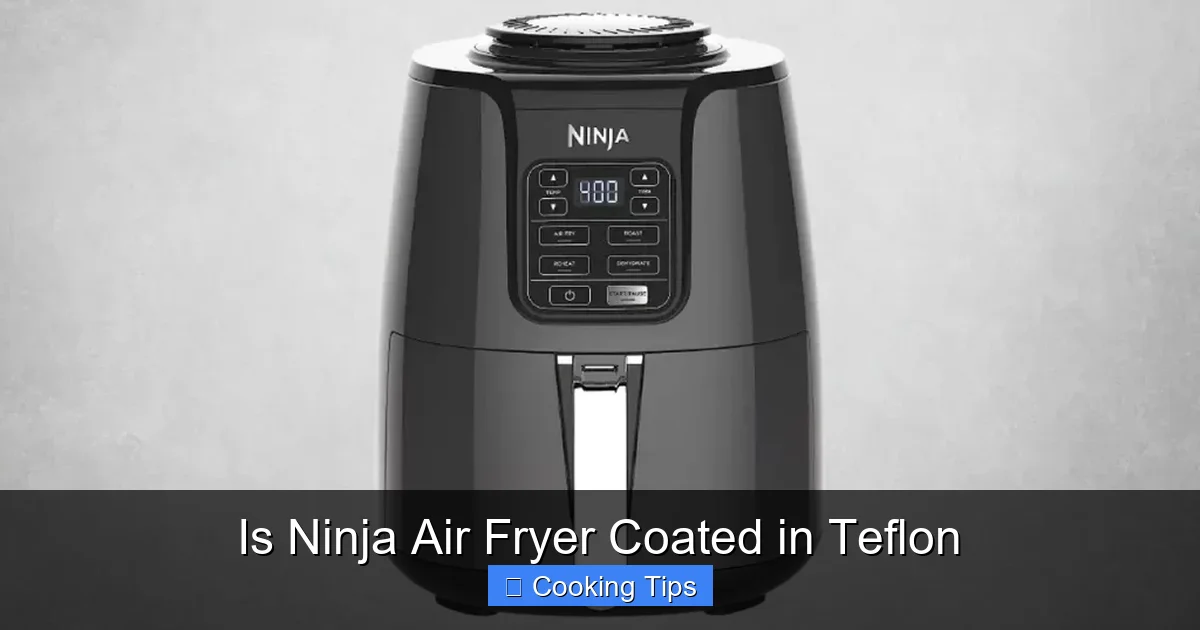
Now, let’s get to the heart of the matter. The short answer is: generally, no, Ninja air fryers are not coated in Teflon.
Visual guide about Is Ninja Air Fryer Coated in Teflon
Image source: airfryingfaqs.com
Ninja has made a conscious effort to use materials that align with consumer preferences for health and safety. Instead of traditional PTFE-based coatings, Ninja primarily utilizes:
- Ceramic Coatings: This is the most common non-stick material found in Ninja air fryer baskets and crisper plates. Ninja’s ceramic coatings are renowned for their durability and excellent non-stick properties. They are also PFOA-free and PFAS-free, offering peace of mind for health-conscious cooks.
- Non-Stick Ceramic: Some models might simply be described as having a “non-stick ceramic” finish. This is essentially the same technology, designed to provide a slick surface that releases food easily and is easy to clean.
You’ll often see terms like “Ceramic-Coated Basket” or “Non-Stick Crisper Plate” in the product descriptions and manuals for Ninja air fryers. This indicates their commitment to using alternatives to traditional Teflon.
Why the Confusion?
The confusion might stem from a few factors:
Visual guide about Is Ninja Air Fryer Coated in Teflon
Image source: kitchenwink.com
- General Awareness of Non-Stick Cookware: When people think of non-stick surfaces, Teflon is often the first thing that comes to mind due to its long history.
- Similar Appearance: Many non-stick coatings, whether Teflon or ceramic, can look quite similar – often black or grey and smooth.
- Older Appliance Models: While Ninja has moved away from Teflon, it’s possible that very old or discontinued models from other brands might have used it, leading to a general assumption.
However, for current Ninja air fryer models, you can be quite confident that you are not dealing with a Teflon coating.
How to Verify Your Ninja Air Fryer’s Coating
While we’ve established Ninja’s general practice, it’s always a good idea to be sure. Here’s how you can verify the coating on your specific Ninja air fryer model:
Visual guide about Is Ninja Air Fryer Coated in Teflon
Image source: foodandkitchenappliances.com
1. Consult Your User Manual
The most definitive source of information is the user manual that came with your Ninja air fryer. It will detail the materials used in the construction of the basket, crisper plate, and any other food-contact surfaces. Look for sections on materials, care, or specifications.
2. Check the Ninja Website and Product Page
If you no longer have your manual, head over to the official Ninja Kitchen website. Navigate to the product page for your specific air fryer model. The product description, specifications, or FAQ section should clearly state the type of non-stick coating used. Look for keywords like “ceramic,” “PFOA-free,” or “PTFE-free.”
3. Examine the Basket and Crisper Plate
Often, the coating itself will give clues. Ninja’s ceramic coatings are typically a matte or slightly glossy black or grey. If you were to scrape it (which you should absolutely NOT do intentionally!), you might notice a different texture than traditional slick Teflon. However, this is not a reliable method for identification and should be avoided to prevent damage.
Caring for Your Ninja Air Fryer’s Non-Stick Coating
Whether your Ninja air fryer has a ceramic or other non-stick coating, proper care is essential to maintain its performance and longevity. Here are some best practices:
1. Hand Wash Recommended
While some Ninja air fryer baskets might be listed as dishwasher safe, hand washing is almost always the gentler and more effective way to preserve the non-stick coating. The harsh detergents and high heat of a dishwasher can degrade the coating over time.
- Use Warm, Soapy Water: Fill your sink with warm water and a mild dish soap.
- Use a Soft Sponge or Cloth: Avoid abrasive scrub pads, steel wool, or harsh brushes, as these can scratch and damage the non-stick surface. A soft sponge or microfiber cloth is ideal.
- Gentle Scrubbing: Gently scrub away any food residue. For stubborn bits, you can let the basket soak in warm, soapy water for a while.
- Rinse Thoroughly: Make sure all soap residue is rinsed off.
- Dry Completely: Always dry the basket thoroughly with a soft towel before storing it or putting it back into the air fryer. Moisture can lead to water spots or, in some cases, promote rust on internal components (though this is rare with modern materials).
2. Avoid Metal Utensils
This is a golden rule for any non-stick cookware. Never use metal spatulas, tongs, whisks, or knives inside your Ninja air fryer basket or on the crisper plate. Metal can easily scratch and permanently damage the non-stick coating, rendering it less effective and potentially compromising its integrity.
Instead, opt for:
- Silicone utensils
- Wooden or bamboo utensils
- Plastic utensils designed for non-stick surfaces
3. Preheat Smartly
While it’s often recommended to preheat your air fryer for optimal results (like achieving that perfect crispiness when cooking fries), avoid preheating for excessively long periods without food. Most air fryers heat up quickly. A few minutes of preheating is usually sufficient. Prolonged dry heating can stress any non-stick coating.
4. Avoid Non-Stick Sprays (Sometimes)
This is a nuanced point. Many manufacturers, including Ninja, often advise against using aerosol non-stick cooking sprays. The propellants in these sprays can build up on the non-stick surface over time, creating a sticky residue that is difficult to remove and can actually reduce the effectiveness of the non-stick coating. It can also sometimes react with the coating itself.
Instead, consider:
- Lightly brushing the basket or food with a neutral oil like vegetable, canola, or avocado oil.
- Using an oil mister or spray bottle filled with your preferred oil. This gives you more control and avoids the chemical propellants.
Always check your manual for specific recommendations regarding cooking sprays.
5. Cool Down Before Cleaning
Never immerse a hot air fryer basket or crisper plate into cold water. The sudden temperature change can cause thermal shock, potentially warping the metal or damaging the non-stick coating. Allow the components to cool down to a safe temperature before washing.
Benefits of Ceramic Coatings in Ninja Air Fryers
Since Ninja heavily favors ceramic coatings, let’s highlight why this is a good thing for you:
- Healthier Cooking: As mentioned, Ninja’s ceramic coatings are typically PFOA-free and PFAS-free, eliminating concerns associated with older non-stick technologies.
- Excellent Non-Stick Properties: Ceramic provides a smooth surface that food easily slides off, making cooking and cleanup a breeze.
- Durability: Modern ceramic coatings are quite durable and can withstand regular use when cared for properly.
- Even Heating: Ceramic materials can contribute to even heat distribution, helping your food cook uniformly.
- Easy Cleanup: The non-stick nature means less scrubbing and less time spent cleaning, freeing you up to enjoy your meal.
Whether you’re making crispy bacon for breakfast in your Ninja air fryer or preparing a whole roast for dinner, the ceramic coating ensures your food releases easily.
Troubleshooting Common Non-Stick Issues
Even with the best coatings, you might encounter minor issues. Here’s how to address them:
1. Food Sticking Slightly
Possible Causes:
- Coating is wearing down from age or improper care.
- Residue buildup from cooking sprays or improper cleaning.
- Basket was not preheated sufficiently, or the food wasn’t placed correctly.
Solutions:
- Ensure you are using the correct utensils (no metal!).
- Try a more thorough, but gentle, cleaning process. You can try making a paste of baking soda and water, applying it to the surface, letting it sit for a bit, and then gently wiping it away.
- Ensure proper preheating and add a tiny bit of oil if needed for particularly sticky items like crab cakes.
- If the problem persists and the coating is visibly damaged, it might be time to consider replacing the basket if possible, or the unit.
2. Visible Scratches or Peeling
Cause: Use of abrasive cleaning tools or metal utensils.
Solution: This is usually irreversible damage. While the air fryer might still function, the compromised coating can lead to sticking and potentially flakes of coating getting into your food. It’s best to contact Ninja customer support for potential replacement options or consider a new unit if the damage is severe.
Conclusion
So, is your Ninja air fryer coated in Teflon? For the vast majority of Ninja air fryer models, the answer is a reassuring no. Ninja prioritizes PFOA-free and PFAS-free ceramic coatings, offering a healthier and often more durable non-stick surface.
By understanding the materials your air fryer is made from and following proper care instructions—like hand washing, using the right utensils, and avoiding aerosol cooking sprays—you can ensure your Ninja air fryer continues to deliver delicious, crispy results for years to come. Happy air frying!