
Many home cooks wonder if they can use aluminum foil in their air fryer. Yes, you generally can, but with important precautions. Using foil can make cleanup easier, but improper use can block airflow, affecting cooking results and potentially posing a safety risk. This guide will walk you through the do’s and don’ts of using aluminum foil in your air fryer for optimal results and safety.
The air fryer has become a staple in many kitchens, celebrated for its ability to deliver crispy, delicious food with less oil. As with any kitchen gadget, questions arise about the best ways to use it, especially concerning cleaning and preparation. One common question is: Is it okay to put aluminum foil in an air fryer?
The short answer is yes, but with some very important caveats. Understanding how your air fryer works and how to use aluminum foil correctly will ensure you get the best results without compromising your appliance or your food. This guide will break down everything you need to know about using aluminum foil in your air fryer.
Key Takeaways
- Understand Air Fryer Airflow: Air fryers work by circulating hot air rapidly. Blocking this airflow with foil can lead to uneven cooking and soggy food.
- Use Foil Strategically: Line the bottom of your air fryer basket with foil for easier cleanup, but ensure it doesn’t cover all the air vents.
- Don’t Overuse or Misuse: Avoid lining the entire basket or basket bottom with foil, especially if it’s not perforated.
- Consider Foil Alternatives: Parchment paper or reusable silicone liners can be excellent alternatives for clean cooking.
- Prioritize Food Safety: Never let foil touch the heating element, and avoid using acidic foods directly on foil, as it can cause a metallic taste.
- Check Your Manual: Always refer to your air fryer’s specific manual for manufacturer recommendations regarding foil use.
Why People Want to Use Foil in Air Fryers
Let’s start with why this question even comes up. The primary reason most people consider using aluminum foil in their air fryer is for easier cleanup. Air fryers work by circulating hot air, which can lead to food residue and grease sticking to the basket and the bottom of the appliance. A layer of foil can catch drips and crumbs, making post-meal tidying a breeze.
Beyond just cleanup, some cooks might think foil can help with cooking certain types of food, perhaps by creating a barrier or containing smaller items. While these are understandable motivations, it’s crucial to remember the fundamental principle of air frying.
How Air Fryers Work: The Importance of Airflow
Before we dive into the specifics of foil, it’s essential to grasp the core of air fryer technology. An air fryer is essentially a compact, high-powered convection oven. It works by circulating superheated air around your food at a very high speed. This rapid air circulation is what creates the signature crispiness that mimics deep frying but uses significantly less oil.
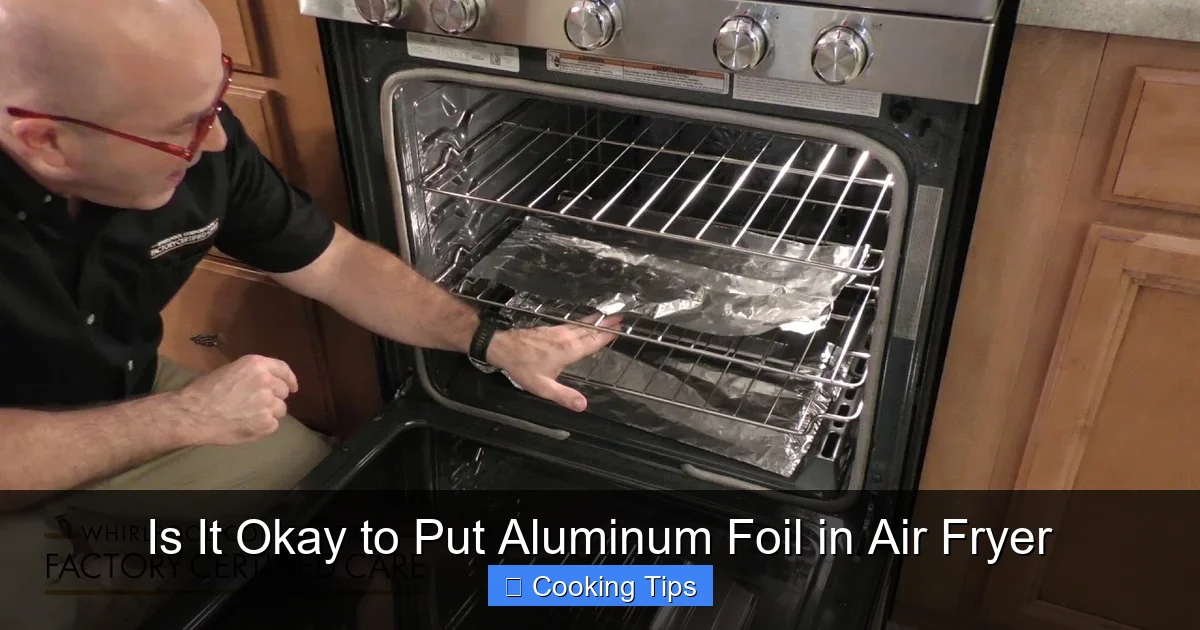
Visual guide about Is It Okay to Put Aluminum Foil in Air Fryer
Image source: i.ytimg.com
The design of the air fryer basket, with its perforations and the fan system, is all about ensuring that hot air can reach every surface of the food. This is why airflow is paramount. If you impede this airflow, you’re essentially fighting against the very mechanism that makes your air fryer so effective.
The Dangers of Improper Foil Use
When aluminum foil is used incorrectly in an air fryer, it can lead to several problems:
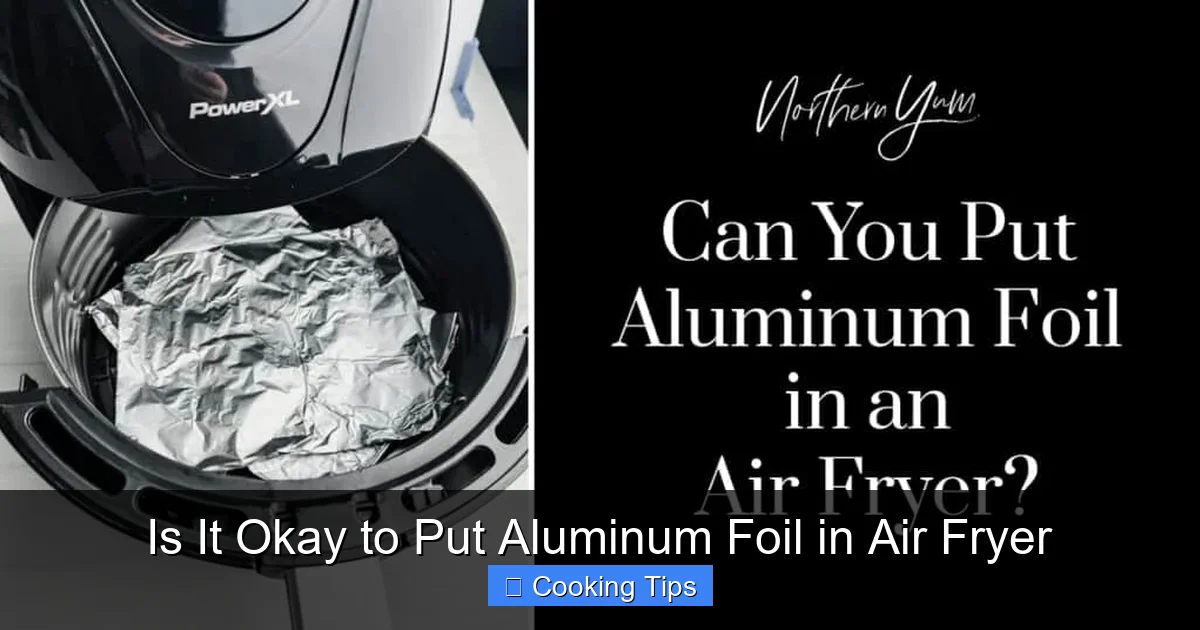
Visual guide about Is It Okay to Put Aluminum Foil in Air Fryer
Image source: northernyum.com
- Uneven Cooking: If the foil blocks the air vents in the basket, the hot air won’t be able to circulate properly. This can result in some parts of your food being cooked while others remain undercooked, leading to a disappointing texture and taste.
- Soggy Food: Instead of getting crispy, food might steam if the airflow is disrupted. The trapped moisture has nowhere to go, leading to a soggy, unappetizing outcome.
- Damage to the Appliance: In extreme cases, if foil is placed too close to the heating element, it could potentially cause damage or even be a fire hazard.
- Metallic Taste: Certain acidic foods, like tomatoes or citrus-based marinades, can react with aluminum foil. This reaction can transfer a metallic taste to your food.
When and How to Use Aluminum Foil Safely in Your Air Fryer
Given the importance of airflow, you might be wondering if there’s any safe way to use foil. The good news is, yes! It’s all about being smart and strategic.
Step 1: Check Your Air Fryer Manual
Before you even unroll your aluminum foil, the first and most crucial step is to consult your air fryer’s user manual. Manufacturers often provide specific guidelines on what accessories are safe to use. Some may explicitly advise against using foil, while others offer recommendations. Your manual is the definitive source of information for your particular model.
Step 2: Line the Basket for Easier Cleanup (With Precautions)
If your manual permits it, lining the bottom of your air fryer basket with a piece of aluminum foil can be a game-changer for cleaning. Here’s how to do it right:
H3: Measure and Trim the Foil
Don’t just stuff a random piece of foil into the basket. Measure the bottom of your air fryer basket and cut a piece of foil to fit that area precisely. You want it to cover the bottom surface but not extend up the sides of the basket.
H3: Ensure Airflow is Not Blocked
This is the most critical part. The bottom of your air fryer basket is designed with holes or vents to allow air to flow through. If you completely cover these with a flat piece of foil, you’ll obstruct the airflow. Therefore, you must ensure that the foil does not cover all the holes. You can achieve this by:
- Punching Holes: Carefully poke holes in the foil where the basket’s vents are. Use a toothpick or the tip of a knife. Ensure there are plenty of holes for air to pass through.
- Crumpling and Shaping: Some suggest crumpling the foil into a loose shape and then pressing it into the basket. This creates gaps for air to flow. However, this method can be less effective for capturing drips and might not sit as securely.
- Using Perforated Foil Liners: You can purchase specially designed perforated aluminum foil liners for air fryers. These are pre-made with the necessary holes to maintain airflow.
Important Note: Never line the sides of the basket with foil, as this will significantly impede the circulation of air.
Step 3: Cooking with Foil-Lined Basket
When cooking food in a foil-lined basket, remember that the foil is primarily for cleanup. The food should still be placed directly on the foil in a single layer, allowing air to circulate around it as much as possible.
For foods that require significant airflow to crisp up, like fries or chicken wings, you might consider skipping the foil altogether or using it only for the very bottom layer if absolutely necessary.
Step 4: Avoid Foil with Certain Foods
As mentioned earlier, acidic foods can react with aluminum foil. If you plan on cooking items with tomato-based sauces, lemon marinades, or other acidic ingredients, it’s best to avoid using aluminum foil. The foil can leach aluminum into your food, imparting an unpleasant metallic taste. Instead, consider alternatives like parchment paper (if suitable for your model) or cooking directly in the basket.
Similarly, if you’re cooking something that has a lot of moisture, like some types of vegetables or baked goods, the moisture can get trapped by the foil, leading to a steamed rather than crispy result. For instance, when learning how to cook an artichoke in an air fryer, the direct exposure to air is key for tenderizing and slight charring, which foil could hinder.
Step 5: Keep Foil Away from the Heating Element
This is a safety precaution that cannot be stressed enough. The heating element in an air fryer is typically located at the top. Ensure that no part of the aluminum foil is dangling or can be blown upwards by the fan to touch the heating element. This can be a fire hazard and can damage your appliance. Always make sure the foil is secure and only lines the basket.
Alternatives to Aluminum Foil
If you’re hesitant about using aluminum foil or find it cumbersome to ensure proper airflow, there are excellent alternatives:
- Parchment Paper: Many people find parchment paper to be a great substitute for foil. It’s non-stick and makes cleanup easy. Similar to foil, you must ensure it’s perforated or cut to allow airflow. Some air fryer manuals specifically recommend parchment paper liners.
- Reusable Silicone Liners: These are a fantastic eco-friendly option. They are durable, easy to clean, and designed to fit most air fryer baskets, often with built-in vents.
- Baking Paper: Similar to parchment paper, baking paper can be used, but again, ensure it doesn’t completely cover the basket’s vents.
- Cooking Directly in the Basket: For many recipes, especially those where crispiness is paramount (like how to make waffle fries in the air fryer), the best approach is to cook directly in the basket and clean it afterward. A good brush and some hot soapy water can make cleaning manageable.
Practical Tips for Using Foil
Here are some extra tips to make your experience with aluminum foil in the air fryer as smooth as possible:
- Use Heavy-Duty Foil: If you’re going to use foil, opt for heavy-duty aluminum foil. It’s less likely to tear and is more robust.
- Don’t Pre-heat with Foil: Some suggest pre-heating the air fryer with foil inside. It’s generally safer to add the foil once the basket is pulled out for adding food.
- Remove Foil Before Serving: If you’ve used foil to catch drips, carefully remove it before transferring your food to a plate. This prevents any accidental spills or contact with hot surfaces.
- Clean Foil Promptly: If you’ve used foil to catch greasy drippings, dispose of it safely and promptly.
When It’s Probably Best to Avoid Foil
While foil can be useful, there are certain scenarios where it’s definitely best to skip it:
- Delicate Baked Goods: If you’re baking something like a cake or a biscuit, the foil might interfere with the even browning and texture. For instance, when learning how to cook a cake in the air fryer, proper air circulation is key for a good rise and crust.
- Very Small Items: If you’re cooking small, loose items that could easily slip through basket holes, foil might seem appealing. However, a mesh liner or ensuring items are well-coated in oil and not overcrowding the basket is usually a better solution.
- High-Moisture Foods: As discussed, foods that release a lot of steam can become soggy if contained by foil.
- When in Doubt: If you’re unsure about your specific model or recipe, err on the side of caution and avoid using foil.
Troubleshooting Common Foil Issues
Problem: My food isn’t crisping up.
Solution: This is a classic sign that airflow is being blocked. Check your foil placement. Ensure it has enough holes or is shaped correctly to allow air to pass freely. You might also be overcrowding the basket, which further restricts air circulation.
Problem: My foil blew upwards and touched the heating element.
Solution: Immediately turn off and unplug your air fryer. Let it cool completely. Inspect the heating element and the foil. If there’s any damage, do not use the appliance and contact the manufacturer. Never use foil in a way that it can become loose and touch the heating element.
Problem: My food tastes metallic.
Solution: This is likely due to the reaction between acidic food and aluminum foil. Discontinue using foil with acidic foods. For future reference, you can try cooking acidic foods directly in the basket or using a non-reactive alternative like parchment paper.
Conclusion
So, is it okay to put aluminum foil in an air fryer? Yes, it can be, but it requires careful consideration and proper technique. The key is to prioritize airflow. When used correctly, lining the bottom of your air fryer basket with foil can significantly simplify cleanup. However, always remember to:
- Check your manual.
- Ensure airflow is not blocked.
- Keep foil away from the heating element.
- Avoid using it with acidic foods.
By following these guidelines, you can enjoy the convenience of using aluminum foil in your air fryer while still achieving perfectly cooked, crispy food. Remember, the goal is to enhance your cooking experience, not hinder it. Happy air frying!