
Is it okay to use aluminum foil in your air fryer? The answer is generally yes, but with important caveats! Using foil correctly can simplify cleanup and enhance cooking, but improper use can lead to airflow issues and uneven results. This guide will walk you through the dos and don’ts, ensuring safe and effective use of aluminum foil in your air fryer.
Is It Ok to Use Aluminum Foil in Air Fryer
The air fryer has become a kitchen staple, celebrated for its ability to deliver crispy, delicious food with less oil. As you get more comfortable with your air fryer, you might start wondering about ways to make cooking and cleanup even easier. One common question that pops up is: “Can I use aluminum foil in my air fryer?” The short answer is yes, but there are important guidelines to follow to ensure safe and effective use.
This comprehensive guide will demystify the use of aluminum foil in your air fryer. We’ll cover the benefits, the risks, step-by-step instructions on how to use it properly, and what to avoid. By the end of this article, you’ll be equipped to make informed decisions about using aluminum foil in your air fryer for cleaner cooking and delicious results.
Key Takeaways
- Aluminum foil can be used in an air fryer for easier cleanup and to prevent food from sticking, but it’s crucial to use it correctly.
- Always ensure the foil does not block the air vents inside the air fryer basket or drawer, as this is vital for proper air circulation and cooking.
- Avoid placing foil directly on the heating element, as this can be a fire hazard and damage your appliance.
- When cooking, leave space around the edges of the foil to allow air to flow freely.
- For delicate foods or to prevent sticking, perforating the foil can help improve airflow while still offering a barrier.
- Consider using parchment paper as an alternative, which can also aid in cleanup and is specifically designed for air fryer use.
- Always consult your air fryer’s manual for specific recommendations regarding the use of foil or other accessories.
Understanding How Air Fryers Work
Before we dive into aluminum foil, it’s helpful to understand the basic principle of how an air fryer works. An air fryer is essentially a powerful countertop convection oven. It circulates hot air at high speed around your food, mimicking the crisping effect of deep-frying but with significantly less oil. This rapid circulation of hot air is what gives food its signature crispiness.
The key to this process is airflow. The air needs to be able to move freely around the food to cook it evenly and achieve that desirable crunch. This is where the question of using aluminum foil becomes relevant. Anything that obstructs this airflow can compromise the cooking performance of your air fryer.
The Benefits of Using Aluminum Foil in an Air Fryer
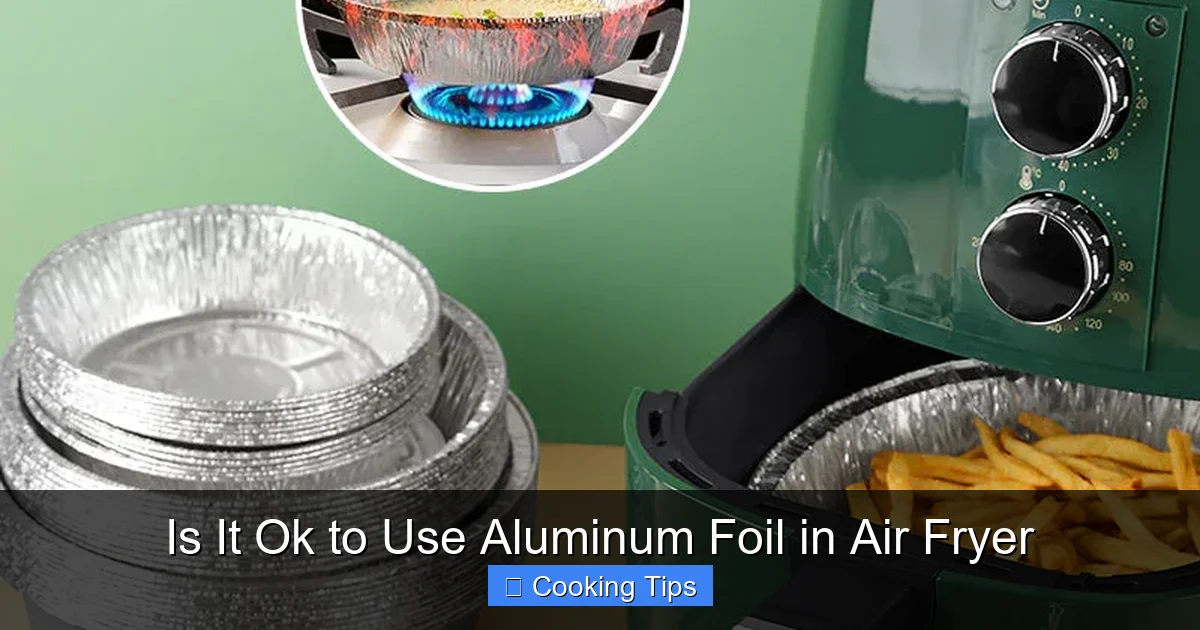
Visual guide about Is It Ok to Use Aluminum Foil in Air Fryer
Image source: lifesparking.com
Despite the importance of airflow, there are several good reasons why home cooks consider using aluminum foil in their air fryer:
- Easy Cleanup: This is often the primary motivation. Lining the air fryer basket or drawer with foil can catch drips, grease, and food particles, making the post-meal cleanup significantly faster and easier. No more scrubbing stubborn residue!
- Prevent Sticking: For delicate or sticky foods, a layer of foil can prevent them from adhering to the basket, ensuring your food comes out in one piece.
- Contain Messy Foods: If you’re cooking something particularly saucy or that tends to fall apart, foil can help contain the mess within the basket.
- Cook Multiple Batches: In some cases, you can use foil to cook certain items, like small snacks, which can then be easily transferred and replaced for the next batch.
Potential Risks and What to Avoid
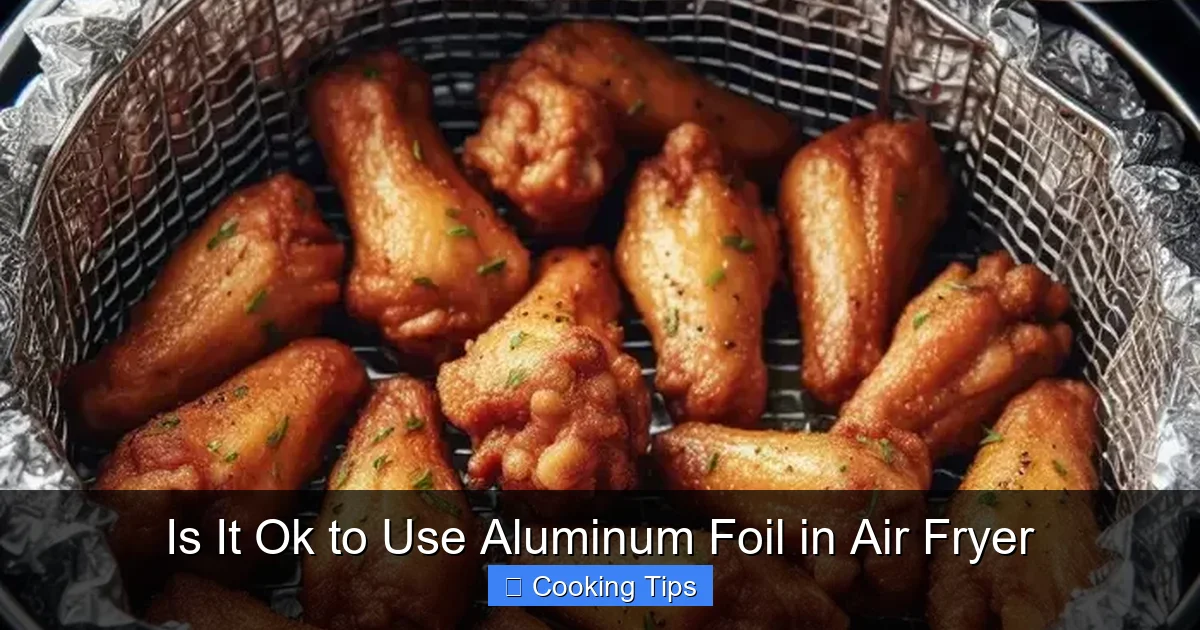
Visual guide about Is It Ok to Use Aluminum Foil in Air Fryer
Image source: beautifulkitchenguide.com
While beneficial, using aluminum foil improperly can lead to problems. It’s crucial to be aware of these potential pitfalls:
- Blocking Air Vents: This is the most critical concern. Many air fryer baskets have specific vent holes or a perforated design to allow hot air to circulate. If you cover these vents with foil, you impede airflow, leading to uneven cooking, soggy food, and longer cooking times.
- Fire Hazard: Never place aluminum foil directly on the heating element. The heating element is typically at the top of the air fryer. If foil touches it, it can melt, catch fire, or damage the appliance.
- Damage to the Non-Stick Coating: While less common, if foil is used aggressively or if the non-stick coating is already compromised, it could potentially cause further damage.
- Food Touching the Heating Element: If food is not secured well on the foil and it shifts, it could fall onto the heating element, posing a fire risk.
How to Use Aluminum Foil Safely and Effectively in Your Air Fryer
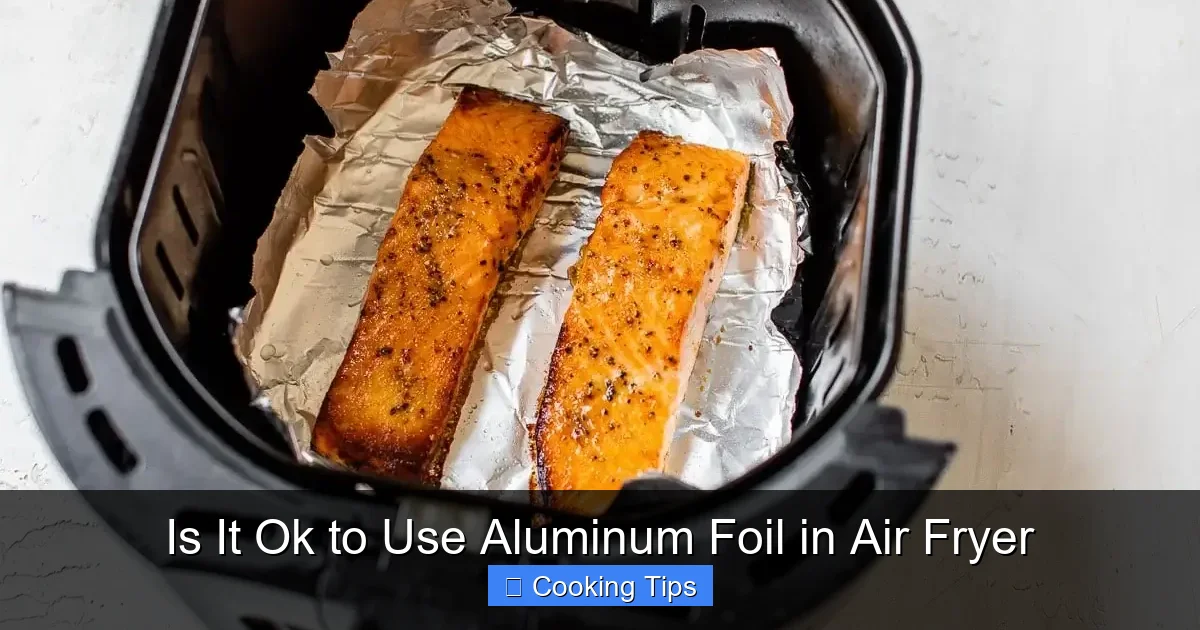
Visual guide about Is It Ok to Use Aluminum Foil in Air Fryer
Image source: alfoilcontainers.com
Now that we understand the pros and cons, let’s get to the practical steps for using aluminum foil correctly.
Step 1: Check Your Air Fryer’s Manual
Before you even unroll your foil, the most important first step is to consult your air fryer’s user manual. Different brands and models have varying designs and recommendations. Some manufacturers explicitly advise against using foil, while others offer specific guidance on how to use it safely. Your manual is your best resource for model-specific advice.
Step 2: Prepare the Aluminum Foil
When using aluminum foil, proper preparation is key to maximizing its benefits and minimizing risks.
H3: Choose the Right Type of Foil
Heavy-duty aluminum foil is generally recommended. It’s sturdier and less likely to tear or collapse during cooking. Standard foil can be used, but you’ll need to be more careful.
H3: Size and Shape It Appropriately
* Cut to Fit: Don’t use a large, unfolded sheet of foil that could flap around and potentially touch the heating element. Cut a piece of foil that fits snugly inside your air fryer basket or drawer, but importantly, does not cover the air vents.
* Crumple and Shape: For some foods, you can lightly crumple the foil and shape it to create a sort of “liner” or “tray” within the basket. This helps elevate the food slightly and allows air to circulate underneath.
Step 3: Position the Foil Correctly
This is where the critical airflow consideration comes into play.
H3: Never Cover the Air Vents
Look at your air fryer basket. You’ll notice holes or a perforated pattern. These are the pathways for hot air to circulate. You *must* ensure that the foil you place inside does not cover these vents. The air needs to be able to flow *through* and *around* your food.
* Example: If your basket has holes all over, you might only line the very bottom and leave the sides clear, or only place foil in the center, leaving a generous border around the edges.
* Think of it like a filter: The foil acts as a barrier, but it shouldn’t be a blockage.
H3: Keep Foil Away from the Heating Element
The heating element is usually located at the top of the air fryer. Ensure that the foil is secured within the basket and cannot flap up or come into contact with the heating element during operation. This is crucial for preventing fires and appliance damage.
Step 4: Add Your Food
Once the foil is correctly positioned, you can add your food.
H3: Arrange Food for Optimal Airflow
Even with foil, avoid overcrowding the basket. Food should be in a single layer as much as possible, with some space between pieces, allowing hot air to reach all surfaces.
H3: Perforate the Foil (Optional but Recommended)
For many applications, especially when using foil as a liner, poking a few holes in the foil before adding food can significantly improve airflow while still providing the benefits of a foil barrier. You can use a fork or a toothpick for this. This helps prevent steam from building up too much, which can lead to soggy results.
Step 5: Air Fry as Usual
Set your air fryer to the desired temperature and time. Keep an eye on your food, especially during the first few times you use foil.
H3: Shake or Flip Food as Needed
Just as you would without foil, remember to shake your basket or flip your food midway through cooking to ensure even browning and crispiness.
Step 6: Remove and Clean
Once cooking is complete, carefully remove the basket.
H3: Handle Hot Foil with Care
The foil will be hot! Use tongs or oven mitts to carefully lift the foil out of the basket, containing any grease or drippings. Discard the foil once it has cooled.
H3: Clean the Basket
After removing the foil, you may still need to wipe down your air fryer basket or drawer to remove any remaining residue. However, the bulk of the mess should be contained by the foil, making this a much simpler task.
When NOT to Use Aluminum Foil
There are certain situations where using aluminum foil is not recommended or even advisable:
- Foods that require direct contact with the heating element for crisping: Some items, like certain types of fries or vegetables, benefit from direct exposure to the hot air for maximum crispiness. Foil can create a barrier that prevents this.
- When the manufacturer explicitly forbids it: If your manual states “do not use foil,” heed that warning.
- If you cannot ensure proper airflow: If you’re unsure about how to place the foil without blocking vents, it’s better to skip it.
- For very long cooking times at high temperatures: While generally safe, prolonged exposure at extreme heat might increase the risk of the foil weakening or tearing.
Alternatives to Aluminum Foil
If you’re hesitant about using aluminum foil or find it doesn’t work well for a particular recipe, there are excellent alternatives:
- Parchment Paper: Air fryer parchment paper liners are widely available and specifically designed for this appliance. They are perforated to allow airflow and are excellent for preventing sticking and simplifying cleanup. They are a fantastic option for most air fryer tasks.
- Silicone Air Fryer Liners: These reusable liners are a more eco-friendly option. They are durable, easy to clean, and designed to allow air circulation.
- Baking Dishes/Molds: For certain recipes, like baking a cake or cooking something very saucy, you can place a small, oven-safe baking dish or silicone mold directly into the air fryer basket.
These alternatives often provide similar benefits to foil but with fewer concerns about airflow obstruction when used correctly. For example, if you’re cooking something like a pot pie, using a small pie dish that fits inside your air fryer basket might be a better approach than trying to line the basket itself with foil.
Practical Examples
Let’s look at how aluminum foil might be used in practice:
H3: Cooking Bacon
Lining the bottom of the air fryer basket with foil can catch the grease from cooking bacon, making cleanup a breeze. Ensure the foil doesn’t cover the side vents. Cooking bacon in an air fryer can be a game-changer for quick meals.
H3: Roasting Vegetables
When roasting vegetables like broccoli or Brussels sprouts, you can place them on a piece of foil in the basket. Poke a few holes in the foil to allow the hot air to circulate and crisp up the vegetables. Without foil, these might stick to the basket.
H3: Baking Small Items
For smaller items that might fall through the basket holes or stick, like some types of appetizers or small baked goods, a foil liner can be very helpful. Make sure there’s space around the edges for air to get in.
Troubleshooting Common Issues
* Food is not cooking evenly or is soggy: This is usually a sign that the foil is blocking too much airflow. Try using less foil, ensuring all vents are clear, or poking more holes in the foil.
* Foil is flying around in the air fryer: This indicates the foil is too large or not secured. Always cut it to size and ensure it lies flat within the basket, not extending beyond the food.
* Smell of burning or smoke: This is a serious warning sign. Immediately turn off and unplug your air fryer. Check if the foil has come into contact with the heating element. Never use the appliance again if there are signs of damage.
Conclusion
So, is it okay to use aluminum foil in an air fryer? Yes, it is, provided you do so with caution and follow best practices. The key is to prioritize airflow. Always ensure that the foil does not block the air vents and that it stays away from the heating element. When used correctly, aluminum foil can be a fantastic tool for simplifying cleanup and enhancing your air frying experience.
Remember to always check your appliance’s manual and consider alternatives like parchment paper liners for ultimate convenience and safety. With these tips, you can confidently use aluminum foil in your air fryer for delicious and hassle-free cooking. Happy air frying!