
Cooking vegetables in an air fryer can be a very healthy choice. It uses significantly less oil than traditional frying and can help retain more nutrients compared to boiling or steaming. Air frying offers a convenient way to enjoy crispy, delicious vegetables with minimal fat.
Key Takeaways
- Air frying uses less oil: This means fewer added calories and less unhealthy fat compared to deep-frying or pan-frying.
- Nutrient retention can be good: Due to shorter cooking times and less water usage, air-fried vegetables often retain more vitamins and minerals than boiled or steamed counterparts.
- Crispy texture without the guilt: You get a satisfying crunch similar to fried foods but without the excessive grease, making it a healthier alternative.
- Versatile cooking method: From roasting to a quick sauté, air frying can prepare a wide variety of vegetables, making healthy eating more appealing.
- Potential for acrylamide reduction: While research is ongoing, the lower temperatures and shorter cooking times compared to conventional frying might lead to lower levels of potentially harmful compounds.
- It’s still about the vegetables: The healthiness of air-fried vegetables ultimately depends on the types of vegetables used and any added seasonings or sauces.
Is Cooking Vegetables in an Air Fryer Healthy?
Welcome to our guide on whether cooking vegetables in an air fryer is a healthy choice! If you’ve recently invested in an air fryer or are considering one, you’re probably wondering about its benefits for your diet, especially when it comes to your greens, roots, and cruciferous friends. Many people associate “fried” with unhealthy, but air frying is a bit different. Let’s dive in and explore what makes air-fried vegetables a potentially fantastic addition to a healthy lifestyle.
You’ll learn about the science behind air frying, how it compares to other cooking methods, and the specific health advantages it offers for your vegetables. We’ll also walk you through the best practices for air frying your veggies to maximize their nutritional value and flavor.
Understanding How Air Fryers Work
Before we get into the health aspects, it’s helpful to understand what an air fryer is and how it cooks. An air fryer is essentially a compact countertop convection oven. It works by circulating hot air rapidly around the food. This high-speed hot air creates a “frying effect,” giving food a crispy exterior without submerging it in oil. Most air fryers use a heating element at the top and a fan to blow the hot air down and around the food in the basket.
The Role of Hot Air Circulation
The key to the air fryer’s magic is the intense circulation of hot air. This process helps to:
- Cook food quickly: The consistent flow of hot air means your food cooks faster than in a traditional oven.
- Create a crispy texture: The hot air draws moisture from the surface of the food, making it crisp on the outside.
- Require less oil: Because the air does most of the work, you only need a small amount of oil, if any, to achieve a good result.
Air Frying vs. Other Cooking Methods for Vegetables
To truly understand if air frying is healthy, let’s compare it to other common ways we cook vegetables:
Deep Frying
Deep frying involves submerging food in a large amount of hot oil. While it produces very crispy and often delicious results, it’s undeniably the least healthy method. Vegetables absorb a significant amount of oil, dramatically increasing their calorie and fat content. This can also lead to the formation of unhealthy compounds at high temperatures.
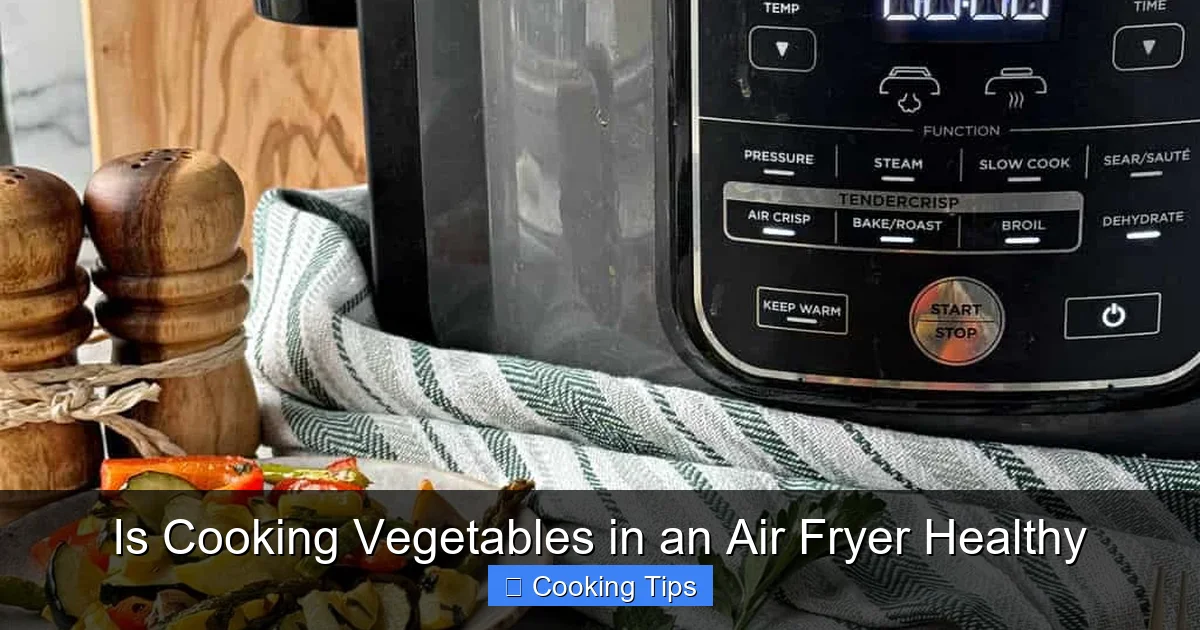
Visual guide about Is Cooking Vegetables in an Air Fryer Healthy
Image source: justthewoods.com
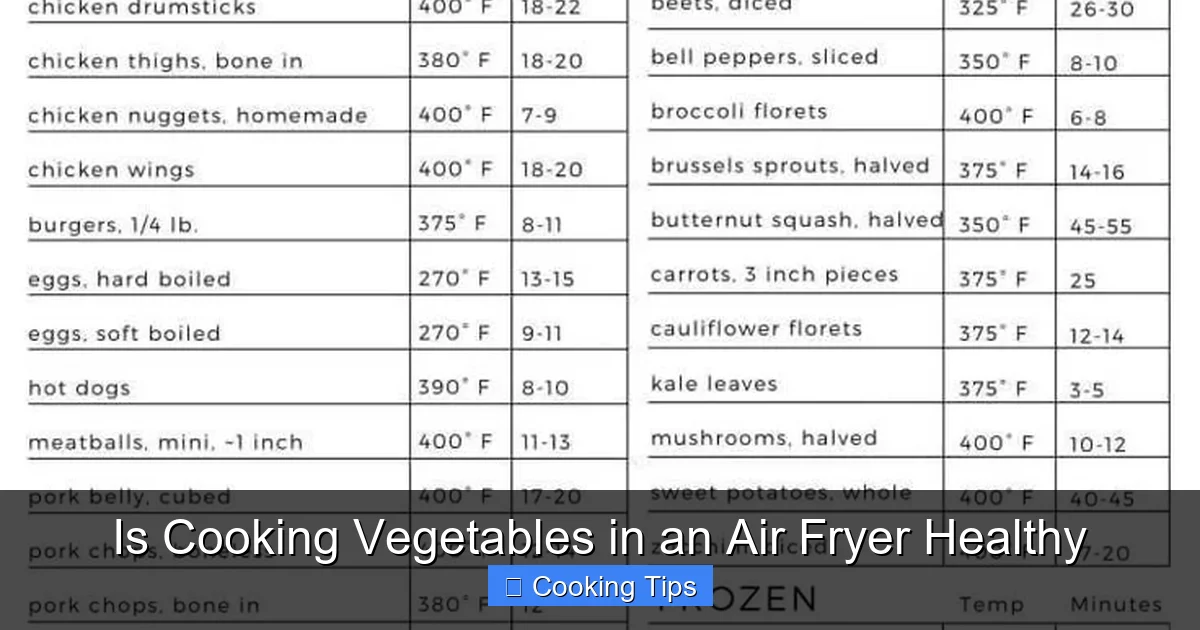
Visual guide about Is Cooking Vegetables in an Air Fryer Healthy
Image source: i.pinimg.com
Pan-Frying/Sautéing
Pan-frying or sautéing uses a moderate amount of oil in a pan over direct heat. It’s healthier than deep frying, but still requires more oil than air frying. The amount of oil absorbed depends on the technique and the amount of oil used. The vegetables can also be exposed to less even heating, potentially leading to some parts being overcooked while others are undercooked.
Boiling and Steaming
Boiling and steaming are generally considered healthy methods because they use little to no added fat. However, a major drawback is the potential loss of water-soluble vitamins (like Vitamin C and B vitamins) into the cooking water. If you discard the water, you also discard these valuable nutrients. Steaming is usually better than boiling for nutrient retention as the food isn’t directly immersed in water.
Roasting (in a conventional oven)
Roasting in a conventional oven also uses minimal to no oil and can result in delicious, caramelized vegetables. It’s a healthy method, but can sometimes take longer than air frying, and the texture might not be as uniformly crisp as what an air fryer can achieve.
The Health Benefits of Air-Fried Vegetables
Now, let’s get to the heart of the matter. Why is air frying a healthy option for your vegetables?
1. Reduced Oil and Calorie Intake
This is perhaps the most significant health benefit. Traditional deep-frying can load vegetables with calories and unhealthy fats. Air frying, on the other hand, requires only a tablespoon or two of oil (or even none at all for some vegetables) for a whole batch. This drastically cuts down on added fat and calories, making your vegetable dishes much healthier.
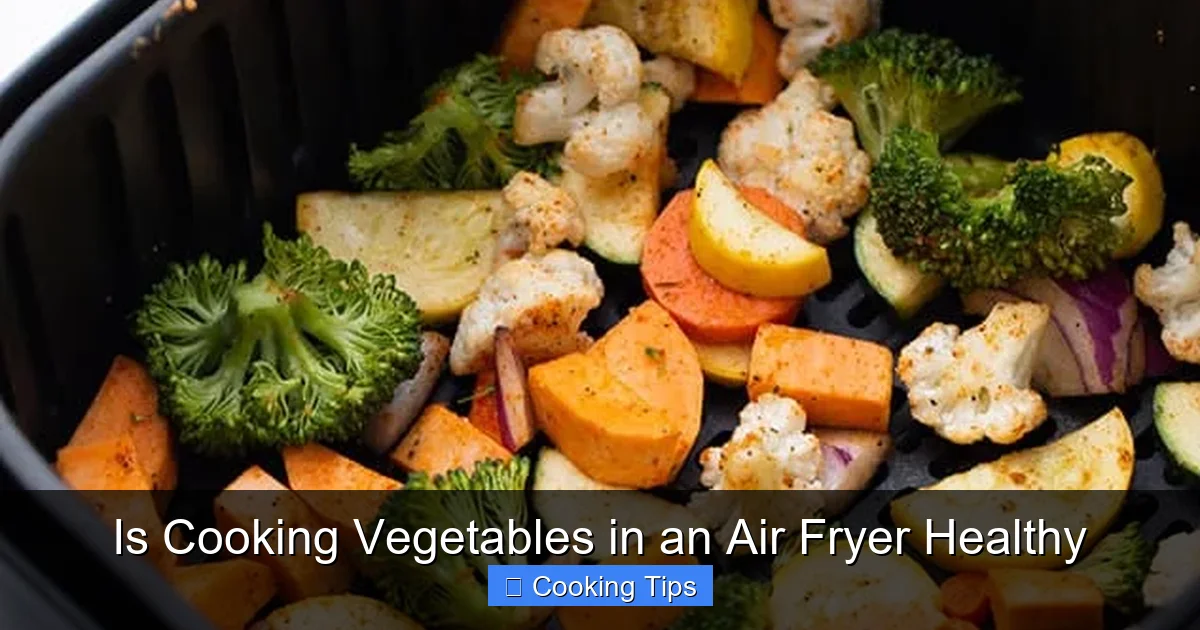
Visual guide about Is Cooking Vegetables in an Air Fryer Healthy
Image source: lifemadesweeter.com
For example, a cup of french fries made by deep-frying can contain upwards of 300-400 calories and 15-20 grams of fat. The same amount air-fried might contain around 100-150 calories and 3-5 grams of fat. This difference is substantial if you’re watching your weight or managing your fat intake.
2. Preservation of Nutrients
One of the concerns with cooking vegetables is nutrient loss. Air frying’s relatively short cooking times and the fact that the vegetables aren’t submerged in water can help preserve more nutrients. Studies suggest that air frying may be superior to boiling and comparable to or better than steaming and microwaving for retaining certain vitamins, especially those that are water-soluble or heat-sensitive.
For instance, Vitamin C is a heat-sensitive vitamin. Shorter cooking times in an air fryer mean less exposure to heat, thus potentially retaining more Vitamin C compared to prolonged boiling. Similarly, some minerals might leach into boiling water, a problem avoided with air frying.
3. Minimizing Formation of Harmful Compounds
When starchy foods like potatoes are cooked at very high temperatures, especially through deep-frying, a compound called acrylamide can form. Acrylamide is a potential carcinogen. While vegetables generally contain less starch than potatoes, the high temperatures used in deep-frying can still contribute to its formation in various foods. Air frying typically uses slightly lower temperatures than deep frying, and the shorter cooking time might also play a role in reducing acrylamide formation compared to traditional frying methods. More research is always ongoing in this area, but it’s a promising aspect.
4. Enhanced Flavor and Texture
Let’s be honest, healthy food needs to taste good to be sustainable! Air frying offers a way to make vegetables incredibly appealing. The hot air circulation creates a delightful crispiness and can enhance the natural sweetness of vegetables through caramelization, similar to roasting. This makes it easier to eat more vegetables, which is a cornerstone of a healthy diet.
Think about Brussels sprouts, broccoli, or cauliflower. When air-fried, they develop a wonderful char and crisp edge that is far more enticing than when simply boiled. This improved taste and texture can be a game-changer for picky eaters or those looking to incorporate more vegetables into their meals.
How to Air Fry Vegetables for Maximum Health Benefits
To get the most out of your air fryer for vegetable preparation, follow these simple steps:
Step-by-Step Guide to Air Frying Vegetables
Here’s a straightforward way to prepare delicious and healthy air-fried vegetables:
1. Choose Your Vegetables
Almost any vegetable can be air-fried! Some popular and easy choices include:
- Root vegetables: Carrots, sweet potatoes, potatoes (cut into fries or wedges), parsnips.
- Cruciferous vegetables: Broccoli, cauliflower, Brussels sprouts, kale (for chips).
- Other vegetables: Bell peppers, onions, zucchini, asparagus, green beans, mushrooms, cherry tomatoes.
For guidance on specific vegetables, you might find our guide on how to make vegetables in an air fryer very helpful.
2. Prepare the Vegetables
Wash and thoroughly dry your vegetables. Drying is crucial for achieving crispiness.
- Cut them into uniform sizes: This ensures even cooking. Aim for bite-sized pieces.
- Blanching (optional for some): For denser vegetables like potatoes or broccoli, a quick blanch in boiling water for a few minutes before air frying can help ensure they cook through evenly and become extra tender inside.
3. Seasoning for Health and Flavor
This is where you can really boost the healthiness and taste. Minimal oil is key.
- Lightly coat with oil: Use a spray bottle or toss the vegetables with 1-2 teaspoons of a healthy oil like olive oil, avocado oil, or coconut oil. This helps with browning and crisping.
- Add herbs and spices: Don’t be shy! Garlic powder, onion powder, paprika, cumin, dried herbs (rosemary, thyme, oregano), salt, and pepper are all great choices.
- Avoid sugary sauces: While delicious, many pre-made sauces are high in sugar and sodium. Opt for fresh herbs, spices, or a light drizzle of balsamic glaze after cooking.
4. Air Fryer Settings
Preheating your air fryer is often recommended for best results, just like a conventional oven.
- Preheat: Set your air fryer to the recommended temperature for your chosen vegetable (usually between 375°F and 400°F or 190°C and 200°C). Let it preheat for about 3-5 minutes.
- Arrange in a single layer: Do not overcrowd the air fryer basket. Food needs space for the hot air to circulate effectively. Cook in batches if necessary.
- Cooking time: This varies greatly depending on the vegetable and your air fryer model.
- Harder vegetables (like potatoes, carrots): Might take 15-20 minutes.
- Softer vegetables (like broccoli, bell peppers): Might take 8-12 minutes.
- Shake or flip: Halfway through the cooking time, shake the basket or flip the vegetables with tongs to ensure even browning and crisping.
5. Check for Doneness
Vegetables should be tender on the inside and crisp on the outside. You can test a piece with a fork. If they aren’t quite done, give them a few more minutes.
6. Serve Immediately
Air-fried vegetables are best enjoyed fresh, right out of the air fryer, for maximum crispiness and flavor.
Practical Tips for Healthy Air Frying
* Use a high-quality oil: Opt for oils with a high smoke point like avocado oil or olive oil for best results and health benefits.
* Control your seasonings: Be mindful of added salt and sugar. Embrace herbs, spices, lemon juice, and vinegar for flavor.
* Don’t overcook: Overcooking can lead to nutrient loss and a less appealing texture. Keep an eye on your vegetables, especially softer ones.
* Clean your air fryer regularly: A clean air fryer works more efficiently and prevents old food particles from affecting the taste and healthiness of your new dishes.
* Experiment with different vegetables: Try cooking an artichoke or eggplant to discover new favorites.
Troubleshooting Common Air Frying Issues
* Vegetables are soggy:
- You likely overcrowded the basket. Air needs to circulate! Cook in smaller batches.
- The vegetables weren’t dried thoroughly after washing.
- Not enough oil was used for crisping (though this should be minimal).
* Vegetables are burnt on the outside and raw on the inside:
- The temperature might be too high for the size of the vegetable pieces. Try lowering the temperature slightly and extending the cooking time.
- Pieces were cut too small or were too thin.
* Vegetables are sticking to the basket:
- Ensure you used at least a little bit of oil.
- Some non-stick baskets may require a light reapplication of oil or parchment liners (ensure they are air fryer safe and don’t block airflow).
Conclusion: Air Frying Vegetables is a Healthy Choice!
So, is cooking vegetables in an air fryer healthy? The resounding answer is **yes!** When done correctly, air frying offers a way to enjoy delicious, crispy vegetables with significantly less oil and fat compared to traditional frying methods. It’s a fantastic tool for preserving valuable nutrients and making healthy eating more enjoyable and sustainable.
By understanding how air fryers work, comparing them to other cooking methods, and following best practices for preparation and cooking, you can confidently incorporate air-fried vegetables into your healthy diet. So go ahead, preheat your air fryer, grab your favorite veggies, and enjoy a healthier, tastier way to eat your greens!