
Many modern ovens combine convection and air frying technology. This guide explains the difference, highlighting that a convection oven with an air fry setting essentially functions as an air fryer. We’ll explore how this dual functionality works, its advantages for cooking crispy, healthier meals, and provide practical tips for maximizing its use.
Is Convection Oven Air Fryer? Your Complete Guide to Dual-Function Cooking
Are you wondering if that powerful convection setting on your oven can actually perform the magic of an air fryer? You’re not alone! The lines between kitchen appliances are becoming increasingly blurred, and understanding what your oven can do is key to unlocking its full potential. This guide is here to demystify the relationship between convection ovens and air fryers. We’ll explain how they work, what makes them similar, and how you can use your convection oven to achieve those coveted crispy, golden results without a separate appliance.
By the end of this article, you’ll have a clear understanding of whether your convection oven *is* an air fryer, how to utilize this feature effectively, and the benefits it brings to your kitchen. Get ready to cook smarter, healthier, and with incredible results!
Key Takeaways
- Convection ovens use fans to circulate hot air, mimicking the results of dedicated air fryers. Many convection ovens with a specific “air fry” setting offer this capability.
- The primary difference lies in the intensity and direction of airflow. Dedicated air fryers are designed for super-fast, concentrated airflow, while convection ovens offer more general circulation.
- Using your convection oven as an air fryer can result in crispy, browned food with less oil. This makes it a healthier cooking alternative.
- Key benefits include speed, crispiness, and versatility. You can achieve similar textures to deep-frying with significantly less fat.
- Proper preheating, food arrangement, and avoiding overcrowding are crucial for successful air frying in a convection oven.
- Not all convection ovens have an air fry function. Always check your appliance’s manual or control panel for an “air fry” or similar setting.
Understanding Convection Ovens and Air Fryers
Before diving into whether your convection oven can air fry, let’s break down what each technology does individually.
What is a Convection Oven?
A traditional oven heats food primarily through radiant heat, meaning the elements directly heat the air and surfaces around your food. A convection oven takes this a step further by adding a fan. This fan circulates the hot air within the oven cavity. This consistent, even flow of hot air has a few key benefits:
- Faster Cooking: The moving air transfers heat more efficiently to the food’s surface, speeding up the cooking process by up to 25% compared to a conventional oven.
- Even Browning: Because the hot air is constantly moving, it reaches all sides of the food evenly, leading to more uniform browning and crisping.
- Moisture Control: The circulating air helps to evaporate surface moisture, which can contribute to crispier exteriors.
What is an Air Fryer?
An air fryer is essentially a small, countertop convection oven designed for high-speed, concentrated air circulation. Most air fryers feature a heating element at the top and a powerful fan that blows extremely hot air downwards and around the food. This intense airflow creates a “convection effect” that is far more powerful and direct than what you typically find in a standard convection oven.
The primary goal of an air fryer is to mimic the crispy texture of deep-fried food using significantly less oil. The rapid, hot air cooks food quickly, creating a delicious crunchy exterior and a tender interior.
The Convection Oven as an Air Fryer: The Connection
Now, let’s get to the heart of the matter. Can your convection oven function as an air fryer?
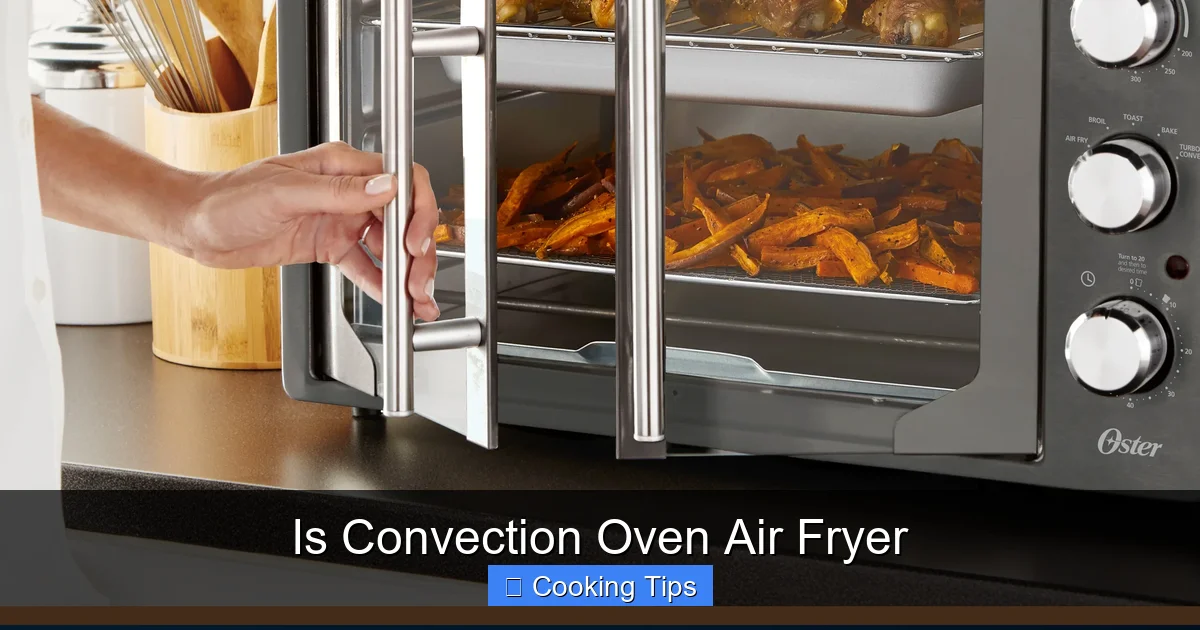
Visual guide about Is Convection Oven Air Fryer
Image source: i5.walmartimages.com
The “Air Fry” Setting Explained
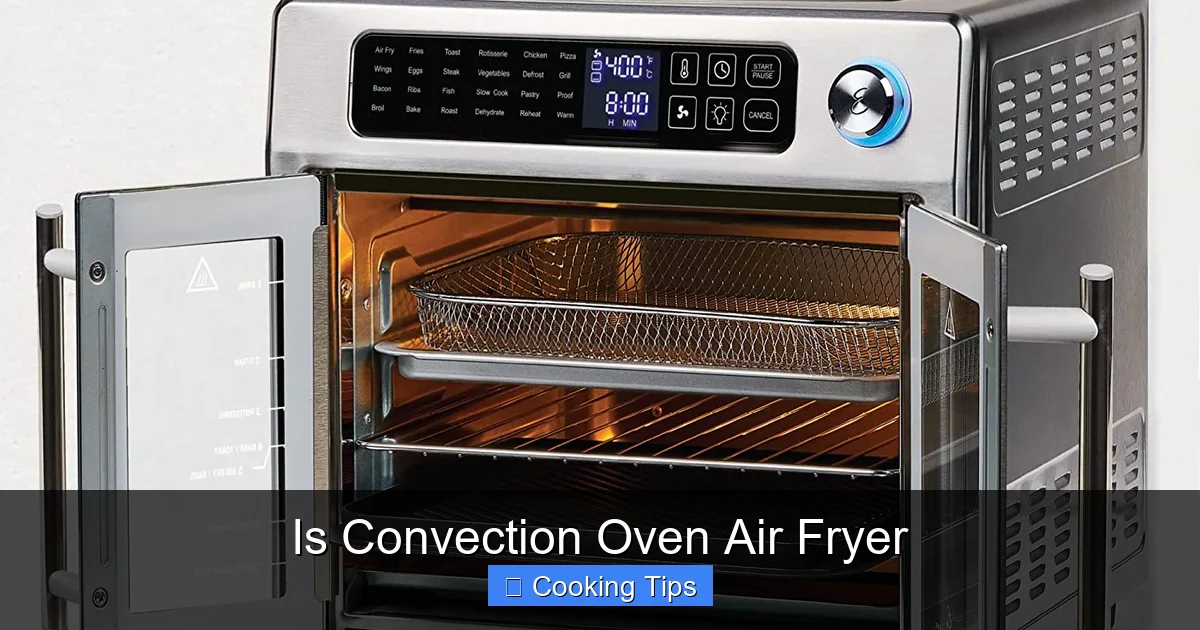
Many modern ovens are now equipped with an “air fry” setting. When an oven has this setting, it means the manufacturer has engineered the convection system to optimize for air frying. This usually involves:
- A More Powerful Fan: The fan in an oven with an air fry setting is often more robust, designed to move air at a higher velocity.
- Optimized Airflow Patterns: The oven’s internal design and fan placement might be tweaked to direct the hot air more intensely onto the food.
- Specific Temperature and Time Presets: These settings are calibrated to deliver air fryer-like results.
So, in essence, a convection oven with an “air fry” setting *is* an air fryer, just integrated into a larger appliance. It uses the same principle of circulating hot air to achieve crispiness.
Differences Between a Dedicated Air Fryer and a Convection Oven with Air Fry Setting
While the technology is similar, there are some key differences to consider:
- Size and Capacity: Dedicated air fryers are typically smaller and best for smaller batches. A convection oven, even with an air fry setting, offers a much larger cooking capacity, allowing you to cook more food at once. This is great for families or entertaining.
- Airflow Intensity: Dedicated air fryers are engineered for extremely rapid and focused airflow. While a convection oven’s air fry setting mimics this, the intensity might not be *exactly* the same. This can sometimes mean slightly longer cooking times or a less intense crisp for very delicate items compared to a top-tier standalone air fryer.
- Preheating: Dedicated air fryers often preheat very quickly due to their smaller size. Convection ovens, being larger, might take a bit longer to reach temperature.
- Basket vs. Tray: Most dedicated air fryers use a perforated basket that allows air to circulate all around the food. Convection ovens with an air fry setting often use a perforated tray or your regular oven racks, which can still provide excellent results but might require more attention to food placement.
Benefits of Using Your Convection Oven as an Air Fryer
If your oven has this dual functionality, you’re in for a treat! Here are some of the fantastic benefits:
Visual guide about Is Convection Oven Air Fryer
Image source: kitchenteller.com
Healthier Cooking
The most significant advantage is reducing the amount of oil needed. Instead of submerging food in oil for deep frying, air frying uses hot air to create a crispy crust. This can drastically cut down on calories and fat content, making your favorite fried foods much healthier. Think crispy French fries, chicken wings, and even breaded fish!
Speed and Efficiency
The powerful, circulating hot air cooks food much faster than a traditional oven. This means less time waiting and more time enjoying your meal. The quick cooking time also helps to seal in moisture, keeping the inside of your food tender and juicy.
Versatility in the Kitchen
Your oven’s air fry function isn’t just for “fried” foods. It’s excellent for roasting vegetables, making them wonderfully crisp and caramelized. You can also use it to reheat leftovers, bringing back the crispiness that microwaves often destroy. It’s also perfect for baking smaller items like biscuits or reheating pizza to perfection. For inspiration, explore air fryer toaster oven recipes, as many techniques translate directly!
Space Saving
If you’ve been eyeing a dedicated air fryer but are short on counter space, this feature is a game-changer. You get the functionality of an air fryer without needing another appliance. This is especially beneficial for smaller kitchens.
How to Use Your Convection Oven for Air Frying
Ready to put your convection oven’s air fry setting to the test? Follow these simple steps for optimal results.

Visual guide about Is Convection Oven Air Fryer
Image source: m.media-amazon.com
Step 1: Check Your Oven’s Capabilities
First and foremost, confirm that your oven actually has an air fry function. Look for an “Air Fry” button or setting on your control panel. If you’re unsure, consult your oven’s user manual.
Step 2: Preheat Your Oven
Just like with dedicated air fryers, preheating is crucial for achieving crispy results. Select the “Air Fry” setting and set your desired temperature. Most recipes suggest preheating for at least 5-10 minutes. This ensures the air is intensely hot and circulating when your food goes in, kickstarting the crisping process immediately.
Step 3: Prepare Your Food
When air frying in a convection oven, the way you prepare and arrange your food is key.
- Pat Food Dry: For maximum crispiness, ensure your food is as dry as possible. Pat meats, vegetables, or anything breaded thoroughly with paper towels. Moisture is the enemy of crispiness!
- Lightly Oil: While you use less oil than deep frying, a light coating of oil (using a spray or tossing ingredients in a bowl) helps achieve that golden-brown, crispy texture. Use oils with a high smoke point like avocado oil, grapeseed oil, or canola oil.
- Season Generously: Air frying intensifies flavors. Don’t be shy with your herbs and spices!
Step 4: Arrange Food on the Air Fry Tray or Rack
This is where proper technique makes a big difference.
- Use the Provided Air Fry Tray (if applicable): Many ovens come with a specialized perforated tray for air frying. This is ideal as it allows air to circulate freely underneath the food.
- Single Layer is Best: For the crispiest results, arrange food in a single layer with space between each piece. Overcrowding prevents hot air from reaching all surfaces, leading to uneven cooking and less crispiness. You might need to cook in batches.
- Placement in the Oven: Typically, you’ll place the air fry tray or rack in the middle or lower-middle position of the oven to ensure good airflow from the fan. Consult your oven’s manual for specific recommendations.
Step 5: Set Temperature and Time
Refer to your recipe for specific temperature and time guidelines. Generally, air frying temperatures in a convection oven are similar to dedicated air fryers, often ranging from 375°F to 400°F (190°C to 200°C). Keep an eye on your food, as cooking times can vary depending on the size and thickness of the ingredients, and your specific oven’s performance.
Step 6: Shake or Flip Midway
About halfway through the cooking time, it’s important to shake your food or flip it over. This ensures that all sides get equal exposure to the hot, circulating air, leading to uniform crispiness. If you’re cooking items like bone-in chicken breast or fries, flipping is essential.
Step 7: Check for Doneness and Enjoy!
Once the cooking time is nearing its end, check your food for doneness and desired crispiness. Use a meat thermometer to ensure internal temperatures are safe. If not quite crispy enough, you can often increase the temperature slightly or cook for a few more minutes. Serve immediately and enjoy your perfectly air-fried creation!
Practical Tips and Tricks
To make the most of your oven’s air frying capabilities, keep these tips in mind:
- Don’t Overcrowd: We’ve mentioned this, but it bears repeating. It’s the single biggest mistake people make. Cook in batches if necessary.
- Experiment with Foods: Beyond the usual suspects, try air frying items like vegetables (broccoli, Brussels sprouts, bell peppers), shrimp, fish fillets, or even fruit for a crispy treat. You can even make delightful pot pies or perfectly cooked crab cakes.
- Clean Your Tray Regularly: Food bits can accumulate and burn, affecting taste and creating smoke. Clean the air fry tray or rack after each use.
- Use Parchment Paper (with caution): Perforated parchment liners designed for air fryers can help with cleanup, but ensure they don’t block airflow completely and that they are weighted down by food so they don’t blow into the heating element.
- Adjust Recipes: If you’re adapting a recipe designed for a dedicated air fryer, you might need to slightly adjust cooking times or temperatures based on your oven’s performance.
- Consider Foil Pans for Larger Batches: If you’re cooking a larger item like a roast, you might use a foil pan, but ensure it doesn’t hinder airflow too much.
Troubleshooting Common Issues
Even with the best intentions, you might run into a few snags. Here’s how to fix them:
Food is Not Crispy Enough
- Reason: Overcrowding, not enough oil, oven not preheated properly, or food was too wet.
- Solution: Cook in smaller batches, ensure a light coating of oil, preheat thoroughly, and pat food dry before cooking.
Food is Burning on One Side
- Reason: Uneven airflow or food placement too close to the heating element.
- Solution: Ensure food is in a single layer, rotate the tray halfway through cooking, and make sure the tray is in the recommended oven position.
Smoke Coming from the Oven
- Reason: Food bits burning on the tray or elements, or oil dripping and smoking.
- Solution: Clean your air fry tray and oven interior regularly. Ensure food isn’t over-oiled and that oil isn’t dripping excessively. If smoke persists, check that the food isn’t too close to the top element.
Conclusion
So, to answer the question: Is a convection oven an air fryer? Yes, if it has the dedicated “air fry” setting, it is essentially performing the function of an air fryer by using intense, circulating hot air. You can achieve many of the same delicious, crispy results without needing a separate appliance. By understanding the principles, following the right techniques, and paying attention to details like preheating and food arrangement, you can transform your convection oven into a versatile air frying powerhouse. Embrace this dual functionality, and get ready to enjoy healthier, quicker, and incredibly satisfying meals!