
Many people wonder if antimony is found in air fryers. This guide explores the materials used in air fryer construction and addresses common safety concerns. You’ll learn about the potential presence of antimony in cookware and what to look for to ensure your air fryer is safe for everyday use. Understanding air fryer components is key to safe and healthy cooking.
Are you curious about the materials that make up your favorite kitchen gadget, the air fryer? It’s great to be informed about what you’re using to prepare your meals. One question that sometimes pops up is: “Is antimony found in air fryers?” This guide is here to clear up any confusion and provide you with a comprehensive understanding of air fryer materials and safety. We’ll delve into what air fryers are made of, whether antimony is a common component, and what you can do to ensure your cooking experience is as safe and healthy as possible.
When we talk about kitchen appliances that come into contact with our food, understanding their construction is paramount. Air fryers have become incredibly popular for their ability to create crispy, delicious food with less oil. But as with any cooking appliance, it’s wise to know what’s inside and around your food. Let’s break down the common materials used in air fryers and address the specific concern about antimony.
Key Takeaways
- Antimony is a metal that is rarely found in significant amounts in air fryers and is not a common component of non-stick coatings or general air fryer construction.
- The primary materials of concern in air fryers are the cooking basket and any non-stick coatings, which are typically made of food-grade stainless steel, aluminum, or PFOA/PTFE-based non-stick surfaces.
- While some industrial applications of antimony exist, its use in direct food contact surfaces of consumer appliances like air fryers is highly regulated and unlikely.
- Concerns about antimony are more relevant to older or lower-quality cookware, and reputable air fryer brands prioritize food-safe materials.
- Regular cleaning and maintenance, along with choosing products from trusted manufacturers, are the best ways to ensure the safety of your air fryer.
- If you have specific material concerns, always check the product’s specifications and certifications from the manufacturer.
Understanding Air Fryer Construction
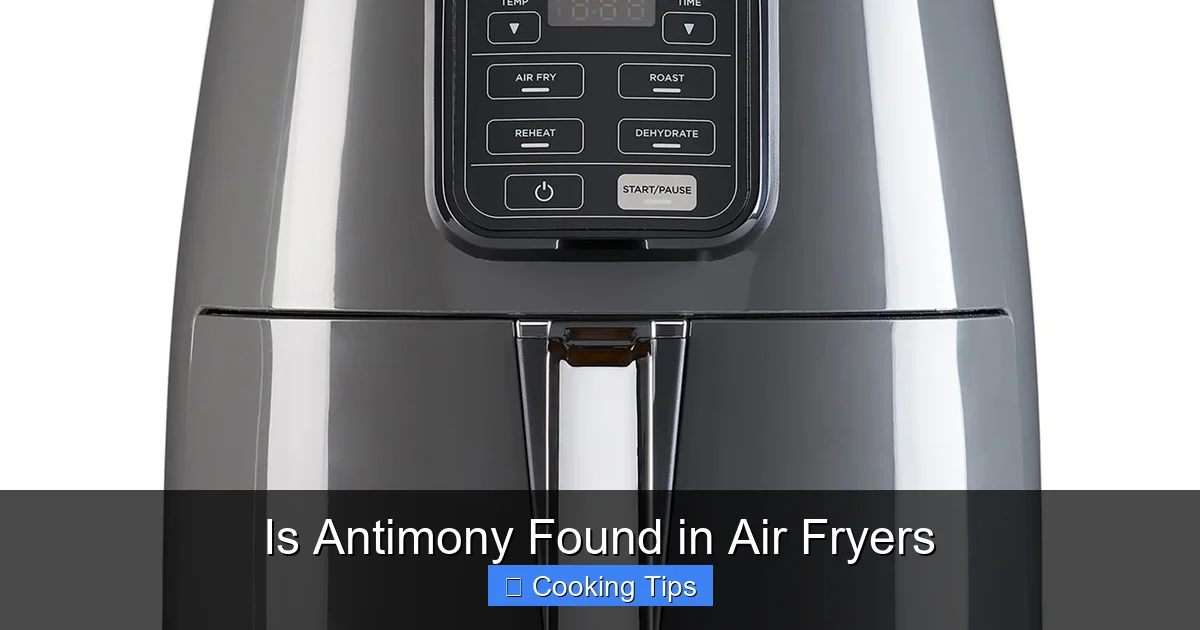
To understand if antimony is present, we first need to know what an air fryer is typically made of. Air fryers are essentially small convection ovens. They consist of a heating element, a fan, and a cooking basket or tray where the food is placed. The exterior is usually made of plastic or stainless steel. The parts that come into direct contact with food are the most critical from a safety perspective.
The Cooking Basket and Tray
The part of the air fryer that holds your food is usually made from one of a few common materials:
- Stainless Steel: This is a very popular choice for its durability, non-reactivity, and ease of cleaning. High-quality stainless steel is generally considered very safe for food contact.
- Aluminum: Sometimes, the cooking baskets are made of aluminum, often with a non-stick coating. Aluminum is lightweight and a good conductor of heat.
- Ceramic Coatings: Some air fryers feature ceramic non-stick coatings. These are often favored as a PFOA and PTFE-free alternative.
- Non-Stick Coatings (PTFE/PFOA): Many air fryers utilize traditional non-stick coatings, most commonly based on polytetrafluoroethylene (PTFE), often referred to by brand names like Teflon. Older coatings might have contained perfluorooctanoic acid (PFOA), but modern manufacturing processes have largely phased out PFOA due to health concerns.
The Exterior and Internal Components
The outer shell of an air fryer is typically constructed from durable, food-safe plastics or brushed stainless steel. These materials are chosen for their ability to withstand heat and for their aesthetic appeal. The internal heating elements and fans are made of materials designed for high temperatures and electrical conductivity, and they do not come into direct contact with the food.
What is Antimony?
Visual guide about Is Antimony Found in Air Fryers
Image source: cdn.britannica.com
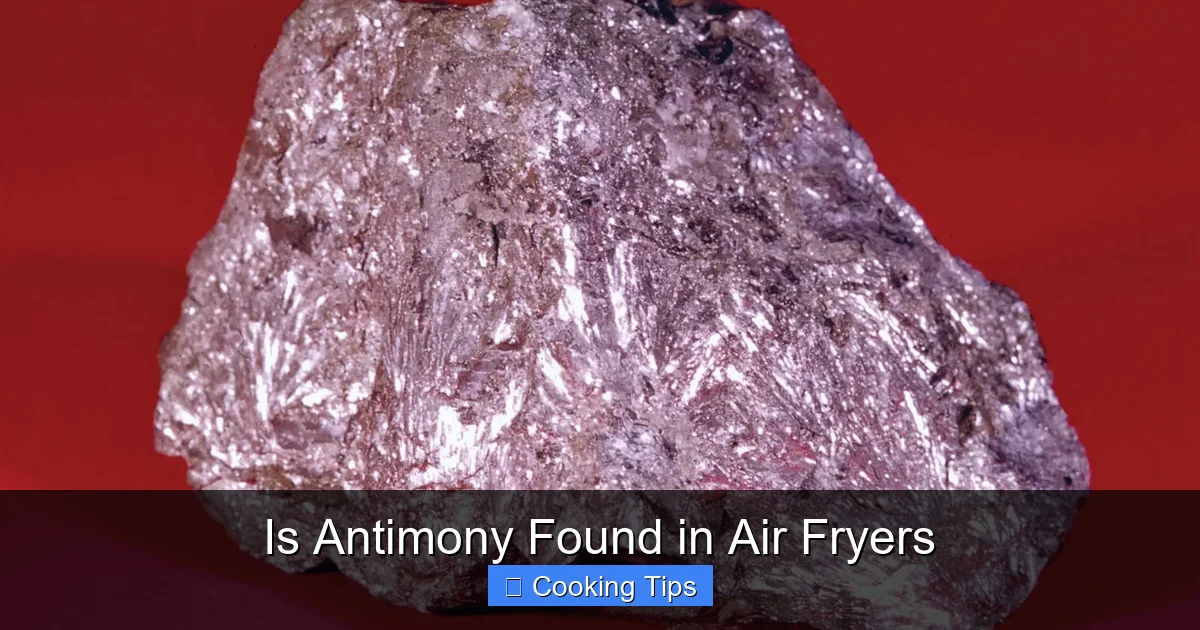
Before we connect antimony to air fryers, let’s understand what it is. Antimony is a metalloid element, represented by the symbol Sb on the periodic table. It’s a naturally occurring element found in the Earth’s crust.
Properties and Uses of Antimony
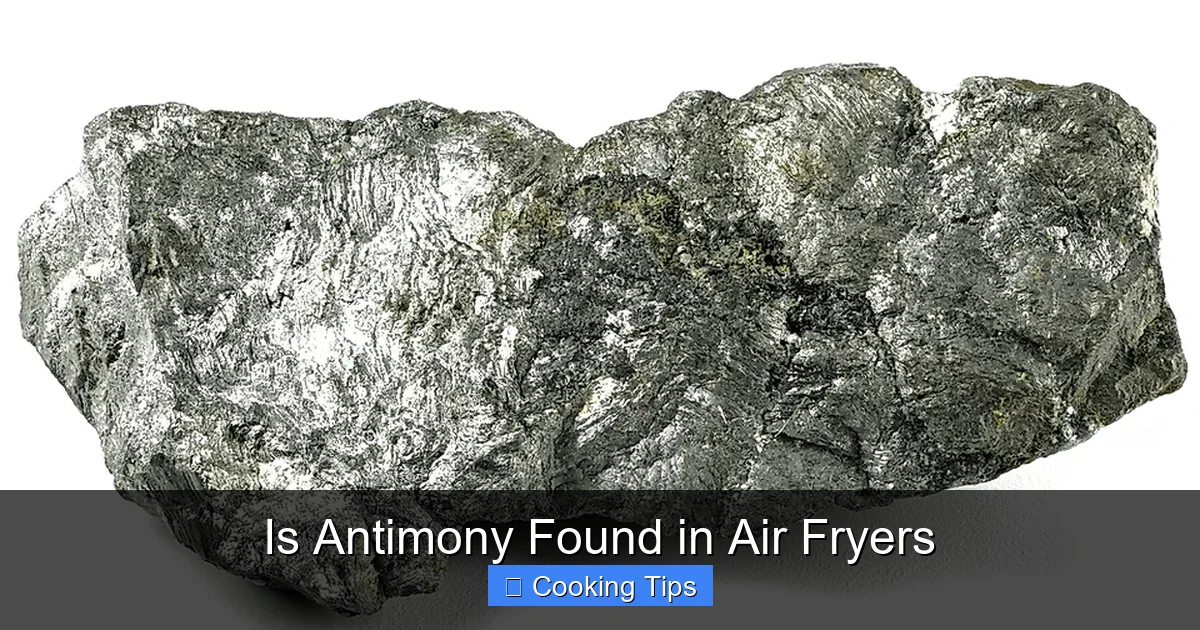
Antimony itself is a brittle, silvery-white metal. Its properties make it useful in various industrial applications. Some of the common uses of antimony include:
- Flame Retardants: Antimony compounds, particularly antimony trioxide, are widely used as flame retardants in plastics, textiles, and coatings.
- Alloys: It’s used to harden lead in batteries and ammunition.
- Semiconductors: In smaller quantities, it’s used in electronics.
- Ceramics and Glass: Antimony compounds can be used as clarifying agents in glass and for pigments in ceramics.
Is Antimony Found in Air Fryers? The Direct Answer
Visual guide about Is Antimony Found in Air Fryers
Image source: worldatlas.com
Now, let’s get to the core of the question: Is antimony found in air fryers?
The direct and most straightforward answer is: It is highly unlikely that antimony will be present in significant or concerning amounts in the parts of your air fryer that come into direct contact with food.
Here’s why:
Regulatory Standards and Food Safety
Appliance manufacturers, especially those selling in major markets like the US, Europe, and Canada, are bound by strict regulations regarding the materials used in food-contact surfaces. These regulations are designed to prevent the leaching of harmful substances into food. Antimony, while having industrial uses, is not a typical component that regulators are concerned about leaching from standard cookware materials like stainless steel or common non-stick coatings.
Materials Used in Air Fryer Cookware
As discussed earlier, the critical components are the basket and tray.
- Stainless steel does not contain antimony.
- Aluminum, while it can contain trace impurities, is not typically alloyed with antimony for cookware.
- Ceramic coatings are generally inert and do not contain antimony.
- PTFE-based non-stick coatings, which are made of fluoropolymers, do not inherently contain antimony. The concerns with these coatings have historically revolved around PFOA (which has been phased out) and the potential for fumes if overheated, not antimony.
Where Concerns About Antimony Might Arise (and why it’s different)
Concerns about antimony leaching into food are more commonly associated with specific types of cookware, particularly older ceramic or enameled pots and pans that might have been manufactured with lead glazes containing antimony compounds. In these cases, acidic foods, prolonged cooking, or chipped surfaces could potentially lead to leaching.
However, modern air fryers and their components are designed differently. Manufacturers prioritize food-grade materials that are stable and non-reactive under typical cooking conditions. The manufacturing processes for stainless steel, aluminum, and modern non-stick coatings are not designed to incorporate antimony into the food-contact surface.
Addressing Potential Misconceptions
Visual guide about Is Antimony Found in Air Fryers
Image source: cdn.hughes.co.uk
Sometimes, information can be misconstrued, leading to unnecessary worry. If you’ve heard that antimony might be in air fryers, it’s possible it stems from broader discussions about various types of cookware or industrial uses of antimony. It’s important to distinguish between the specialized applications of a metal and its presence in everyday kitchen appliances designed for food safety.
Focus on Reliable Brands and Product Information
Reputable air fryer brands invest in ensuring their products meet safety standards. They will typically advertise the materials used in their cooking surfaces. If you are concerned, looking for information on the product’s packaging, manual, or the manufacturer’s website is the best approach.
Certifications and Safety Seals
Many kitchen appliances come with certifications or safety seals from organizations that test for safety and compliance with various standards. While specific antimony testing might not be a common label on air fryers, general food-contact safety certifications provide reassurance.
Practical Tips for Air Fryer Safety and Longevity
While antimony is unlikely to be a concern, practicing good air fryer care ensures its longevity and your safety, regardless of the materials used.
1. Clean Your Air Fryer Regularly
Proper cleaning is essential for any kitchen appliance. Food residue can build up and, in some cases, degrade the non-stick coating or harbor bacteria.
- Daily Cleaning: After each use, once the appliance has cooled, wash the basket and tray with warm, soapy water. A soft sponge or cloth is usually best to avoid scratching non-stick surfaces.
- Deep Cleaning: For stubborn residue, you might need to soak the basket or use a non-abrasive cleaner. Always refer to your air fryer’s manual for specific cleaning instructions.
2. Avoid Scratching the Non-Stick Coating
If your air fryer has a non-stick coating, it’s crucial to protect it.
- Use the Right Utensils: Never use metal utensils (forks, knives, metal spatulas) inside the air fryer basket, as they can scratch and damage the coating. Opt for silicone, wood, or plastic utensils.
- Be Gentle During Cleaning: Avoid steel wool, abrasive scrubbers, or harsh detergents when cleaning non-stick surfaces.
3. Don’t Overheat Your Air Fryer
While air fryers are designed to reach high temperatures, overheating them, especially without food inside, can degrade the non-stick coating faster and potentially release fumes. Always follow recommended cooking times and temperatures. If you’re unsure about cooking times, check out guides on how to cook specific items, such as how to cook a pot pie in an air fryer or how to cook a crab cake in the air fryer.
4. Inspect Your Air Fryer for Damage
Periodically check the cooking basket and tray for any signs of damage, such as deep scratches, peeling coatings, or dents. If the non-stick coating is significantly damaged, it might be time to consider replacing the part or the appliance, as damaged coatings can potentially release particles.
5. Choose Quality Appliances
When purchasing an air fryer, opt for well-known brands that have a good reputation for quality and safety. Reading reviews and checking for product certifications can provide peace of mind.
Troubleshooting: What If I’m Still Concerned?
If you have a specific air fryer model and are still concerned about its materials, here are some steps you can take:
1. Consult Your Air Fryer’s Manual
The manual that comes with your air fryer is the best source of information about its materials and care instructions. Manufacturers usually detail what the cooking surfaces are made of.
2. Contact the Manufacturer Directly
If the manual doesn’t provide enough detail, reach out to the customer service department of the brand. They can confirm the materials used in their products.
3. Check Product Specifications Online
Most manufacturers list detailed product specifications on their websites, including the materials used for cooking surfaces.
Conclusion
To recap, while antimony is a real element with various industrial uses, it is highly unlikely to be found in significant or concerning amounts in the food-contact components of modern air fryers. Air fryer manufacturers are committed to using food-safe materials like stainless steel, aluminum, and modern non-stick coatings that comply with stringent safety regulations.
Your primary focus should be on maintaining your air fryer through regular cleaning, using appropriate utensils to protect non-stick surfaces, and purchasing from reputable brands. By understanding the typical construction of air fryers and following best practices for their use and care, you can continue to enjoy healthy and delicious meals prepared with confidence. So, go ahead and air fry your favorite dishes, knowing that the materials involved are generally safe and designed with your well-being in mind.