
Are you wondering if an air fryer and a turbo oven are the same thing? This guide breaks down the similarities and key differences between these popular kitchen appliances. You’ll learn how each one works, what they’re best suited for, and how to choose the right one for your cooking needs. Get ready to understand your kitchen tools better!
Is An Air Fryer The Same As A Turbo Oven?
In the quest for faster, healthier, and more efficient cooking, many kitchen appliances have emerged, promising to revolutionize our meal preparation. Among these, the air fryer and the turbo oven have gained immense popularity. You might be wondering, “Are they the same thing?” It’s a common question, and the answer, while not a simple yes or no, will become clear as we dive into what makes each appliance tick. This guide will help you understand the similarities, the crucial differences, and how each appliance can elevate your home cooking.
We’ll explore the core technology behind both, their primary uses, their design variations, and ultimately, how to decide which, if either, is the right fit for your kitchen. Get ready to demystify these two kitchen powerhouses!
Key Takeaways
- Air fryers and turbo ovens both use hot air circulation for cooking, but they differ significantly in design, cooking capacity, and specific functionalities.
- Air fryers are compact and primarily designed for “frying” with minimal oil, mimicking the crispiness of deep-fried food.
- Turbo ovens are larger, often resembling a countertop convection oven, offering more versatility in cooking methods beyond just air frying.
- The core technology is similar: high-speed convection. Both use a heating element and a fan to circulate hot air rapidly around the food.
- Capacity is a major differentiator; air fryers are typically smaller, while turbo ovens can accommodate larger meals and multiple dishes.
- Turbo ovens often include features like rotisseries and multiple rack positions, offering a broader range of cooking techniques than most air fryers.
- While an air fryer can perform many functions of a turbo oven, a turbo oven typically offers a wider array of cooking possibilities.
Understanding The Core Technology: Hot Air Circulation
At their heart, both air fryers and turbo ovens rely on the same fundamental cooking principle: rapid air circulation. This method is also known as convection cooking. Imagine a mini, super-charged oven where a fan blasts hot air all around your food. This constant movement of hot air cooks food quickly and evenly, creating that desirable crispy exterior that mimics deep frying without submerging food in oil.
The heating element, usually located at the top of the appliance, generates heat. A powerful fan then circulates this hot air at high speeds. This process ensures that the entire surface of the food is exposed to consistent heat, leading to browning and crisping. This is the shared secret sauce behind both an air fryer’s “fried” results and a turbo oven’s efficient cooking.
What Exactly Is An Air Fryer?
An air fryer is essentially a compact countertop convection oven designed to replicate the crispiness of deep-fried foods with significantly less oil. Think of it as a small, high-powered appliance optimized for creating that perfect crunch.
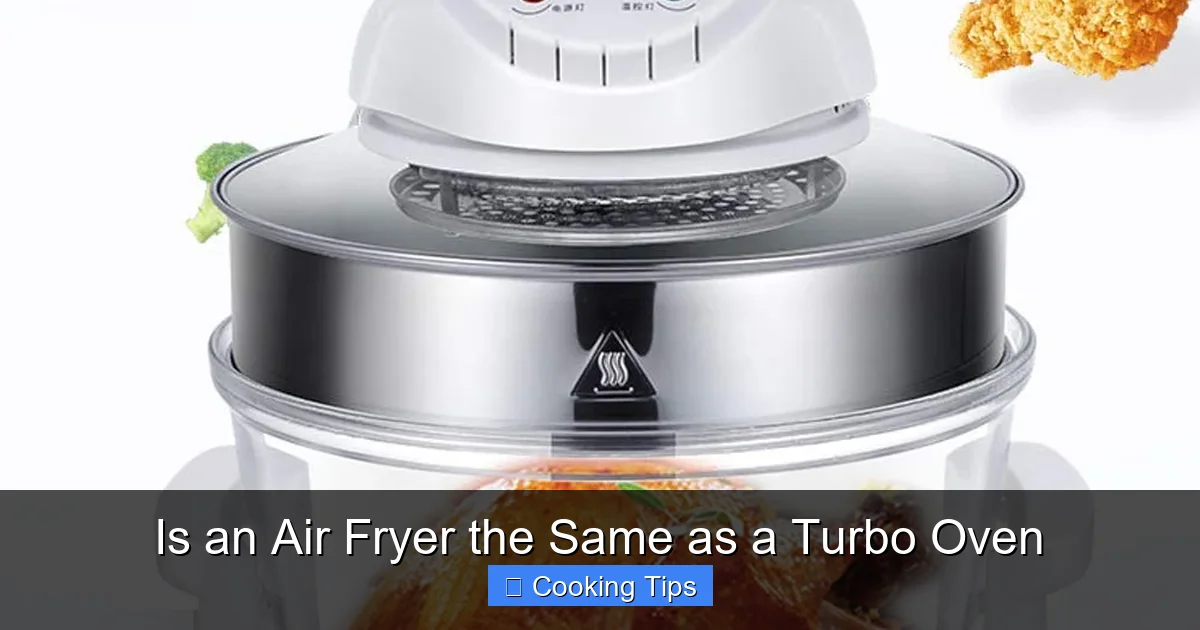
Visual guide about Is an Air Fryer the Same as a Turbo Oven
Image source: m.media-amazon.com
Design and Functionality:
- Basket Style: The most common type features a pull-out basket where you place your food. This design is excellent for smaller batches and foods that benefit from being elevated and surrounded by air, like fries, chicken wings, or vegetables.
- Tray Style: Some air fryers resemble miniature toaster ovens with multiple racks. These offer a bit more space and flexibility.
- Heating and Fan System: They have a powerful heating element and fan concentrated at the top, designed to circulate air very intensely within the enclosed cooking chamber.
- Primary Use: Their main claim to fame is producing crispy, golden-brown results for foods that are traditionally deep-fried. They excel at making things like fries, onion rings, chicken tenders, and even reheating leftovers to restore crispiness.
How an Air Fryer Cooks:
Food is placed in the basket or on trays. The appliance heats up quickly, and the fan then forces hot air down and around the food. The intense circulation helps to evaporate moisture from the surface of the food, leading to a crispy texture. Because the cooking chamber is relatively small and the fan is powerful, the air moves very rapidly, creating an effect similar to deep frying.
Examples of Air Fryer Successes:
If you’re looking to make crispy French fries, perfectly cooked chicken wings, or even recreate that delightful crisp on a pot pie crust, an air fryer is your go-to. Many people also use them for cooking items like crab cakes to achieve a lovely sear. It’s also fantastic for things like making waffle fries or reheating pizza to make it less soggy.
What Exactly Is A Turbo Oven?
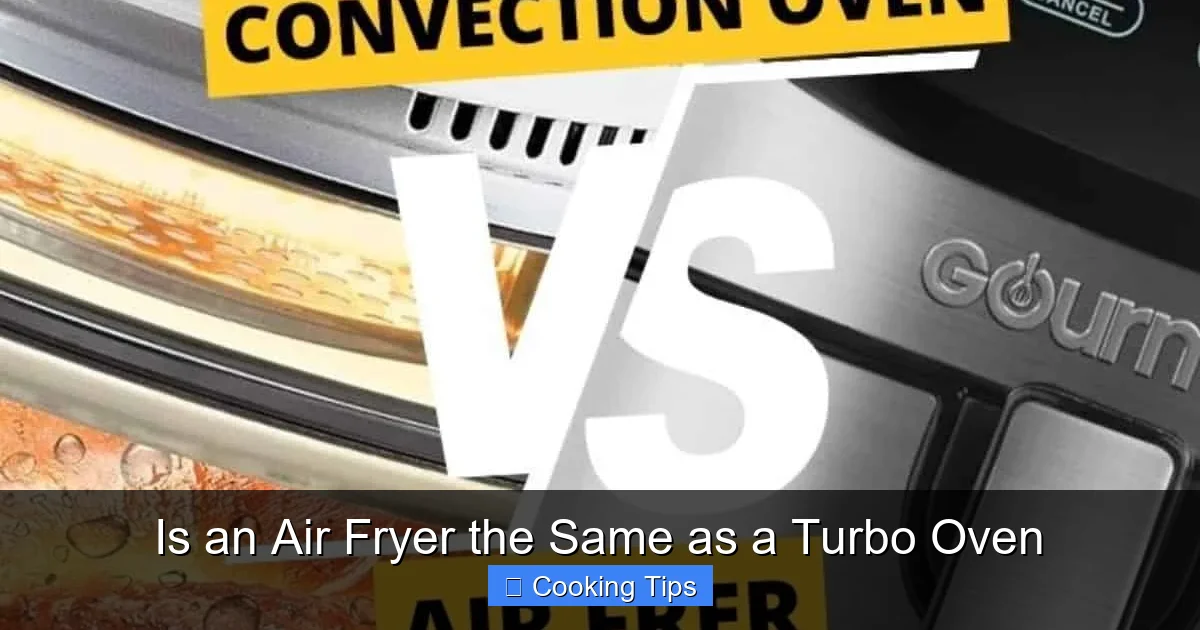
A turbo oven, often also called a convection oven or halogen oven, is a larger, more versatile appliance that also uses hot air circulation but typically offers a broader range of cooking capabilities.
Visual guide about Is an Air Fryer the Same as a Turbo Oven
Image source: alsothecrumbsplease.com
Design and Functionality:
- Glass Bowl Design: Many traditional turbo ovens feature a glass bowl with a lid that houses the heating element and fan. This allows you to see your food cooking from all sides.
- Countertop Oven Style: Newer models often look like compact toaster ovens, complete with racks, a door, and a more conventional oven appearance.
- Heating Element and Fan: While they also use a heating element and fan for convection, the setup might be less concentrated or the chamber larger, potentially leading to slightly different cooking dynamics compared to a compact air fryer.
- Versatility: Turbo ovens are designed for a wider array of cooking tasks. They can roast, bake, broil, grill, steam (with accessories), and, yes, “air fry” to some extent. They are excellent for cooking larger items or multiple dishes at once.
- Capacity: Generally, turbo ovens offer more cooking space than a standard air fryer basket, making them suitable for family meals or cooking larger roasts. You can often fit a whole chicken or a small roast in one.
How a Turbo Oven Cooks:
Similar to an air fryer, the turbo oven uses a heating element and fan to create convection. However, the larger cooking space and potentially different fan placement mean the air circulation might be less intense and rapid than in a dedicated air fryer basket. This allows for more traditional baking and roasting where a gentler, more even heat is preferred. Some models also have a rotisserie function, allowing for even roasting of meats.
Examples of Turbo Oven Capabilities:
Turbo ovens are great for roasting a whole Cornish hen, baking a cake, cooking a substantial roast, or even preparing a full meal with multiple components on different racks. If you’re looking for an appliance that can do a bit of everything, from baking cookies to roasting vegetables, a turbo oven shines.
Key Differences: Where They Diverge
While both appliances leverage hot air, their design and intended use lead to significant differences. Let’s break them down:
Visual guide about Is an Air Fryer the Same as a Turbo Oven
Image source: images.nexusapp.co
1. Design and Size
Air Fryer: Typically more compact, designed to fit easily on a countertop. Most common are the basket-style units, prioritizing a small, enclosed space for maximum air circulation intensity.
Turbo Oven: Generally larger, resembling a countertop oven or having a more substantial glass bowl. This allows for greater capacity and often multiple cooking racks.
2. Cooking Intensity and Speed
Air Fryer: The concentrated fan and smaller space create very rapid and intense air circulation. This is what gives them their signature “air frying” crispiness and makes them excellent for quick cooking of smaller items. The speed is often faster than a traditional oven for similar tasks.
Turbo Oven: While still using convection, the larger space and potentially less intense fan might mean slightly slower cooking times for tasks that require deep crisping. However, this also makes them more adept at gentler cooking methods like baking and roasting larger items.
3. Versatility and Functionality
Air Fryer: Primarily excels at “frying,” roasting, and reheating for crispiness. While you can bake small items, it’s not their strongest suit. Think of them as specialized for that crispy texture.
Turbo Oven: A true multi-tasker. They can roast, bake, broil, grill, and often include accessories for steaming or rotisserie cooking. They are more like a small, efficient conventional oven.
4. Capacity
Air Fryer: Usually has a smaller capacity, ideal for individuals, couples, or small families. You might need to cook in batches for larger gatherings. A good size for cooking a single serving of brats or a couple of pork steaks at a time.
Turbo Oven: Offers a larger capacity, better suited for family meals or cooking larger food items. You can often cook a whole chicken or multiple portions of food simultaneously.
5. “Air Frying” Capability
Air Fryer: Designed from the ground up to achieve the best possible “fried” crispiness. The high-speed, concentrated air circulation is optimized for this.
Turbo Oven: Can achieve crispy results, but it might not be quite as intense or fast as a dedicated air fryer. They are more of a general-purpose convection cooker that can perform air frying tasks.
Similarities: What They Have In Common
Despite their differences, it’s important to recognize what unites these appliances:
- Convection Cooking: Both use rapid hot air circulation to cook food faster and more evenly than traditional ovens.
- Healthier Cooking: Both allow you to achieve crispy textures with significantly less oil than deep frying.
- Energy Efficiency: Due to their smaller size and efficient design, both tend to be more energy-efficient than a full-sized conventional oven for smaller cooking tasks.
- Faster Cooking Times: The convection technology in both appliances generally leads to shorter cooking times compared to traditional methods.
- Ease of Use: Most models are designed for user-friendliness with simple controls and pre-set cooking functions.
Can An Air Fryer Do Everything A Turbo Oven Can?
Not exactly. An air fryer can perform many of the functions of a turbo oven, such as roasting vegetables, cooking chicken wings, and reheating leftovers to regain crispiness. You can even bake small items like biscuits or certain cakes in an air fryer. For example, you could likely cook a frozen pizza in an air fryer, though the results might vary compared to a larger oven.
However, a turbo oven’s larger capacity and often more versatile design (like multiple racks or rotisserie features) make it better suited for tasks like roasting a whole chicken or cooking larger cuts of meat. If you want to cook a whole roast or bake a full-sized cake, a turbo oven is generally the more appropriate appliance. While an air fryer is excellent for tasks like cooking a porterhouse steak to perfection, a turbo oven might be better for preparing a full meal around it.
Can A Turbo Oven Do Everything An Air Fryer Can?
Yes, for the most part. A turbo oven can effectively perform most of the tasks an air fryer is known for. It can crisp up fries, cook chicken tenders, and reheat food to make it crispy. The key difference will be the intensity and speed of the “air frying” effect. Because the cooking chamber in a turbo oven is usually larger and the fan might be less concentrated, the air circulation might not be as rapid or intense as in a dedicated air fryer basket. This means you might achieve similar results, but potentially with slightly longer cooking times or a less pronounced crisp.
Think of it this way: an air fryer is a specialized tool for achieving maximum crispiness quickly. A turbo oven is a more general-purpose tool that can also achieve crispiness, but it’s also designed for a wider range of cooking methods.
Choosing The Right Appliance For Your Needs
The decision between an air fryer and a turbo oven (or deciding if you even need both!) comes down to your cooking habits and kitchen needs.
When to Choose an Air Fryer:
- You primarily want to cook “fried” foods with less oil (fries, wings, nuggets).
- You often cook small batches for yourself or a partner.
- You want a quick way to reheat leftovers and restore crispiness.
- You have limited counter space.
- You appreciate speed and intense crisping.
When to Choose a Turbo Oven:
- You want an appliance that can do a bit of everything: roast, bake, grill, etc.
- You frequently cook for a family or need larger capacity.
- You want to cook larger items like whole chickens or roasts.
- You have the counter space for a slightly larger appliance.
- You are looking for an energy-efficient alternative to a full-sized oven for many tasks.
Do You Need Both?
For some, owning both might be ideal. An air fryer can be your go-to for quick snacks and crispy appetizers, while a turbo oven handles family meals and baking. However, if you choose a versatile turbo oven, it might cover most of your needs, making a separate air fryer redundant. Conversely, if your main goal is achieving that perfect crispy texture with speed and you don’t often cook large meals, a dedicated air fryer might be all you need.
Troubleshooting Common Air Fryer & Turbo Oven Issues
While these appliances are generally user-friendly, here are a few common issues and their solutions:
- Food is not crispy:
- Ensure you are not overcrowding the basket or tray. This prevents air circulation.
- Increase the temperature slightly or cook for a few more minutes.
- Make sure the food is relatively dry before cooking, especially for items like fries.
- Food is unevenly cooked:
- Shake the basket or flip the food halfway through the cooking time.
- For turbo ovens with multiple racks, rotate the racks or the food.
- Ensure proper airflow around the food – don’t let items touch too much.
- Appliance is smoking:
- This often happens if there’s leftover oil or food debris. Clean the appliance thoroughly after each use.
- If cooking very fatty foods, you might get some smoke. Place a small piece of bread in the bottom to absorb excess grease.
- Takes too long to cook:
- Preheat the appliance. Like a conventional oven, preheating helps ensure consistent cooking from the start.
- Check that you are using the correct temperature and time settings for the food. Refer to appliance manuals or online recipes.
Conclusion: Not The Same, But Related
So, is an air fryer the same as a turbo oven? The short answer is no, they are not identical. While both utilize the powerful technology of rapid hot air circulation (convection) to cook food faster and healthier, their design, capacity, and primary functions set them apart.
An air fryer is a specialized appliance focused on delivering that sought-after crispy texture with minimal oil, making it perfect for snacks and smaller portions. A turbo oven, on the other hand, is a more versatile, larger appliance capable of handling a broader range of cooking tasks, from roasting and baking to grilling, making it a more all-in-one solution for family meals. Understanding these distinctions will help you make an informed decision about which appliance, or perhaps both, best suits your culinary adventures.