
An air fryer can be a fantastic tool for healthier eating by reducing oil usage. This guide explores the health benefits, how to use your air fryer effectively, and what foods are ideal for this cooking method. Discover the advantages of air frying and make informed choices for your diet.
Is An Air Fryer Good For You? A Comprehensive Guide
Are you curious about the buzz surrounding air fryers? You’ve probably seen them everywhere, promising crispy, delicious food with a fraction of the oil. But the big question on many people’s minds is: “Is an air fryer good for you?” The answer is generally a resounding yes, but with a few important considerations.
This guide will dive deep into the health benefits of using an air fryer, explore how it works, and provide practical tips for making the most of this versatile kitchen appliance. We’ll help you understand how to integrate air-fried foods into a balanced diet and unlock its full potential for healthier, tastier meals.
Key Takeaways
- Reduced Fat and Calories: Air fryers use hot air circulation to cook food, mimicking the crispiness of deep-frying with significantly less oil, leading to healthier meals with fewer calories and less fat.
- Preserves Nutrients: The rapid cooking time and lower temperatures compared to some traditional methods can help retain more vitamins and minerals in your food.
- Versatile Cooking: Beyond “frying,” air fryers can roast, grill, and even bake a wide variety of foods, from vegetables to meats and baked goods.
- Convenience and Speed: Air fryers preheat quickly and cook food faster than conventional ovens, making them ideal for busy weeknights.
- Less Mess: The enclosed nature of air fryers means less splatter and easier cleanup compared to deep-frying.
- Potential for Healthier “Fried” Foods: It’s a great way to enjoy crispy favorites like fries and chicken wings with a healthier twist, but it’s still important to choose nutritious base ingredients.
Understanding How Air Fryers Work
Before we discuss the “good for you” aspect, let’s understand what makes an air fryer tick. It’s not actually “frying” in the traditional sense. Instead, an air fryer is a compact countertop convection oven. It works by circulating extremely hot air around your food at high speed. This rapid air movement cooks the food and creates a crispy, browned exterior that mimics the results of deep-frying, but with much less oil.
The Science Behind the Crisp
The magic happens thanks to a heating element at the top of the appliance and a powerful fan. The fan blows hot air down and around the food in the basket. This intense, circulating heat is what achieves the desired crispiness. Most air fryers require only a tablespoon or two of oil, or sometimes none at all, to achieve this effect. This is the primary reason why air fryers are often touted as a healthier alternative.
The Health Benefits of Using an Air Fryer
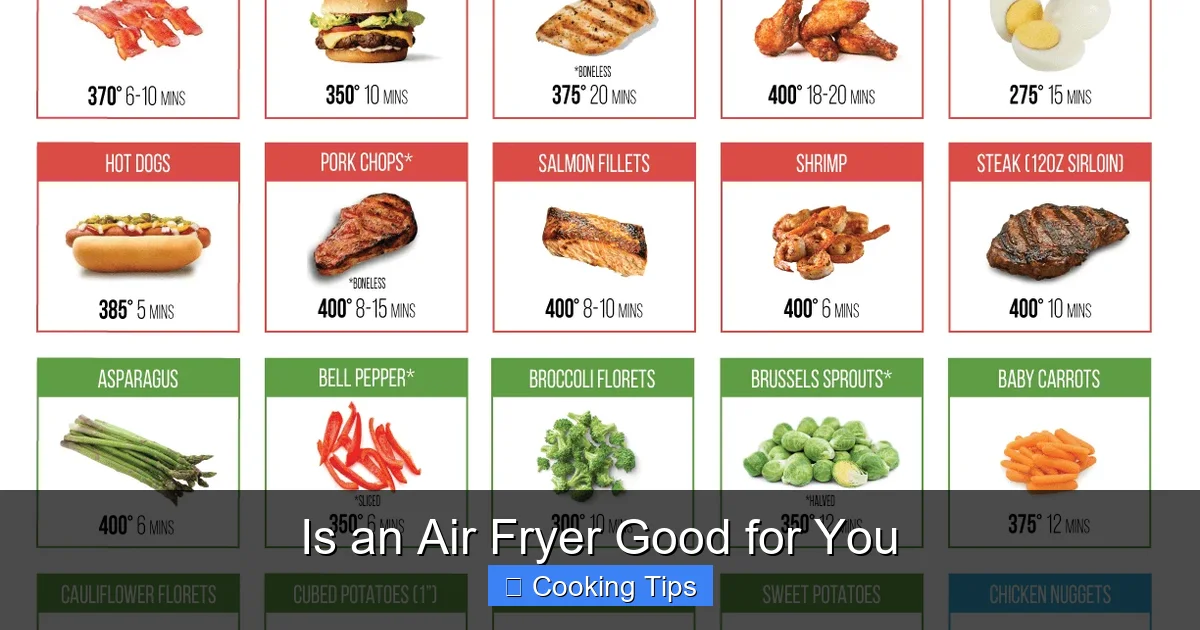
Visual guide about Is an Air Fryer Good for You
Image source: assets.onegoodthingbyjillee.com
So, how does this cooking method translate into health benefits? Let’s break it down.
1. Reduced Fat and Calorie Intake
This is the most significant advantage. Deep-fried foods are notorious for absorbing large amounts of oil, which dramatically increases their fat and calorie content. By using an air fryer, you can achieve a similar crispy texture with up to 70-80% less fat. For example, a serving of french fries made in an air fryer typically has far fewer calories and grams of fat than the same serving from a deep fryer. This reduction can be a game-changer for individuals looking to manage their weight or lower their intake of unhealthy fats.
2. Lower Risk of Harmful Compounds
When foods are cooked at very high temperatures, especially through deep-frying, a compound called acrylamide can form. Acrylamide is considered a potential carcinogen. While it can form in other cooking methods too, deep-frying is a significant contributor. Air fryers generally cook at slightly lower temperatures or for shorter durations than traditional deep-frying, which can help reduce the formation of acrylamide in foods like potatoes.
3. Preservation of Nutrients
The speed at which air fryers cook can also be beneficial for nutrient retention. Foods cooked quickly at high heat can sometimes retain more of their water-soluble vitamins (like Vitamin C and B vitamins) and heat-sensitive nutrients compared to foods that are boiled or baked for longer periods. While research is ongoing, the rapid cooking process is a promising factor in preserving the nutritional integrity of your meals.
4. Encourages Consumption of Healthier Foods
Because air fryers make vegetables taste wonderfully crisp and delicious with minimal oil, they can encourage people to eat more veggies. Think of crispy Brussels sprouts, roasted broccoli florets, or even “fried” zucchini sticks. When vegetables are prepared in a way that appeals to the palate, people are more likely to incorporate them into their diet regularly. This is a fantastic way to boost your intake of fiber, vitamins, and minerals. If you’re looking for inspiration, exploring how to make vegetables in an air fryer can open up a world of healthy and tasty possibilities.
What Foods Are Best for Air Frying?

Visual guide about Is an Air Fryer Good for You
Image source: prudentpennypincher.com
While an air fryer is versatile, some foods naturally lend themselves better to this cooking method.
1. Potatoes and Other Root Vegetables
French fries are the classic example, and for good reason! Thinly sliced potatoes become wonderfully crispy. But it’s not just fries; you can make crispy potato wedges, sweet potato fries, or even roasted cubes of carrots, parsnips, and other root vegetables. For a great start, try learning how to cook bite-size potatoes for perfectly crisp results.
2. Meats and Poultry
Chicken wings, chicken tenders, chicken breasts, and even burgers can achieve a delightful crispiness. For a protein boost, consider learning how to cook a beef patty or even how to cook bone-in chicken breast. The hot air circulation helps to render fat and create a satisfying crunch.
3. Seafood
Fish fillets, shrimp, and even crab cakes can be cooked beautifully in an air fryer. They come out flaky on the inside and golden brown on the outside. Learning how to cook a crab cake or how to cook air fryer salmon can add healthy, delicious options to your meal rotation.
4. Snacks and Appetizers
Frozen foods like spring rolls, mozzarella sticks, and onion rings are excellent candidates for air frying, offering a much healthier alternative to deep-frying them at home. Homemade versions of these can also be made.
5. Baked Goods (in some models)
Many modern air fryers also have baking capabilities. Small cakes, muffins, or even biscuits can be prepared, though results might vary depending on the model and recipe. You can even learn how to cook a biscuit for a quick treat.
How to Use Your Air Fryer for Healthier Cooking

Visual guide about Is an Air Fryer Good for You
Image source: madaboutfood.co
Simply owning an air fryer doesn’t automatically make your diet healthy. It’s how you use it that matters. Here’s how to maximize its health benefits:
Step 1: Choose Your Foods Wisely
* Focus on whole, unprocessed foods: Load your air fryer with fresh vegetables, lean proteins, and whole grains.
* Limit processed or breaded items: While air fryers can make frozen “fried” foods crispier, they are still often high in sodium, unhealthy fats, and refined carbohydrates. If you’re air-frying these, consider them occasional treats rather than daily staples.
* Control added oils: The beauty of the air fryer is its low oil requirement. Use just a light spritz or toss food with a teaspoon or two of healthy oils like olive oil or avocado oil.
Step 2: Prepare Your Food Correctly
* **Don’t overcrowd the basket:** This is crucial for achieving crispiness. Hot air needs to circulate freely around each piece of food. Cook in batches if necessary.
* **Dry food thoroughly:** For items like chicken wings or fries, patting them dry before seasoning and air frying helps them get crispier.
* **Season with herbs and spices:** Instead of relying on heavy batters or sauces, use herbs, spices, garlic powder, onion powder, and a pinch of salt for flavor.
Step 3: Master the Cooking Process
* **Preheat your air fryer:** Most models benefit from preheating for 3-5 minutes. This ensures even cooking from the start.
* **Shake or flip food halfway:** For most items, shaking the basket or flipping the food halfway through the cooking time ensures all sides get equally crispy and brown.
* **Monitor cooking times:** Air fryers can cook faster than conventional ovens. Start with the lower end of recommended cooking times and adjust as needed. You can even learn how to operate an air fryer step-by-step to become more familiar with its functions.
* **Use the right accessories:** Perforated parchment liners or silicone liners can help prevent sticking and make cleanup easier, but ensure they don’t block airflow too much.
Step 4: Clean Your Air Fryer Regularly
A clean air fryer works more efficiently and prevents old food particles from affecting the taste of new food. Follow the manufacturer’s instructions for cleaning the basket, drawer, and interior.
Air Frying vs. Other Cooking Methods: A Health Comparison
To truly understand if an air fryer is good for you, it helps to compare it to other common methods:
* **Air Frying vs. Deep Frying:** As discussed, air frying uses significantly less oil, resulting in fewer calories and less fat. Deep frying submerges food in hot oil, leading to maximum oil absorption.
* **Air Frying vs. Baking:** Baking uses dry heat, but it typically takes longer and may not achieve the same level of crispiness without oil. Air frying is essentially a super-charged convection baking that provides superior crispiness with less oil.
* **Air Frying vs. Pan-Frying:** Pan-frying requires more oil than air frying, and the results can be inconsistent unless you are very careful. Air frying offers more even cooking and crispiness with less fat.
Potential Downsides and Considerations
While the benefits are significant, it’s important to be aware of potential downsides:
* **Food size and batch cooking:** Air fryers have a limited capacity. For larger families or when cooking for a crowd, you may need to cook in multiple batches, which can be time-consuming. Learning what size air fryer for a family of 6 is important to consider.
* **Not a magic bullet:** An air fryer is a tool. If you fill it with unhealthy ingredients and drown them in sauce, it won’t be a healthy meal. The quality of the ingredients you use is paramount.
* **Can dry out food:** Some foods, particularly leaner meats or items cooked for too long, can become dry. Using a little oil, not overcrowding, and monitoring cooking times are key.
* **Initial cost:** While becoming more affordable, air fryers represent an upfront investment.
Conclusion: Is an Air Fryer Good for You?
Yes, an air fryer can be an excellent addition to a healthy lifestyle, offering a way to enjoy crispy, delicious foods with significantly less fat and calories than traditional frying methods. It’s a versatile appliance that can help you prepare a wide range of dishes, from crispy vegetables and lean proteins to healthier versions of your favorite snacks.
The key to reaping the benefits of an air fryer lies in how you use it. By focusing on whole foods, controlling added oils, and mastering the cooking process, you can transform your meals into healthier, more flavorful creations. Remember, it’s a tool to support a balanced diet, not a substitute for healthy eating principles. So, embrace your air fryer and enjoy a guilt-free crispy crunch!