
Worried about your air fryer’s safety? This guide explores whether an air fryer is dangerous, covering potential risks like overheating and chemical leaching, and provides actionable tips to ensure safe operation. Learn how to use your air fryer confidently and enjoy healthier, crispy foods without worry. Safety first is the main takeaway!
Is An Air Fryer Dangerous? Your Ultimate Safety Guide
Welcome! You’ve probably heard a lot about air fryers. They make food crispy and delicious with less oil. But you might be wondering, “Is an air fryer dangerous?” It’s a fair question! Many new kitchen gadgets bring up safety concerns. This guide is here to set your mind at ease and equip you with all the knowledge you need to use your air fryer safely and confidently.
We’ll dive deep into what makes an air fryer work, explore any potential risks, and provide clear, step-by-step instructions on how to avoid them. By the end of this guide, you’ll understand how to keep your air fryer running smoothly and safely, ensuring you can enjoy all your favorite crispy treats without a second thought. Let’s get cooking, safely!
Key Takeaways
- Air fryers are generally safe when used correctly, mimicking convection oven technology with hot air circulation.
- Potential risks, though rare, include overheating, electrical faults, and the formation of acrylamide in overcooked starchy foods.
- Proper cleaning and maintenance are crucial to prevent fire hazards and ensure optimal performance.
- Using the right accessories and avoiding overloading the basket are key to safe operation.
- Always follow manufacturer instructions and general cooking best practices for safe and delicious results.
Understanding How Air Fryers Work
Before we talk about safety, it’s helpful to understand the technology behind an air fryer. It’s not really “frying” in the traditional sense. Instead, it uses rapid air circulation. Think of it like a mini, high-powered convection oven.
A heating element at the top heats the air, and a powerful fan blows that hot air around the food in the basket. This intense circulation cooks the food and creates that desirable crispy texture, all while using a fraction of the oil needed for deep frying. This principle is why air fryers are a popular choice for healthier cooking. Learning how to operate an air fryer effectively is the first step in ensuring its safe use.
Potential Risks and How to Mitigate Them
While air fryers are designed with safety in mind, like any electrical appliance, there are some potential risks to be aware of. The good news is that these risks are generally low and easily preventable with proper usage and care.
1. Overheating and Fire Hazards
The most significant concern with any cooking appliance is the risk of fire. Air fryers, like ovens, generate heat. If not used correctly, they could potentially overheat.
Visual guide about Is an Air Fryer Dangerous
Image source: effortlessfoodie.com
Causes of Overheating
- Using the air fryer in an enclosed space: Air fryers need ventilation. Blocking the vents can cause heat to build up.
- Overloading the basket: When the basket is too full, hot air cannot circulate properly. This can lead to uneven cooking and potentially overheating certain parts.
- Placing flammable materials nearby: Keeping paper towels, curtains, or other flammable items too close to the air fryer is a fire risk.
- Defective appliance: Although rare, a faulty appliance could have issues with its thermostat or internal wiring.
How to Prevent Overheating
- Ensure proper ventilation: Always place your air fryer on a stable, heat-resistant surface with at least a few inches of space around it for air circulation. Never use it inside a cabinet or in a confined space.
- Do not overcrowd the basket: Cook food in batches if necessary. A good rule of thumb is to ensure food has space around it for air to flow freely. For example, when cooking a batch of fries, ensure they are in a single layer.
- Keep flammable items away: Maintain a safe distance between your air fryer and anything that could catch fire.
- Regularly inspect your appliance: Check the power cord for any damage before each use. If you notice anything unusual, stop using it and contact the manufacturer.
2. Electrical Malfunctions
Like all electrical appliances, air fryers can experience electrical issues. This is usually due to manufacturing defects or improper care.
Causes of Electrical Malfunctions
- Damaged power cord: A frayed or damaged cord can be a shock or fire hazard.
- Water damage: Getting the electrical components wet can cause short circuits.
- Internal wiring issues: Sometimes, there can be a problem with the internal wiring from the factory.
How to Prevent Electrical Malfunctions
- Inspect the cord regularly: Ensure the power cord is in good condition. Do not use the appliance if the cord is damaged.
- Keep it dry: Never immerse the air fryer body in water or wash it under running water. Clean it according to the manufacturer’s instructions.
- Use the correct outlet: Ensure the outlet is properly grounded and matches the appliance’s power requirements.
- Trust your senses: If you notice any strange smells (like burning plastic) or hear unusual noises, unplug the appliance immediately and consult the manual or manufacturer.
3. Acrylamide Formation
This is a concern with any high-heat cooking method for starchy foods. Acrylamide is a chemical that can form when foods like potatoes are cooked at high temperatures. Some studies suggest a link between acrylamide and increased cancer risk, though more research is needed.
What is Acrylamide?
It’s a naturally occurring chemical that forms during certain cooking processes, particularly when starchy foods are fried, baked, or roasted at high temperatures.
How to Minimize Acrylamide
- Avoid overcooking: Don’t let your fries or other starchy foods turn dark brown or black. Aim for a golden-yellow color. For instance, when learning how to cook french fries in an air fryer, pay close attention to the cooking time and color.
- Soak potatoes before air frying: If you’re making homemade fries, soaking cut potatoes in water for 15-30 minutes can help reduce acrylamide precursors.
- Don’t use excessively high temperatures: Stick to the recommended temperature settings for your recipes.
- Vary your diet: Air fryers can cook a wide variety of foods. Incorporate more vegetables and proteins into your diet. For example, explore how to cook an artichoke in an air fryer or how to cook an eggplant in an air fryer for healthier options.
4. Chemical Leaching from Accessories
Some users worry about chemicals leaching from non-stick coatings or accessories. This is a valid concern, especially with older or lower-quality non-stick surfaces.
Concerns with Non-Stick Coatings
Many air fryer baskets have a non-stick coating. If this coating degrades, scratches, or is exposed to excessive heat, there’s a possibility of substances leaching into food.
How to Prevent Chemical Leaching
- Choose reputable brands: Invest in an air fryer from a well-known manufacturer that uses high-quality, food-grade materials.
- Handle with care: Use silicone or wooden utensils to avoid scratching the non-stick coating. Never use metal utensils or abrasive scrubbers.
- Regularly inspect the basket: If the non-stick coating is peeling, flaking, or heavily scratched, it’s time to replace the basket or the entire unit.
- Use approved accessories: If you use baking pans or other accessories in your air fryer, ensure they are specifically designed for air fryer use or are made from food-safe materials.
Safe Usage: Your Step-by-Step Guide
Now that we’ve addressed potential risks, let’s walk through how to use your air fryer safely every single time. Following these steps will help ensure you get delicious results without compromising safety.
Step 1: Initial Setup and Placement
Before you even plug in your air fryer, proper setup is key.
Visual guide about Is an Air Fryer Dangerous
Image source: holidaypac.com
H3: Unboxing and First Use
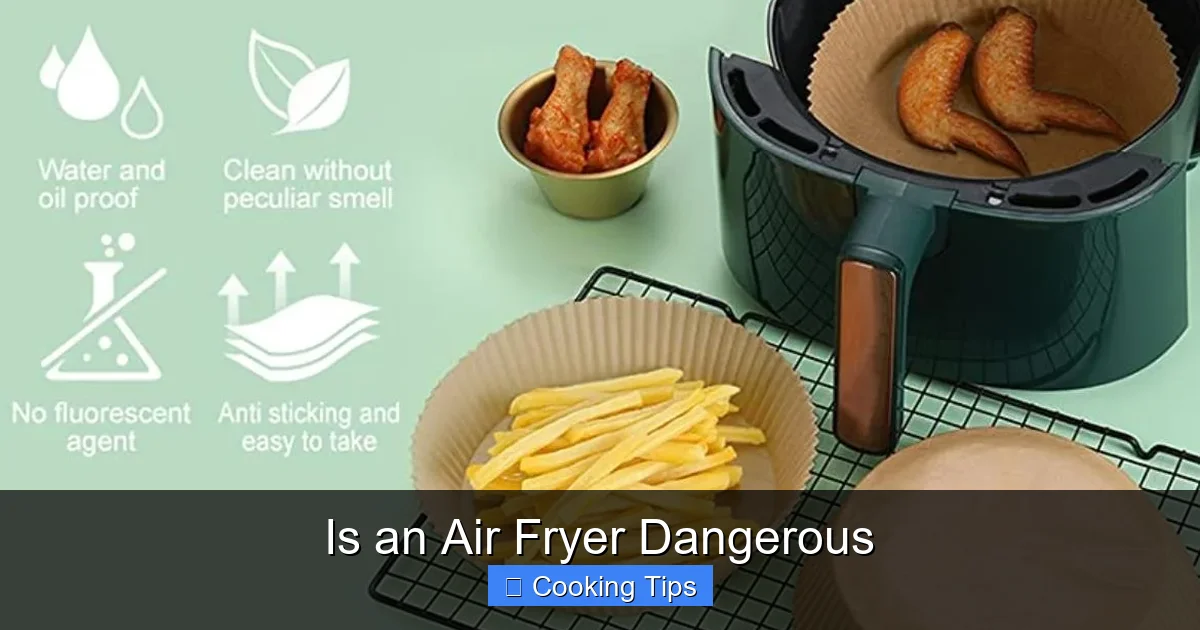
- Read the Manual: This is non-negotiable! Every air fryer is slightly different. Your user manual contains specific safety instructions and operating guidelines for your model.
- Clean Before First Use: Most manufacturers recommend cleaning the basket and any removable parts with warm, soapy water before the first use to remove any manufacturing residues.
- Initial Run (Optional but Recommended): Some recommend running the air fryer empty for a few minutes at a high temperature to burn off any residual manufacturing smells. Do this in a well-ventilated area.
H3: Placement for Optimal Safety
- Stable Surface: Place the air fryer on a flat, stable, and heat-resistant surface like a countertop.
- Adequate Ventilation: Ensure there is at least 4-6 inches of clear space around the air fryer, especially at the back and sides, to allow for proper airflow. Do not place it directly against a wall or under cabinets.
- Away from Heat Sources: Keep it away from other heat-generating appliances like stoves or toasters, and away from flammable materials.
Step 2: Preparing Your Food
How you prepare your food also impacts safety and cooking quality.
H3: Proper Food Handling
- Wash Hands: Always wash your hands before handling food to prevent cross-contamination.
- Safe Thawing: If cooking frozen food, ensure it is properly thawed according to food safety guidelines, or cook directly from frozen if the recipe allows. For example, cooking a frozen hamburger in an air fryer is often straightforward.
- Avoid Overcrowding: As mentioned, this is critical for safe and even cooking. Cook in single layers where possible. If you’re making a batch of popular snacks, learning Tyson chicken nuggets in an air fryer, cook them in batches to ensure crispiness and prevent sticking.
- Use a Little Oil (Optional): While you can cook many things without oil, a light mist or toss with a small amount of oil can help achieve crispier results and prevent sticking. Use oils with a high smoke point like avocado, canola, or grapeseed oil.
Step 3: Operating Your Air Fryer
This is where the cooking magic happens!
H3: Setting Temperature and Time
- Follow Recipes: Use recommended temperatures and cooking times from reliable recipes or your air fryer’s manual. Don’t guess!
- Preheating: Many recipes suggest preheating the air fryer for a few minutes. This helps ensure even cooking from the start. It’s similar to preheating your oven.
- Monitoring Food: Keep an eye on your food, especially during the last few minutes of cooking. You can often pause the air fryer to check progress. Learning how to pause an air fryer is a useful skill.
H3: During the Cooking Cycle
- Shake the Basket: For foods like fries or chicken wings, shaking the basket halfway through cooking ensures all sides get evenly crispy.
- Avoid Opening Unnecessarily: Opening the basket too often can release hot air and prolong cooking time.
- Handle with Care: The basket and inner components get very hot! Always use oven mitts or the provided handles to remove the basket.
Step 4: After Cooking
Don’t forget about post-cooking safety and maintenance.
H3: Safe Removal and Serving
- Allow Cooling: Let the air fryer cool down slightly before attempting to remove the basket or clean it.
- Use Utensils: Use tongs or other heat-safe utensils to remove food from the hot basket.
- Beware of Steam: When you open the basket, hot steam can escape. Be cautious and keep your face and hands away.
H3: Cleaning and Maintenance
Regular cleaning is crucial for both safety and the longevity of your air fryer.
- Unplug and Cool: Always unplug the air fryer and let it cool completely before cleaning.
- Wash Removable Parts: The basket and tray are usually dishwasher safe, but hand washing with warm, soapy water is often recommended to preserve the non-stick coating. Use a non-abrasive sponge.
- Wipe Down Exterior: Use a damp cloth to wipe down the outside of the air fryer.
- Clean the Heating Element: Periodically check the heating element area at the top and gently clean away any food debris with a soft brush or damp cloth (ensure it’s completely dry afterward).
- Check Seals: Ensure the door seal (if applicable to your model) is clean and intact.
Troubleshooting Common Air Fryer Issues
Visual guide about Is an Air Fryer Dangerous
Image source: tasteofhome.com
Even with careful use, you might encounter minor issues. Here’s how to troubleshoot:
- Food is not crispy:
- Problem: Basket is overcrowded.
- Solution: Cook in smaller batches, ensuring food has space.
- Problem: Food is too wet.
- Solution: Pat food dry before adding to the air fryer, especially if using fresh ingredients.
- Uneven cooking:
- Problem: Food pieces are different sizes or layered.
- Solution: Cut food into uniform sizes and arrange in a single layer. Shake the basket halfway through.
- Problem: Heating element or fan might be obstructed.
- Solution: Ensure the air fryer is clean and properly ventilated.
- Smoke coming from the air fryer:
- Problem: Too much oil or greasy residue built up.
- Solution: Ensure you’re not using too much oil and clean the air fryer thoroughly, especially the basket and drip tray. If it’s constant smoke and smells like burning, unplug and inspect.
- Problem: Certain foods (like high-fat meats) can produce smoke.
- Solution: Place a slice of bread at the bottom of the basket (under the food tray) to catch grease drippings.
Conclusion: Air Fryers Are Safe When Used Wisely
So, is an air fryer dangerous? The short answer is: **not if you use it correctly**. Like any kitchen appliance, safety comes down to understanding how it works, being aware of potential risks, and following best practices.
Air fryers are marvels of modern kitchen technology, offering a healthier way to enjoy crispy foods. By adhering to the guidelines in this comprehensive guide – ensuring proper ventilation, not overcrowding the basket, maintaining your appliance, and handling it with care – you can significantly minimize any potential risks.
Embrace the convenience and deliciousness of your air fryer! Whether you’re making crispy vegetables, juicy chicken, or even baking a small cake, you can do so with confidence, knowing you’re prioritizing safety. Happy (and safe) air frying!