
Choosing between an air fryer and a convection oven can be tricky. This guide breaks down the key differences, advantages, and disadvantages of each to help you make the best decision for your kitchen. Discover which appliance delivers superior results for your favorite dishes and understand their unique cooking styles.
So, you’re wondering: “Is an air fryer better than a convection oven?” It’s a common question in today’s kitchen, with both appliances promising delicious, crispy results with less oil. While they share some similarities, they are quite different tools, each with its own strengths and ideal uses.
This guide is here to help you understand those differences. We’ll dive deep into what makes each appliance tick, explore their pros and cons, and help you decide which one, or perhaps both, is the right fit for your cooking adventures. By the end, you’ll have a clear picture of how these two powerhouses stack up.
- Air fryers excel at creating crispiness due to their concentrated hot air circulation, perfect for fries, wings, and roasted vegetables.
- Convection ovens offer versatility, handling larger batches and a wider range of cooking methods like baking, roasting, and broiling, often with more precise temperature control.
- Size matters: Air fryers are compact, ideal for small portions and quick snacks, while convection ovens are larger and better suited for family meals.
- Speed and efficiency: Air fryers often preheat faster and cook quicker for smaller items, whereas convection ovens can be more energy-efficient for larger tasks.
- Ease of use and cleaning: Both are generally easy to use, but air fryer baskets can sometimes be trickier to clean than oven racks.
- Cost and space: Air fryers are typically more affordable and take up less counter space, making them a great addition for those with limited kitchen real estate.
- Versatility for specific tasks: While convection ovens can do many things, air fryers are specifically engineered to mimic deep-frying textures.
Understanding the Basics: Air Fryers vs. Convection Ovens
Before we compare them head-to-head, let’s get a solid understanding of what each appliance is and how it works.
What is an Air Fryer?
Think of an air fryer as a compact, countertop convection oven designed for one primary purpose: to circulate hot air at very high speeds. This intense airflow surrounds the food, creating a crispy, golden-brown exterior that mimics the texture of deep-fried food, but with a fraction of the oil. Most air fryers have a basket or tray where you place your food, and they often come with various settings for different types of cooking. They are excellent for smaller portions and quick meals. For instance, if you’re looking to make crispy brats or perfectly cooked porterhouse steaks, an air fryer can be your go-to.
What is a Convection Oven?
A convection oven is a standard oven that has an added fan. This fan circulates hot air throughout the oven cavity. This circulating air cooks food more evenly and often faster than a traditional oven, which relies solely on radiant heat. Convection ovens are typically larger, built into your kitchen cabinetry or available as a standalone range, and can handle a much wider variety of cooking tasks, from baking a cake to roasting a whole turkey. You can use them for more complex dishes, such as a savory pot pie or a flavorful marinated pork tenderloin.
Comparing Performance: Crispy vs. Versatile
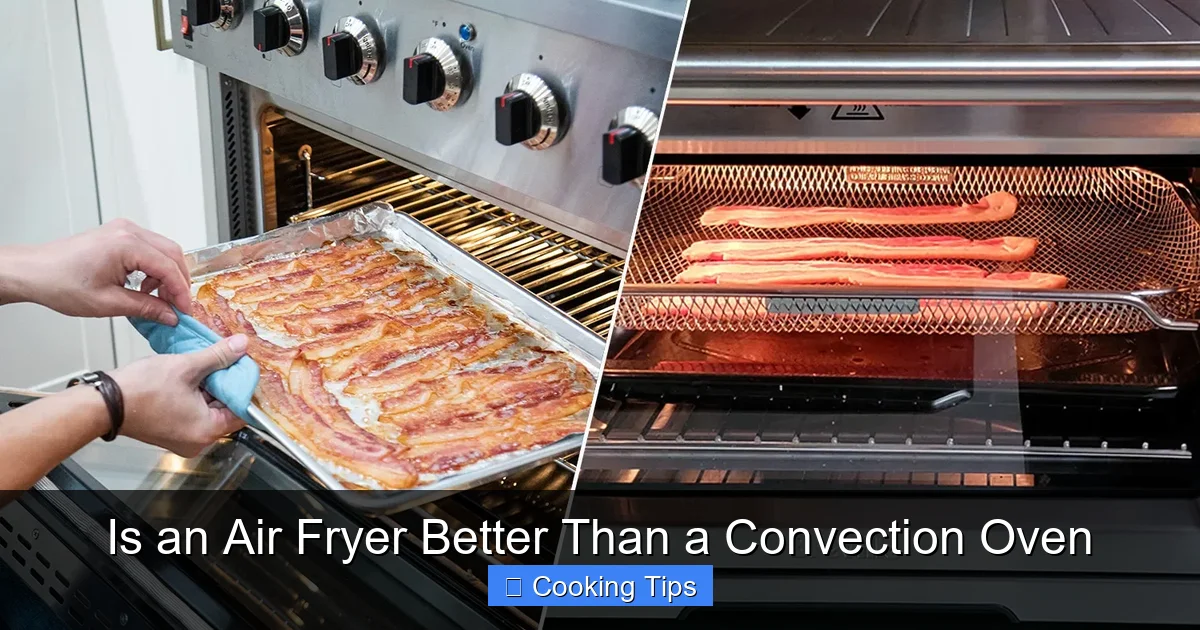
Visual guide about Is an Air Fryer Better Than a Convection Oven
Image source: cdn.bestreviews.com
The core difference in how these appliances perform comes down to their design and how they circulate heat.
Air Fryer’s Crisping Power
Air fryers are engineered for maximum crispiness. Their small, enclosed space combined with a powerful, high-speed fan forces hot air to blast the food from all sides. This intense circulation creates a dehydrated outer layer, leading to that satisfying crunch.
* Best for: French fries, chicken wings, onion rings, roasted vegetables (like broccoli or Brussels sprouts), and reheating leftovers to restore crispiness.
* Examples: Imagine perfectly crisp sweet potato fries or golden brown chicken tenders. The air fryer delivers this with just a tablespoon of oil, or sometimes none at all. It’s also fantastic for making chicken nuggets from scratch or reheating yesterday’s fried chicken.
Convection Oven’s All-Around Capability
While convection ovens also use a fan to circulate air, their larger size and more diffused airflow mean they are not as intensely focused on crisping as an air fryer. However, this also makes them more versatile.
* Best for: Roasting larger cuts of meat, baking multiple batches of cookies or muffins, broiling, and cooking dishes where even cooking is more important than extreme crispiness.
* Examples: A convection oven can roast a whole chicken beautifully, bake a batch of biscuits evenly, or cook a large roast. The fan ensures that hot spots are minimized, leading to more uniform results across the entire oven.
Key Differences Explained

Visual guide about Is an Air Fryer Better Than a Convection Oven
Image source: i.pinimg.com
Let’s break down the specific aspects where these two appliances diverge significantly.
Size and Capacity
* Air Fryer: Typically compact, designed for 1-4 servings. Some larger models exist, but their capacity is still limited compared to a full-sized oven. This makes them ideal for singles, couples, or small families who frequently make smaller meals or snacks. When considering a family of 6, you might need to look at larger air fryer models.
* Convection Oven: Ranges from countertop models that are larger than air fryers but smaller than a range, to full-sized ovens integrated into your kitchen. They can easily handle family-sized meals and batch cooking.
Speed and Preheat Time
* Air Fryer: Because of their small size and powerful fans, air fryers often preheat very quickly, sometimes in just 2-3 minutes. They also cook many items faster than a traditional oven due to the concentrated hot air.
* Convection Oven: Convection ovens preheat faster than traditional ovens (typically 10-15 minutes), but generally take longer to preheat than an air fryer. Cooking times can be shorter than a traditional oven, but may not always be as fast as an air fryer for small items.
Ease of Use and Controls
* Air Fryer: Generally very simple to operate. Most have digital or analog controls for temperature and time. Some come with presets for common foods. Learning how to operate an air fryer is typically straightforward. You can even pause cooking to check on your food with the pause function on many models.
* Convection Oven: Controls can vary from basic dials to sophisticated digital interfaces with multiple cooking modes. While generally user-friendly, there might be a slight learning curve for advanced features.
Cleaning
* Air Fryer: The basket and tray are usually dishwasher safe, making cleanup relatively easy. However, nooks and crannies can sometimes be difficult to scrub by hand if food gets stuck.
* **Convection Oven:** Requires cleaning like any oven. Racks can be removed for cleaning, and the interior can be wiped down. Self-cleaning features are common in higher-end models.
Oil Usage
* Air Fryer: The main selling point is its ability to achieve fried-like textures with very little oil. You might use a tablespoon or two for crisping fries or coating chicken wings.
* Convection Oven: While you can use less oil than in a traditional oven, you might still use more oil than in an air fryer, especially for roasting meats or vegetables where you want a richer coating.
Energy Efficiency
* Air Fryer: For small batches and quick cooking, air fryers are generally more energy-efficient than running a large oven. Their compact size means they heat up quickly and use less power overall for smaller tasks.
* Convection Oven: For larger meals or when cooking multiple items, a convection oven can be more energy-efficient than a traditional oven. However, for very small portions, it might use more energy than a dedicated air fryer.
When to Choose an Air Fryer
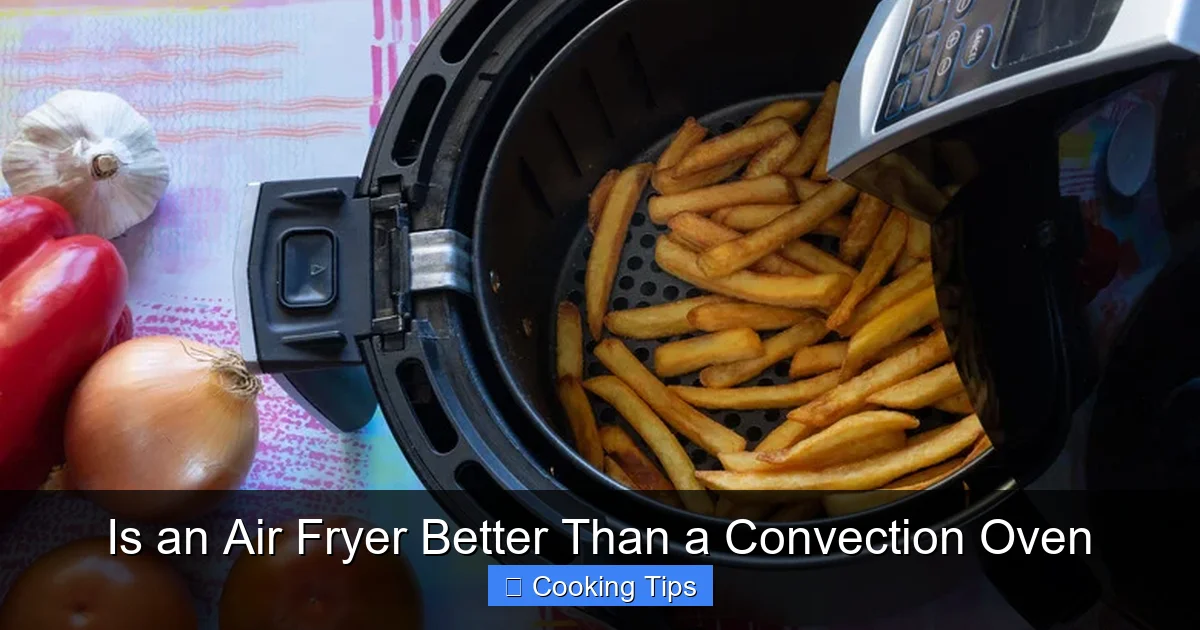
Visual guide about Is an Air Fryer Better Than a Convection Oven
Image source: thedailymeal.com
An air fryer shines in specific scenarios. If you find yourself frequently cooking these types of foods or needing these benefits, it’s likely a great addition to your kitchen.
Quick Snacks and Appetizers
* Craving crispy chicken wings, mozzarella sticks, or loaded potato skins? An air fryer delivers them with speed and perfection.
* Perfect for reheating pizza to bring back its crispiness without making the crust soggy.
Healthier “Fried” Foods
* Enjoy the taste and texture of fried foods like hamburgers, chicken tenders, or even crab cakes with significantly less fat and calories.
Small Portions for Individuals or Couples
* Cooking for one or two? An air fryer is perfect. You can cook a single serving of salmon or a couple of chicken breasts without heating up a large oven.
* Making simple sides like roasted vegetables can be done efficiently. It’s great for preparing vegetables for one or two people.
Restoring Crispiness to Leftovers
* Fried chicken, fries, or even pastries can be revived in an air fryer, regaining their crispiness much better than in a microwave or standard oven.
When to Choose a Convection Oven
A convection oven is the workhorse of the kitchen, capable of handling a vast array of culinary tasks.
Large Batch Cooking
* Feeding a family of 4 or more? A convection oven can handle larger quantities of food, from a whole roasted chicken to multiple racks of cookies. Its larger capacity is a significant advantage for family meals and entertaining.
* For example, you can roast a whole cornish hen or a larger pork roast.
Baking and Roasting with Precision
* While air fryers can bake some items, convection ovens are generally better for delicate baked goods like cakes and pastries, ensuring even browning and consistent texture.
* Roasting large cuts of meat benefits from the even heat distribution, preventing dry spots.
Multi-Tasking in the Kitchen
* If you need to bake a casserole while also roasting vegetables, a convection oven can often accommodate both due to its larger space.
When a Dedicated “Frying” Appliance Isn’t Necessary
* If you don’t prioritize the ultra-crispy texture that an air fryer provides for specific items, or if you’re happy with the results from your standard oven, a convection oven might be sufficient. Many people find their convection oven does a good enough job of crisping.
Can an Air Fryer Replace a Convection Oven?
Generally, no, an air fryer cannot completely replace a convection oven. Here’s why:
* **Capacity:** Air fryers are too small to handle family-sized meals or large baking projects.
* **Versatility:** While air fryers excel at crisping, they are not designed for the wide range of cooking methods a convection oven offers, such as delicate baking or broiling larger items.
* **Even Heat Distribution for Large Items:** For large roasts or whole poultry, a convection oven provides more even heat circulation throughout its larger space, which is crucial for proper cooking.
Can a Convection Oven Replace an Air Fryer?
Yes, in many cases, a convection oven can perform many of the functions of an air fryer, but with some trade-offs:
* **Crispiness:** A convection oven can achieve a good level of crispiness, but it might not be as intense or as fast as an air fryer, especially for smaller items. You may need to use slightly more oil or cook for a bit longer to achieve a similar texture.
* **Speed:** For small portions, the air fryer’s quick preheat and cooking times can be a significant advantage. A convection oven will take longer to heat up and cook small items.
* **Convenience:** The compact nature and ease of use of an air fryer make it incredibly convenient for quick snacks and small meals.
The Best of Both Worlds: Combining Appliances
For many home cooks, the ideal solution is to have both!
* Use your air fryer for quick snacks, crispy sides, and reheating leftovers.
* Use your convection oven for larger meals, baking, and when you need more capacity.
This allows you to leverage the unique strengths of each appliance. For example, you could air fry some frozen pizzas for a quick weeknight dinner while baking a side dish in the convection oven.
Troubleshooting Common Issues
Even with the best appliances, you might encounter a few hiccups.
My Air Fryer Food Isn’t Crispy Enough
* Overcrowding: Don’t fill the basket too full. Hot air needs to circulate around the food. Cook in batches if necessary.
* **Too Much Moisture:** Ensure food is as dry as possible before cooking. Patting down chicken or vegetables can help.
* **Incorrect Temperature/Time:** Consult recipes or experiment to find the optimal settings for your air fryer.
* **Not Enough Oil (for some items): While air fryers use less oil, a light coating can help with browning and crisping for items like potatoes or chicken.
My Convection Oven Food Is Burning on the Edges and Undercooked in the Middle
* Temperature Too High: Convection ovens often cook faster, so you might need to reduce the recipe temperature by 25°F (about 15°C).
* Fan Speed Too High: Some convection ovens have adjustable fan speeds. If it’s too high, it can dry out the edges too quickly.
* **Rack Placement:** Ensure food is not too close to the heating elements.
Making Your Decision
So, is an air fryer better than a convection oven? The answer is: it depends on your needs!
* **If your priority is achieving ultimate crispiness for snacks and smaller portions, and you value speed and convenience for quick meals, an air fryer is likely the better choice.** It’s an excellent addition if you already have a standard oven.
* **If you need an appliance for versatile cooking, baking, roasting large quantities, and handling family-sized meals, a convection oven is the more practical option.** Many modern ovens include a convection setting, offering the best of both worlds in a single appliance.
Consider your typical cooking habits, the size of your household, and the types of dishes you prepare most often. Many people find that owning both an air fryer and a convection oven provides the ultimate kitchen flexibility.
Conclusion
Both air fryers and convection ovens have carved out important spaces in modern kitchens. Air fryers are champions of crispiness and speed for smaller tasks, offering a healthier alternative to deep frying. Convection ovens, on the other hand, provide the versatility and capacity needed for more extensive cooking and baking projects.
Ultimately, neither appliance is definitively “better” than the other; they are different tools for different jobs. Understanding their unique strengths will empower you to make the best choice for your culinary goals, whether that means investing in a dedicated air fryer, opting for a feature-rich convection oven, or perhaps even enjoying the benefits of both in your kitchen. Happy cooking!