
If you love hearty, comforting meals but don’t want to spend hours in the kitchen, cooking beef stew meat in your air fryer is a game changer. Imagine tender, flavorful beef cooked quickly and easily, with less mess and no need to watch the pot.
You’re just a few simple steps away from creating a delicious dish that will impress your family and friends. Keep reading, and you’ll discover how to make the most of your air fryer to transform basic stew meat into a mouthwatering meal you’ll want to enjoy again and again.
Choosing The Right Beef Stew Meat
Chuck, round, and brisket are the best cuts for beef stew meat. These cuts have more connective tissue, which breaks down and becomes tender during cooking. This makes the stew meat soft and flavorful. Choose meat that looks bright red and feels firm to touch. Avoid meat with a grayish color or sticky texture. Look for some fat marbling inside the meat; it keeps the meat juicy. The pieces should be uniform in size to cook evenly in the air fryer.
Smaller pieces cook faster but may dry out. Larger chunks take longer but stay tender. Ask your butcher to cut the meat into 1-2 inch cubes for best results. Fresh meat usually tastes better than frozen, but frozen is fine if thawed properly. Proper meat selection is key to a delicious and tender beef stew.
Preparing Beef For The Air Fryer
Start by trimming off any excess fat from the beef stew meat. Fat can cause flare-ups and uneven cooking in the air fryer. Cut the meat into even-sized pieces so they cook at the same rate. Aim for chunks about 1 to 1.5 inches wide for best results.
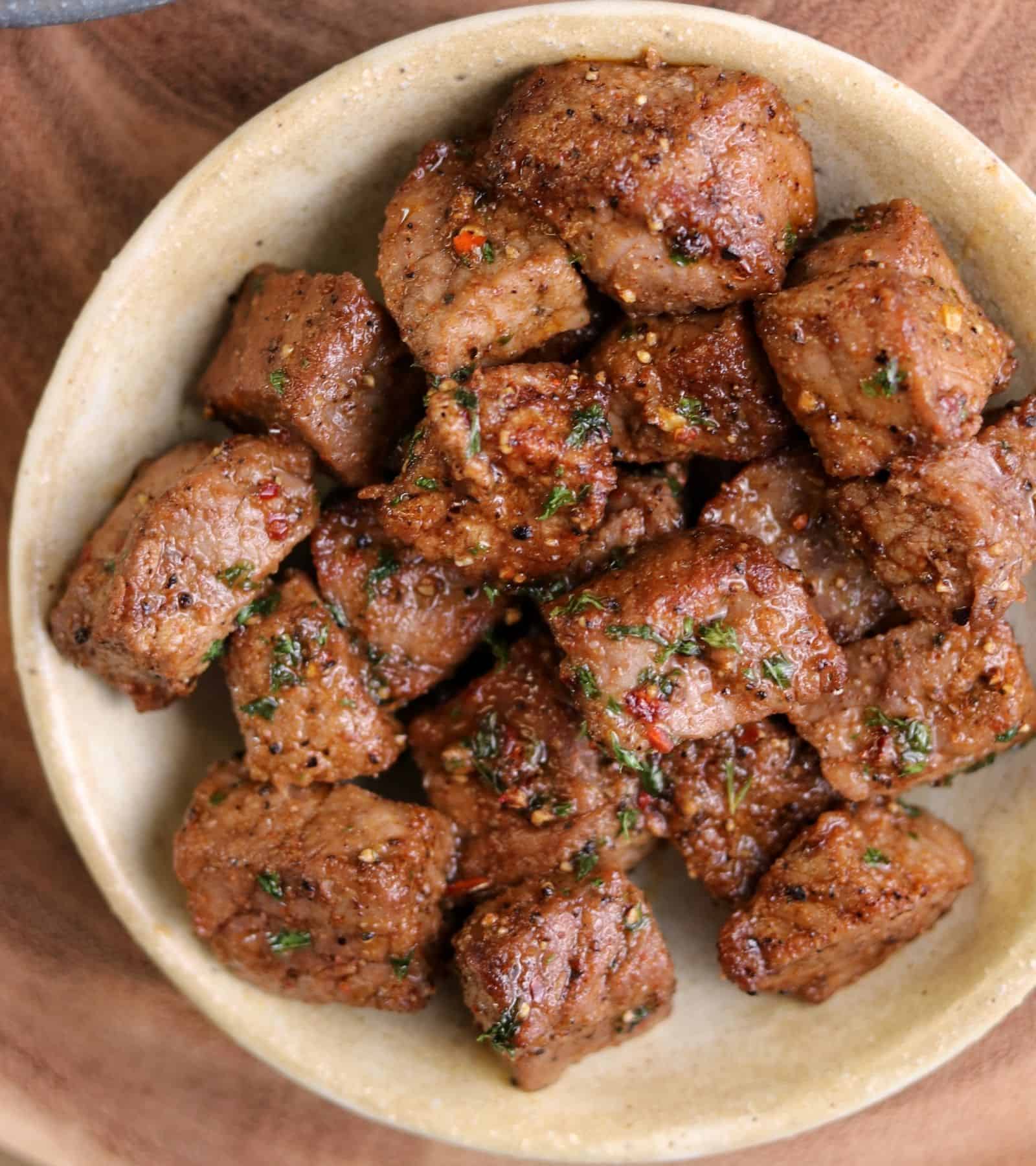
For seasoning, use simple spices like salt, pepper, garlic powder, and paprika. These bring out the natural flavor without overpowering the beef. Marinate the meat for at least 30 minutes. A mix of olive oil, soy sauce, and a splash of vinegar works well. This helps the meat stay juicy and tender during cooking.
Air Fryer Setup And Temperature
Set the air fryer to 350°F (175°C) for cooking beef stew meat. This temperature cooks the meat evenly and keeps it juicy. Preheat the air fryer for about 5 minutes before adding the meat. Preheating helps the air fryer reach the right heat fast.
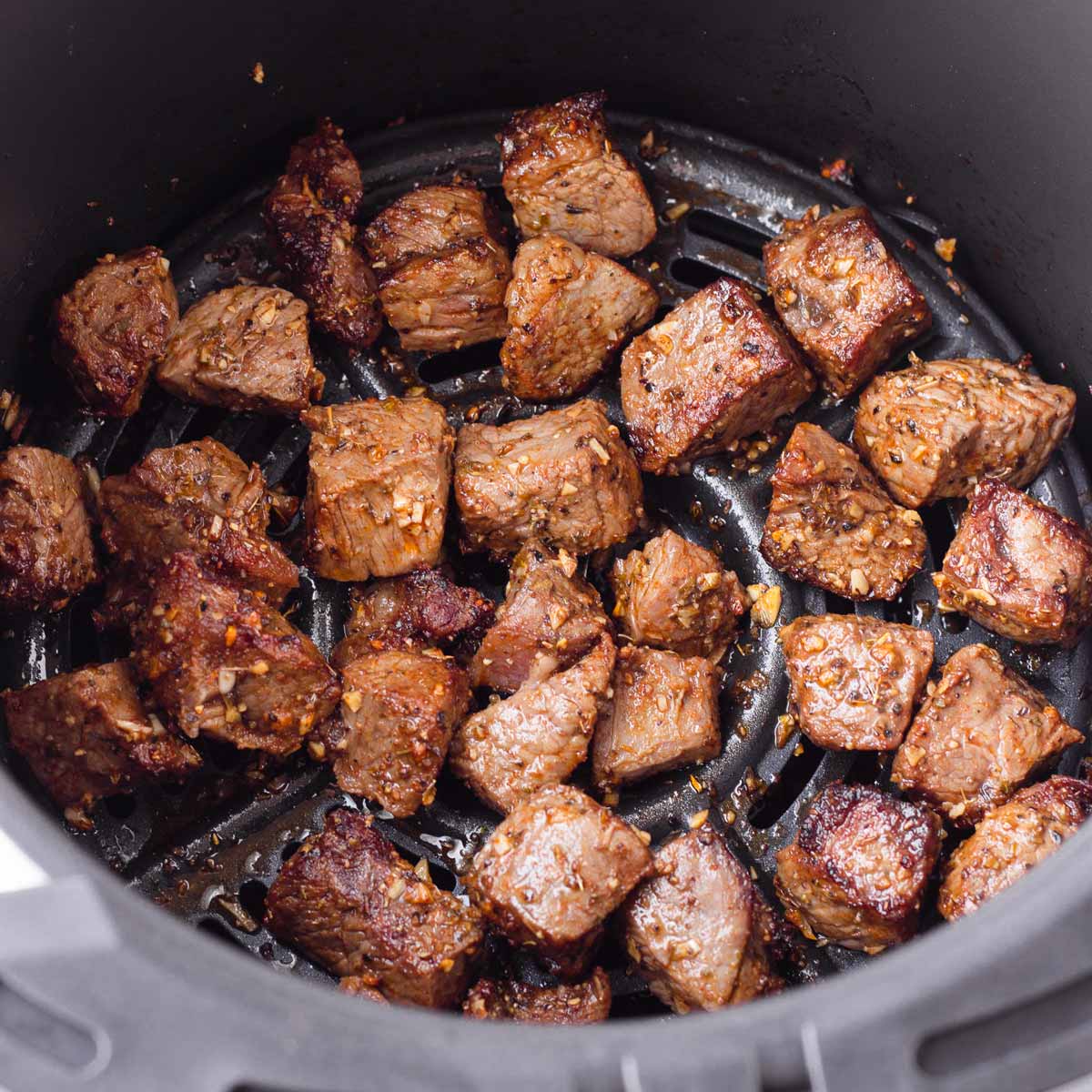
Place the beef stew meat in a single layer inside the air fryer basket. Avoid overcrowding to allow hot air to circulate well. This makes the meat cook better and get a nice brown color.
Cooking Steps For Tender Beef
Start by placing beef stew meat in the air fryer basket in a single layer. Set the timer for 10 minutes at 400°F (200°C). Halfway through, shake or turn the meat to cook evenly. This step helps the meat get a nice brown outside.
After 10 minutes, check the meat’s doneness. Use a fork to see if it is tender. If the meat feels tough, cook for 3-5 more minutes. Keep checking every few minutes to avoid overcooking.
Thicker pieces may need longer cooking time. For thinner pieces, reduce time slightly. Adjust the cooking time based on the size and thickness of your beef chunks. Cooking in batches can help if your air fryer is small.
Enhancing Flavor And Texture
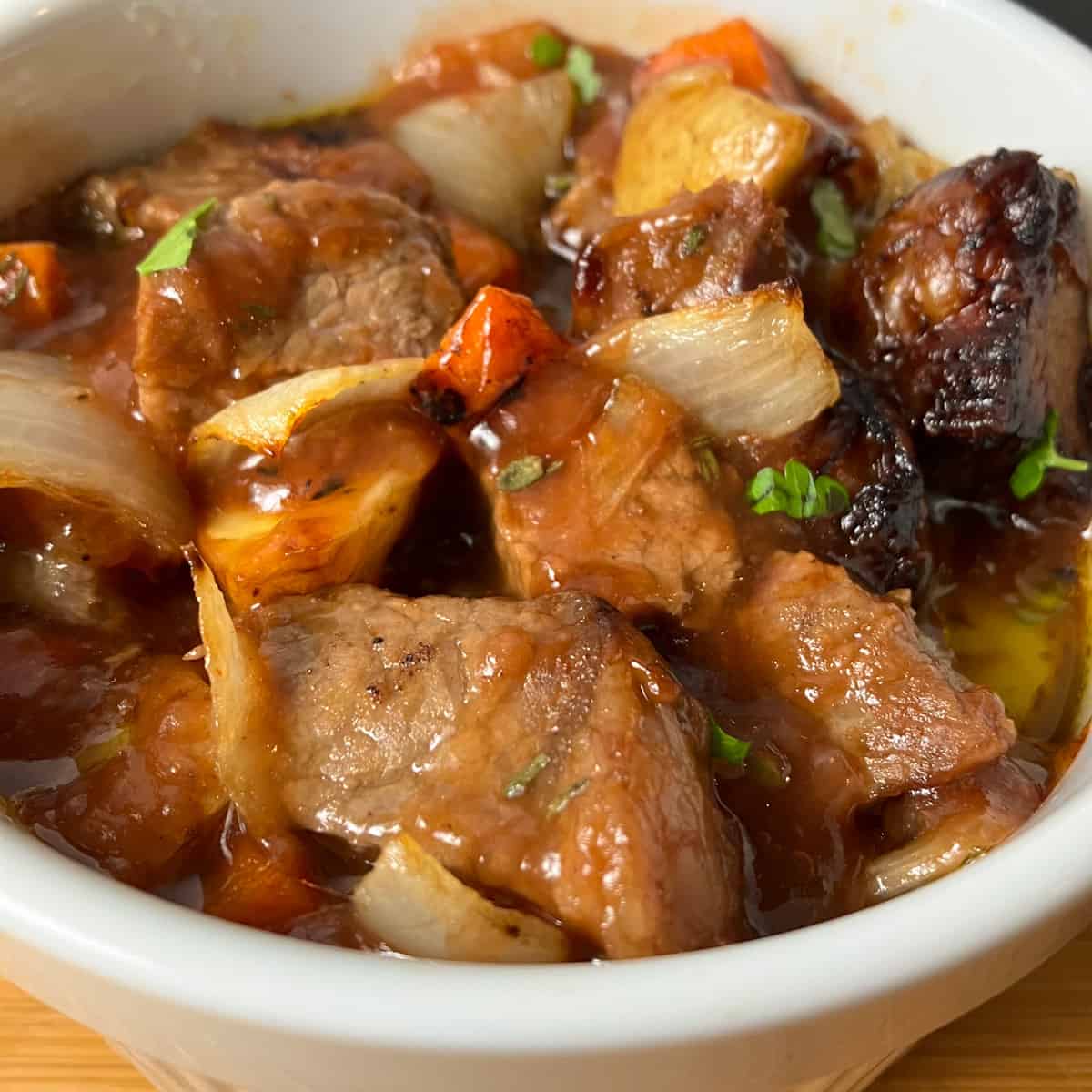
Adding vegetables like carrots, potatoes, and onions gives the stew more taste and texture. Cut them into small pieces so they cook evenly in the air fryer. This also helps the vegetables stay soft and absorb the meat’s flavor.
Using broth and sauces keeps the meat juicy and adds rich flavor. Pour a small amount of beef broth or a mix of broth and tomato sauce over the stew meat before cooking. This helps the air fryer create a tasty, tender dish without drying out the meat.
Credit: summeryule.com
Serving Suggestions
Roasted vegetables like carrots, potatoes, and green beans pair well with beef stew. They add color and a crunchy texture. Soft mashed potatoes or creamy polenta also work great. These sides soak up the tasty beef juices.
A simple green salad with a light dressing can balance the meal. Fresh bread or dinner rolls help scoop up the stew. Warm bread makes the meal feel cozy and complete.
For presentation, serve stew in deep bowls. Sprinkle fresh parsley or thyme on top. This adds a pop of green and fresh flavor. Use rustic plates or wooden boards for a homey look.
Arrange sides neatly around the stew bowl. Use small bowls for sauces or extra gravy. Keep the table clean and inviting for a nice meal feel.
Troubleshooting Common Issues
Dry beef stew meat often means it cooked too long or at too high heat. Keep the air fryer temperature around 320°F (160°C) for best results. Use a meat thermometer to check doneness. Resting the meat for a few minutes helps juices spread inside, making it moist and tender.
Undercooked meat feels tough and chewy. Cut pieces evenly for uniform cooking. Avoid overcrowding the basket to allow hot air circulation. Cook in batches if needed. Check meat with a thermometer; it should reach at least 145°F (63°C) for safety.
Credit: masonfit.com
Credit: cookingformysoul.com
Frequently Asked Questions
How Long To Cook Beef Stew Meat In Air Fryer?
Cook beef stew meat in the air fryer for 15-20 minutes. Use 400°F (200°C) for even cooking. Flip halfway to ensure all sides are browned and tender.
Can I Cook Frozen Beef Stew Meat In Air Fryer?
Yes, you can cook frozen beef stew meat in the air fryer. Increase cooking time by 5-7 minutes. Ensure the meat reaches an internal temperature of 145°F (63°C).
What Seasoning Works Best For Air Fryer Beef Stew Meat?
Use salt, pepper, garlic powder, and onion powder for seasoning. Add herbs like thyme or rosemary for extra flavor. Lightly coat meat before air frying.
Is Air Fryer Beef Stew Meat Tender And Juicy?
Air fryer beef stew meat can be tender and juicy. Avoid overcooking to retain moisture. Marinate meat beforehand for enhanced tenderness and flavor.
Conclusion
Cooking beef stew meat in an air fryer saves time and effort. The meat turns tender and juicy with a nice crust. You can enjoy a hearty meal without using a stove or oven. Just season well, set the right temperature, and let the air fryer do its job.
This method works well for quick dinners or meal prep. Try it today and enjoy a simple, tasty beef stew anytime. Easy, fast, and delicious—what more could you want?