
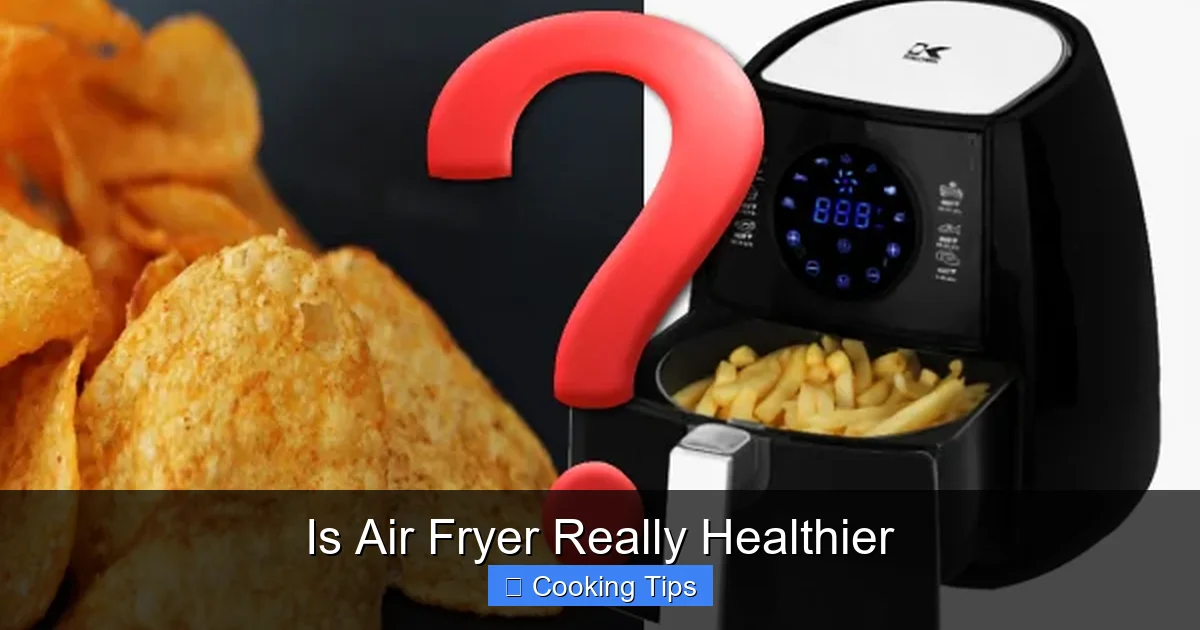
Air fryers use hot air to mimic deep frying, significantly reducing oil use. While generally healthier than traditional deep frying, the overall healthiness depends on what you cook and how much oil you use. This guide explores the benefits, comparisons, and practical tips for maximizing the health advantages of your air fryer.
The buzz around air fryers is undeniable. Many people are choosing them as their go-to kitchen appliance, touting them as a healthier alternative to traditional deep frying. But is this really true? Does an air fryer automatically make your favorite crispy foods a guilt-free indulgence? This comprehensive guide will dive deep into the question: Is an air fryer really healthier?
We’ll explore how these popular kitchen gadgets work, compare them to their greasy counterparts, and give you practical tips to make your air-fried meals as healthy as possible. By the end of this guide, you’ll have a clear understanding of the health benefits and potential drawbacks of air frying, empowering you to make informed decisions about your cooking.
Key Takeaways
- Air fryers reduce oil usage dramatically: They circulate hot air to create crispy textures, requiring significantly less oil compared to deep frying.
- Lower in fat and calories: By using less oil, air-fried foods are typically lower in unhealthy fats and overall calories.
- Preserves nutrients better than boiling: Compared to methods like boiling, air frying can help retain more of the vitamins and minerals in food.
- Acrylamide concerns are reduced: Air frying at lower temperatures than deep frying can help minimize the formation of acrylamide, a potentially harmful compound.
- Healthiness is relative: The health benefits depend on the foods cooked and the amount of oil or seasonings added.
- Not a magic bullet for weight loss: While healthier, moderation and balanced meals are still key for a healthy diet.
Understanding How Air Fryers Work
At its core, an air fryer is a countertop convection oven. It doesn’t actually “fry” food in the traditional sense of submerging it in hot oil. Instead, it uses a heating element and a powerful fan to circulate extremely hot air around the food at high speeds. This rapid circulation of hot air cooks the food and creates a crispy, browned exterior that mimics the texture of deep-fried items, but with a fraction of the oil.
Think of it like a super-powered, mini convection oven designed for speed and crispiness. The basket design and airflow ensure that heat reaches all surfaces of the food, leading to even cooking and that desirable crunch.
Air Fryer vs. Deep Frying: The Health Comparison
The primary reason air fryers are considered healthier is their drastically reduced need for oil. Let’s break down the key differences:

Visual guide about Is Air Fryer Really Healthier
Image source: airfryerparts.com
Oil Consumption
Deep frying requires submerging food in a large quantity of hot oil. This process allows the food to absorb a significant amount of fat. For instance, a serving of French fries deep-fried can absorb 10-20 grams of fat, sometimes more. In contrast, air frying typically requires only 1-2 teaspoons of oil for a similar batch of food. This significant reduction in oil directly translates to fewer calories and less unhealthy fat in your meal.
Fat and Calorie Content
Because of the reduced oil, air-fried foods are generally lower in fat and calories. For example, a serving of chicken wings that might contain over 300 calories and 20 grams of fat when deep-fried could be closer to 150-200 calories and 5-10 grams of fat when air-fried. This makes a noticeable difference, especially if you enjoy these types of foods regularly. This is a major win for those looking to manage their weight or improve their cardiovascular health.
Nutrient Retention
Different cooking methods impact nutrient retention differently. Boiling, for example, can leach water-soluble vitamins into the cooking liquid. Air frying, on the other hand, cooks food relatively quickly and without excessive moisture loss. While some nutrient loss is inevitable with any cooking method, air frying is often comparable to or better than methods like baking or roasting in preserving vitamins and minerals. Some studies suggest that air frying may even preserve certain antioxidants better than other methods.
Acrylamide Formation
A significant health concern associated with high-temperature cooking of starchy foods (like potatoes) is the formation of acrylamide. Acrylamide is a chemical that can form when starchy foods are fried, baked, or roasted at high temperatures. Studies have linked acrylamide to an increased risk of cancer. Deep frying, with its very high oil temperatures, can lead to higher levels of acrylamide. Air frying, often conducted at slightly lower temperatures and with less surface charring, can help reduce the formation of acrylamide. However, it’s still important to avoid overcooking or burning your food in the air fryer.
Are All Air-Fried Foods Automatically Healthy?
While the technology itself offers a healthier cooking method, it’s crucial to understand that an air fryer is a tool, not a magic wand. The healthiness of your air-fried meal ultimately depends on several factors:
Visual guide about Is Air Fryer Really Healthier
Image source: airfryerguide.com
1. The Food You’re Cooking
Cooking vegetables in an air fryer with a little bit of oil is undeniably healthy. However, air frying processed foods like frozen chicken nuggets, fries, or breaded items will still result in foods that are higher in sodium, unhealthy fats (from the breading), and preservatives, even if they are lower in fat than their deep-fried counterparts. The base ingredients matter. For instance, air frying fresh vegetables like broccoli or bell peppers is a fantastic way to boost your nutrient intake. You can even learn how to cook an eggplant in an air fryer for a delicious and healthy side dish.
2. The Amount of Oil Used
While the goal is to use minimal oil, some recipes still benefit from a light coating. The key is moderation. A tablespoon of olive oil or avocado oil sprayed or brushed onto your food is usually sufficient. Avoid the temptation to drench your food in oil, thinking it will make it crispier. A good quality cooking spray can be your best friend here.
3. Added Ingredients and Seasonings
Be mindful of what you add to your air-fried creations. Excessive salt, sugar-laden marinades, or heavy sauces can quickly turn a potentially healthy meal into an unhealthy one. Opt for herbs, spices, lemon juice, or vinegar for flavor instead of relying on high-sodium or high-sugar options. For example, while you can master how to cook a brat in an air fryer, consider healthier sausage options or pair it with a large serving of air-fried vegetables.
Tips for Healthier Air Frying
To truly leverage the health benefits of your air fryer, follow these practical tips:

Visual guide about Is Air Fryer Really Healthier
Image source: thehealthyhomeeconomist.com
H3: Start with Whole Foods
Prioritize cooking fresh ingredients like vegetables, lean proteins, and fruits. Air fryers excel at bringing out the natural flavors and textures of these foods.
H3: Embrace Vegetables
Air-fried vegetables are a revelation! Broccoli, cauliflower, asparagus, Brussels sprouts, and sweet potato fries become wonderfully tender on the inside and crispy on the outside. They are a fantastic alternative to traditional fried sides. You can even experiment with air fryer kale recipes for a crispy, nutritious snack.
H3: Choose Lean Proteins
Opt for lean cuts of meat and poultry. Chicken breast, fish, and pork tenderloin are excellent choices. For example, learning how to cook bone-in chicken breast in air fryer can result in juicy, flavorful chicken with less fat. You can also explore recipes like how to cook a marinated pork tenderloin in air fryer for tender and flavorful meals.
H3: Use Healthy Oils Sparingly
When you do use oil, choose healthy options like olive oil, avocado oil, or coconut oil. Use a spray bottle or a small brush to apply a thin, even layer. This ensures crispiness without excess fat.
H3: Don’t Overcrowd the Basket
This is a crucial tip for both cooking quality and health. Overcrowding prevents hot air from circulating properly, leading to uneven cooking and requiring longer cooking times, potentially increasing acrylamide formation in starchy foods. It also might tempt you to add more oil to compensate. Cook in batches if necessary.
H3: Be Mindful of Breading
If you’re breading food, opt for whole-wheat breadcrumbs, almond flour, or oat flour instead of refined white flour. You can also add herbs and spices to the breading for extra flavor without salt.
H3: Check for Added Sugars and Sodium
When buying pre-marinated meats or frozen items, always check the nutrition labels for hidden sugars and excessive sodium. Consider making your own marinades and spice rubs with fresh ingredients.
H3: Control Portion Sizes
Even healthier versions of traditionally indulgent foods should be enjoyed in moderation. An air fryer can make it easy to eat larger quantities of crispy foods, so be mindful of your portion sizes as part of a balanced diet.
When Air Fryers Might NOT Be the Healthiest Choice
It’s important to be realistic. Air frying is healthier than deep frying, but it’s not inherently the healthiest cooking method for all foods or all situations:
- Highly Processed Foods: As mentioned, air-frying frozen pizza or breaded items will improve them slightly compared to deep frying, but they remain processed foods with high levels of sodium and unhealthy additives.
- Boiling or Steaming: For delicate vegetables where you want to maximize nutrient retention of water-soluble vitamins, boiling or steaming can be healthier as they require no oil and preserve certain nutrients exceptionally well.
- Over-Reliance on “Fried” Textures: If your diet consists of a constant stream of air-fried versions of typically fried foods, you might still be missing out on the variety and nutritional benefits of other cooking methods and food types.
Troubleshooting Common Air Frying Issues
Even with the best intentions, you might run into a few snags. Here are some common issues and how to address them:
H3: Food Isn’t Crispy Enough
Cause: Not enough heat, overcrowding the basket, or not using enough oil.
Solution: Ensure your air fryer is preheated. Cook in smaller batches. Increase the temperature slightly or cook for a few more minutes. Use a light spray of oil.
H3: Food is Dry
Cause: Overcooking or cooking lean proteins for too long.
Solution: Use a meat thermometer to ensure accuracy. Reduce cooking time. For lean meats, consider marinating them first or brushing with a little healthy oil or sauce towards the end of cooking.
H3: Food is Burning on the Outside, Undercooked Inside
Cause: Temperature too high, or food pieces are too small/thin.
Solution: Reduce the air fryer temperature. Ensure food pieces are relatively uniform in size. Shake the basket halfway through cooking to ensure even exposure to hot air.
H3: Uneven Cooking
Cause: Overcrowding the basket or not shaking the basket.
Solution: Cook in batches. Shake the basket halfway through the cooking time, or stir the food. Arrange food in a single layer as much as possible.
Conclusion: So, Is an Air Fryer Really Healthier?
Yes, in comparison to deep frying, an air fryer is undeniably a healthier cooking appliance. Its ability to achieve crispy textures with a fraction of the oil significantly reduces fat and calorie intake, making your favorite “fried” foods a more guilt-free option. It can also help minimize the formation of harmful compounds like acrylamide.
However, the “healthiest” label is conditional. The true health benefits of an air fryer are realized when you:
- Prioritize cooking whole, unprocessed foods.
- Use minimal amounts of healthy oils.
- Are mindful of added ingredients like salt and sugar.
- Control portion sizes.
An air fryer is a fantastic tool to help you eat healthier, especially if you enjoy crispy textures but want to avoid the pitfalls of deep frying. By understanding how it works and employing smart cooking practices, you can make your air fryer a cornerstone of a delicious and nutritious diet. So go ahead, enjoy those crispy treats, knowing you’re making a healthier choice!