
When comparing air fryers and ovens for health, the air fryer generally comes out ahead. This is primarily due to its ability to create a crispy texture with significantly less oil. While ovens can achieve similar results, they often require more fat. We’ll delve into the science behind this, discuss nutrient retention, and offer practical tips for making healthier choices with both appliances.
Are you wondering if your shiny new air fryer is a healthier alternative to your trusty old oven? It’s a question many home cooks are asking as air fryers gain popularity. Both appliances have their place in the kitchen, but when it comes to health, there are some important differences to consider.
In this guide, we’ll break down the science and practicalities behind air frying versus oven cooking. You’ll learn how each method impacts the nutritional content of your food, how to maximize the health benefits of both, and when one might be a better choice than the other. Let’s dive in and uncover the healthier way to cook!
Key Takeaways
- Air Fryers Use Less Oil: The primary health advantage of air fryers is their need for minimal to no added oil to achieve a crispy, fried-like texture, drastically reducing fat and calories compared to traditional deep frying or even some oven-baked methods.
- Ovens Can Be Healthy Too: Traditional ovens can also cook food healthily. The key lies in the cooking method and the amount of fat used. Roasting and baking in an oven without excessive oil can be just as healthy.
- Nutrient Retention Varies: Both appliances can affect nutrient levels. Shorter cooking times and lower temperatures, often achievable in air fryers, can sometimes lead to better retention of certain water-soluble vitamins.
- Cooking Speed and Efficiency: Air fryers often cook food faster due to their compact size and rapid air circulation, potentially preserving more nutrients in some cases.
- Versatility Matters: While air fryers excel at “frying” and crisping, ovens offer broader versatility for baking, roasting large items, and cooking multiple dishes simultaneously. The healthier choice can depend on the recipe.
- Understanding the Technology: Air fryers are essentially small, powerful convection ovens. They work by circulating hot air rapidly around the food, mimicking the crisping effect of deep frying without submerging food in oil.
What Exactly is an Air Fryer?
Before we compare, it’s important to understand what an air fryer is. It’s not a fryer in the traditional sense, as it doesn’t use oil to submerge food. Instead, an air fryer is a compact, high-powered convection oven. It works by circulating extremely hot air at high speed around the food. This rapid air movement creates a crispy, browned exterior that mimics the texture of deep-fried food, but with significantly less oil.
The Health Benefits of Air Frying: Less Oil, Less Fat
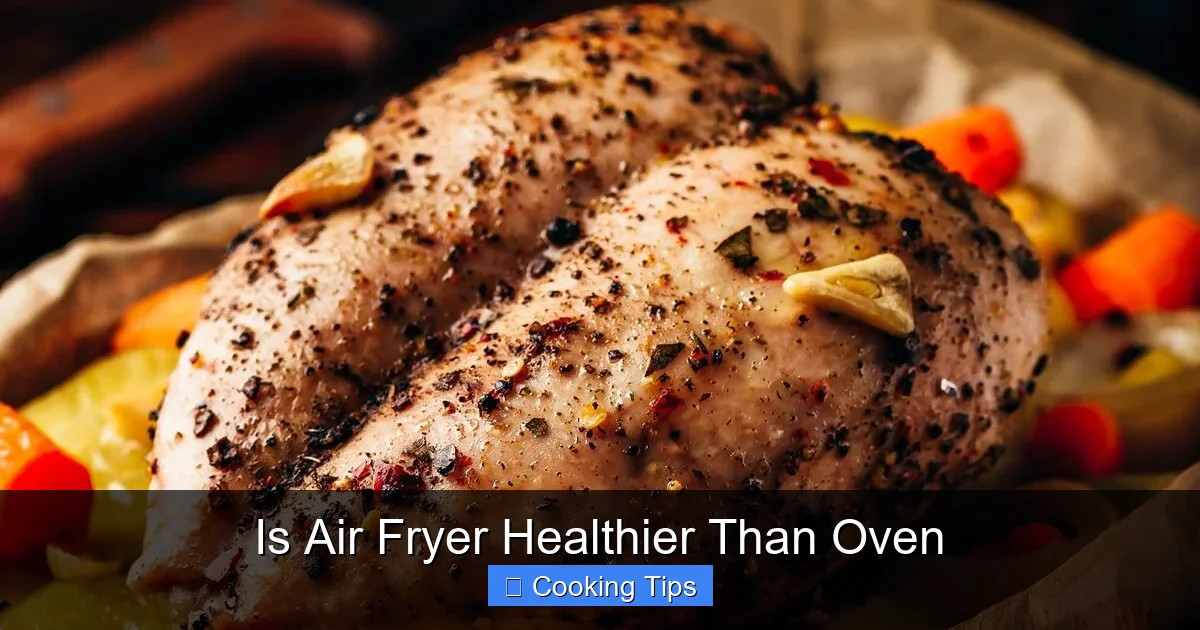
Visual guide about Is Air Fryer Healthier Than Oven
Image source: instantpoteats.com
The most significant health advantage of using an air fryer is its ability to reduce fat and calorie content in many dishes.
Reducing Fat Content
Traditional deep frying involves submerging food in a large amount of hot oil. This leads to a substantial absorption of fat into the food. Even baking in a conventional oven can sometimes require a good amount of oil or butter to achieve a desirable crispness or prevent sticking.
Air fryers, on the other hand, require only a small amount of oil, often just a teaspoon or two, to achieve a similar crispy texture. This is because the intense, circulating hot air does most of the work. For foods that are typically deep-fried, like french fries, chicken wings, or onion rings, switching to an air fryer can cut the fat content by as much as 70-80%. This can be a game-changer for individuals looking to manage their weight, reduce cholesterol, or simply adopt a healthier eating pattern.
Lower Calorie Counts
As a direct result of reduced fat content, foods cooked in an air fryer often have lower calorie counts. When you eliminate or drastically minimize the oil used in cooking, you’re effectively cutting out a significant source of calories. For example, a serving of homemade french fries cooked in an air fryer with a teaspoon of oil will be considerably lower in calories than the same serving deep-fried or even baked with a generous coating of oil.
How Ovens Contribute to Healthy Eating
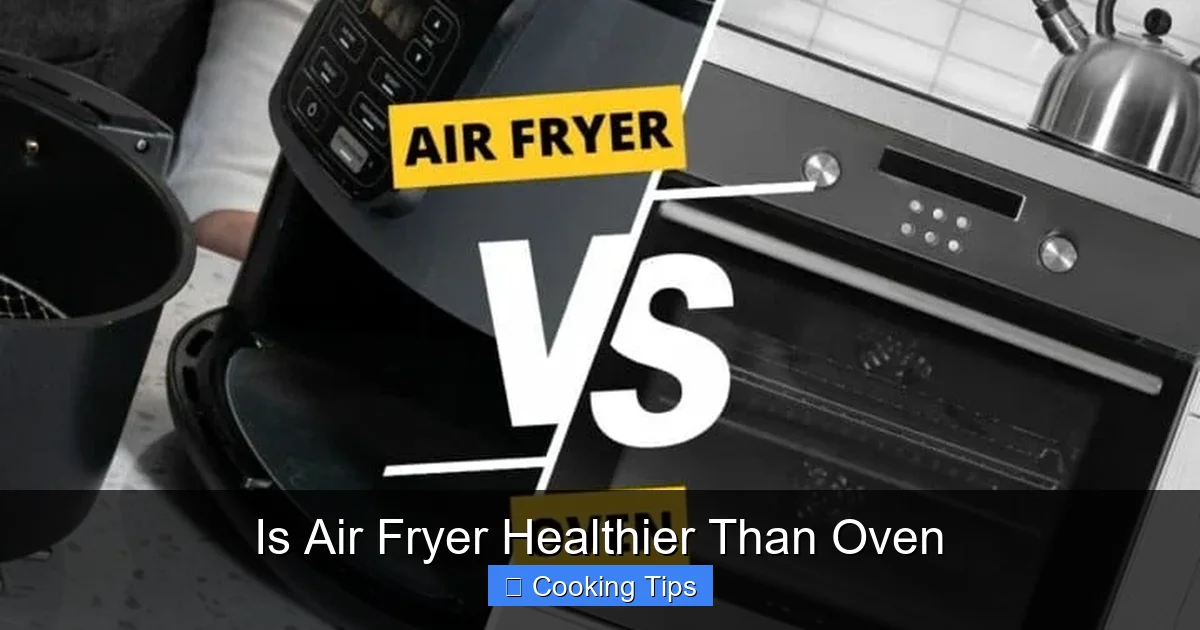
Visual guide about Is Air Fryer Healthier Than Oven
Image source: alsothecrumbsplease.com
It’s not fair to say ovens are inherently unhealthy. Traditional ovens are incredibly versatile and can be used to prepare very healthy meals.
Versatility in Healthy Cooking Methods
Ovens excel at a wide range of healthy cooking methods:
* Roasting: This method uses dry heat to cook food, drawing out moisture and concentrating flavors. Roasting vegetables, lean meats, and poultry without excessive added fats can be incredibly healthy. Many recipes for roasts, like a delicious roast in the air fryer can be adapted for oven cooking with similar healthy outcomes.
* Baking: Baking is another dry-heat cooking method. It’s ideal for breads, cakes, and even savory dishes like casseroles or baked fish. When you bake fish or chicken breasts in the oven, a little olive oil is often all you need to prevent sticking and achieve a moist interior.
* Broiling: Using the broiler function in your oven can quickly cook and brown foods, similar to grilling. This is great for lean meats and vegetables.
The Role of Added Fats in Oven Cooking
The healthiness of oven-cooked food largely depends on how much fat you add. If a recipe calls for a lot of butter or oil, the calorie and fat content will increase. However, you can easily adapt many oven recipes to use less fat. Using parchment paper or silicone baking mats can help prevent sticking, reducing the need for added fats.
Comparing Nutrient Retention: Air Fryer vs. Oven
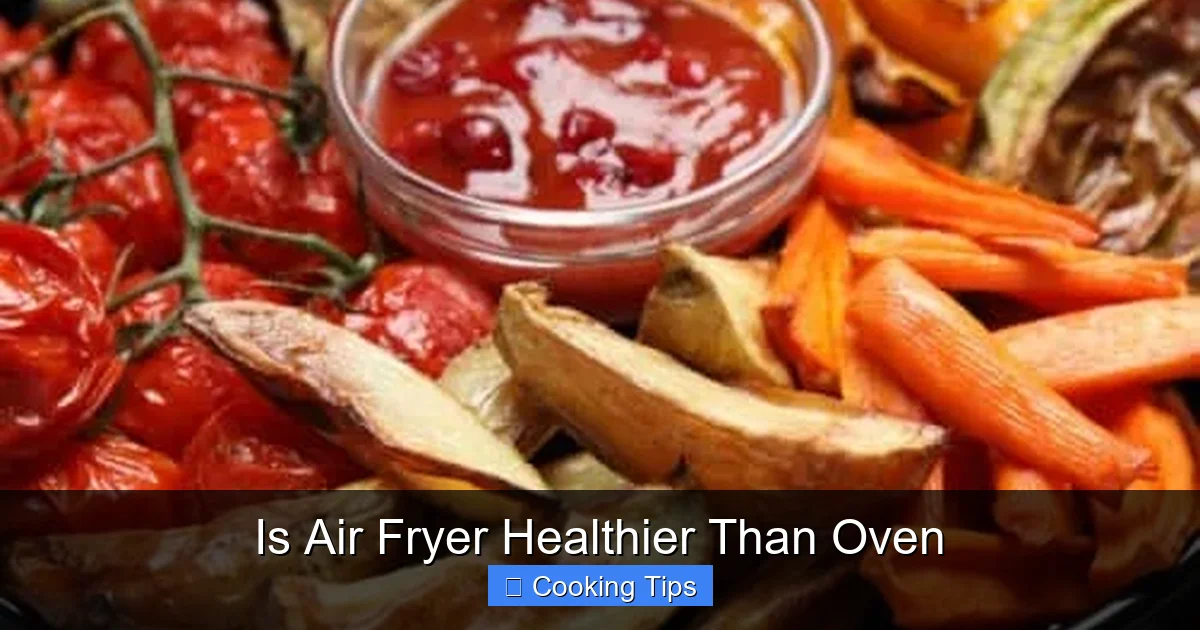
Visual guide about Is Air Fryer Healthier Than Oven
Image source: alsothecrumbsplease.com
The way food is cooked can impact its nutritional value. Both air fryers and ovens have their strengths and weaknesses when it comes to preserving nutrients.
The Impact of Cooking Time and Temperature
Generally, shorter cooking times and lower temperatures help preserve more nutrients, especially water-soluble vitamins like Vitamin C and B vitamins.
* Air Fryers: Due to their rapid air circulation and compact size, air fryers often cook food faster than conventional ovens. This quicker cooking time can be beneficial for retaining heat-sensitive nutrients. For instance, cooking vegetables in an air fryer for a shorter period might help them retain more of their Vitamin C content compared to longer oven baking times.
* Ovens: Conventional ovens, especially larger ones, can take longer to preheat and cook food. This prolonged exposure to heat can lead to greater nutrient degradation, particularly for vitamins that are sensitive to heat and water. However, this isn’t always the case, and precise temperature control in an oven can also be advantageous.
Specific Nutrient Considerations
* **Vitamins:** Water-soluble vitamins (B vitamins, Vitamin C) are more susceptible to loss during cooking. Foods cooked quickly in an air fryer might show slightly better retention of these vitamins. Fat-soluble vitamins (A, D, E, K) are generally more stable.
* **Minerals:** Minerals are quite stable during cooking and are less affected by heat. However, some minerals can leach into cooking liquids, so methods that use less liquid, like air frying, might offer a slight advantage.
* **Antioxidants:** Some studies suggest that certain cooking methods can even enhance the bioavailability of antioxidants. The browning effect achieved by air frying might contribute to this.
It’s important to note that the differences in nutrient retention between a well-used air fryer and a well-used oven are often subtle and may not be significantly noticeable in a balanced diet. The overall quality of the ingredients and the variety of foods you consume are far more impactful on your health.
When is an Air Fryer Healthier?
An air fryer is almost always healthier than deep frying. It also offers a healthier alternative for foods that traditionally require a lot of oil for crisping, such as:
* French Fries: Homemade or frozen, air-fried fries are a classic example of a healthier indulgence. You can achieve a satisfying crisp with just a light mist of oil.
* Chicken Wings: Forget submerging them in oil. Air-fried wings get delightfully crispy with minimal fat. If you’re looking to make a healthier batch, check out guides on how to cook boneless chicken wings in air fryer.
* **Fried Chicken: While it won’t have the exact same deep-fried texture, air-fried chicken can be surprisingly juicy and crispy.
* Breaded Foods: Think fish sticks, chicken tenders, or even homemade breaded items. The air fryer creates that desirable crunch without the greasy residue. Learning to cook items like crab cakes or brats in an air fryer can significantly cut down on the need for oil.
Essentially, if your goal is to achieve a crispy, “fried” texture with the least amount of added fat, the air fryer is your winner.
When is an Oven Healthier or More Practical?
Ovens shine in situations where an air fryer might be less ideal or less efficient.
Cooking for Larger Crowds
Air fryers typically have a smaller capacity than ovens. If you’re cooking for a family of four or more, or hosting a dinner party, you’ll likely need to cook in batches using an air fryer, which can be time-consuming. A conventional oven can often accommodate larger portions or multiple dishes at once, making it more practical for larger meals. For instance, roasting a whole chicken or preparing a large roast is best done in a standard oven.
Baking and Delicate Cooking
While some air fryers have baking functions, ovens are still the superior appliance for most baking tasks. Achieving a perfectly risen cake, bread, or delicate pastry often requires the consistent, enveloping heat of a traditional oven. Similarly, recipes that rely on slow, low-and-
Specific Recipe Requirements
Some foods are simply better suited to oven cooking. Moist dishes like stews, braises, or certain casseroles benefit from the contained environment of an oven. While you can make things like omelettes or eggs in an air fryer, a traditional oven might be preferred for larger batches or more complex egg dishes.
Maximizing Health Benefits with Both Appliances
Regardless of which appliance you choose, you can always make healthier choices.
Tips for Using Your Air Fryer Healthily:
1. Minimal Oil: Use an oil spray or brush on a tiny amount of oil. For many foods, the natural fats are enough.
2. Focus on Whole Foods: Air fry vegetables, lean proteins, and whole grains.
3. Avoid Overcrowding: Ensure air can circulate freely around the food for even cooking and crispiness, which reduces the need for excess oil.
4. Experiment with Spices: Use herbs and spices to add flavor instead of relying on fatty sauces or marinades.
Tips for Using Your Oven Healthily:
1. Roast Vegetables: Toss veggies with a little olive oil, herbs, and spices and roast until tender and slightly caramelized.
2. Bake Lean Proteins: Chicken breast, fish fillets, and lean pork tenderloins bake beautifully with minimal fat. Consider recipes for marinated pork tenderloin in air fryer and adapt them for the oven.
3. Use Parchment Paper: This is your best friend for preventing sticking without needing extra oil.
4. Control Portion Sizes: Even healthy foods should be consumed in moderation.
5. Watch Sauces and Marinades: Opt for lighter, vinaigrette-based or broth-based sauces.
Troubleshooting Common Air Fryer vs. Oven Issues
* **Food Sticking:**
* *Air Fryer:* Ensure food is coated with a very light layer of oil, or use parchment paper liners designed for air fryers.
* *Oven:* Use parchment paper, silicone mats, or lightly grease your baking sheets.
* **Uneven Cooking:**
* *Air Fryer:* Do not overcrowd the basket. Shake the basket halfway through cooking for even browning.
* *Oven:* Rotate pans halfway through cooking, especially if your oven has hot spots.
* **Dry Food:**
* *Air Fryer:* Avoid overcooking. Check food for doneness earlier than you think. Some foods benefit from a small amount of liquid or moisture added back at the end.
* *Oven:* Use lower temperatures for longer periods or cover the food during part of the cooking time. For example, when learning how to cook bone-in chicken breast in air fryer, be mindful of not overcooking it.
Conclusion: They Both Have Their Place
So, is an air fryer healthier than an oven? In many common scenarios, **yes, an air fryer can be healthier, primarily because it drastically reduces the need for added oil to achieve crispy results.** This leads to lower fat and calorie counts for traditionally fried foods.
However, this doesn’t mean ovens are unhealthy. A conventional oven is a versatile tool that can be used to prepare incredibly healthy meals through methods like roasting and baking. The healthiness of oven-cooked food depends heavily on the cooking method and the amount of fat used.
Ultimately, both appliances can be part of a healthy diet. The best choice often depends on the specific dish you’re making, the number of people you’re serving, and your personal health goals. By understanding how each appliance works and employing smart cooking techniques, you can make delicious and nutritious meals with either your air fryer or your oven. The key is mindful cooking and a focus on whole, unprocessed ingredients.