
Worried about your air fryer? This guide dives into whether air fryers have radiation. We’ll explain how they work, the science behind them, and the safety standards they meet. Rest assured, air fryers are designed to be safe for home use, emitting negligible levels of radiation.
Is Air Fryer Has Radiation? Understanding Your Healthy Kitchen Appliance
Welcome to our comprehensive guide on air fryer radiation! Many home cooks are embracing air fryers for their ability to create crispy, delicious food with less oil. However, a common question that pops up is: “Is air fryer has radiation?” This is a valid concern, especially with so many different types of appliances in our kitchens today.
In this guide, we’ll demystify air fryer technology. We’ll explain exactly how these popular devices work, explore the science behind any potential emissions, and, most importantly, provide clear answers about their safety. You’ll learn what kind of “radiation” you might encounter and why it’s not a cause for concern. By the end of this article, you’ll have a thorough understanding of air fryer safety and can continue enjoying your favorite air-fried treats with complete peace of mind.
Key Takeaways
- Air fryers use hot air circulation, not ionizing radiation. The cooking method mimics frying by circulating hot air at high speed to crisp food.
- They do not produce or emit harmful levels of radiation. The electromagnetic waves used are non-ionizing and similar to those from other kitchen appliances.
- Radiation from air fryers is well within safety limits. Regulatory bodies have strict standards for appliance emissions, and air fryers comply with these.
- The primary heat source is electrical resistance. A heating element and a fan create the hot air that cooks food, with no radioactive processes involved.
- Any emitted electromagnetic fields are very low. These are comparable to other everyday appliances and pose no health risk.
- Proper use and maintenance ensure safety. Keeping your air fryer clean and following manufacturer guidelines prevents potential issues.
How Does an Air Fryer Actually Work?
Before we dive into radiation, let’s understand the core technology of an air fryer. It’s not magic; it’s clever engineering designed to replicate the results of deep frying using a healthier method.
The Heating Element
The heart of an air fryer is its heating element. This is typically a coil, similar to what you find in a toaster oven or an electric oven. When you plug in your air fryer and set a temperature, electricity flows through this element, causing it to heat up intensely. This is a simple process of electrical resistance producing heat.
The Fan
The real star of the show is the fan. Located usually at the top of the appliance, this powerful fan circulates the superheated air at a very high speed. Think of it like a miniature convection oven. This rapid circulation of hot air is what “fries” your food, creating that desirable crispy exterior and evenly cooked interior. The hot air envelops the food from all sides, much like hot oil would in a deep fryer, but without the excessive grease.
The Cooking Basket
The food sits in a perforated basket or tray. The perforations allow the hot air to circulate freely around the food, ensuring every surface gets exposed to the heat. This efficient circulation is key to achieving crispy results.
The Process in Action
When you place food in the basket and turn on the air fryer:
- The heating element gets very hot.
- The fan begins to spin, pushing the hot air down and around the food.
- The hot air cooks the food and helps to evaporate moisture from the surface, leading to crispiness.
- The continuous circulation ensures even cooking, reducing the need to constantly flip or stir your food, though some recipes might suggest it for optimal results.
This entire process relies on heat and airflow. It’s a physical process, not a chemical or radioactive one that generates harmful emissions.
Understanding Radiation: What It Is and What It Isn’t
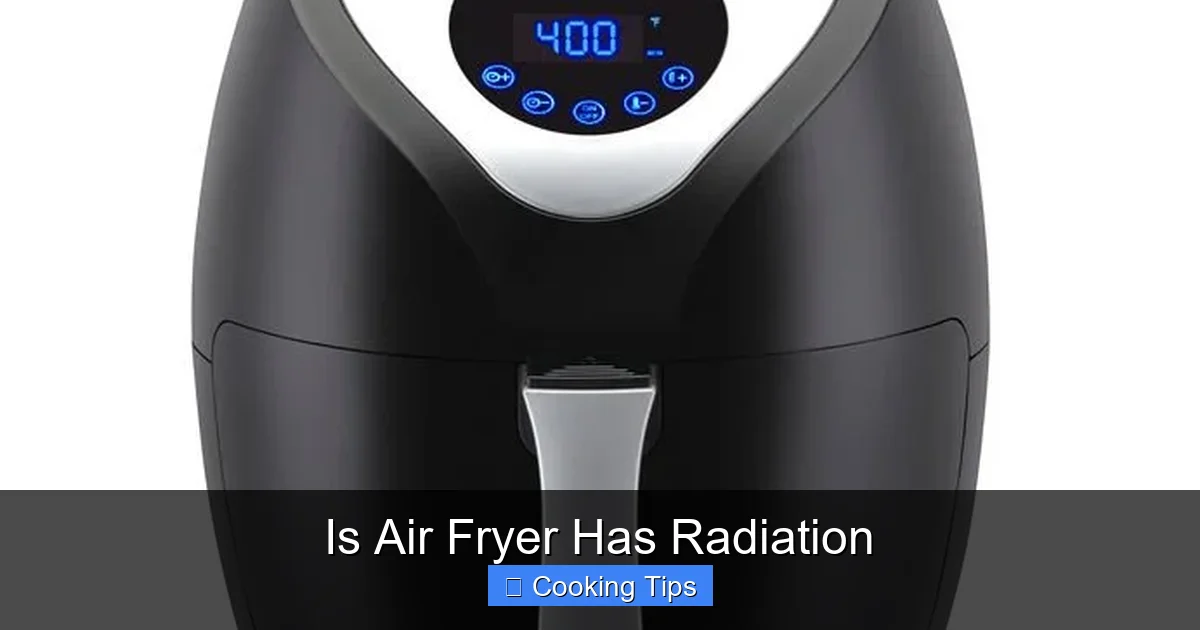
Visual guide about Is Air Fryer Has Radiation
Image source: emfempowerment.com
The term “radiation” can sometimes sound scary, but it’s a broad term that encompasses many different types of energy. It’s crucial to differentiate between the types of radiation and their potential effects.
Ionizing vs. Non-Ionizing Radiation
This is the most important distinction when discussing appliance safety.
Ionizing Radiation
This is the type of radiation that can be harmful. It has enough energy to remove electrons from atoms and molecules, which can damage DNA and increase the risk of cancer. Examples of ionizing radiation include X-rays, gamma rays, and ultraviolet (UV) radiation from the sun. Appliances like microwave ovens emit a very specific type of electromagnetic radiation, but they are designed to contain it and comply with strict safety standards.
Non-Ionizing Radiation
This type of radiation does not have enough energy to remove electrons from atoms. It can heat up tissues, but it does not damage DNA. Examples include radio waves, microwaves (used in microwave ovens, but at a different frequency and power level than what’s relevant to air fryers), and visible light. The electromagnetic fields (EMF) generated by most household appliances fall into this category.
Electromagnetic Fields (EMF)
All electrical appliances generate some level of electromagnetic fields as a byproduct of their operation. These fields consist of electric and magnetic components that travel through space. The strength of these fields typically decreases rapidly with distance from the source. Most modern appliances, including air fryers, are designed to emit very low levels of EMF.
Do Air Fryers Emit Radiation? The Scientific Explanation
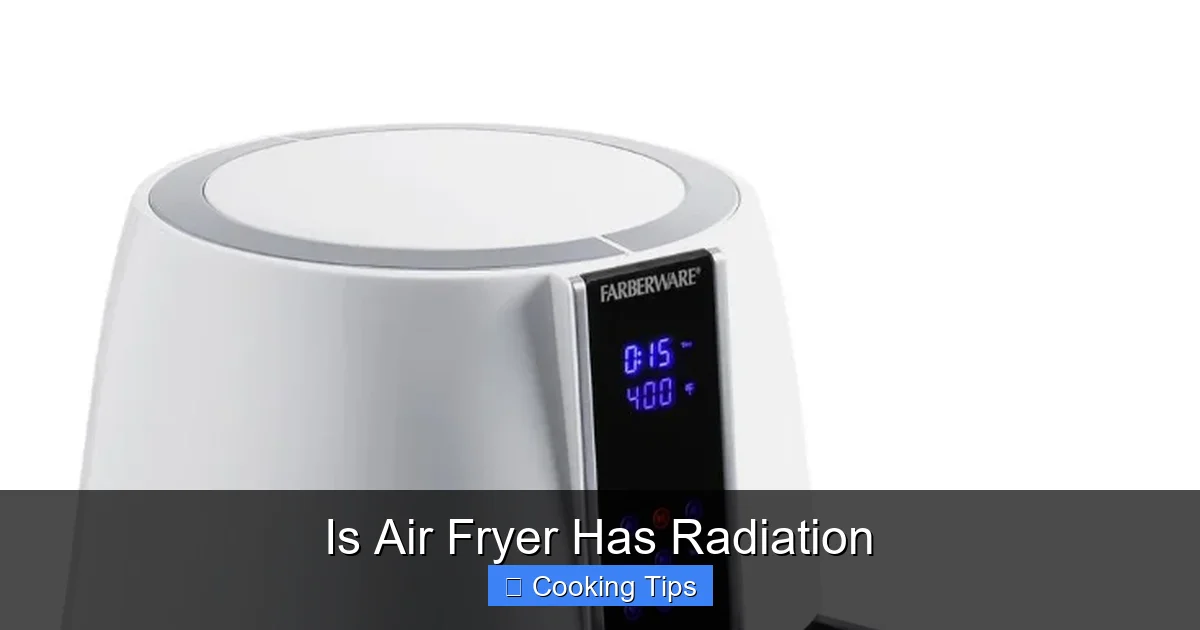
Visual guide about Is Air Fryer Has Radiation
Image source: emfempowerment.com
Now, let’s directly address the question: “Is air fryer has radiation?” The answer is technically yes, but it’s crucial to understand what kind and how much.
The Nature of Air Fryer Emissions
Air fryers, being electrical appliances, do produce electromagnetic fields (EMF). These are generated by the flow of electricity through the heating element and other internal components. However, these are **non-ionizing** electromagnetic fields. They are not X-rays or gamma rays.
The primary “emission” from an air fryer is hot air. The cooking process relies on circulating hot air. The electrical energy is converted into heat energy, which is then transferred to the air.
Comparing Air Fryers to Other Appliances
To put it into perspective, let’s consider other common kitchen appliances:
- Microwave ovens: These use microwave radiation to heat food. While they use a higher frequency of electromagnetic waves, they are designed with shielding to contain almost all of this radiation.
- Toasters and ovens: These also use heating elements and generate heat and low-level EMF, similar to air fryers.
- Hair dryers and blenders: These are motor-driven appliances that also produce EMF.
The EMF levels emitted by air fryers are generally comparable to or even lower than those produced by many other common household electrical devices.
Regulatory Standards and Safety
Appliance manufacturers are subject to strict regulations regarding the emissions they produce. In most countries, electrical appliances must meet specific safety standards to be sold. These standards limit the amount of EMF that can be emitted. Air fryers are designed and tested to comply with these regulations, ensuring they are safe for everyday use in your home.
Why Air Fryer Radiation is NOT a Concern

Visual guide about Is Air Fryer Has Radiation
Image source: emfknowhow.com
The primary reason why you don’t need to worry about “air fryer radiation” is the type and intensity of emissions.
Non-Ionizing EMF are Harmless
As discussed, the electromagnetic fields generated by air fryers are non-ionizing. They do not have the energy to alter the molecular structure of your food or your body’s cells in a way that causes harm. The primary interaction of these fields is with water molecules, which can cause them to vibrate and generate heat – but this is the *purpose* of the heating element, not a harmful side effect of radiation.
Low Intensity of EMF
Even though air fryers produce EMF, the intensity of these fields is very low, especially at typical distances from the appliance. EMF strength decreases significantly with distance. When you’re using your air fryer, you’re usually standing a short distance away, and the appliance itself is designed to minimize exposure.
No Known Health Risks from Typical Appliance EMF
Leading health organizations and scientific bodies have extensively studied the potential health effects of non-ionizing EMF from household appliances. The overwhelming consensus is that the low levels of EMF emitted by common appliances like air fryers do not pose a health risk to humans.
Focus on the Positive Aspects
Air fryers are a healthy cooking alternative. They allow you to achieve crispy textures with significantly less fat and oil compared to traditional deep frying. This reduction in unhealthy fats is a direct health benefit. Concerns about negligible radiation emissions should not overshadow these positive aspects. For instance, you can make healthier versions of popular dishes like pot pie or enjoy perfectly cooked boneless chicken wings.
How to Ensure Your Air Fryer is Safe
While air fryers are inherently safe regarding radiation, practicing good habits can ensure optimal performance and safety for any appliance.
Read the Manufacturer’s Manual
Every air fryer comes with an instruction manual. This document contains important information about safe operation, cleaning, and maintenance specific to your model. Always refer to it.
Proper Placement
Ensure your air fryer is placed on a stable, heat-resistant surface away from flammable materials. Allow adequate ventilation around the appliance as per the manufacturer’s instructions. This is crucial for preventing overheating, not for managing radiation.
Regular Cleaning
Keeping your air fryer clean is vital for its performance and safety. Food particles and grease buildup can cause smoke and potentially affect the appliance’s longevity. Clean the basket, tray, and interior as recommended by the manufacturer. For example, after cooking delicious bacon, ensure the grease is cleaned thoroughly.
Inspect for Damage
Periodically check the power cord, plug, and the appliance itself for any signs of damage. If you notice any issues, stop using the appliance and contact the manufacturer or a qualified repair service.
Avoid Overfilling
Do not overfill the air fryer basket. This can obstruct airflow, leading to uneven cooking and potentially stressing the motor or heating element. For larger meals, consider air fryer recipes designed for batches or larger appliances, such as a air fryer toaster oven.
Conclusion: Enjoy Your Air Fryer Without Worry
The question “Is air fryer has radiation?” can cause a moment of hesitation, but the science is clear. Air fryers are designed with safety as a top priority. They utilize hot air circulation and electrical resistance for heating, not harmful ionizing radiation. The electromagnetic fields they produce are non-ionizing, very low in intensity, and well within established safety limits set by regulatory bodies worldwide.
You can confidently use your air fryer to prepare a wide variety of delicious and healthier meals. From crispy fries and chicken wings to perfectly cooked steaks like porterhouse steak or even a simple hot dog, your air fryer is a safe and effective kitchen tool. Embrace the convenience and health benefits of air frying, knowing that your appliance is designed to operate safely in your home. Continue exploring new recipes and enjoying the crispy goodness your air fryer can deliver!