
Worried about your air fryer? This guide dives into whether air fryers are dangerous to your health. We’ll explore the science behind air frying and provide practical tips to ensure you’re using your appliance safely and healthily. Discover how to enjoy your favorite crispy foods without compromising your well-being.
# Is Air Fryer Dangerous to Health?
Air fryers have taken kitchens by storm, promising the crispy goodness of fried food with a fraction of the oil. But with any popular kitchen gadget, questions about its safety and health implications naturally arise. Are air fryers truly a healthier alternative, or do they pose hidden risks? This comprehensive guide will demystify the health aspects of air frying, helping you make informed decisions about your cooking habits. We’ll explore the science, address common concerns, and provide actionable tips to ensure your air fryer is a safe and beneficial addition to your kitchen.
Key Takeaways
- Air frying is generally safe and healthier than deep frying because it uses significantly less oil, reducing fat and calorie intake.
- Concerns about acrylamide, a potential carcinogen, are valid but can be minimized by adopting smart cooking practices.
- Proper air fryer maintenance, including regular cleaning, is crucial for both performance and health.
- Choosing the right cooking temperatures and times is key to avoiding the formation of harmful compounds.
- When used correctly, air fryers can be a fantastic tool for preparing delicious and healthier versions of traditionally fried foods.
- While no cooking method is entirely risk-free, air frying offers a compelling alternative to traditional frying with manageable risks.
[FEATURED_IMAGE_PLACEHOLDER]
Understanding How Air Fryers Work
Before we dive into the potential health concerns, it’s essential to understand the technology behind air fryers. An air fryer is essentially a compact, countertop convection oven. It works by circulating hot air around your food at high speeds. This rapid circulation of hot air mimics the effect of deep frying, creating a crispy exterior without submerging food in large amounts of oil.
The Role of Hot Air
The key to an air fryer’s effectiveness is its powerful fan and heating element. The appliance heats the air to a high temperature, and the fan then blasts this hot air around the food in the basket. This process leads to the Maillard reaction, the same chemical process that gives fried and roasted foods their browning and characteristic flavor.
Oil Usage: The Big Difference
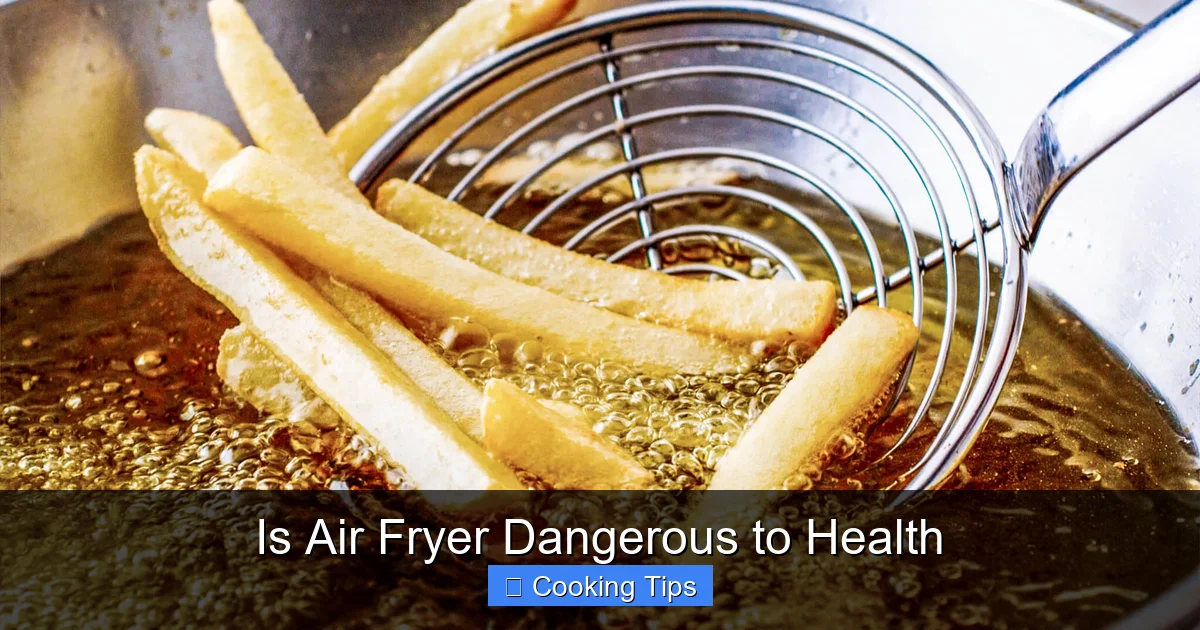
The most significant advantage of air frying from a health perspective is its reduced need for oil. While deep frying requires submerging food in hot oil, air frying typically uses just a tablespoon or even less of oil for a batch of food. This drastically cuts down on the fat and calories absorbed by the food, making it a more heart-healthy option.
Potential Health Concerns and Their Mitigation
Visual guide about Is Air Fryer Dangerous to Health
Image source: ktchnrebel.com
While air fryers offer many health benefits, like any cooking method, there are some potential concerns that deserve attention. The most frequently discussed concern relates to the formation of certain compounds when food is cooked at high temperatures.
Acrylamide: The Main Concern
Acrylamide is a chemical compound that can form in some starchy foods during high-temperature cooking processes like frying, roasting, and baking. It’s classified as a probable human carcinogen by the International Agency for Research on Cancer (IARC). The formation of acrylamide is primarily linked to the Maillard reaction and asparagine, an amino acid found in many starchy foods.
How Acrylamide Forms
When starchy foods like potatoes are cooked at temperatures above 120°C (248°F), especially when they are dry and cooked until golden brown or darker, acrylamide can form. The presence of sugars in the food also plays a role.
Minimizing Acrylamide in Air Frying
The good news is that even though air fryers operate at high temperatures, the risk of acrylamide formation can be significantly reduced with smart cooking practices:
* Soaking Potatoes: If you’re air frying potatoes, soaking them in water for 15-30 minutes before cooking can help reduce the asparagine content, thereby lowering potential acrylamide formation. Drain and pat them thoroughly dry before adding to the air fryer.
* Avoid Overcooking: Cook foods until they are golden brown, not dark brown or black. Overcooking, especially for starchy foods, can increase acrylamide levels. Keep a close eye on your food.
* Moderate Temperatures: While air fryers excel at high heat, using slightly lower temperatures where appropriate can still yield crispy results. For many foods, temperatures between 170°C and 200°C (340°F to 400°F) are effective.
* Don’t Overcrowd the Basket: Overcrowding can lead to uneven cooking and potentially longer cooking times at high heat, which could increase acrylamide formation. Ensure food is in a single layer for optimal results.
* Choose the Right Foods: Not all foods are equally prone to acrylamide formation. Vegetables and protein-rich foods cooked in the air fryer generally have a lower risk compared to starchy items. For instance, you can confidently cook artichokes or salmon without significant concern for acrylamide.
Other Potential Concerns
While acrylamide is the most cited concern, other aspects of air fryer use are worth noting:
Non-Stick Coatings
Many air fryer baskets come with non-stick coatings, often made with PFAS (per- and polyfluoroalkyl substances). While generally safe when intact, concerns arise if these coatings degrade or are scratched, potentially releasing harmful chemicals.
Mitigating Risks from Non-Stick Coatings
* Choose Quality Appliances: Opt for air fryers from reputable brands that use high-quality, durable non-stick coatings.
* Handle with Care: Avoid using metal utensils that can scratch the basket. Use silicone or wooden spatulas instead.
* Inspect Regularly: If you notice peeling, chipping, or significant wear on the non-stick coating, it might be time to replace the basket or consider a model with a stainless steel insert.
* Avoid Overheating an Empty Basket: Running an empty air fryer at very high temperatures for extended periods can potentially damage the coating.
Chemical Leaching from Plastic Components
Some older or cheaper air fryer models might contain plastic components that could potentially leach chemicals into the food, especially when exposed to high heat.
Ensuring Food Safety
* Look for BPA-Free Labels: When purchasing an air fryer, check for certifications like BPA-free, indicating safer plastic materials.
* Follow Manufacturer’s Instructions: Always use your air fryer according to the manufacturer’s guidelines regarding temperature and usage.
Benefits of Air Frying for Health
Visual guide about Is Air Fryer Dangerous to Health
Image source: thedailymeal.com
Despite the potential concerns, the benefits of air frying for health are substantial when compared to traditional frying methods.
Reduced Fat and Calorie Intake
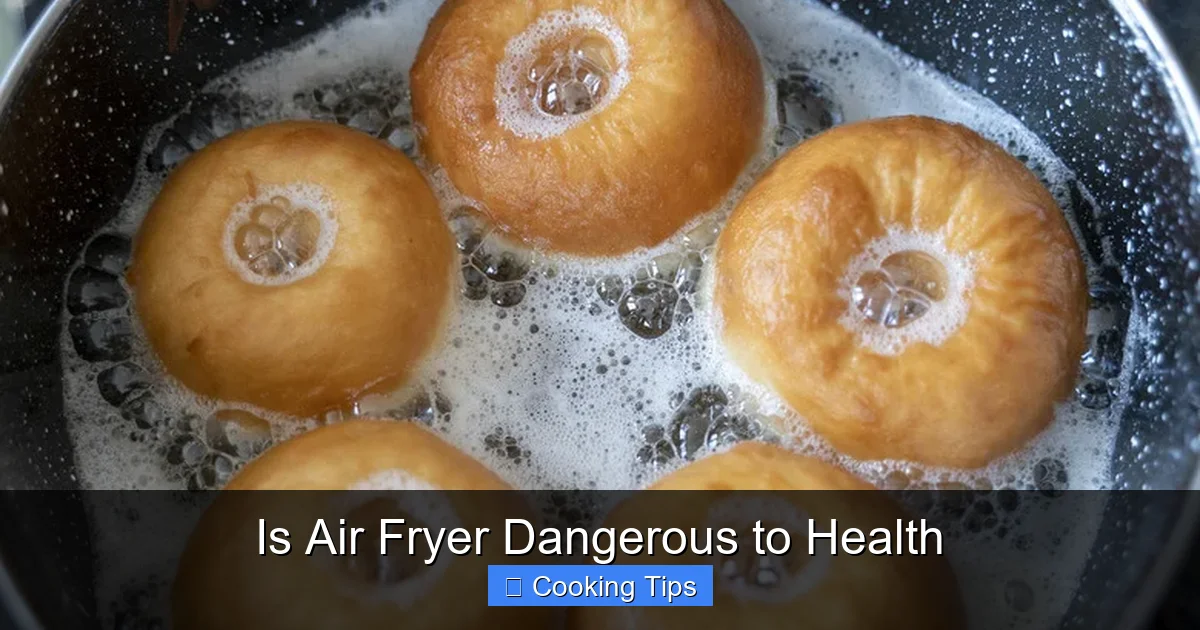
This is the most significant health advantage. By using hot air instead of large quantities of oil, air fryers dramatically reduce the fat and calorie content of your food. This can be particularly beneficial for individuals managing their weight, cholesterol levels, or overall cardiovascular health. For example, air-fried chicken wings are significantly lower in fat than their deep-fried counterparts.
Preservation of Nutrients
The shorter cooking times and lower oil usage in air fryers can help preserve more nutrients in your food compared to deep frying. Some vitamins, like water-soluble B vitamins and Vitamin C, can be lost when food is submerged in hot oil for extended periods.
Versatility for Healthier Cooking
Air fryers open up a world of possibilities for creating healthier versions of your favorite comfort foods. You can achieve a satisfying crunch on vegetables, meats, and even baked goods without the guilt associated with excessive oil. Imagine enjoying crispy waffle fries or perfectly cooked boneless chicken wings with minimal oil. This versatility encourages a more balanced diet.
Practical Tips for Safe and Healthy Air Frying
To maximize the health benefits and minimize any potential risks associated with air frying, follow these practical tips:
1. Follow Manufacturer Guidelines
Every air fryer is slightly different. Always read and adhere to the user manual for your specific model. This includes recommended cooking temperatures, times, and cleaning instructions. If you are unsure how to operate your appliance, consult guides like how to operate an air fryer.
2. Clean Your Air Fryer Regularly
A clean air fryer is essential for both hygiene and optimal performance. Food debris and oil residue can build up, leading to smoke, uneven cooking, and potential health hazards.
How to Clean Your Air Fryer
* Unplug and Cool Down: Always ensure the air fryer is unplugged and completely cool before cleaning.
* Remove the Basket and Drawer: Most air fryer baskets and drawers are removable. Wash them with warm, soapy water. For stubborn residue, you can use a non-abrasive sponge or a specialized air fryer cleaning brush.
* Wipe the Interior: Use a damp cloth to wipe down the inside of the air fryer, being careful not to wet the heating element.
* Clean the Exterior: Wipe the outside of the appliance with a damp cloth.
* Deep Cleaning: Periodically, you might need to address grease buildup. Some suggest placing a bit of water and vinegar in the basket and running the air fryer for a few minutes to loosen debris.
3. Use Appropriate Cooking Temperatures and Times
As discussed, moderating temperatures and avoiding overcooking are crucial for minimizing acrylamide. Experiment with recipes and adjust cooking times and temperatures as needed. Don’t be afraid to check your food halfway through cooking and shake the basket for even crisping. For delicious results with meats, consider resources like how to cook bone-in chicken breast in air fryer.
4. Don’t Overcrowd the Basket
This is a common mistake that compromises both cooking quality and potentially safety. When the basket is too full, hot air cannot circulate effectively. This leads to soggy food, longer cooking times, and increased chances of overheating certain areas. Cook in batches if necessary.
5. Preheating Your Air Fryer
Preheating your air fryer for a few minutes before adding food can help ensure more even cooking and crispier results. It brings the appliance to the desired temperature quickly, similar to preheating a conventional oven.
6. Use Minimal Oil, But Use It Wisely
While the point is less oil, a light coating can enhance crispiness and flavor. Use a mister or a brush to apply a small amount of healthy oil like olive oil or avocado oil. Avoid using cooking sprays that contain propellants, as they can damage the non-stick coating over time.
Troubleshooting Common Air Fryer Issues
Even with careful use, you might encounter minor issues. Here’s how to troubleshoot:
Smoke Coming From the Air Fryer
* Cause: Usually caused by food debris or oil residue built up in the bottom of the basket or on the heating element. It can also be due to overcrowding or cooking very fatty foods.
* Solution: Ensure your air fryer is clean. If cooking fatty foods like bacon (how to cook bacon in my ninja air fryer), consider placing a small piece of bread in the bottom of the basket to absorb excess grease. Do not overcrowd.
Food is Not Crispy
* Cause: Food is too wet, basket is overcrowded, temperature is too low, or cooking time is too short.
* Solution: Pat food dry before cooking. Cook in batches. Increase temperature slightly or cook for a few extra minutes. Ensure there’s space for air to circulate.
Uneven Cooking
* Cause: Overcrowded basket, not shaking the basket halfway through, or uneven placement of food.
* Solution: Cook in single layers and shake the basket or turn food halfway through the cooking cycle.
Conclusion: Air Fryers Are a Healthy Choice When Used Properly
So, “Is air fryer dangerous to health?” The answer, for the vast majority of users, is a resounding **no**, provided you use it correctly. Air fryers offer a fantastic way to enjoy crispy, delicious food with significantly less fat and calories than traditional deep frying. The concerns about acrylamide are real but manageable with simple, everyday cooking techniques. By understanding how your air fryer works, maintaining it properly, and adopting smart cooking habits, you can confidently use your air fryer to prepare healthier meals for yourself and your family.
Embrace the air fryer as a tool for healthier eating, not a magic bullet. It empowers you to make better food choices, and with a little care and attention, it’s a safe and valuable appliance for any modern kitchen.