
Worried about air fryer safety? This guide breaks down the health aspects of air frying. We’ll explore common concerns and provide practical tips to ensure you’re using your air fryer in the safest and healthiest way possible. Enjoy crispy food without the worry by understanding the science and adopting good practices.
Air fryers have taken kitchens by storm, promising crispy, delicious food with a fraction of the oil used in traditional deep frying. But as with any popular kitchen appliance, questions about its safety and impact on our health often arise. So, the big question on many minds is: Is air fryer dangerous for health?
In this comprehensive guide, we’ll dive deep into the health aspects of air frying. We’ll explore the science behind how air fryers work, address common concerns about potential health risks, and provide practical, actionable advice on how to use your air fryer safely and effectively to maximize its health benefits. Get ready to become an informed and confident air fryer user!
Key Takeaways
- Air fryers offer a healthier alternative to deep frying by using significantly less oil. This reduction in fat and calories can contribute to better health outcomes, especially for individuals managing weight or heart health.
- The primary health concern related to air frying is the potential formation of acrylamide. This compound can form in starchy foods when cooked at high temperatures, but this risk is also present in other cooking methods like baking and frying.
- Proper usage is key to minimizing health risks. This includes not overcrowding the basket, avoiding burnt food, and cleaning the appliance regularly to prevent the buildup of residue.
- Air fryers are generally safe when used correctly. The benefits of reduced fat intake often outweigh the potential risks associated with this cooking method.
- Many everyday foods can be cooked safely and healthily in an air fryer. From crispy fries to delicious chicken, you can enjoy favorite meals with less guilt.
Understanding How Air Fryers Work
Before we can assess the health implications, it’s important to understand the technology behind air fryers. Essentially, an air fryer is a powerful countertop convection oven. It works by circulating hot air around your food at high speed. This rapid circulation creates a “frying” effect, giving food a crispy exterior without submerging it in oil.
The Role of Hot Air
The key component is the heating element and a fan. The heating element at the top heats the air, and the fan blows this hot air around the food at a rapid pace. This process, often referred to as the Maillard reaction, is what gives fried food its desirable golden-brown color and crispy texture.
The Reduced Oil Factor
Compared to deep frying, where food is submerged in hot oil, air frying requires very little oil, often just a tablespoon or two, or sometimes none at all for certain foods. This dramatic reduction in oil is the primary reason air fryers are often touted as a healthier cooking method.
Common Health Concerns with Air Frying
While the reduced oil content is a definite plus, some potential health concerns have been raised regarding air frying. Let’s address them head-on.
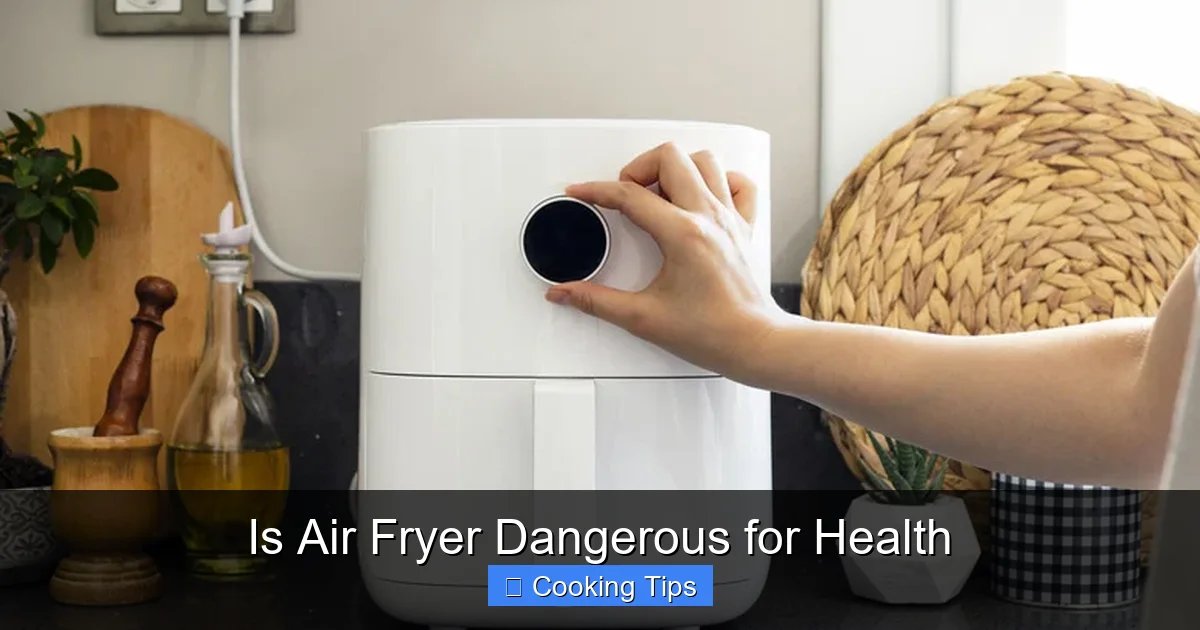
Visual guide about Is Air Fryer Dangerous for Health
Image source: foodrepublic.com
Acrylamide Formation: The Biggest Worry
One of the most frequently discussed concerns is the potential for acrylamide formation. Acrylamide is a chemical that can form in certain foods during high-temperature cooking processes, particularly those that are baked, roasted, fried, or grilled. It’s found in starchy foods like potatoes and bread.
What is Acrylamide?
Acrylamide is a byproduct of a chemical reaction between sugars and an amino acid (asparagine) that naturally occurs in foods. This reaction happens when foods are cooked at temperatures above 120°C (248°F).
Is it Specific to Air Fryers?
No, this is a critical point. Acrylamide formation is not unique to air fryers. It occurs in any cooking method that involves high heat and starchy foods, including conventional ovens, stovetop frying, and even toasting bread. In fact, some studies suggest that air frying might even produce *less* acrylamide than deep frying because it uses less oil and often cooks food more quickly at slightly lower temperatures than deep frying.
How to Minimize Acrylamide
The good news is that you can take steps to reduce acrylamide formation:
- Don’t overcook your food. Aim for golden brown, not dark brown or black. Burnt or heavily browned parts are where acrylamide is most concentrated.
- Soak potato slices before air frying. Soaking cut potatoes in water for 15-30 minutes can help wash away some of the sugars that contribute to acrylamide.
- Blanch potatoes before air frying. Boiling or steaming potatoes briefly before air frying can also reduce acrylamide.
- Cook at recommended temperatures. Stick to the recipes and manufacturer’s guidelines.
Potential for Toxic Fumes from Non-Stick Coatings
Some air fryers come with non-stick coatings, often PTFE (polytetrafluoroethylene), also known by the brand name Teflon. When these coatings are overheated, they can release fumes that can be harmful to humans and toxic to birds. This is a valid concern, but it’s important to understand when it’s likely to happen.
When Do Fumes Become a Problem?
PTFE coatings generally break down and release fumes at very high temperatures, typically well above 500°F (260°C). Most air fryers operate at temperatures well below this threshold, usually up to 400°F (200°C).
How to Ensure Safety
- Avoid overheating. Never preheat your air fryer empty for extended periods at the highest temperature setting.
- Ensure good ventilation. Always use your air fryer in a well-ventilated area, such as with a kitchen fan or open window. This is good practice for any cooking that produces heat or steam.
- Inspect the coating. If the non-stick coating on your air fryer basket or tray is scratched or peeling, it’s best to replace the accessory or consider a new air fryer. Damaged coatings are more likely to degrade.
- Opt for ceramic or stainless steel. If you’re concerned, look for air fryers with ceramic or stainless steel interiors, which do not pose this fume risk.
Concerns About BPA and Other Chemicals
Like many kitchen appliances, some air fryers may contain plastics that could potentially leach chemicals like BPA (Bisphenol A). BPA is a chemical that has raised health concerns, particularly regarding its potential to disrupt hormones.
What to Look For
Many manufacturers are now producing BPA-free appliances. When purchasing an air fryer, check the product description or look for labels indicating that it is BPA-free.
Material Matters
The parts of the air fryer that come into contact with food are typically the basket and tray. These are often made of metal with a non-stick coating. The exterior housing and internal components might contain plastics. Choosing models from reputable brands that are transparent about their materials is a good strategy.
The Health Benefits of Air Frying
Despite the potential concerns, the advantages of air frying for health are significant and often outweigh the risks when the appliance is used correctly.
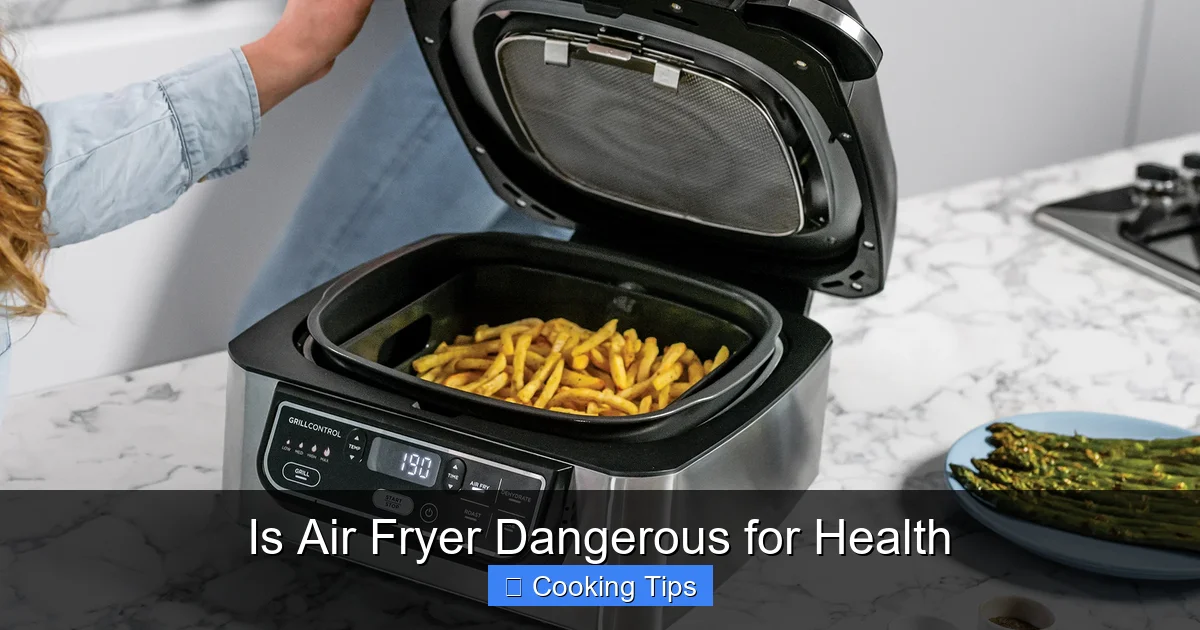
Visual guide about Is Air Fryer Dangerous for Health
Image source: loveincstatic.blob.core.windows.net
Reduced Fat and Calories
This is the most obvious and impactful benefit. By drastically cutting down on oil, air fryers help you reduce the fat and calorie content of your favorite foods. For example, air-fried french fries can contain up to 75% less fat than deep-fried fries. This makes them a fantastic option for:
- Weight management
- Heart health
- Those looking to reduce their overall fat intake
Preservation of Nutrients
Some research suggests that the shorter cooking times and lower temperatures used in air frying, compared to some other methods, can help preserve more nutrients in food. While more research is needed, it’s plausible that this method is gentler on delicate vitamins and minerals than prolonged high-heat cooking.
Versatility for Healthier Meals
Air fryers aren’t just for “fried” foods. They excel at roasting vegetables, cooking lean proteins like chicken breast, and even baking small items. This versatility encourages you to prepare a wider variety of healthy meals at home.
For instance, instead of relying on pre-packaged frozen snacks, you can prepare healthier versions of things like chicken wings or even cook a delicious crab cake. You can also experiment with recipes like air fryer kale chips or roasted vegetables, adding more fiber and vitamins to your diet.
Practical Tips for Safe and Healthy Air Frying
Now that we’ve addressed the concerns, let’s focus on how to use your air fryer to its full potential for health and safety.
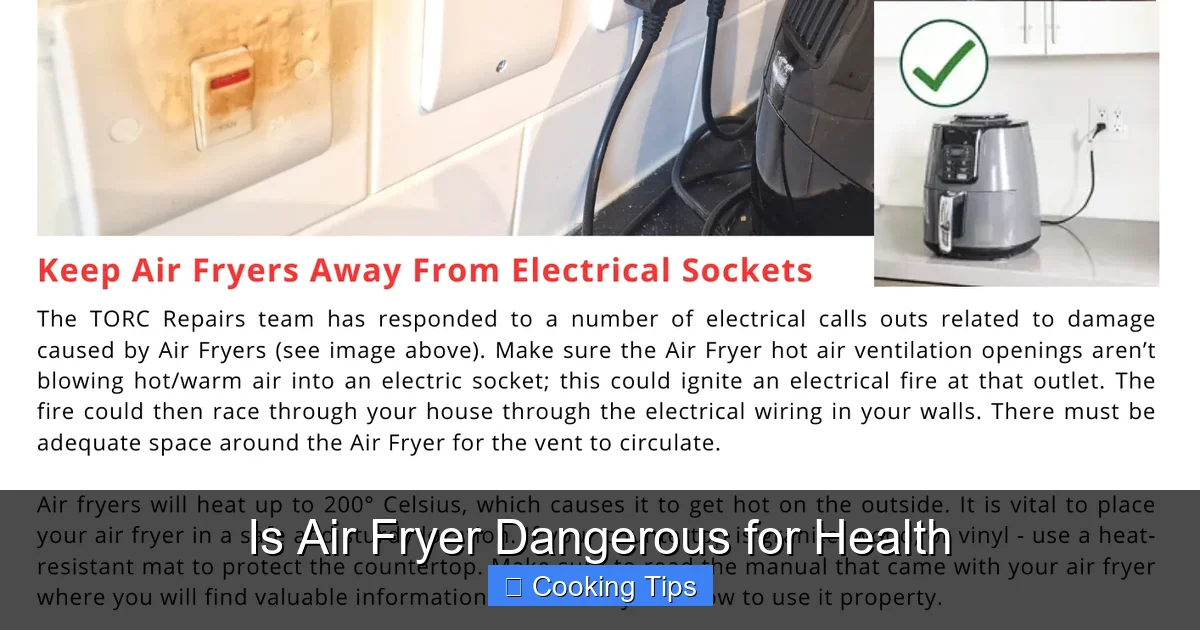
Visual guide about Is Air Fryer Dangerous for Health
Image source: torcsustainablehousing.ie
1. Don’t Overcrowd the Basket
This is one of the most common mistakes people make, and it directly impacts both the healthiness and the crispiness of your food.
Why it Matters
When the basket is too full, the hot air cannot circulate properly around the food. This leads to uneven cooking, making some parts soggy and others burnt. It also means you might need to cook for longer, increasing the risk of undesirable compounds forming.
How to Do It Right
Cook in batches if necessary. Arrange food in a single layer, ensuring there’s space between each piece for air to flow. For larger families, you might need to consider a larger air fryer, such as those designed for a family of 6.
2. Use a Little Oil, Wisely
While the point is to use less oil, a small amount can actually improve the texture and flavor, and sometimes help with even cooking. Choose healthy oils.
Best Oils for Air Frying
- Olive oil (extra virgin or regular)
- Avocado oil
- Canola oil
- Grapeseed oil
These oils have a relatively high smoke point, meaning they can withstand the temperatures used in air frying without breaking down and producing harmful compounds or smoke.
How to Apply
Lightly toss your food with a teaspoon or two of oil in a bowl before placing it in the air fryer, or use an oil mister for an even spray. Avoid pouring large amounts of oil directly into the basket.
3. Clean Your Air Fryer Regularly
A clean air fryer is a safe air fryer.
What to Clean
- The basket
- The drip tray (if applicable)
- The interior cavity
- The heating element (carefully, when cool)
Cleaning Tips
- Always unplug and let the air fryer cool completely before cleaning.
- Wash the basket and tray with warm, soapy water. Many are dishwasher safe, but check your manual.
- For stubborn residue, soak the basket in hot water and dish soap, or use a non-abrasive scrubber.
- Wipe down the interior and exterior with a damp cloth.
- Refer to your user manual for specific cleaning instructions for your model.
Regular cleaning prevents the buildup of grease and food particles, which can smoke and affect the taste of your food, and potentially become a fire hazard.
4. Avoid Burning Your Food
As mentioned with acrylamide, burnt food is generally unhealthy. It tastes bad and can contain harmful compounds.
Tips for Prevention
- Watch your food. Air fryers cook quickly, so keep an eye on your food, especially when trying a new recipe.
- Shake the basket. For items like fries or vegetables, shaking the basket halfway through cooking ensures even browning and prevents burning.
- Adjust cooking times. If your recipe calls for a long cooking time, consider checking and shaking the basket more frequently.
5. Be Mindful of What You Cook
While air fryers are versatile, some foods are better suited than others. Very wet batters may not work well, and foods that drip a lot of fat might create smoke if not managed.
Great Foods to Air Fry
- Vegetables (broccoli, Brussels sprouts, bell peppers)
- Potatoes (fries, wedges)
- Chicken (wings, tenders, bone-in pieces)
- Fish (salmon, cod)
- Frozen foods (spring rolls, nuggets, fish sticks)
- Snacks (kale chips, pita chips)
You can find great recipes for specific items, like how to cook bone-in chicken breast in an air fryer or how to cook BBQ ribs in the air fryer, to ensure delicious and safe results.
6. Proper Ventilation
As discussed with non-stick coatings, ensuring good airflow is important.
How to Achieve It
Use your air fryer on a stable, heat-resistant surface away from walls or cabinets that could obstruct airflow. Turn on your kitchen exhaust fan. If you don’t have one, open a window to allow fresh air to circulate.
7. Read Your User Manual
Every air fryer is a little different. Your user manual is your best friend for understanding your specific model’s capabilities, recommended cooking temperatures, cleaning instructions, and safety precautions.
Troubleshooting Common Air Fryer Issues
Even with careful use, you might encounter a few hiccups. Here are some common issues and how to solve them:
Food is Soggy
- Cause: Overcrowding the basket, not enough oil (for certain foods), food is too wet.
- Solution: Cook in smaller batches, ensure a single layer, lightly oil food, pat very wet foods dry.
Food is Burning on One Side
- Cause: Uneven cooking, basket not shaken, heating element too close.
- Solution: Shake the basket halfway through cooking, rearrange food, try a lower temperature or shorter time.
Smoky Air Fryer
- Cause: Food particles or grease buildup, overheating, using an oil with a low smoke point.
- Solution: Clean the air fryer thoroughly, ensure you’re not preheating excessively, use oils with high smoke points, avoid cooking very fatty foods without managing drips.
Food is Dry
- Cause: Overcooking, not enough oil (for certain foods).
- Solution: Reduce cooking time, check food sooner, lightly oil food before cooking, consider adding a touch of liquid or sauce after cooking.
Conclusion: Air Fryers Are Safe When Used Correctly
So, is air fryer dangerous for health? The answer is a resounding no, not inherently. When used according to manufacturer instructions and with mindful cooking practices, air fryers are a safe and incredibly beneficial addition to a healthy kitchen.
They offer a fantastic way to enjoy crispy, delicious food with significantly less fat and fewer calories than traditional frying. The potential risks, such as acrylamide formation or fume release, are either common to many cooking methods or can be easily mitigated through proper usage, regular cleaning, and informed choices.
By following the tips in this guide – from not overcrowding your basket to keeping your appliance clean and choosing appropriate cooking times – you can confidently embrace the air fryer as a tool for healthier eating. So go ahead, get crispy, and feel good about it!