
Worried about your air fryer’s health impact? This guide explains how air fryers work and clarifies common health concerns. You’ll learn how to use your air fryer responsibly to enjoy healthier versions of your favorite crispy foods while minimizing potential risks.
Are you curious about whether your shiny new air fryer is actually good for you, or if it might be secretly harmful? It’s a common question, and for good reason! We all love that satisfying crunch and delicious taste that air-fried foods deliver, often with less guilt than their deep-fried counterparts. But is there a hidden health cost?
In this comprehensive guide, we’re going to dive deep into the question: “Is Air Fryer Bad For Health?” We’ll break down what air fryers are, how they work, and what the science says about their impact on your well-being. You’ll learn how to use your air fryer to its full potential, making healthier choices without sacrificing flavor. We’ll also cover common concerns and provide practical tips to ensure you’re air frying your way to a healthier lifestyle.
Key Takeaways
- Air fryers mimic deep frying but use hot air: They circulate hot air around food, creating a crispy exterior with significantly less oil than traditional deep frying.
- Reduced Acrylamide Formation: Compared to deep frying, air frying generally produces lower levels of acrylamide, a potentially harmful compound formed during high-heat cooking of starchy foods.
- Oil Usage is Key: The health benefits of an air fryer are maximized when minimal oil is used. Overusing oil can negate some of the advantages.
- Beware of Overcooking: Burning or charring food in any cooking method, including air frying, can create harmful compounds.
- Material Matters: Ensure your air fryer is made from food-safe, BPA-free materials to prevent any leaching of chemicals into your food.
- Cleanliness is Crucial: Regular cleaning of your air fryer is essential to prevent the buildup of grease and burnt food particles, which can affect both taste and health.
Understanding the Air Fryer: How It Works
Before we can discuss the health implications, it’s important to understand the technology behind the air fryer. At its core, an air fryer is a countertop convection oven. It works by circulating extremely hot air around your food at high speed. This rapid circulation of hot air mimics the effect of deep frying, creating a crispy exterior and a cooked-through interior.
The key difference? While deep frying submerges food in hot oil, air frying uses a fraction of the oil, if any at all. This is the primary reason air fryers have gained such popularity as a healthier alternative.
The Big Question: Is Air Fryer Bad For Health?
Let’s get straight to it. The general consensus among health professionals and researchers is that, when used correctly, air fryers are not bad for your health. In fact, they can be a tool to help you eat more healthily. However, like any cooking appliance, there are nuances to consider.
Potential Health Concerns and How to Address Them
While air fryers are generally safe and can promote healthier eating, some potential concerns have been raised. Let’s address these head-on:
1. Acrylamide Formation
This is perhaps the most frequently cited concern. Acrylamide is a chemical compound that can form in some foods during high-temperature cooking processes, such as frying, baking, and roasting. It’s particularly prevalent in starchy foods like potatoes. Studies have shown that acrylamide is a potential carcinogen.
The good news: Research suggests that air frying typically produces significantly lower levels of acrylamide compared to traditional deep frying. Because air fryers use less oil and often cook at slightly lower temperatures or for shorter durations for certain foods, the formation of acrylamide is reduced.
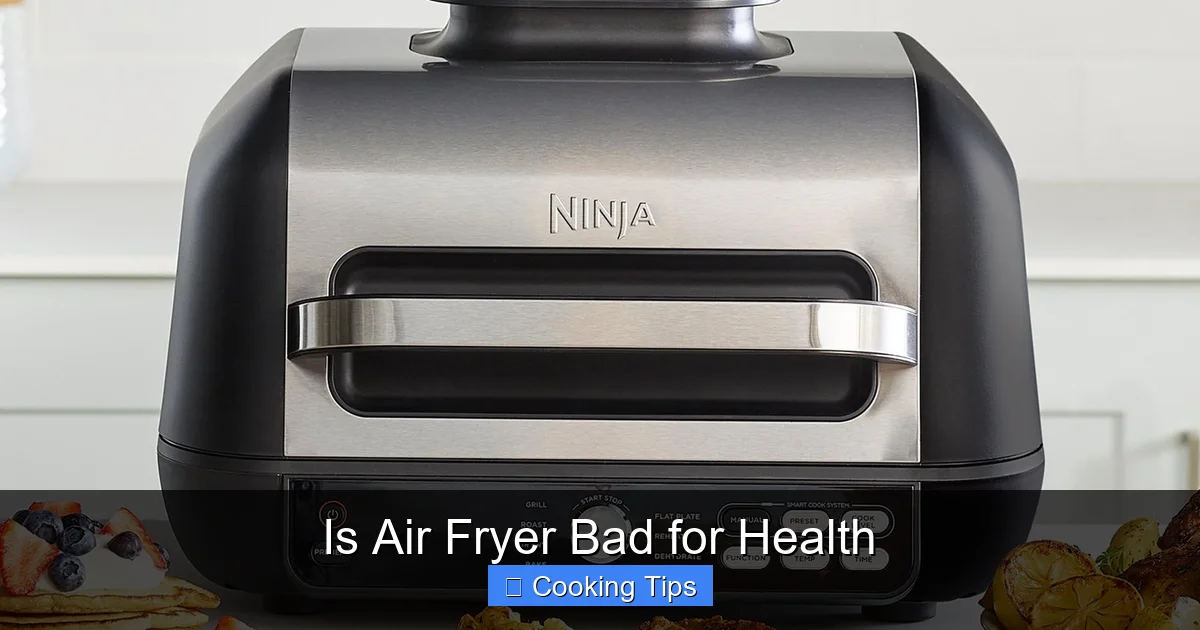
Visual guide about Is Air Fryer Bad for Health
Image source: adamsandjarrett.com
How to minimize acrylamide further:
- Avoid overcooking: Don’t let your food get too brown or burnt. Golden brown is ideal; dark brown or black is where acrylamide levels increase.
- Soak starchy foods: If you’re making fries from scratch, soaking potato slices in water before air frying can help reduce acrylamide precursors.
- Choose non-starchy foods: Air fry vegetables, lean proteins, and fruits. These are less likely to form acrylamide. For example, learning how to cook an artichoke in an air fryer or how to cook an eggplant in an air fryer are excellent, low-acrylamide options.
2. Overuse of Oil
While air fryers require less oil, some people still use too much, negating the health benefits. The goal is to use just enough to help achieve crispiness and flavor, not to drench the food.
Tips for optimal oil usage:
- Lightly coat: For many foods, a light mist of cooking spray or a tablespoon of oil tossed with your ingredients is sufficient.
- Use healthy oils: Opt for oils with a high smoke point and beneficial fats, such as olive oil, avocado oil, or canola oil.
- Experiment: You’ll find that for many items, especially those with their own natural fats (like bacon), you might need very little to no added oil. For instance, cooking bacon in your air fryer is a prime example where you can often skip the extra oil.
3. Material Safety (BPA and Plastics)
The baskets and trays of air fryers are typically made from metal with a non-stick coating or BPA-free plastic. It’s essential to ensure your appliance is made from food-safe materials.
What to look for:
- BPA-free plastics: If your air fryer has plastic components, ensure they are labeled as BPA-free.
- High-quality non-stick coatings: Reputable brands use durable, food-grade non-stick coatings.
- Avoid scratching: Never use abrasive scrubbers or metal utensils that can scratch the non-stick coating, which could potentially lead to material leaching.
Troubleshooting: If you notice any damage to the non-stick coating or unusual smells from plastic components, discontinue use and contact the manufacturer.
4. Cleaning and Food Residue
A dirty air fryer can be a breeding ground for bacteria and burnt food particles. This not only affects the taste of your food but can also pose a health risk.
The importance of cleaning:
- Prevent bacterial growth: Food debris can harbor bacteria, especially if the air fryer isn’t cleaned regularly.
- Avoid burnt taste: Old food particles can burn and impart an unpleasant flavor to your next meal.
- Maintain efficiency: A clean air fryer operates more efficiently.
How to clean your air fryer:
- After each use: Wash the basket and tray with warm, soapy water. Most are dishwasher safe, but check your manual.
- Deeper clean: Periodically, you might need to clean the interior and exterior. Unplug the appliance, let it cool, and wipe it down with a damp cloth. For stubborn grease, a paste of baking soda and water can be effective.
Maximizing the Health Benefits of Your Air Fryer
So, if air fryers aren’t inherently bad, how can you make sure you’re using yours to actively improve your diet? It all comes down to smart usage and food choices.
1. Focus on Whole Foods
The air fryer is fantastic for preparing healthy, whole ingredients.
Try air frying:

Visual guide about Is Air Fryer Bad for Health
Image source: loveincstatic.blob.core.windows.net
- Vegetables: Broccoli, cauliflower, Brussels sprouts, bell peppers, zucchini, and sweet potato fries become wonderfully crispy and flavorful.
- Lean proteins: Chicken breasts, fish fillets, tofu, and lean cuts of pork are excellent candidates. For example, learning how to cook bone-in chicken breast in air fryer can yield juicy results with a crispy skin.
- Fruits: Sliced apples or pears can be transformed into healthy desserts.
2. Opt for Healthier “Fried” Foods
You can recreate healthier versions of classic comfort foods.
Consider these:
- Homemade fries: Cut your own potatoes and toss with a little oil and seasoning.
- Chicken tenders: Coat chicken strips in whole wheat breadcrumbs and seasonings.
- Vegetable fritters: Use a light batter and air fry for a crispy treat.
3. Understand Portion Sizes
Even healthy foods should be consumed in moderation. While air frying reduces fat, it doesn’t eliminate calories. Be mindful of how much you’re eating. If you’re cooking for a larger family, ensuring you have the right appliance is important, so check out guides on what size air fryer for a family of 6.
4. Experiment with Seasonings, Not Just Oil
Herbs, spices, garlic powder, onion powder, and paprika can add incredible flavor without adding extra fat or calories.
When Might an Air Fryer Be “Less Than Ideal”?

Visual guide about Is Air Fryer Bad for Health
Image source: restaurantstella.com
While generally healthy, there are specific scenarios where an air fryer might not be the best choice, or where its health benefits are less pronounced:
- Pre-packaged “Air Fryer” Foods: Many frozen convenience foods marketed for air fryers are still highly processed and high in sodium and unhealthy fats, even if they become crispy. Reading labels is crucial.
- Over-reliance on Processed Meats: While you can cook things like hot dogs or sausages in an air fryer, these are generally not considered healthy staples.
- Burning Your Food: As mentioned, any cooking method where you regularly burn or char your food can lead to the formation of harmful compounds. This isn’t unique to air fryers but is a general cooking safety rule.
The Verdict: Air Fryer – Friend or Foe?
So, is an air fryer bad for health? Based on current understanding and research, the answer is a resounding no, provided it’s used thoughtfully. Air fryers are a brilliant tool for reducing oil consumption and enjoying crispy textures that were once associated only with deep frying. They offer a way to make many favorite meals healthier and can encourage the consumption of more vegetables and lean proteins.
The key is to remember that it’s a cooking appliance, not a magic health wand. Your food choices, the quality of ingredients, how you prepare them, and how you maintain the appliance are what truly determine the healthiness of your meals.
By understanding how your air fryer works, being mindful of potential concerns like acrylamide and overusing oil, and focusing on preparing whole, nutritious foods, you can confidently use your air fryer to contribute positively to your health and enjoy delicious, crispy meals. So go ahead, embrace that crunch – guilt-free!