
Cooking frozen foods in an air fryer isn't complicated, but getting genuinely crispy results (not just warm, soggy disappointments) comes down to knowing a few key details most people overlook. I've spent more time than I'd like to admit experimenting with different foods, temperatures, and techniques, and the difference between "meh" and "restaurant-quality" usually boils down to a couple of simple adjustments.
The core technique is straightforward: high heat, enough space for air to circulate, and a shake or flip at the right moment. But the specifics change depending on what you're cooking, and that's where most recipes fall short. This guide covers the exact temperatures and times that actually work for different types of frozen food, plus the common mistakes that keep turning out sad, floppy fries and nuggets.
Why Your Frozen Food Comes Out Soggy (And How to Fix It for Good)
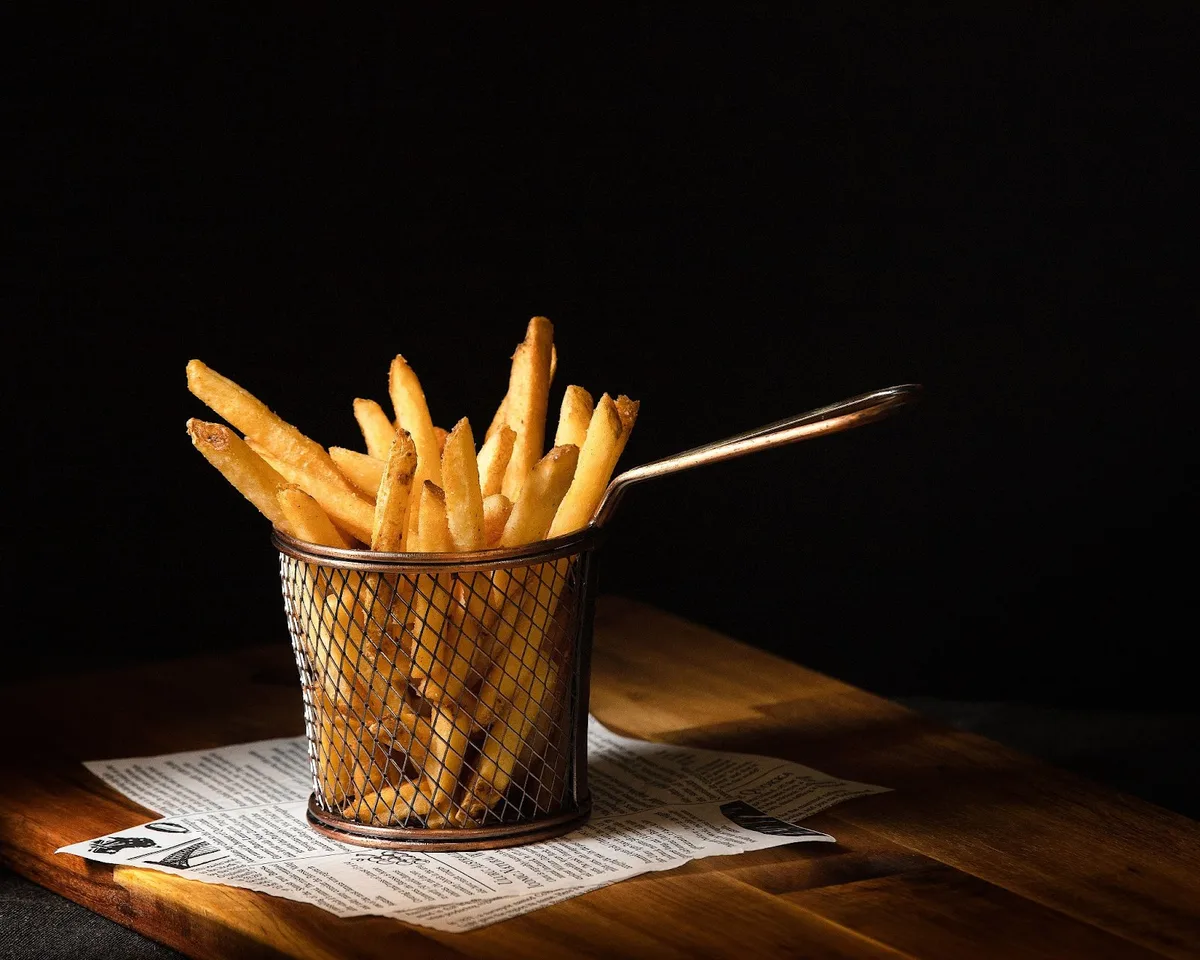
Image source: Bing (Web (fair-use with source credit))
Frozen food gets soggy in an air fryer when steam gets trapped between pieces. The fix is almost always about spacing and temperature.
An air fryer works by circulating hot air rapidly around your food. When pieces are piled on top of each other, the moisture released during cooking can't escape. It stays trapped in the basket, condenses back onto the food, and turns your crispy breading into a soft, gummy mess.
Here's what actually fixes it:
- Don't overfill the basket. Leave space around every single piece. If you can't see the bottom of the basket between items, you're using too much food at once. Split into two batches instead.
- Shake or flip halfway through. The bottom of your food sits right against the basket, where it doesn't get as much direct heat. A good shake at the halfway mark exposes all sides evenly.
- Cook at the right temperature. Too low and your food thaws and steams before it crisps up. For most frozen foods, 375°F to 400°F is the sweet spot. Delicate items like spring rolls do well at 360°F.
- Don't skip the oil mist. A light coat of oil (I use a refillable sprayer with avocado oil) gives breaded items something to brown against. Frozen fries and chicken nuggets especially benefit from that extra bit of fat hitting the heat.
If your air fryer has a "shake reminder" or "turn food" alert, turn it on. It's a small feature, but it makes a real difference in how evenly your food cooks.
The Quick Temperature and Time Guide Most People Get Wrong
The frozen food package usually gives you oven instructions. Those won't work directly in an air fryer, and following them exactly is how people end up burning the outside while the inside stays frozen.
Here's the general rule most experienced air fryer users follow: cut the oven time by about 20 to 25 percent and drop the temperature by 25°F. An air fryer's circulating heat is more efficient than a static oven, so food cooks faster but also burns faster if you're not paying attention.
For proteins, always go by internal temperature. Chicken needs to hit 165°F in the center. Fish and pork should reach 145°F.
A cheap instant-read thermometer is the best investment you can make if you're cooking frozen meats in an air fryer regularly.
Here's what actually works for common frozen foods:
| Frozen Food | Temperature | Cook Time | Notes |
|---|---|---|---|
| Thin-cut fries | 400°F / 200°C | 10–12 min | Shake at 5–6 min |
| Thick-cut fries | 390°F / 199°C | 14–16 min | Shake at 7–8 min |
| Hash browns/tater tots | 400°F / 200°C | 12–15 min | Spread in single layer |
| Chicken nuggets | 400°F / 200°C | 10–12 min | Shake halfway |
| Chicken tenders | 400°F / 200°C | 12–14 min | Flip halfway |
| Frozen fish sticks | 380°F / 193°C | 10–12 min | Flip at halfway |
| Breaded shrimp | 380°F / 193°C | 8–10 min | Shake gently |
| Mozzarella sticks | 375°F / 190°C | 6–8 min | Check at 6 min; don't overcook |
| Egg rolls/spring rolls | 360°F / 182°C | 8–10 min | Shake at halfway |
| Pizza rolls | 375°F / 190°C | 8–10 min | Shake at halfway |
| Frozen broccoli | 375°F / 190°C | 8–10 min | Shake or toss halfway |
| Corn dogs | 375°F / 190°C | 12–14 min | Rotate halfway |
If you're using a lower-wattage air fryer (under 1,400 watts), add two to three minutes to these times and check for doneness before adding more. Higher-wattage models (1,800 watts and up) can actually shorten these slightly.
And give your air fryer a couple of minutes to preheat before loading it up. Not every model needs it, but a quick preheat gives you more consistent results from the first batch onward.
Step-by-Step: How to Cook Frozen Food in an Air Fryer So It Actually Comes Out Crispy
Getting great results from frozen food isn't hard, but there's a specific process that makes all the difference. Follow these steps and you'll avoid almost every common problem.
Start with the right setup
Before you even open the freezer, take a look at what you're cooking. Is it breaded? Is it a dense piece of protein, or something small and light?
The answers determine how you arrange it and what temperature you use.
Preheat your air fryer to your target temperature for about two to three minutes. If your model has a preheat button, use it. If not, just let it run empty while you get your food ready.
Don't thaw. Seriously.
Cook straight from frozen every time. Thawed frozen food turns mushy because the ice crystals have already damaged the structure of the breading or coating, and when you cook it again, all that moisture turns into steam. Frozen-from-solid food gives you the crispiest result possible.
Arrange in a single layer
This is the single most important step. Lay every piece flat in the basket with space between them. No stacking, no overlapping, no piling.
The hot air needs to reach all sides of the food, and anything touching another piece will steam at the contact points instead of browning.
If you're cooking a big bag of fries or nuggets, split it into two or three loads instead. The extra few minutes are worth it. Every.
Single. Time.
Shake or flip halfway through
At the midpoint of your cook time, pull the basket out and give it a good shake. For delicate items like fish sticks or spring rolls, use tongs to flip them gently instead. This is what gives you even browning on all sides instead of a burnt top and a pale, soggy bottom.
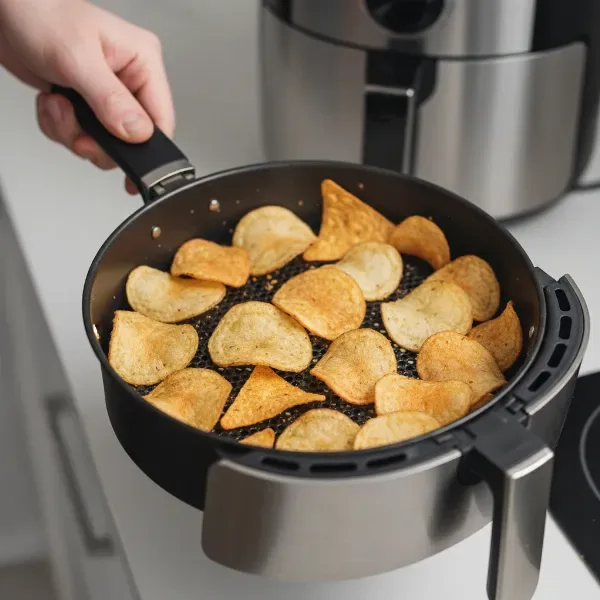
Some air fryers have a shaking reminder that beeps at the halfway point. Use it if you have it. It's easy to lose track of time when you're multitasking in the kitchen.
Check doneness before you pull it out
When the timer goes off, take a quick look. For breaded items, check that the coating is evenly golden. Cut open one piece to make sure the center is hot (especially important for chicken).
Frozen vegetables should be tender with slight charring on the edges.
If the food looks done but doesn't feel crispy enough, give it one or two more minutes. Small increments are the key here. You can always add more time, but you can't un-burn something.
Frozen Foods That Work Amazingly Well in an Air Fryer (And a Few That Don't)
The air fryer excels with most frozen foods, but some categories genuinely shine here more than others.
The best performers: fries, nuggets, and tenders
Frozen fries and breaded chicken products are where the air fryer truly earns its reputation. The rapid hot air gets them genuinely crispy on the outside while keeping the inside tender. If you only cook two things from frozen in your air fryer, make it fries and chicken nuggets.
Thin-cut fries at 400°F for 10 to 12 minutes give you pub-quality results. Nuggets at the same temperature for 10 to 12 minutes come out with a crunchy coating that puts the microwave version to absolute shame.
Seafood works surprisingly well
Breaded frozen shrimp cook in just 8 to 10 minutes at 380°F and come out crispier than you'd expect. Fish sticks take 10 to 12 minutes; flip them gently at the halfway mark since the coating can be delicate.
Raw frozen salmon fillets do really well too. Cook them skin-side down at 375°F for 12 to 15 minutes. No flipping needed.
You'll get a lightly crisped outside and a tender, flaky inside that's hard to achieve any other way without a pan.
Snacks and appetizers are a strong suit
Frozen mozzarella sticks at 375°F for 6 to 8 minutes are one of the great air fryer wins. Check them at the 6-minute mark. Pull them the moment the coating looks set and slightly golden.
If you go too long, the cheese melts out and burns on the basket.
Egg rolls and spring rolls cook in 8 to 10 minutes at 360°F. Pizza rolls take 8 to 10 minutes at 375°F. Both come out with a shatteringly crisp wrapper and a hot filling.
Frozen broccoli is an underrated move. Toss it straight from the bag into the basket, cook at 375°F for 8 to 10 minutes, and you'll get charred, crispy edges that taste like they came out of a hot oven. No need to thaw or season before cooking.
What doesn't work as well
Very light, thin coatings (like cheap popcorn shrimp brands) tend to blow around in the strong air current and don't develop a great crust. Thick-handed batter coatings sometimes cook unevenly compared to breadcrumb-style ones.
Saucy frozen foods (like pre-sauced wings) can make a sticky mess in the basket. If you want sauced wings, cook them plain first and toss in sauce after.
The Biggest Mistakes People Make When Air Frying Frozen Food
I've read hundreds of user reviews on air fryer frozen food performance. The same mistakes come up again and again.
Overcrowding is the number one problem. It's tempting to dump a whole bag of fries into the basket at once, but all those frozen pieces piled together will steam instead of crisp. Split into smaller batches. Each batch comes out lighter and crispier.
Using aerosol cooking sprays (like PAM) on the basket is another common error. The propellants in those sprays can break down non-stick coatings over time. A cheap refillable oil sprayer with olive or avocado oil gives you a fine mist without damaging your equipment.
Forgetting to shake or flip halfway through. This matters more than almost any other step. Without it, the bottom side of your food stays soft and pale while the top side overcooks.
Setting the timer and walking away. Frozen food cooking times are short (often 8 to 15 minutes), and the line between golden and burnt in an air fryer is thin. Stay close and check near the end.
Not cleaning between uses. Crumbs and oil residue build up in the basket and on the drip tray. After a few sessions, that residue starts smoking and can affect the flavor of your food. A quick wash between uses prevents the problem entirely.
How Your Air Fryer Model Changes Everything
Not all air fryers cook the same, and your specific model affects timing and results.
Basket-style air fryers (the kind with a pull-out drawer and basket) concentrate heat around the food from all sides. They cook faster and more evenly for small frozen items. Most people have this style.
Oven-style air fryer ovens (the kind with a door and racks, like a mini convection oven) spread heat across a larger space. They have more capacity but heat less intensely, so cooking times might be two to four minutes longer for the same food.
Dual-basket models let you cook two foods simultaneously at different temperatures. The best 8 qt air fryer with dual basket is worth considering if you regularly cook multiple frozen items at once (like fries and nuggets) and want them ready at the same time.
Wattage matters a lot. A 1,700-watt air fryer cooks 20 to 30 percent faster than a 1,200-watt model. Check the specs label on the bottom of your unit.
If you're using a lower-wattage model, add a couple of minutes to the times listed in this guide and adjust from there.
If you're trying to decide which air fryer style fits your cooking habits, our Instant Vortex air fryer review breaks down how that popular model handles frozen foods specifically.
Air Fryer vs. Deep Fryer vs. Oven vs. Microwave for Frozen Food
Here's how the four main methods compare when cooking frozen food:
| Factor | Air Fryer | Deep Fryer | Conventional Oven | Microwave |
|---|---|---|---|---|
| Crispiness | Very good | Best | Good | Poor |
| Cook time | 8–16 min | 4–8 min | 18–30 min | 3–5 min |
| Oil needed | Light mist or none | 2–3 cups | None to light | None |
| Cleanup | Easy (non-stick basket) | Messy (oil disposal) | Moderate | Easiest |
| Energy use | ~1,400–1,800W | ~1,800–2,000W | ~2,400–5,000W | ~800–1,200W |
| Even cooking | Good (with shake) | Excellent | Moderate | Poor |
| Capacity | 1–6 servings | 2–8 servings | 4–12 servings | 1–2 servings |
| Health factor | High (minimal oil) | Low (full immersion) | High | High |
The air fryer wins on the combination of speed, crispiness, and convenience. A deep fryer produces the crispiest results but the cleanup and oil management make it impractical for weeknight cooking. A conventional oven works but takes significantly longer and heats up your whole kitchen.
A microwave is fast but produces rubbery, steamed texture that defeats the purpose of breaded or coated frozen foods.
The one area where a deep fryer still has an edge is with very thick or dense frozen items, like large raw frozen chicken breasts or whole frozen fish fillets. The oil in a deep fryer transfers heat more evenly through thick items. An air fryer can handle these but needs a lower temperature and longer time to cook the center without burning the outside.
Pro Tips for Getting Restaurant-Quality Results from the Freezer Aisle
These are the small tricks that separate good air fryer results from ones that genuinely rival takeout.
Use an oil mister, not cooking spray. A refillable mister gives you a fine, even coating of oil without the propellants found in aerosol sprays. Fill it with avocado oil or canola oil. A light mist over breaded frozen food before cooking dramatically improves browning and crispiness.
Season after cooking, not before. Dry seasonings like garlic powder, paprika, and onion powder can blow off the food surface in an air fryer's strong airflow. Salt and fine spices are especially prone to this. Wait until the food comes out of the basket, then season immediately while the surface is still hot and slightly oily.
The seasonings will stick much better.
Let food rest for one minute after cooking. This is especially important for cheese-filled items like mozzarella sticks and pizza rolls. The filling needs a minute to set up slightly so it doesn't pour out on the first bite. The exterior also firms up during this brief rest, giving you a crunchier first bite.
Cook in batches, not piles. If you're feeding a family of four, cook the fries in two batches of a handful each rather than one big pile. Each batch will be crispier than the combined pile would have been. The total time difference is maybe 4 minutes, and the texture improvement is significant.
Preheat for delicate items, skip it for sturdy ones. Thin, wrappy items like spring rolls and egg rolls benefit from a preheated basket because the wrapper sets immediately. Sturdy items like tater tots and nuggets are fine going into a cold basket since they have enough structural integrity to handle the gradual heat ramp.
If you're looking for an air fryer that handles frozen food as a primary use case, the Instant Vortex is one of the most frequently recommended models in user reviews for its consistent results with frozen foods. Our review of whether the Instant Pot is the same as an air fryer also covers how multi-cookers with air fryer lids compare for frozen food cooking.
Cleaning and Maintenance So Your Air Fryer Keeps Performing
A dirty air fryer cooks worse than a clean one. Residue buildup on the heating element and basket affects airflow, causes smoking, and can transfer off-flavors to your food.
Clean the basket after every use. Most air fryer baskets have a non-stick coating that releases food residue easily when washed with warm soapy water. If you're dealing with stuck-on cheese or breading, let the basket soak for 5 minutes before scrubbing.
Avoid steel wool or abrasive pads since they scratch the non-stick surface.
Wipe the heating element occasionally. Crumbs and oil droplets can accumulate on the element cover inside the unit. Unplug the air fryer, let it cool completely, and wipe the element area with a damp paper towel.
This prevents smoking and keeps the airflow path clear.
The drip tray needs attention too. This is the flat pan beneath the basket that catches crumbs and oil. If you leave it dirty, those crumbs will smoke on the next cook cycle and can even produce a burning smell that affects the taste of your food.
A quick wipe or rinse after every few uses is all it takes.
For models where the basket and tray are dishwasher safe, use that to your advantage. Our guide to whether the Instant Vortex is dishwasher safe breaks down exactly which components can go in the dishwasher and which need hand washing.
One maintenance tip that gets overlooked: check the power cord and plug periodically for any signs of wear or heat damage. Air fryers draw significant wattage and a loose or damaged plug can be a safety issue. If you notice any discoloration around the plug prongs or the cord feels unusually hot during use, stop using the unit and contact the manufacturer.
Quick-Reference Frozen Food Air Fryer Chart
Here's a complete temperature and time chart for the most popular frozen foods. These settings work for standard basket-style air fryers at 1,400 to 1,700 watts.
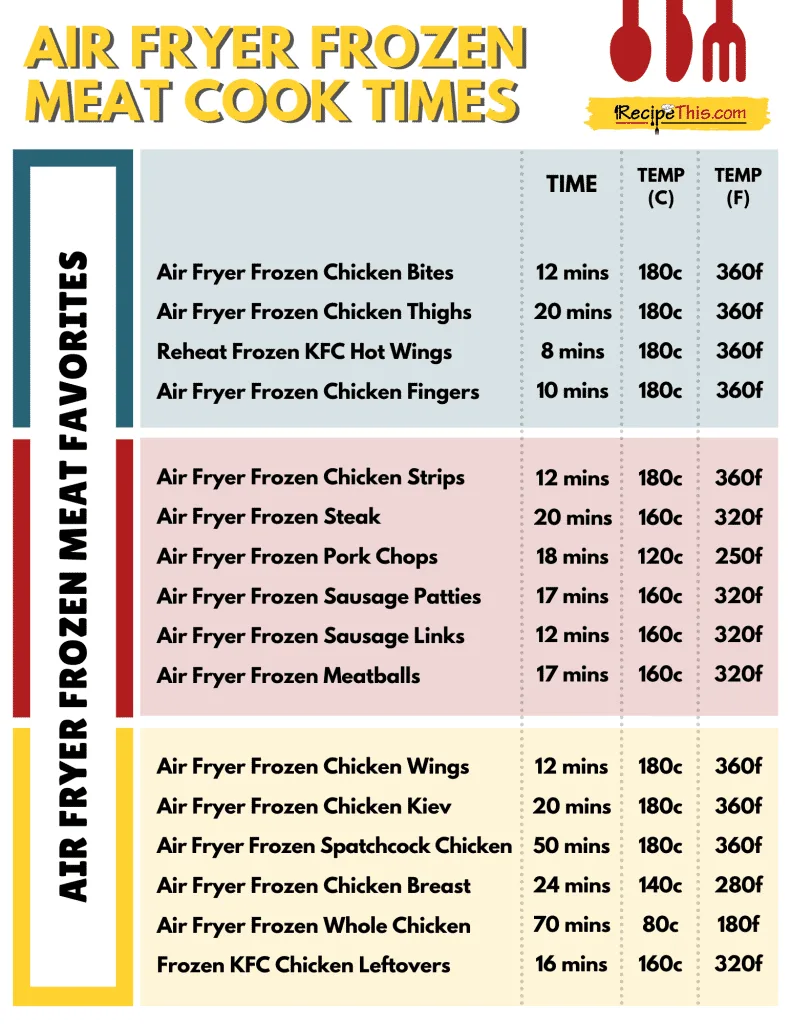
| Frozen Food | Temperature | Time | Halfway Action | Internal Temp (Proteins) |
|---|---|---|---|---|
| Thin french fries | 400°F / 200°C | 10–12 min | Shake at 5–6 min | N/A |
| Thick fries / wedges | 400°F / 200°C | 14–16 min | Shake at 7–8 min | N/A |
| Tater tots | 400°F / 200°C | 12–15 min | Shake at 6–7 min | N/A |
| Hash browns (shredded) | 390°F / 199°C | 10–12 min | Shake at 5–6 min | N/A |
| Chicken nuggets | 400°F / 200°C | 10–12 min | Shake at 5–6 min | 165°F / 74°C |
| Chicken tenders | 400°F / 200°C | 12–14 min | Flip at 6–7 min | 165°F / 74°C |
| Pre-cooked frozen wings | 400°F / 200°C | 12–14 min | Flip at 6–7 min | 165°F / 74°C |
| Raw frozen wings | 375°F / 190°C | 18–22 min | Flip at 9–11 min | 165°F / 74°C |
| Fish sticks | 380°F / 193°C | 10–12 min | Flip gently at 5–6 min | 145°F / 63°C |
| Breaded shrimp | 380°F / 193°C | 8–10 min | Shake at 4–5 min | 145°F / 63°C |
| Salmon fillet (raw frozen) | 375°F / 190°C | 15–18 min | No flip needed | 145°F / 63°C |
| Mozzarella sticks | 375°F / 190°C | 6–8 min | Check at 6 min | N/A |
| Egg rolls | 390°F / 199°C | 8–10 min | Flip at 4–5 min | N/A |
| Pizza rolls | 375°F / 190°C | 8–10 min | Shake at 4–5 min | N/A |
| Onion rings | 390°F / 199°C | 10–12 min | Shake at 5–6 min | N/A |
| Frozen broccoli | 375°F / 190°C | 8–10 min | Shake at 4–5 min | N/A |
| Corn dogs | 375°F / 190°C | 12–14 min | Rotate at 6–7 min | 165°F / 74°C |
| Potstickers / dumplings | 375°F / 190°C | 8–10 min | Shake at 4–5 min | N/A |
For lower-wattage models (under 1,200 watts), add 2 to 3 minutes and check for doneness before adding more time. The USDA FSIS recommends 165°F for all poultry products and 145°F for fish and pork as safe minimum internal temperatures.
Frequently Asked Questions
Can you put frozen food straight into an air fryer?
Yes. In fact, you should cook frozen food straight from the freezer. Thawing before air frying makes breaded and coated items soggy because the coating absorbs moisture as it thaws.
Frozen coating plus hot air gives you the crispiest results.
Do you need to preheat an air fryer for frozen food?
Preheating for 2 to 3 minutes gives more consistent results, especially for thin items like spring rolls and egg rolls. Sturdy items like fries and nuggets work fine without preheating, though the first batch may take an extra minute to cook through.
Why is my frozen food not crispy in the air fryer?
The most common cause is overcrowding. When too many pieces are packed into the basket, steam gets trapped between the layers and softens the coating. Cook in smaller batches with space between each piece.
A light oil mist before cooking also helps.
Can you use parchment paper in an air fryer for frozen food?
Yes, but only use perforated parchment liners designed for air fryers. Solid parchment blocks airflow from underneath and creates the same steaming problem as overfilling. Perforated liners let air circulate through the bottom while making cleanup easier.
Is air frying frozen food healthy?
Air frying uses up to 70 to 80 percent less oil than deep frying while producing similar texture. The nutritional profile of the frozen food itself doesn't change much, but you're adding significantly less oil in the cooking process compared to traditional deep frying.
How do you keep breaded frozen food from sticking to the air fryer basket?
A light coat of oil on the basket surface or a mist of oil on the food itself prevents most sticking. Non-stick baskets help too. Avoid aerosol cooking sprays since the propellants can damage the non-stick coating over time.