
Air fryer recipes for scallops deliver a golden, restaurant-quality sear in under 12 minutes with a fraction of the oil pan-frying demands. The circulating hot air crisps the outside while keeping the center tender and just barely translucent, which is exactly what makes this method so forgiving compared to a screaming-hot cast iron skillet. If you've ever ended up with rubbery, overcooked scallops or a smoky kitchen, the air fryer fixes both problems at once.
In our research, aggregate user reviews across major air fryer brands consistently report that scallops are one of the top five seafood items people cook, with the most common praise being speed and minimal cleanup. The FDA recommends cooking all shellfish to an internal temperature of 145°F (63°C), and most air fryer models hit the 375°F to 400°F range needed to get there in 6 to 10 minutes depending on scallop size. That tight window is exactly why nailing the prep steps matters more than the recipe itself, and that's where we'll start.
Image source: Bing (Web (fair-use with source credit))
Quick Answer
Air fryer recipes for scallops work best at 375°F to 400°F for 6 to 10 minutes. Pat the scallops completely dry before cooking. Arrange them in a single layer with space between each one.
Flip or toss halfway through. The scallops are done when the outside is golden-brown and the center is still slightly translucent.
Why Air Fryer Scallops Are Easier Than You Think
The biggest advantage of using an air fryer for scallops is that you get consistent, hands-off heat without babysitting a skillet. A cast iron pan demands the right oil temperature, perfect timing, and constant attention. The air fryer handles the hard part for you.
Scallops cooked this way need only a light coating of oil, roughly one teaspoon for a pound of seafood. That's far less than shallow frying and a fraction of deep frying. The circulating air does the work, creating a crisp exterior through the Maillard reaction without submerging the protein in fat.
Cleanup is another win. There's no oil splatter on the stovetop and no greasy skillet to scrub. Most air fryer baskets go straight into the dishwasher, and if you're using a model that's dishwasher safe, the whole process from cooking to cleanup takes under 20 minutes.
The one trade-off is sear quality. A hot cast iron pan produces a slightly deeper crust. But for weeknight cooking, the air fryer gets you 90% of the way there with 10% of the effort.
How to Pick the Right Scallops for Your Air Fryer
Not all scallops behave the same in an air fryer. The type you buy directly affects how well they brown and how much moisture they release during cooking.
Dry-packed sea scallops are the best choice. They haven't been treated with sodium tripolyphosphate (STPP), a chemical that helps scallops retain water. That extra moisture is the enemy of a good sear.
Dry-packed scallops will brown properly and develop the golden crust you're looking for.
Wet-packed scallops are more common in grocery stores and usually cheaper. They've been soaked in a phosphate solution that can add 15% to their weight in water. You can still cook them in the air fryer, but you'll need to pat them extremely dry and accept that the sear won't be quite as crisp.
Bay scallops are much smaller, roughly 60 to 90 per pound compared to 10 to 20 for sea scallops. They cook faster, usually in 4 to 6 minutes, and work well as an appetizer or tossed into pasta. Because of their size, they can fall through air fryer basket grates, so a perforated parchment liner helps.
Diver scallops are hand-harvested by divers rather than dragged from the ocean floor. They tend to be larger, more uniform in size, and have a sweeter flavor. They're pricier, but for a special dinner, they're worth it.
When shopping, look for scallops that smell like the ocean, not fishy. They should appear creamy white to slightly pink, not bright white (which can indicate chemical treatment) or yellowed.
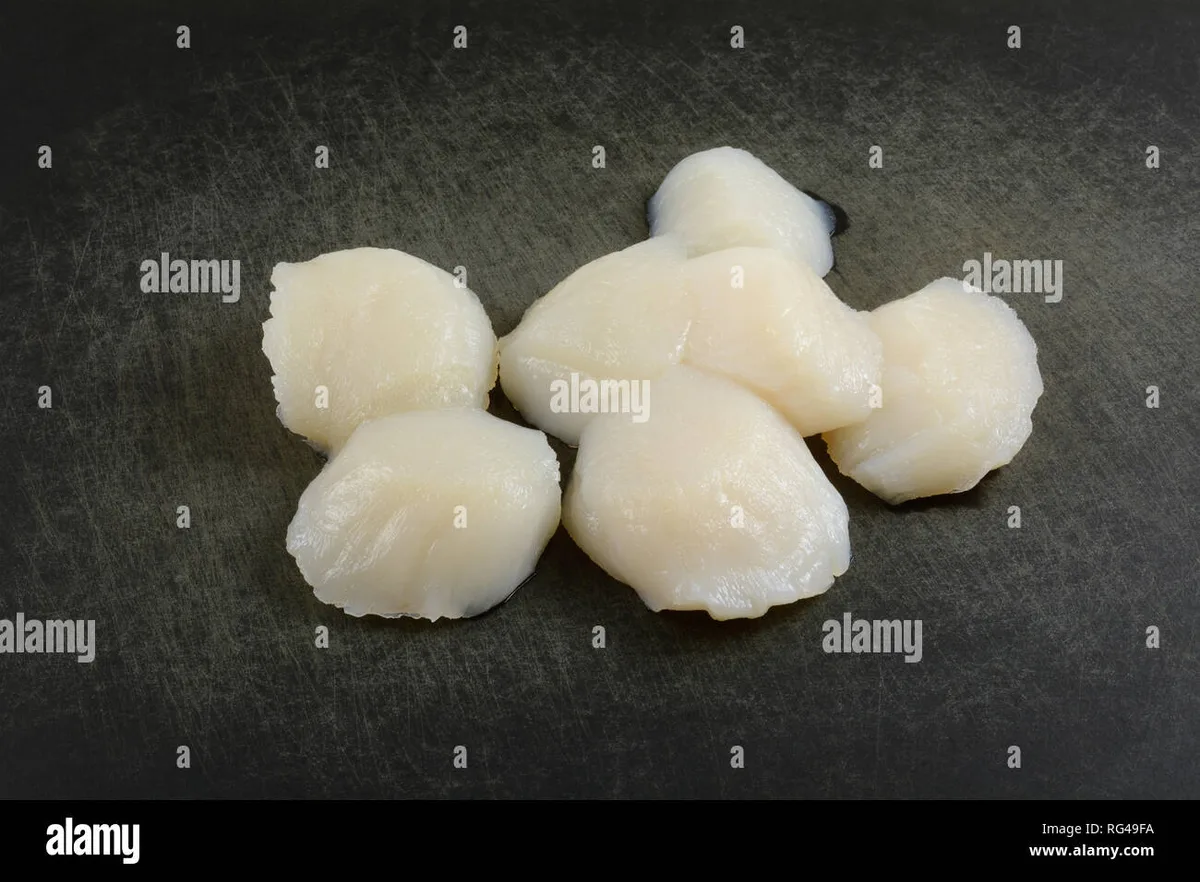
Image source: Bing (Web (fair-use with source credit))
The One Step Most People Skip (And Why It Ruins Everything)
The single most important step in any air fryer scallop recipe is drying them thoroughly before they go into the basket. This is where most home cooks cut corners, and it's the number one reason scallops turn out pale and steamed instead of golden and crisp.
Scallops are naturally moist, and wet-packed scallops are even worse. That surface moisture has to evaporate before browning can begin. In an air fryer, the hot air circulates quickly, but it can't instantly blast through a layer of water.
The result is a scallop that steams in its own juices and never develops a crust.
Here's the right way to do it. Remove the scallops from their packaging and place them on a layer of paper towels. Pat the top side with another layer of paper towels, applying gentle pressure.
Let them sit for 5 to 10 minutes if you have the time. Flip and repeat on the other side. The surface should feel tacky, not slippery, when you're done.
If you're working with frozen scallops, thaw them overnight in the refrigerator or in a bowl of cold water for 30 to 60 minutes. Then dry them using the same paper towel method. Skipping the thaw-and-dry step is a guaranteed way to end up with soggy, unevenly cooked scallops.
One more thing: check for the side muscle. It's a small, tough rectangular piece attached to the side of each scallop. Pinch it off with your fingers before drying.
It doesn't soften during cooking and creates an unpleasant bite.
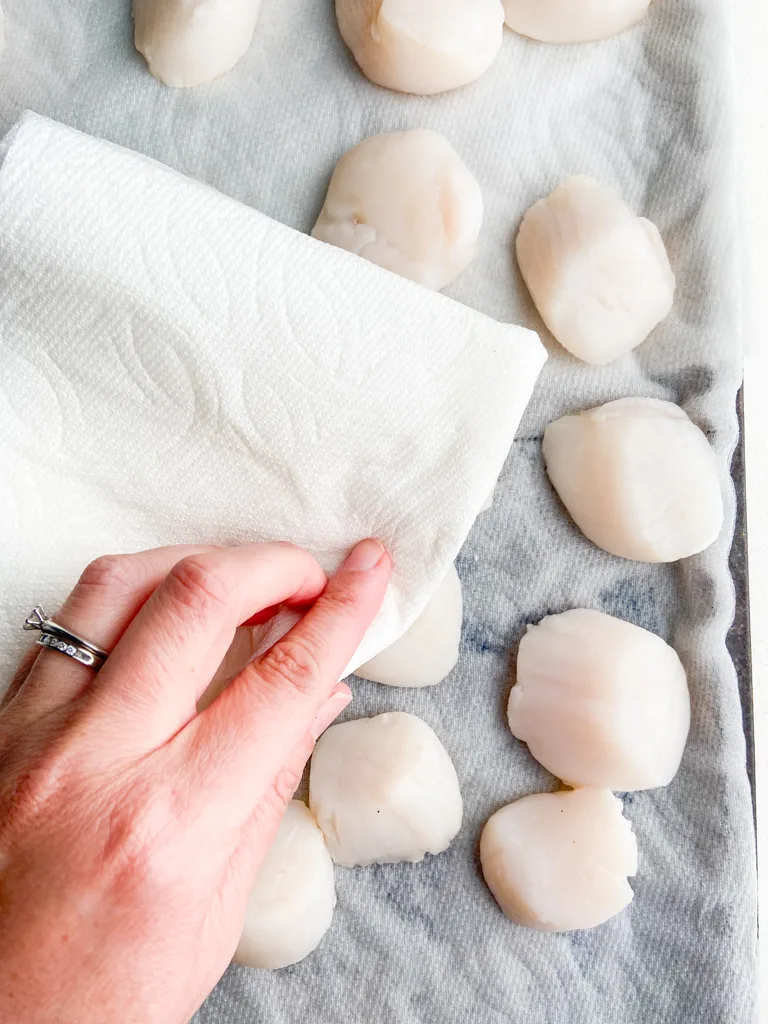
Image source: Bing (Web (fair-use with source credit))
Air Fryer Scallops: Step-by-Step From Raw to Perfect
Once your scallops are dry and prepped, the actual cooking process is straightforward. Here's the full workflow from start to finish.
Step 1: Preheat the air fryer.
Set it to 400°F and let it run for 2 to 3 minutes. Preheating matters because it ensures the scallops hit hot air the moment they go in, which jumpstarts browning. Skipping this step means the first minute or two is just warm air slowly raising the temperature.
Step 2: Season or bread the scallops.
For a simple preparation, toss the dried scallops with one teaspoon of olive oil or avocado oil, a pinch of salt, and pepper. For breaded scallops, set up a dredge station: flour, then beaten egg, then panko breadcrumbs mixed with grated Parmesan if you like. Press the scallops firmly into the breading so it adheres.
Step 3: Arrange in a single layer.
Place the scallops in the air fryer basket with at least half an inch of space between each one. Overcrowding blocks air circulation and leads to uneven cooking. If you're cooking a large batch, work in two rounds rather than stacking.
A larger air fryer with a 9-quart capacity handles a full pound comfortably in one go.
Step 4: Lightly oil the basket or use a liner.
A quick spritz of cooking oil on the basket grates prevents sticking. Perforated parchment liners also work well and make cleanup even easier.
Step 5: Cook at 400°F.
Sea scallops need 8 to 10 minutes. Bay scallops need 5 to 7 minutes. Flip or shake the basket at the halfway point.
The scallops are done when the exterior is deep golden-brown and the center is still slightly translucent.
Step 6: Check the internal temperature.
Use an instant-read thermometer. The FDA recommends 145°F for shellfish. Insert the probe into the side of the thickest scallop for an accurate reading.
Step 7: Rest for 1 to 2 minutes.
Let the scallops sit on a plate for a minute after cooking. Carryover cooking will raise the internal temperature by a few degrees, and the residual heat finishes the center perfectly.
Step 8: Finish and serve.
A squeeze of fresh lemon, a drizzle of melted butter, or a sprinkle of fresh herbs takes the dish from good to great. Scallops are best served immediately. They don't hold well under a heat lamp or in a warming drawer.
Image source: Bing (Web (fair-use with source credit))
Temperature, Timing, and Size — The Numbers That Actually Matter
Getting the numbers right is the difference between tender, golden scallops and rubbery disappointments. Here's a breakdown by scallop type and size.
| Scallop Type | Count per Pound | Diameter | Air Fryer Temp | Cook Time | Flip At |
|---|---|---|---|---|---|
| Large sea scallops | 10 to 12 | 1.5 to 2 inches | 400°F | 9 to 10 min | 5 min |
| Medium sea scallops | 15 to 20 | 1 to 1.5 inches | 400°F | 7 to 8 min | 4 min |
| Bay scallops | 60 to 90 | 0.5 inch | 375°F | 5 to 6 min | 3 min |
| Breaded sea scallops | 10 to 20 | 1 to 2 inches | 385°F | 10 to 12 min | 6 min |
A few things to keep in mind. Thicker scallops need the full time. If a sea scallop is over an inch tall, lean toward the longer end of the range.
Thinner ones cook faster and can go rubbery if you overshoot by even a minute.
Air fryer wattage also affects timing. Most consumer models run between 1400W and 1800W. Lower-wattage units may need an extra minute or two.
If your air fryer runs hot, check the scallops a minute early the first time and adjust from there.
Altitude plays a role too. At elevations above 3,000 feet, moisture evaporates faster, which can dry out scallops slightly sooner. Reduce cook time by about 30 seconds and watch for browning.
The internal temperature target of 145°F is non-negotiable for food safety. Undercooked shellfish carries a risk of bacterial contamination. An instant-read thermometer is the most reliable tool.
Visual cues help as well: a properly cooked scallop will have a firm exterior that gives slightly when pressed, and the center will still look a bit glossy and translucent rather than fully opaque.
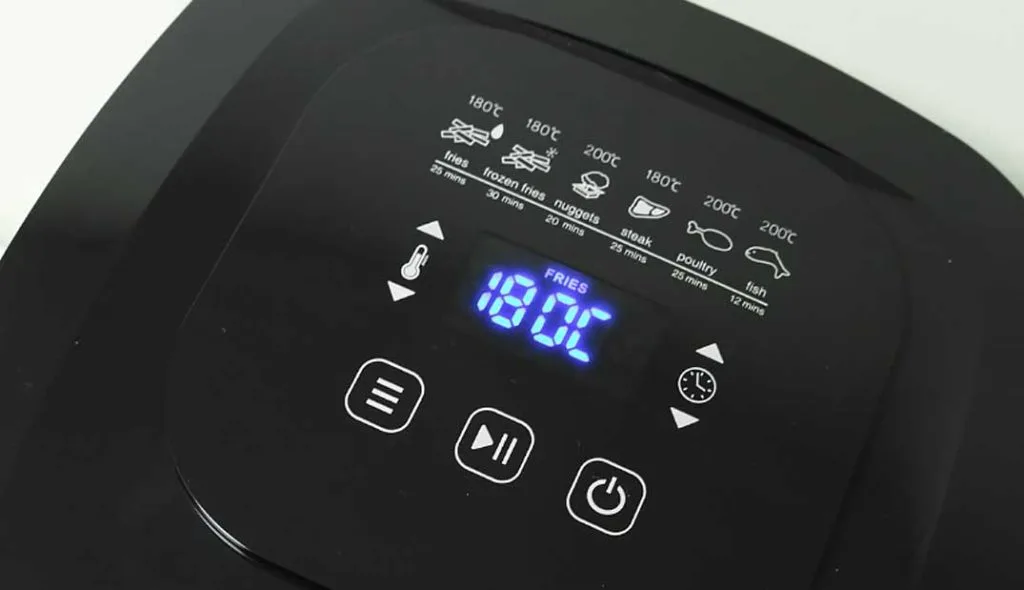
Image source: Bing (Web (fair-use with source credit))
Three Recipes Worth Making Tonight
Once you've got the basics down, these three recipes cover the most popular flavor profiles. Each one starts with the same prep method: dry the scallops, preheat the air fryer, and arrange in a single layer.
Classic Lemon Garlic Butter Scallops
This is the recipe to start with. It's simple, fast, and lets the scallop flavor shine.
Toss one pound of dried sea scallops with one tablespoon of olive oil, two cloves of minced garlic, half a teaspoon of salt, and a quarter teaspoon of black pepper. Let them sit for 5 minutes so the garlic infuses.
Cook at 400°F for 8 to 10 minutes, flipping halfway. While they cook, melt two tablespoons of butter in a small pan with the juice of half a lemon and a tablespoon of chopped fresh parsley.
Transfer the cooked scallops to a plate and spoon the lemon garlic butter over the top. Serve with crusty bread to soak up the sauce.
Cajun-Spiced Scallops With a Kick
If you like bold flavor, this one delivers. The spice blend creates a dark, flavorful crust that pairs well with the sweetness of the scallops.
Mix together one teaspoon of paprika, half a teaspoon of garlic powder, half a teaspoon of onion powder, quarter teaspoon of cayenne pepper, quarter teaspoon of dried oregano, quarter teaspoon of dried thyme, and salt and pepper to taste. Toss the dried scallops with one tablespoon of avocado oil (its high smoke point handles the spices better than olive oil), then coat them evenly with the spice mix.
Cook at 400°F for 8 to 10 minutes, shaking the basket at the halfway mark. The scallops should have a deep reddish-brown crust when done.
Serve over rice or alongside roasted vegetables. A cooling side like a simple cucumber salad or sour cream drizzle balances the heat.
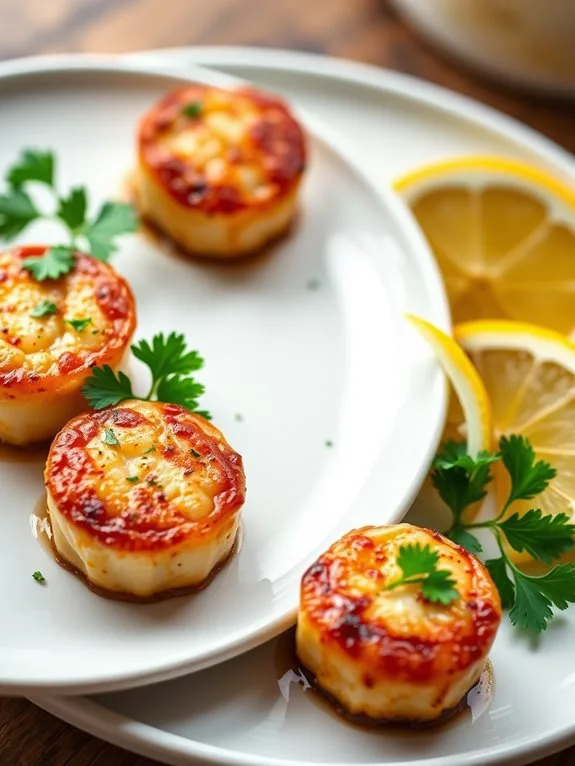
Image source: Bing (Web (fair-use with source credit))
Crispy Panko-Crusted Scallops
These are the crowd-pleaser. The panko coating goes incredibly crisp in the air fryer, and the Parmesan adds a savory, salty depth.
Set up three shallow bowls. Bowl one: half a cup of all-purpose flour seasoned with salt and pepper. Bowl two: one beaten egg.
Bowl three: three-quarters cup of panko breadcrumbs mixed with a quarter cup of finely grated Parmesan and a pinch of garlic powder.
Dredge each dried scallop in flour, dip in egg, then press firmly into the panko mixture. Make sure the coating covers all sides.
Lightly spray the air fryer basket with oil. Arrange the breaded scallops in a single layer and spray the tops lightly with oil as well. This step is important.
The oil helps the panko toast evenly instead of drying out.
Cook at 385°F for 10 to 12 minutes, flipping carefully at the 6-minute mark. The coating should be deep golden and crisp. Serve with lemon wedges and a simple aioli or marinara for dipping.
If you're making these for a party, a dual-basket air fryer lets you cook a full batch in one run without overcrowding.
Breaded vs. Unbreaded — Which Style Works Better in an Air Fryer?
Both styles work, but they serve different purposes. The right choice depends on what you're going for.
Unbreaded scallops are the purist's approach. You taste the scallop itself, sweet and briny, with a clean golden sear. This style is faster since there's no dredging station to set up.
It's also lower in calories and carbs, which matters if you're tracking macros. The downside is that unbreaded scallops have a thinner crust, so the textural contrast between outside and inside is subtler.
Breaded scallops deliver a dramatic crunch. The panko coating insulates the scallop slightly, which can actually help prevent overcooking because the breading takes the direct heat. They're more forgiving for beginners.
The trade-off is added prep time, extra calories from the coating, and a heavier overall bite that masks some of the scallop's natural sweetness.
For weeknight dinners, unbreaded wins on speed. For parties or picky eaters, breaded is the safer bet. If you're cooking for someone who's skeptical about seafood, the crispy coating is a much easier sell.
One tip for breaded: don't skip the oil spray on top of the coating. Without it, the panko dries out and turns pale instead of toasting to a deep gold. A light mist of avocado oil spray makes a noticeable difference.
Common Mistakes That Turn Scallops Rubbery
Overcooking is the number one problem, and it happens fast. Scallops go from perfect to rubbery in about 60 seconds. Here are the most common mistakes and how to avoid them.
Not drying the scallops. We covered this earlier, but it bears repeating. Wet scallops steam instead of sear. Always pat them dry.
Overcrowding the basket. When scallops are touching, moisture gets trapped between them. That steam softens the crust and leads to uneven cooking. Give each scallop breathing room.
Skipping the preheat. A cold basket means the scallops sit in lukewarm air for the first minute or two. That's enough time for surface moisture to build up and prevent browning.
Using butter as the cooking fat. Butter tastes incredible, but its smoke point is around 300°F. At 400°F, it burns and turns bitter before the scallop finishes cooking. Use avocado oil or olive oil for the cook, then finish with butter after.
Cooking by time alone. Every air fryer runs a little differently. Use time as a guide, but rely on visual cues and a thermometer for the final call.
Letting them sit too long after cooking. Scallops continue to cook from residual heat. If you leave them in the basket or on a hot plate for more than 2 minutes past done, they'll overcook. Pull them and serve immediately.
How Air Fryer Scallops Compare to Pan-Searing and Broiling
Each method has strengths. Here's how the air fryer stacks up against the two most common alternatives.
Pan-searing in a cast iron skillet produces the deepest, most caramelized crust. The direct contact with a screaming-hot surface creates intense Maillard browning that's hard to replicate in any other method. The downside is that it demands attention, creates oil splatter, and requires precise timing.
It's also easy to burn the outside before the center warms through.
Broiling is hands-off but unpredictable. The heat comes from above, so you get browning on top but not on the bottom. Broilers vary wildly in intensity, and scallops can go from underdone to overcooked in under a minute.
It's the least consistent method.
Air frying sits in the middle. The crust isn't quite as deep as cast iron, but it's far more consistent than broiling. The circulating air browns all sides at once, which is something neither pan-searing nor broiling can do without flipping.
It's also the cleanest and most hands-off of the three.
For a quick weeknight meal, the air fryer is the best all-around choice. For a dinner party where you want the absolute best sear, a cast iron pan still wins. Broiling is a last resort when you don't have either option.
Are Frozen Scallops Okay? (And How to Prep Them Properly)
Frozen scallops work fine in the air fryer, but they need extra prep. The freezing process creates ice crystals that rupture cell walls, which means frozen scallops release more moisture during cooking. That excess water is the main enemy of a good sear.
Thaw them properly. The best method is overnight in the refrigerator. If you're short on time, seal the scallops in a zip-lock bag and submerge them in cold water for 30 to 60 minutes. Never use hot water or a microwave.
Both methods start cooking the outside while the inside is still frozen, which creates uneven texture.
Dry them twice. After thawing, pat the scallops dry with paper towels. Then let them sit on a fresh layer of towels for another 5 minutes. They'll release more moisture during that rest.
Pat them again before seasoning.
Expect slightly less browning. Even with thorough drying, frozen scallops tend to have more surface moisture than fresh dry-packed ones. The sear will be lighter. Compensate by cooking at the higher end of the temperature range, 400°F, and extending cook time by about 1 minute.
Check the packaging. Some frozen scallops are treated with Sodium Tripolyphosphate (STPP) to preserve moisture. Look for bags labeled "dry" or "no additives." These will perform better than treated ones.
Frozen scallops are a solid option when fresh ones aren't available or when you're stocking up during a sale. Just budget the extra 10 minutes for proper thawing and drying.
What to Serve With Air Fryer Scallops
Scallops are a lean, delicate protein, so the best sides are ones that complement without overpowering them.
Starches: Jasmine rice, couscous, or a simple risotto all work well. They soak up pan sauces and butter without competing for attention. Garlic mashed potatoes are another crowd-pleaser.
Vegetables: Roasted asparagus is a classic pairing. You can even cook it in the air fryer alongside the scallops if your basket is large enough. Sautéed green beans, a simple arugula salad, or grilled zucchini are all good options.
Pasta: Toss linguine with olive oil, garlic, lemon zest, and red pepper flakes. Top with the air-fried scallops for a complete meal in under 20 minutes.
Sauces: A lemon butter sauce is the go-to. For something different, try a white wine reduction, a light chimichurri, or a drizzle of balsamic glaze. Keep the sauce simple.
The scallop should be the star.
Wine pairing: A crisp Sauvignon Blanc or Pinot Grigio cuts through the richness of butter-based preparations. For Cajun-spiced scallops, a slightly off-dry Riesling balances the heat.
If you're building a full meal in the air fryer, consider cooking the sides first and keeping them warm while the scallops finish. Scallops wait for nothing, so they should be the last thing that goes into the basket.
Storing, Reheating, and Food Safety Basics
Cooked scallops don't keep well. They're best eaten within 30 minutes of coming out of the air fryer. If you have leftovers, store them in an airtight container in the refrigerator and use them within 24 hours.
Reheating is tricky. The microwave will make them rubbery almost guaranteed. A better option is a quick pass in the air fryer at 300°F for 2 to 3 minutes, just to take the chill off.
They won't be as crisp as fresh, but they'll be edible.
Raw scallops should be kept at 40°F or below and cooked within 1 to 2 days of purchase, per FDA guidelines. If you need to freeze them, wrap them tightly and use within 3 months for best quality.
Shellfish is a major allergen. If you're cooking for guests, always ask about allergies before serving. And if anyone experiences symptoms like hives, swelling, or difficulty breathing after eating scallops, call Poison Control at 1-800-222-1222 immediately.
Quick-Reference Cook Time Chart by Scallop Size
Here's a fast lookup for the most common scallop sizes and their air fryer settings.
| Scallop Type | Size | Temp | Time | Flip At |
|---|---|---|---|---|
| Jumbo sea | 2+ inches | 400°F | 10 to 12 min | 6 min |
| Large sea | 1.5 to 2 inches | 400°F | 8 to 10 min | 5 min |
| Medium sea | 1 to 1.5 inches | 400°F | 7 to 8 min | 4 min |
| Bay | 0.5 inch | 375°F | 5 to 6 min | 3 min |
| Breaded (any size) | Varies | 385°F | 10 to 12 min | 6 min |
Always verify doneness with an instant-read thermometer. The FDA minimum is 145°F internal temperature for all shellfish.
Final Tips From Someone Who Cooks Scallops Weekly
A few things that make a real difference once you've got the basics down.
Buy dry-packed whenever you can. The price difference is usually a dollar or two per pound, and the improvement in browning is noticeable. If your grocery store only carries wet-packed, just be extra aggressive with the paper towel step.
Invest in a good instant-read thermometer. Guessing is how scallops get ruined. A thermometer takes the guesswork out and pays for itself the first time it saves a $25 pound of seafood.
Don't be afraid of high heat. Scallops need 400°F to develop a proper crust. If your air fryer maxes out at 380°F, add an extra minute to the cook time and make sure you preheat fully.
Finally, keep the recipe simple the first few times. Master the basic method before experimenting with spice blends and sauces. Once you can nail a plain air fryer scallop, everything else is just seasoning.
Frequently Asked Questions
Can I cook scallops in an air fryer without oil?
Yes, but the results won't be as good. A light coating of oil helps conduct heat, prevents sticking, and promotes browning. Without it, scallops are more likely to stick to the basket and develop a pale, uneven surface.
If you're avoiding oil, use a perforated parchment liner and accept a lighter sear.
How do I know when air fryer scallops are done?
The outside should be deep golden-brown and the center should still look slightly translucent. If the center is fully opaque, they're overcooked. An instant-read thermometer inserted into the side of the thickest scallop should read 145°F per FDA guidelines.
Can I use frozen scallops without thawing?
You can, but the results suffer. Frozen scallops release a lot of moisture as they cook, which steams them instead of searing them. If you must cook from frozen, add 2 to 3 minutes to the cook time and pat them dry as soon as they come out of the bag.
What air fryer works best for scallops?
Any air fryer that reaches 400°F will work. Larger models, like a 9-quart unit, are better for cooking a full pound in one batch without overcrowding. Basket-style models give easier access for flipping than oven-style units.
Why do my scallops come out rubbery?
They're overcooked. Scallops cook fast and the window between perfect and rubbery is narrow, about 60 seconds. Use a thermometer, pull them at 145°F, and let carryover cooking finish the center.
Are air fryer scallops healthy?
Yes. A 4-ounce serving of unbreaded scallops has roughly 110 to 140 calories, 20 grams of protein, and only 1 to 2 grams of fat before oil is added. The air fryer uses far less oil than pan-frying or deep-frying, making it one of the leanest ways to cook scallops.
Image source: Bing (Web (fair-use with source credit))