
If you've ever wondered whether a hamburger recipe air fryer method can actually deliver a juicy, satisfying burger, you're not alone. Air fryers have exploded in popularity since 2020, and burgers are one of the most searched recipes for these countertop convection ovens. The short answer: yes, air fryer burgers cook faster than a grill or stovetop, use less oil, and the circulating hot air creates a surprisingly good crust on the outside while keeping the inside moist.
The key is getting a few things right, from the fat content of your ground beef to the temperature you set and how you shape the patties. In our research, we found that the difference between a dry, shrunken hockey puck and a genuinely great burger comes down to technique, not luck. Let's walk through everything you need to know.
Image source: Bing (Web (fair-use with source credit))
Quick Answer
A hamburger recipe air fryer method uses circulating hot air to cook ground beef patties in 8 to 14 minutes at 375°F to 400°F. Use 80/20 ground beef for the best results. Press a dimple in each patty to prevent doming.
Flip halfway through cooking. Always check internal temperature with a meat thermometer. Ground beef must reach 160°F per USDA guidelines.
Why Air Fryer Burgers Are Worth Making (And Why They're Different)
Air fryer burgers aren't just a shortcut. They're a genuinely different cooking method that changes the texture, flavor, and nutrition profile of your burger compared to grilling or pan-frying.
Here's what makes them stand out. The rapid circulating hot air in an air fryer creates a Maillard reaction on the surface of the patty, that's the browning that gives burgers their savory, slightly crispy exterior. At the same time, the fat renders out and drips through the basket, which means your burger ends up with less retained fat than one cooked in a skillet.
Research on convection cooking methods confirms that this fat drainage effect is real and measurable.
Another big advantage is consistency. Unlike an outdoor grill where hot spots and wind can throw off your cook time, an air fryer delivers even heat distribution. You set the temperature, you set the timer, and the results are predictable.
For weeknight dinners or cooking for one or two people, that reliability is hard to beat.
The trade-off? You won't get the smoky char flavor that comes from an open flame or charcoal. If that's what you're after, an air fryer won't fully replace your grill.
But for speed, convenience, and a reliably juicy burger with minimal cleanup, it's a strong option.
The Best Ground Beef Ratio for Juicy Air Fryer Burgers
The single most important decision you'll make is the ground beef blend. Get this right and everything else gets easier.
80/20 (80% lean, 20% fat) is the sweet spot for air fryer burgers. The fat renders during cooking, basting the patty from the inside and keeping it moist. Leaner blends like 90/10 tend to dry out quickly in the high-heat environment of an air fryer. The intense circulating air that gives you that great crust also accelerates moisture loss, so you need enough fat to compensate.
Here's a quick comparison of common ground beef ratios for air fryer use:
| Blend | Fat Content | Best For | Air Fryer Result |
|---|---|---|---|
| 80/20 | 20% | Standard burgers | Juicy, flavorful, slight shrinkage |
| 85/15 | 15% | Leaner preference | Good, slightly less moist |
| 90/10 | 10% | Low-fat diets | Risk of dryness, shorter cook time |
| 70/30 | 30% | Smash-style burgers | Very juicy, more shrinkage, more smoke |
If you're buying pre-made patties from the store, check the label. Most frozen patties fall in the 80/20 to 85/15 range, which works well. Just avoid anything labeled "extra lean" or "93/7" for air fryer cooking, they'll likely come out tough.
One more thing worth noting. If you're mixing your own ground beef at home, ask your butcher for chuck. Chuck has the ideal fat-to-flavor ratio for burgers and grinds up with good texture.
Brisket and short rib blends are also excellent if you want to get fancy, but 80/20 chuck is the reliable everyday choice.
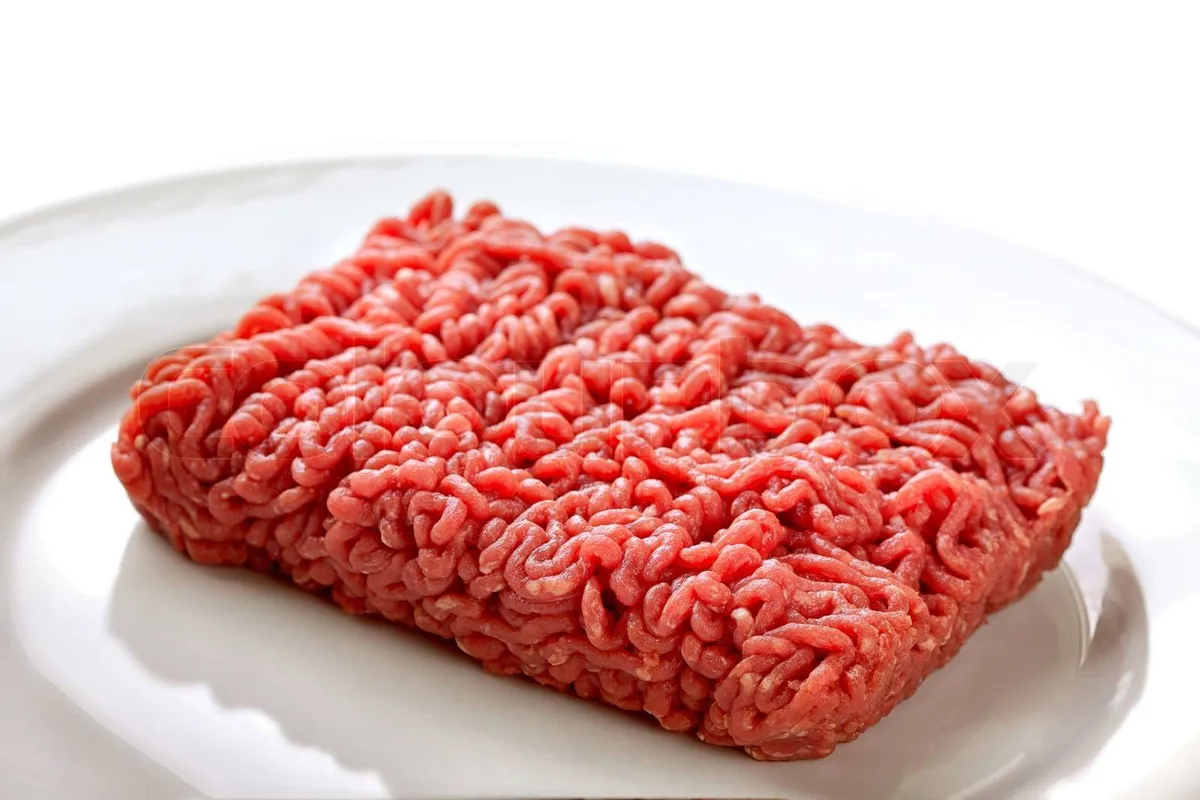
Image source: Bing (Web (fair-use with source credit))
How to Season and Shape Patties That Actually Turn Out Right
How you form your patties matters just as much as what they're made of. Overworking the meat is the number one mistake we see. When you pack ground beef too tightly, you compress the proteins and end up with a dense, rubbery patty instead of a tender one.
Form your patties gently. Divide your ground beef into equal portions, roughly 4 to 6 ounces each for a standard burger. Roll each portion into a loose ball, then press it flat into a patty about ¾ inch thick. That thickness gives you enough mass to stay juicy inside while cooking through evenly.
Anything thinner than ½ inch will dry out fast in an air fryer.
Here's a technique that makes a real difference. Press a shallow dimple in the center of each patty with your thumb before cooking. As the patty heats up, the proteins contract and the center tends to puff up into a dome. The dimple compensates for that, so you end up with a flat, even burger instead of a lopsided one. It's a small step but it solves one of the most common air fryer burger complaints.
For seasoning, keep it simple. A generous sprinkle of kosher salt and black pepper on both sides is all you really need. If you want to go further, add garlic powder and onion powder to the mix.
Apply the seasoning just before the patties go into the air fryer, not hours in advance. Salting too early draws moisture out of the meat, which can make the surface sticky and affect the sear.
Patty formation checklist:
- Use 4 to 6 oz of ground beef per patty
- Form to ¾ inch thickness for standard burgers
- Make the patty slightly wider than your bun (it will shrink 15 to 25 percent during cooking)
- Press a thumb dimple in the center
- Season both sides right before cooking
- Don't overwork the meat, handle it as little as possible

Image source: Bing (Web (fair-use with source credit))
Step-by-Step: How to Cook Hamburgers in an Air Fryer
Now let's put it all together. Follow these steps and you'll get consistent results every time.
Step 1: Preheat your air fryer. Set it to 375°F and let it run for 3 to 5 minutes. A hot basket from the start helps sear the outside of the patty and prevents sticking. Most modern air fryers have a preheat function, but if yours doesn't, just let it run empty for a few minutes.
Step 2: Prepare the basket. Lightly coat the air fryer basket with cooking spray or brush it with a thin layer of oil. This prevents the patty from sticking and makes cleanup easier. If you're using a perforated parchment liner, that works too, just make sure it has holes for airflow.
Step 3: Load the patties in a single layer. Place your patties in the basket with at least 1 inch of space between them. Do not stack or overlap. Air fryers rely on circulating hot air, and overcrowding blocks that airflow, leading to uneven cooking.
If you're cooking for a family, you'll need to work in batches. For larger households, a 9 qt air fryer for large batches can handle more patties at once.
Step 4: Cook for 4 to 5 minutes per side. Flip the patties halfway through. For a ¾-inch patty at 375°F, that's roughly 8 to 10 minutes total for medium doneness. Thicker patties need closer to 12 to 14 minutes.
Thinner ones, like sliders, may be done in 6 to 8 minutes.
Step 5: Add cheese if you're making cheeseburgers. Place a slice of cheese on each patty during the last 1 to 2 minutes of cooking. The residual heat will melt it perfectly. American cheese melts fastest, but cheddar, Swiss, and pepper jack all work well.
Step 6: Check the temperature. This is non-negotiable for ground beef. Insert an instant-read meat thermometer into the side of the patty. You're looking for 160°F for food safety, per USDA guidelines.
If it's not there yet, cook for another 1 to 2 minutes and check again.
Step 7: Rest the patties. Let them sit for 2 to 3 minutes before serving. This allows the juices to redistribute so they don't all run out on the first bite.
Image source: Bing (Web (fair-use with source credit))
Air Fryer Temperature and Cook Time for Perfect Burgers
Getting the temperature and timing right is where most people either nail it or miss. The good news is that once you know the baseline, you can adjust to your preference.
The standard air fryer burger temperature is 375°F. This is hot enough to create a good sear on the outside without burning the exterior before the inside cooks through. Some recipes call for 400°F, which works if you like a more aggressive crust, but you'll need to shave a minute or two off the cook time to avoid overcooking.
Here's a reference table based on patty thickness and desired doneness:
| Patty Thickness | Temperature | Total Cook Time | Internal Temp | Doneness |
|---|---|---|---|---|
| ½ inch | 375°F | 6 to 8 minutes | 160°F | Well-done |
| ¾ inch | 375°F | 8 to 10 minutes | 160°F | Well-done |
| ¾ inch | 375°F | 7 to 9 minutes | 140°F | Medium |
| 1 inch | 375°F | 10 to 14 minutes | 160°F | Well-done |
| 1 inch | 375°F | 9 to 11 minutes | 140°F | Medium |
A few important notes. First, every air fryer runs a little differently. Wattage varies between models, and oven-style air fryers with a door may lose more heat than basket-style models.
The Instant Vortex air fryer, for example, is a popular oven-style model that tends to cook slightly faster due to its powerful fan. Start with the lower end of the time range and check early.
Second, if you're cooking frozen patties straight from the freezer, add 3 to 5 minutes to the total cook time. There's no need to thaw them first. The air fryer handles frozen patties well, though the exterior won't sear quite as nicely as fresh.
Third, altitude matters. If you're cooking above 3,000 feet, you may need to increase the temperature by 15°F to 25°F or add a couple of minutes to compensate for the lower boiling point of water at elevation.
Image source: Bing (Web (fair-use with source credit))
How to Tell When Your Burger Is Done (Without Cutting It Open)
Cutting into a burger to check doneness is a common habit, but it's a mistake. Every slice lets juices escape, and by the time you've confirmed the inside is cooked, the outside is already overdone. There's a better way.
Use an instant-read meat thermometer. Insert it into the side of the patty, pushing the probe into the center. For ground beef, the USDA Food Safety and Inspection Service (FSIS) specifies a safe minimum internal temperature of 160°F (71°C). That's the number to hit.
Unlike a steak where you have a range from rare to well-done, ground beef is different. The grinding process distributes surface bacteria throughout the meat, so the entire patty needs to reach 160°F to be safe.
If you prefer a medium burger with a pink center, you can target 140°F to 145°F, but understand that this carries a higher food safety risk. The USDA, the Centers for Disease Control and Prevention (CDC), and the FDA all recommend 160°F as the safe standard for ground beef. For households with children, elderly individuals, or anyone immunocompromised, sticking to 160°F is the right call.
Visual cues can help as a secondary check, but they're not reliable on their own. A properly cooked burger at 160°F will have clear juices running from the center, not pink or red ones. The interior will be brown or gray throughout with no raw-looking areas. But color alone can be misleading.
Some ground beef stays slightly pink even at safe temperatures due to pH levels and myoglobin content. That's why the thermometer is your best friend.
Image source: Bing (Web (fair-use with source credit))
Common Air Fryer Burger Mistakes and How to Avoid Them
Even with a straightforward recipe, a few recurring mistakes trip people up. Here's what to watch for.
Overcrowding the basket is the most common error. Air fryers need space between food items for the hot air to circulate. When you pile patties on top of each other or pack them too close, you block airflow and end up with unevenly cooked burgers. The ones in the center stay raw while the outside ones overcook.
Always leave at least 1 inch of space around each patty. If you need to cook more than your basket allows, do it in batches. A 9 quart air fryer for big families can handle larger batches without crowding.
Skipping the preheat is another frequent miss. A cold basket means the patty starts cooking slowly, which can lead to a gray, steamed exterior instead of a seared one. Three to five minutes of preheating makes a noticeable difference in texture.
Overworking the meat during shaping produces dense, tough patties. Handle the ground beef as little as possible. Form the patty gently, don't squeeze or compress it.
The looser the formation, the more tender the final burger.
Not using enough fat in your blend leads to dry results. Remember, the air fryer's high heat pulls moisture out quickly. Stick with 80/20 ground beef for the best balance of flavor and juiciness.
Opening the basket too often to check on progress lets heat out and extends cook time. Trust the timer, flip once at the halfway point, and resist the urge to peek more than that.
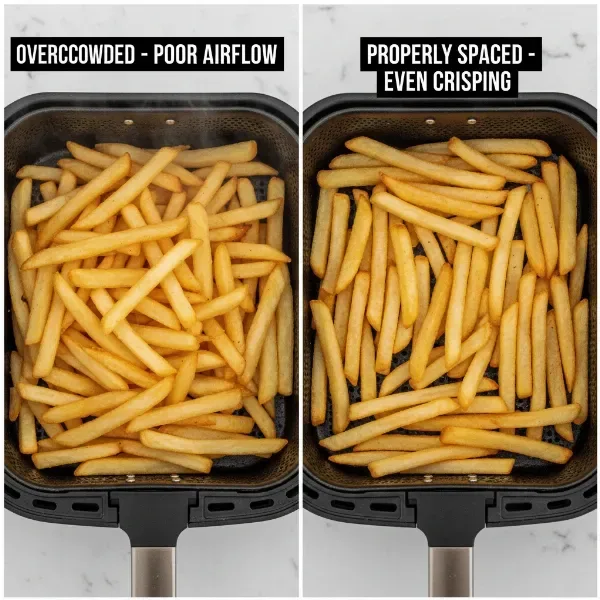
Image source: Bing (Web (fair-use with source credit))
Cheeseburgers in the Air Fryer: Getting the Melt Just Right
Adding cheese to an air fryer burger is simple, but timing matters. Drop the cheese on too early and it melts into a mess that sticks to the basket. Add it too late and it barely softens.
The sweet spot is the last 1 to 2 minutes of cooking. By that point, the patty is nearly done and the residual heat in the basket is enough to melt the cheese without overcooking the burger. Place a slice directly on each patty, close the basket, and let it sit. No need to flip or fuss with it.
American cheese melts the fastest and most evenly due to its processing. If you prefer natural cheeses, cheddar, Swiss, pepper jack, and provolone all work well. Thicker slices or block-cut cheese may need the full 2 minutes.
Shredded cheese melts quickly but can fall through the basket grates, so it's less ideal unless you place it on the patty right at the end.
One trick that works well: if your air fryer has a slightly lower temperature setting, you can drop the cheese at 325°F for the last 2 minutes. This gives the cheese time to melt without pushing the patty past your target doneness.
Air Fryer Burger vs. Grilled vs. Pan-Fried: What's the Difference?
Each method produces a different burger. Understanding the trade-offs helps you pick the right one for the situation.
| Factor | Air Fryer | Grilled | Pan-Fried |
|---|---|---|---|
| Cook time | 8 to 14 minutes | 8 to 12 minutes | 10 to 14 minutes |
| Fat retention | Lower (fat drains away) | Lower (fat drips through grates) | Higher (cooks in its own fat) |
| Crust quality | Good, even browning | Excellent, char marks | Excellent, deep sear |
| Flavor | Clean, beefy | Smoky, charred | Rich, buttery |
| Cleanup | Easy (removable basket) | Moderate (grates, grease tray) | Moderate (splatter, pan) |
| Weather dependent | No | Yes | No |
| Best for | Quick weeknight meals | Weekend cookouts | Restaurant-style crust |
Air fryer burgers win on convenience and consistency. Grilled burgers win on flavor, especially if you're using charcoal or wood. Pan-fried burgers give you the deepest, most even crust but require more attention and cleanup.
If you're choosing based on health, the air fryer and grill both allow fat to drain away from the patty. Pan-frying retains more of the rendered fat, which adds flavor but also calories. For a middle ground, some people air fry the patty and then finish it with a quick sear in a hot skillet for that restaurant-style crust.
Frozen Patties in the Air Fryer: A Quick Guide
You don't need to thaw frozen burger patties before air frying. In fact, cooking them straight from the freezer works surprisingly well.
Set your air fryer to 375°F and cook for 12 to 16 minutes, flipping halfway through. Frozen patties take about 3 to 5 minutes longer than fresh ones. The exterior won't develop quite as deep a crust, but the interior cooks through evenly.
Store-bought frozen patties are typically pre-formed and portioned, which takes the guesswork out of sizing. Most fall in the 80/20 to 85/15 fat range, so they hold up well in the air fryer. Just check the package for any specific cooking instructions, as some brands formulate their patties differently.
One tip: if the frozen patties are stuck together, let them sit at room temperature for 5 minutes before trying to separate them. Forcing them apart while frozen can crack the patty and cause uneven cooking. If you're cooking a large batch of frozen patties, a 9 qt air fryer for large batches gives you the space to work in fewer rounds.
Air Fryer Burgers for Meal Prep and Batch Cooking
Air fryers are a solid tool for meal prepping burgers. Cook a batch on Sunday, refrigerate the patties, and reheat throughout the week.
Cooked air fryer burger patties keep well in the refrigerator for 3 to 4 days. Store them in an airtight container with parchment paper between layers to prevent sticking. For longer storage, wrap each patty individually in plastic wrap and freeze for up to 3 months.
To reheat, pop them back in the air fryer at 350°F for 3 to 4 minutes. They'll regain most of their original texture. The microwave works in a pinch but makes the exterior soft and chewy.
If you're prepping for a busy household, a 9 quart air fryer for big families lets you cook 6 to 8 patties in a single batch, which cuts your total prep time significantly.
Safety Tips: Handling Ground Beef and Cooking to a Safe Temperature
Ground beef requires more careful handling than whole cuts of meat. The grinding process spreads surface bacteria throughout, so the entire patty must reach a safe temperature.
Always cook ground beef to an internal temperature of 160°F, per USDA FSIS guidelines. Use an instant-read thermometer inserted into the side of the patty. Don't rely on color alone, ground beef can remain pink even at safe temperatures.
Wash your hands with soap and warm water for at least 20 seconds after handling raw ground beef. Sanitize any cutting boards, countertops, or utensils that touched the raw meat. Never place cooked burgers back on the same plate that held the raw patties.
If you're serving burgers to young children, pregnant individuals, or anyone with a compromised immune system, stick strictly to 160°F. There's no safe medium-rare option for ground beef the way there is for a whole steak.
Quick Tips for the Best Air Fryer Burgers Every Time
Here's a rapid-fire list of tips that make a real difference.
- Preheat the air fryer for 3 to 5 minutes before adding patties
- Use 80/20 ground beef for the best juiciness and flavor
- Press a thumb dimple in the center of each patty to prevent doming
- Don't flip more than once, halfway through cooking
- Let patties rest 2 to 3 minutes after cooking to retain juices
- Toast your buns in the air fryer at 350°F for 1 to 2 minutes
- Clean the basket between batches to prevent smoke from accumulated grease
Frequently Asked Questions
How long do you cook hamburgers in an air fryer?
Cook hamburgers at 375°F for 8 to 10 minutes for a ¾-inch patty, flipping halfway through. Add 3 to 5 minutes for frozen patties. Always verify doneness with a meat thermometer.
Can you put raw hamburger directly in the air fryer?
Yes. Place raw formed patties directly into the preheated air fryer basket. No need for oil on the patty itself, but lightly spray the basket to prevent sticking.
Do you need to flip burgers in an air fryer?
Yes, flip once at the halfway point. This ensures even browning on both sides. Air fryers circulate heat from above, so the bottom cooks slower without a flip.
Why are my air fryer burgers dry?
The most common causes are using too lean a ground beef blend (90/10 or leaner), overcooking, or skipping the preheat. Switch to 80/20 and check temperature early.
Can you cook frozen burgers in an air fryer without thawing?
Absolutely. Cook frozen patties at 375°F for 12 to 16 minutes, flipping halfway. No thawing needed.
The exterior won't sear quite as well as fresh, but the results are still good.
What size air fryer do I need for burgers?
A 5 to 6 quart air fryer fits 3 to 4 standard patties per batch. For larger families or meal prep, an 8 to 9 quart model gives you more room to work.