
If you've ever craved that crunchy, golden Southern-style catfish but didn't want to deal with a pot of hot oil, catfish recipes air fryer style are exactly what you need. The air fryer delivers a crisp, well-seasoned crust in about 15 minutes with a fraction of the oil, and it's become one of the most popular ways to cook fish at home as of 2026. The catch is that most people end up with soggy, unevenly cooked fillets because they skip a few critical prep steps.
Once you understand what actually makes the coating stick and the fish cook evenly, it's hard to go back to any other method.
Here's what the research and aggregate user reviews tell us: the number one complaint with air fryer catfish is a coating that slides off or turns mushy, and it almost always comes down to excess moisture on the fillets and overcrowding the basket. The USDA recommends cooking all fish to an internal temperature of 145°F, and hitting that target without drying out the fish is entirely doable with the right approach. Let's walk through everything you need to know to get it right every time.
Quick Answer
Air fryer catfish cooks in 12 to 18 minutes at 375°F to 400°F. Pat fillets completely dry before breading. Use a three-stage breading station: flour, egg wash, then cornmeal or panko.
Spray lightly with oil and cook in a single layer without overlapping. Flip halfway through. The internal temperature should reach 145°F.
Why Air Fryer Catfish Is Worth Making (And Why Most People Get It Wrong)
Air frying catfish cuts the oil use by roughly 70 to 80 percent compared to deep frying. You're looking at about one tablespoon of oil spray versus two or more cups submerged in a deep fryer. That translates to a significant calorie difference, with air-fried catfish running around 200 to 250 calories per serving compared to 400 or more for the deep-fried version.
The speed is another real advantage. Most catfish fillets are done in 12 to 18 minutes in the air fryer, versus 25 to 30 minutes in a conventional oven. There's no need to preheat a large oven or dispose of used oil afterward.
For weeknight dinners or small-batch cooking for one or two people, the air fryer is hard to beat.
So why do so many attempts fail? The high-velocity air circulation that makes air fryers so effective at crisping is the same force that blows dry coating off wet fillets. If you skip the step of patting the fish bone-dry, or if you overload the basket so fillets are touching, you'll end up with patchy breading and uneven cooking.
It's not the appliance. It's the technique.
The good news is that once you nail the prep, the process is almost foolproof. And the results are genuinely close to what you'd get from a proper Southern fish fry.
The Best Catfish Styles for Air Frying
Not every catfish preparation translates well to the air fryer. The method works best with fillets that have some structure and a coating that can set and crisp in circulating hot air. Here's how the main styles compare.
Southern cornmeal crusted is the classic, and it's what most people are chasing. A cornmeal-heavy coating seasoned with paprika, garlic powder, cayenne, and black pepper gives you that unmistakable crunch. Use finely ground cornmeal rather than coarse grits, which don't adhere as well in the air fryer's airflow.
Press the cornmeal firmly onto the fillet after the egg wash and let the breaded fillets rest for 5 to 10 minutes before cooking.
Blackened Cajun style skips the breading entirely. You coat the fillets heavily in a Cajun spice blend and cook at high heat. The air fryer handles this well because there's no coating to displace.
The result is a dark, flavorful crust with a moist interior. The trade-off is smoke. Blackened seasoning at 400°F can produce noticeable smoke, so make sure your ventilation is good.
Panko breadcrumbs give you a lighter, airier crunch than cornmeal. They're a good choice if you want something closer to a restaurant-style fish fry without the heaviness. Panko is lighter than cornmeal though, so it's more prone to blowing off.
A thorough egg wash and a light spray of oil on both sides of the fillet are essential.
Almond flour and crushed pork rinds are the go-to for keto or low-carb eaters. Almond flour gives a mild, slightly nutty flavor and browns nicely. Crushed pork rinds deliver the crunchiest texture of any coating option and add a savory, almost bacon-like flavor.
Both work well in the air fryer because they're heavier than panko. Watch for burning with almond flour, as it browns faster than cornmeal.
| Coating Type | Crunch Level | Best Temp | Cook Time | Adhesion Difficulty |
|---|---|---|---|---|
| Cornmeal (fine) | High | 400°F | 14 to 16 min | Moderate |
| Panko | Medium-high | 375°F to 400°F | 12 to 14 min | High |
| Almond flour | Medium | 375°F | 12 to 14 min | Low |
| Crushed pork rinds | Very high | 375°F to 400°F | 12 to 15 min | Low |
| No coating (blackened) | Medium | 400°F | 10 to 12 min | N/A |
If you're cooking for a larger household, it's worth checking out our guide on the best 8 qt air fryer for big families to make sure your basket can handle multiple fillets without crowding.
How to Prep Catfish for the Air Fryer So the Coating Actually Sticks
Prep is where most air fryer catfish attempts succeed or fail. The air fryer's circulating air is unforgiving with wet fillets and loose breading. Every step in the prep process has a specific purpose, and skipping any of them increases your odds of a soggy, patchy result.
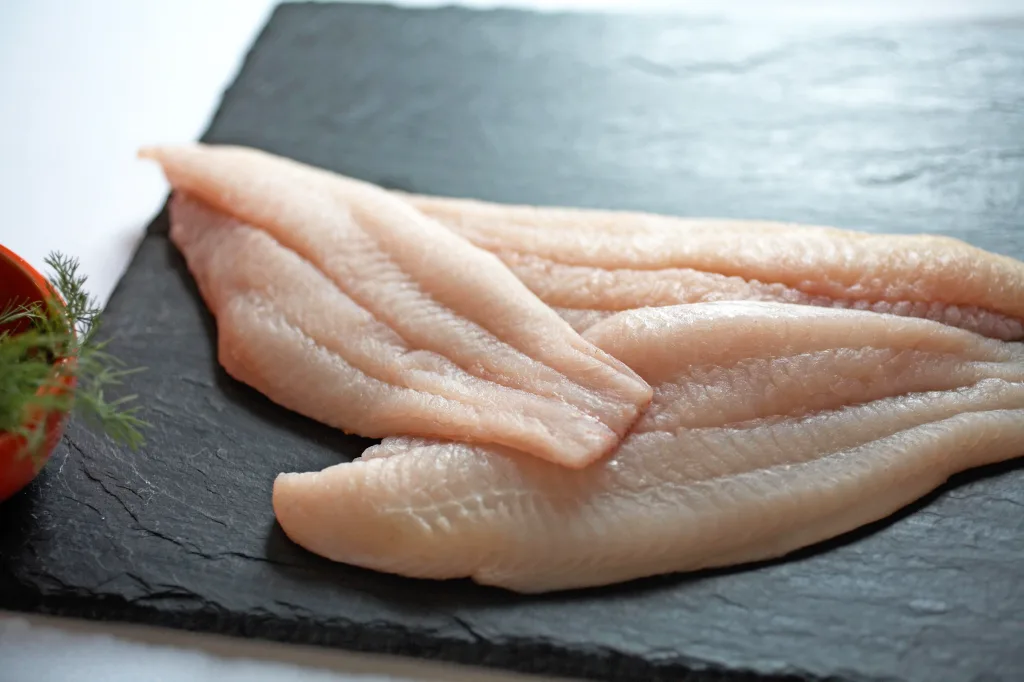
Pat the fillets completely dry. This is the single most important step in the entire process. Take paper towels and press firmly on both sides of each fillet until no visible moisture remains. Surface moisture creates a barrier between the fish and the coating, and the air fryer's airflow exploits that gap immediately.
If you're working with previously frozen fillets, thaw them in the refrigerator overnight and then pat dry.
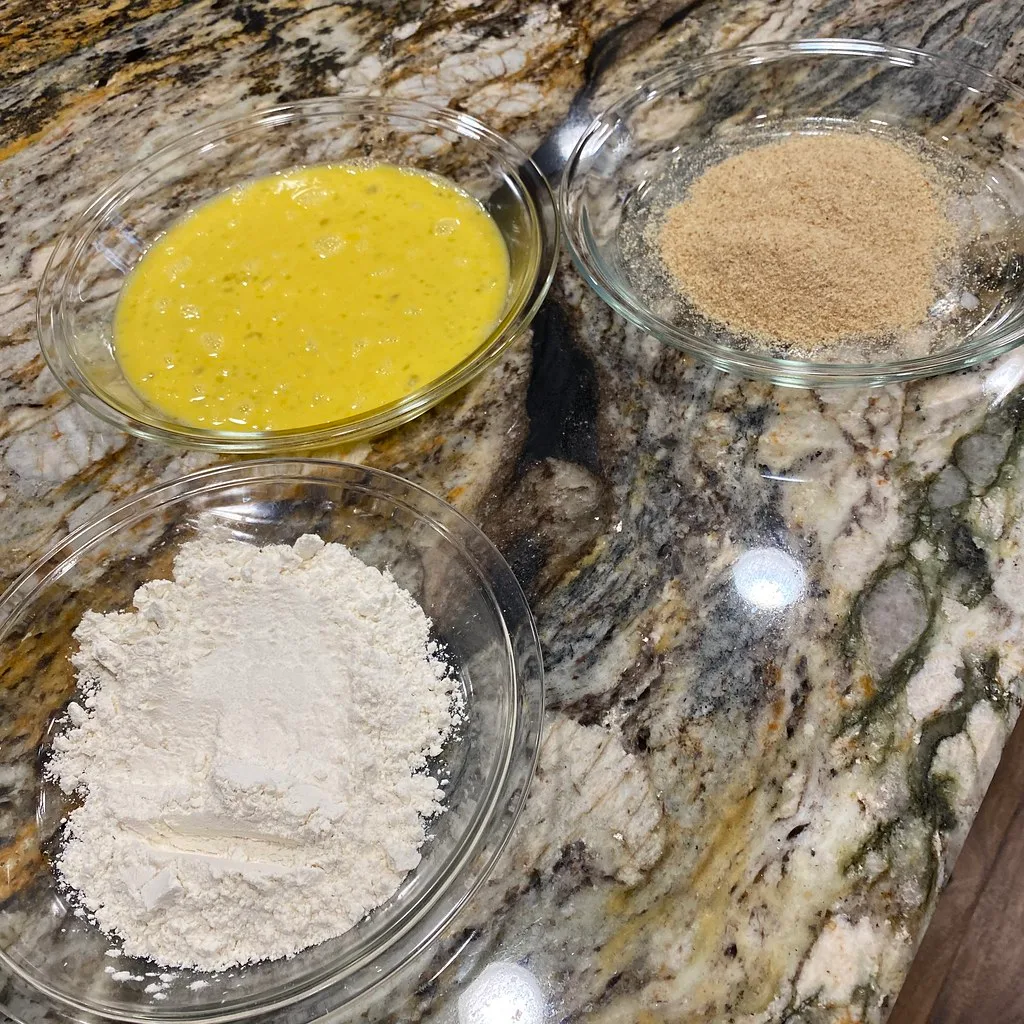
Set up a three-stage breading station. Bowl one: all-purpose flour seasoned with salt and pepper. Bowl two: beaten eggs, optionally mixed with a tablespoon of water or hot sauce. Bowl three: your chosen coating.
The flour step is the one most people skip, and it's the one that makes the biggest difference. Flour gives the egg wash something to grip onto, and the egg wash gives the outer coating something to grip onto.
Dredge each fillet in flour first, shaking off the excess. Dip it into the egg wash, letting the extra drip off. Then press it firmly into the coating on both sides.
The pressing motion matters. Don't just lay the fillet in the breading. Push down so the coating embeds into the egg layer.
Consider a buttermilk soak. If you have an extra 15 to 30 minutes, soak the fillets in buttermilk before you start the breading station. Buttermilk tenderizes the fish slightly and adds a subtle tang that complements Cajun seasoning beautifully. After the soak, pat the fillets dry again before proceeding to the flour.
Let the coating set before cooking. Once your fillets are breaded, place them on a wire rack or a plate and let them rest for 5 to 10 minutes. This downtime allows the egg to begin setting and bonding the coating to the fish. When you put freshly breaded fillets straight into the air fryer, the force of the air can displace coating that hasn't had time to adhere.
Step-by-Step: How to Cook Catfish in the Air Fryer
Once your fillets are prepped and the coating has set, the cooking process itself is straightforward. The variables that matter most are temperature, timing, and basket arrangement.
Standard catfish fillets from the grocery store are typically 1/2 inch to 3/4 inch thick. For 1/2-inch fillets, cook at 375°F for 10 to 12 minutes. For 3/4-inch fillets, cook at 400°F for 14 to 16 minutes.
For 1-inch fillets, drop to 375°F for 16 to 18 minutes so the center cooks through before the coating burns.
Preheat the air fryer for 2 to 3 minutes before adding the fillets. Starting with a hot basket helps the coating set immediately rather than slowly warming and potentially sliding off.
Flip the fillets at the halfway point. For a 14-minute cook, that means flipping at minute 7. Use a thin, flexible spatula rather than tongs, which can tear the coating.
When you flip, give the fillets another light spray of oil. Don't flip more than once. Repeated flipping disturbs the coating and increases the chance of it peeling away.
The USDA recommends cooking fish to an internal temperature of 145°F. An instant-read thermometer inserted into the thickest part of the fillet is the most reliable way to confirm doneness. Pull the fillets at 145°F.
They'll carry over a degree or two as they rest.
If you don't have a thermometer, look for these visual cues: the coating should be deep golden brown, the flesh should flake easily when pressed with a fork, and the center should be opaque rather than translucent. Overcooked catfish turns rubbery and dry fast. The window between perfectly done and overdone is only about 2 minutes in most air fryers.
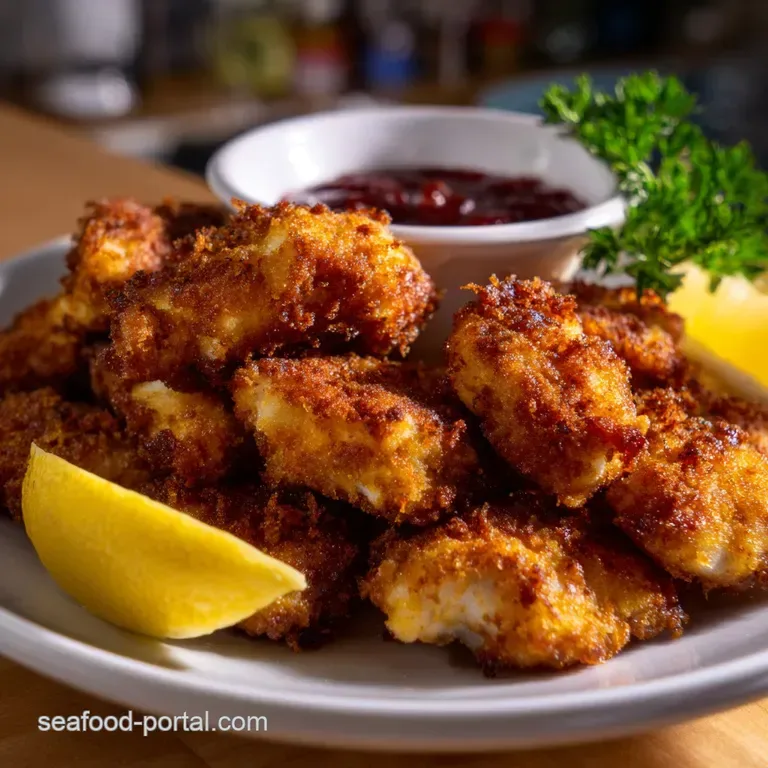
Let the cooked fillets rest on a wire rack for 2 minutes before serving. This brief rest lets the interior finish setting and prevents the coating from getting soggy against a warm plate.
If you're wondering whether your specific air fryer model handles fish well, our Is Instant Vortex Air Fryer Good breakdown covers performance details that apply directly to recipes like this.
Air Fryer Catfish vs. Deep Fried, Pan Fried, and Oven Baked
Understanding how air fryer catfish stacks up against other cooking methods helps you set realistic expectations and choose the right approach for the situation.
Deep frying still produces the crispiest, most evenly coated catfish. Submerging the fillet in 350°F oil cooks it from all sides simultaneously and creates an instant seal on the coating. Air frying comes close but can't quite replicate that all-over crunch, especially on the side resting against the basket.
Pan frying gives you excellent crust on the bottom side but a softer top unless you baste carefully. Oven baking produces the least crispy result, with the coating often turning pale and slightly chewy.
The air fryer gets you about 85 to 90 percent of the deep-fried texture with a fraction of the oil and mess. A standard deep-fried catfish fillet absorbs roughly 8 to 12 grams of oil during cooking. An air-fried fillet uses about 1 to 2 grams from the cooking spray.
| Method | Cook Time | Oil Needed | Cleanup | Smoke/Odor |
|---|---|---|---|---|
| Air fryer | 12 to 18 min | 1 tbsp spray | Easy (basket wash) | Low to moderate |
| Deep fryer | 6 to 8 min | 2+ cups | Moderate (oil disposal) | High |
| Pan fry | 8 to 12 min | 1/4 cup | Moderate | Moderate |
| Oven bake | 25 to 30 min | 1 to 2 tbsp | Easy | Low |
The air fryer wins on convenience for small batches. If you're cooking for a crowd of six or more, a deep fryer or large oven batch is more practical. But for one to four fillets on a weeknight, the air fryer is the fastest path from raw fish to dinner with the least cleanup.
For a deeper look at how different air fryer sizes handle batch cooking, check out our roundup of the best 9 qt air fryer for large batches.
Common Mistakes That Ruin Air Fryer Catfish
The difference between great air fryer catfish and a soggy disappointment usually comes down to a handful of avoidable errors.
Skipping the dry step. Wet fillets are the number one killer of breading adhesion. Even if the fish looks dry on the surface, press it firmly with paper towels. You'd be surprised how much moisture comes off a single fillet.
Overcrowding the basket. Stacking or overlapping fillets blocks airflow and creates steam pockets. The coating steams instead of crisps. Cook in batches if you have to.
A single layer with space between each fillet is non-negotiable.
Too much oil spray. A light, even coat is what you want. Drenching the fillets causes the coating to slide off and pool at the bottom of the basket. Two to three seconds of spray per side is plenty.
No preheat. Putting fillets into a cold basket means the coating warms slowly and never gets that initial sear. Two to three minutes of preheat makes a real difference in crust formation.
Cooking straight from frozen without adjustment. Frozen fillets release a lot of moisture as they thaw during cooking. If you must cook from frozen, add 4 to 6 minutes to the cook time and expect a slightly less crispy result.
Best Air Fryer Models for Cooking Fish
Not every air fryer handles delicate, coated fish equally well. The features that matter most for catfish are consistent temperature control, strong but not excessive airflow, and a basket design that minimizes coating blow-off.
Models in the 1,500W to 1,800W range tend to hold temperature more consistently than lower-wattage units. Temperature swings of even 15 to 20 degrees can affect how well the coating sets in the first few minutes. Baskets with a fine mesh or perforated solid tray are better for breaded fish than wide-hole wire baskets, as the smaller openings support the fillets and reduce coating fallout.
If you're regularly cooking for more than two people, a 5.8-quart or larger basket gives you room to fit four to six fillets without crowding. Our guide on the best 8 qt air fryer with dual basket covers models that let you cook fish in one basket and sides in the other simultaneously.
Fish leaves behind odor and residue, so models with dishwasher-safe baskets and removable trays make cleanup far less of a chore. Stainless steel interiors tend to resist odor retention better than non-stick coatings over time. The Instant Vortex line and Ninja Foodi series both perform well for breaded fish based on aggregate user feedback.
Our Is Instant Vortex a Good Air Fryer review breaks down the details that matter for recipes like this.
Seasoning and Serving Ideas That Actually Work
The coating is only half the flavor equation. What you season the fish with and what you serve alongside it can elevate a simple weeknight meal into something that feels like a proper Southern spread.
Coleslaw is the traditional side for a reason. The cool, creamy crunch against hot, crispy catfish is a texture match that works every time. Hush puppies round out the plate and give you something to soak up any extra sauce.
For the fish itself, a Cajun seasoning blend with paprika, garlic powder, onion powder, cayenne, black pepper, and dried oregano is the standard. Mix it into the cornmeal coating rather than sprinkling it on after.
A simple lemon wedge and a side of steamed green beans or a light garden salad keeps the meal fresh and balanced. Blackened catfish pairs especially well with a mango salsa or avocado slices on top. For a low-carb plate, serve the fillets over cauliflower rice or alongside roasted asparagus.
Our air fryer asparagus recipe with parmesan is a natural companion that cooks in about the same time as the catfish.
Tartar sauce is the classic condiment. A squeeze of fresh lemon is essential regardless of what else you use. Remoulade adds a tangy, slightly spicy kick if you want something more interesting.
For heat lovers, a drizzle of Crystal or Louisiana hot sauce right after the fillets come out of the basket adds a vinegary punch that complements the crispy coating.
How to Cook Frozen Catfish in the Air Fryer
Sometimes you're working with what's in the freezer, and that's fine. Frozen catfish can work in the air fryer with a few adjustments.
Thawing in the refrigerator overnight is still the best approach when you have time. But if you're starting from fully frozen, pat the frozen fillets with a paper towel to remove any ice crystals on the surface. Apply your breading station as usual, knowing that adhesion will be weaker than with fresh fillets.
Press the coating on firmly and let the breaded fillets rest for 10 minutes.
Cook at 375°F for 18 to 22 minutes, flipping at the halfway mark. The lower temperature gives the center time to thaw and cook through without burning the exterior. Expect the coating to be slightly less crispy than with fresh fillets.
Make sure the internal temperature still hits 145°F. Frozen fillets are deceptive because the outside can look done while the center is still undercooked. A thermometer is especially important here.
If you cook frozen foods frequently, our roundup of the best 8 qt air fryer for frozen foods covers models that handle the extra moisture and longer cook times well.
Storing, Reheating, and Meal Prepping Air Fryer Catfish
Air fryer catfish holds up reasonably well as leftovers if you store and reheat it properly. The coating will never be quite as crispy on day two, but you can get close.
Store cooked fillets in an airtight container in the refrigerator for up to 3 days. Place a paper towel in the container to absorb excess moisture. Don't stack the fillets directly on top of each other, as the coating will soften where it makes contact.
To reheat, put the fillets back in the air fryer at 350°F for 4 to 5 minutes. This restores more crispiness than a microwave, which will make the coating soggy within seconds. A light spray of oil before reheating helps revive the exterior.
For meal prep, bread the fillets and store them uncooked in the fridge for up to 24 hours before cooking. Place them on a parchment-lined sheet with plastic wrap over the top. This lets you do the messy prep work in advance and cook fresh fillets in minutes when you're ready to eat.
If you're meal prepping for a family, a larger air fryer makes the process much more efficient. Our guide on the best air fryer gift for busy moms covers models that handle batch cooking well, which applies directly to weekly meal prep routines.
Frequently Asked Questions
Can I use swai instead of catfish in the air fryer?
Swai works, but it's thinner and more delicate than channel catfish. Reduce the cook time by 2 to 3 minutes and handle it gently when flipping. The flavor is milder, so a well-seasoned coating helps.
Do I need to flip catfish in the air fryer?
Yes. Flip once at the halfway point for even browning on both sides. Use a thin spatula to avoid tearing the coating.
Why does my breading keep falling off?
The fillets are too wet, the flour step was skipped, or the coated fillets didn't rest before cooking. Pat the fish dry, use the full three-stage breading station, and let coated fillets sit for 5 to 10 minutes before they go in the basket.
What temperature should I cook catfish in the air fryer?
375°F to 400°F depending on fillet thickness. Use 400°F for standard 3/4-inch fillets and drop to 375°F for thicker cuts or almond flour coatings that brown faster.
Is air fryer catfish healthy?
Compared to deep frying, yes. Air frying uses roughly 70 to 80 percent less oil. A serving of air-fried catfish runs about 200 to 250 calories versus 400 or more for the deep-fried version.
Catfish is also a good source of lean protein and B vitamins per USDA nutrient data.
Can I air fry catfish nuggets instead of fillets?
Absolutely. Nuggets cook faster, usually in 8 to 11 minutes at 400°F. They're a great option for kids or for anyone who wants a higher coating-to-fish ratio.
The Bottom Line
For most home cooks, the Southern cornmeal crusted style at 400°F gives the best balance of crunch, flavor, and cook time. It's the closest you'll get to a traditional fish fry without heating up a pot of oil. The key is in the prep: dry the fillets thoroughly, use the three-stage breading station, let the coating rest, and don't overcrowd the basket.
If you're watching carbs, the almond flour or pork rind coating at 375°F delivers excellent crunch with a fraction of the carbohydrates. And if you want maximum flavor with zero breading, the blackened Cajun method is fast, bold, and nearly foolproof.
Once you've got the technique down, air fryer catfish becomes a 20-minute meal you'll come back to regularly. It's one of those recipes that looks like more effort than it actually is, and the cleanup is about as easy as it gets.